1900 - 1969
Modern Art
The break with tradition. Cubism, Surrealism, and the birth of abstraction.
About Modern Art
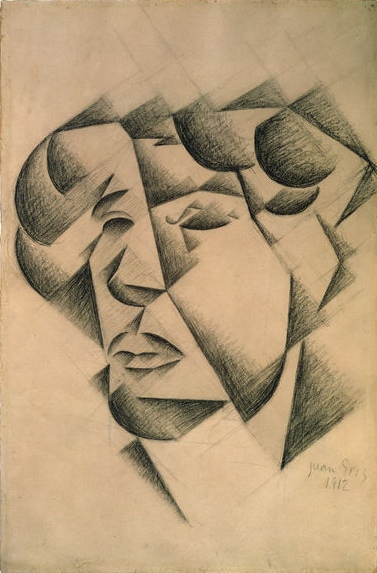
Modern art didn't just evolve from what came before. It declared war on it. In 1907, Picasso's Les Demoiselles d'Avignon shattered conventional perspective, launching Cubism. Objects appeared from multiple angles simultaneously. Reality fragmented into geometric planes. Nothing in art would ever be the same.
Movements multiplied at dizzying speed. Expressionism prioritized raw emotion over accurate representation, with Edvard Munch's The Scream becoming its icon. Surrealism explored dreams and the unconscious, as Dalí's melting clocks and Magritte's impossible images dissolved rational thought. Abstract Expressionism abandoned representation entirely, with Pollock dripping paint and Rothko creating color fields that seemed to vibrate.
Two world wars, Freudian psychology, and technological upheaval drove these experiments. If the camera could capture reality, why should painters? Modern artists asked what art could be and do when freed from representation. Abstract art proved that color, form, and gesture could move viewers without depicting anything recognizable. By 1969, these ideas had become the new establishment, ready for the next generation to rebel against.
What Was Happening in the World
Two world wars killed tens of millions and shattered faith in progress and reason. Freud revealed the unconscious mind lurking beneath rational thought. Einstein bent space and time. The atom was split. Airplanes and automobiles compressed distance. Radio and cinema created mass media. Totalitarian regimes rose and fell. The Holocaust proved human capacity for industrialized evil. After 1945, the center of the art world shifted from Paris to New York. Artists who survived asked: how can we paint after this?
What to Look For
Spotting Modern Art art in museums and galleries:
- 1Cubism: fragmented forms, multiple viewpoints shown simultaneously
- 2Expressionism: distorted figures, intense non-naturalistic colors
- 3Surrealism: dreamlike imagery, impossible combinations, melting forms
- 4Abstract: no recognizable subject, pure color, shape, and line
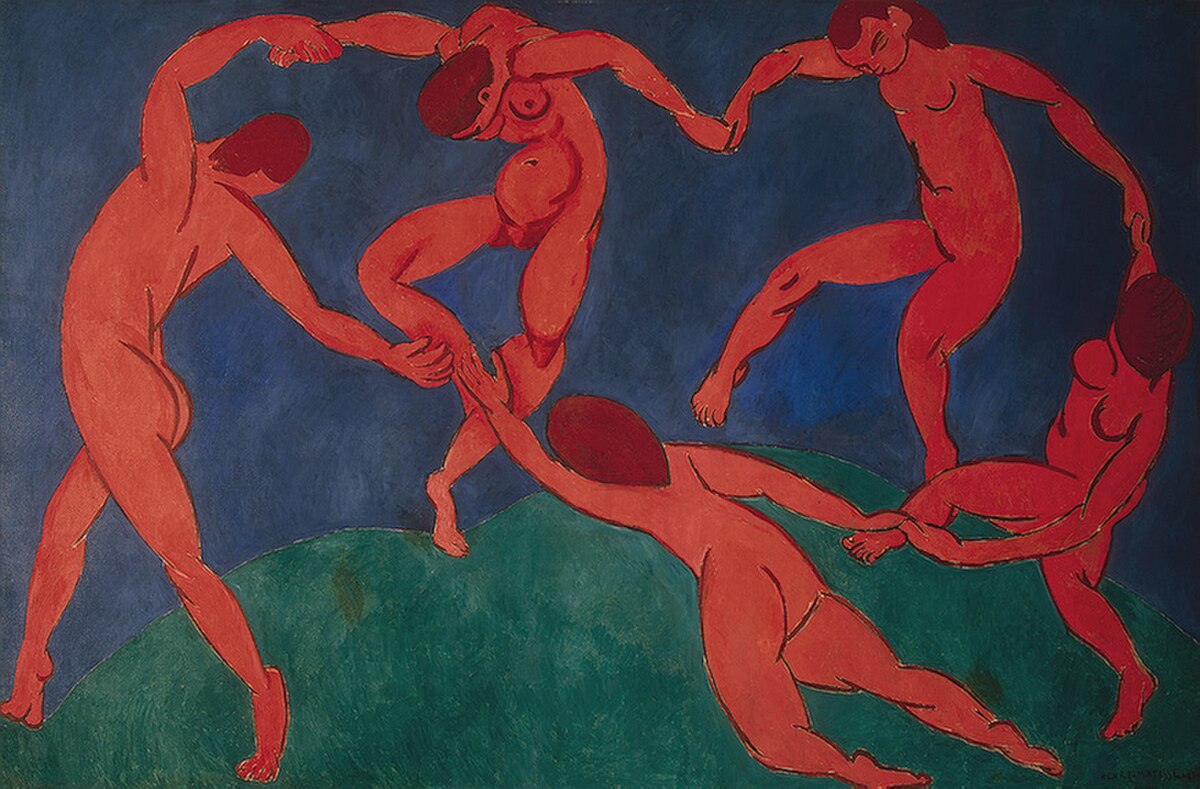
- 5Fauvism: wild, arbitrary colors (green faces, red trees)
- 6Geometric abstraction: hard edges, primary colors, perfect shapes
- 7Abstract Expressionism: large canvases, drips, splashes, color fields
- 8Bold experimentation with materials: collage, found objects, industrial paint
At a Glance
- Period
- 1900 - 1969
- Movements
- 10
- Artists
- 43
- Artworks
- 314
Modern Art Movements
10 movements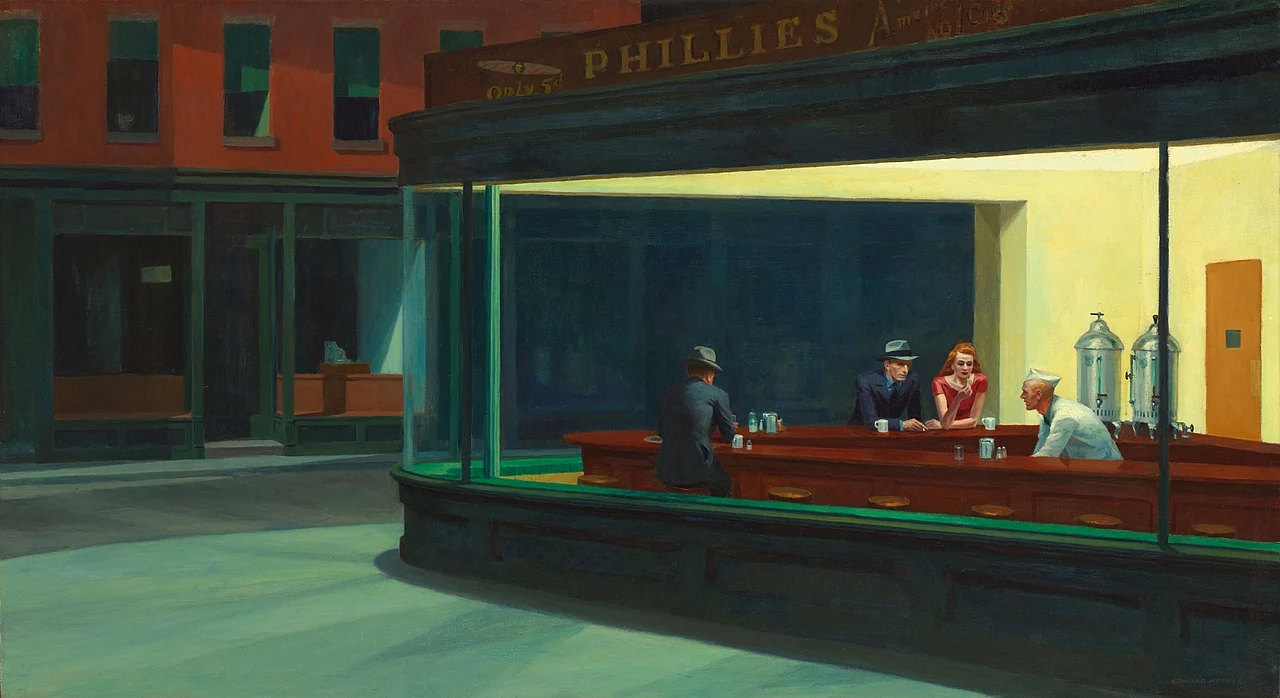

+4
American Realism
1900 – 1960American Realism focused on depicting everyday American life with honesty and accuracy. Artists captured urban scenes, rural landscapes, and ordinary people without romanticizing their subjects.
7 artists
Fauvism
1904 – 1908Fauvism was the first 20th century movement in modern art, emphasizing painterly qualities and strong color over representational values. The name comes from 'les fauves' (wild beasts).
2 artists
+12
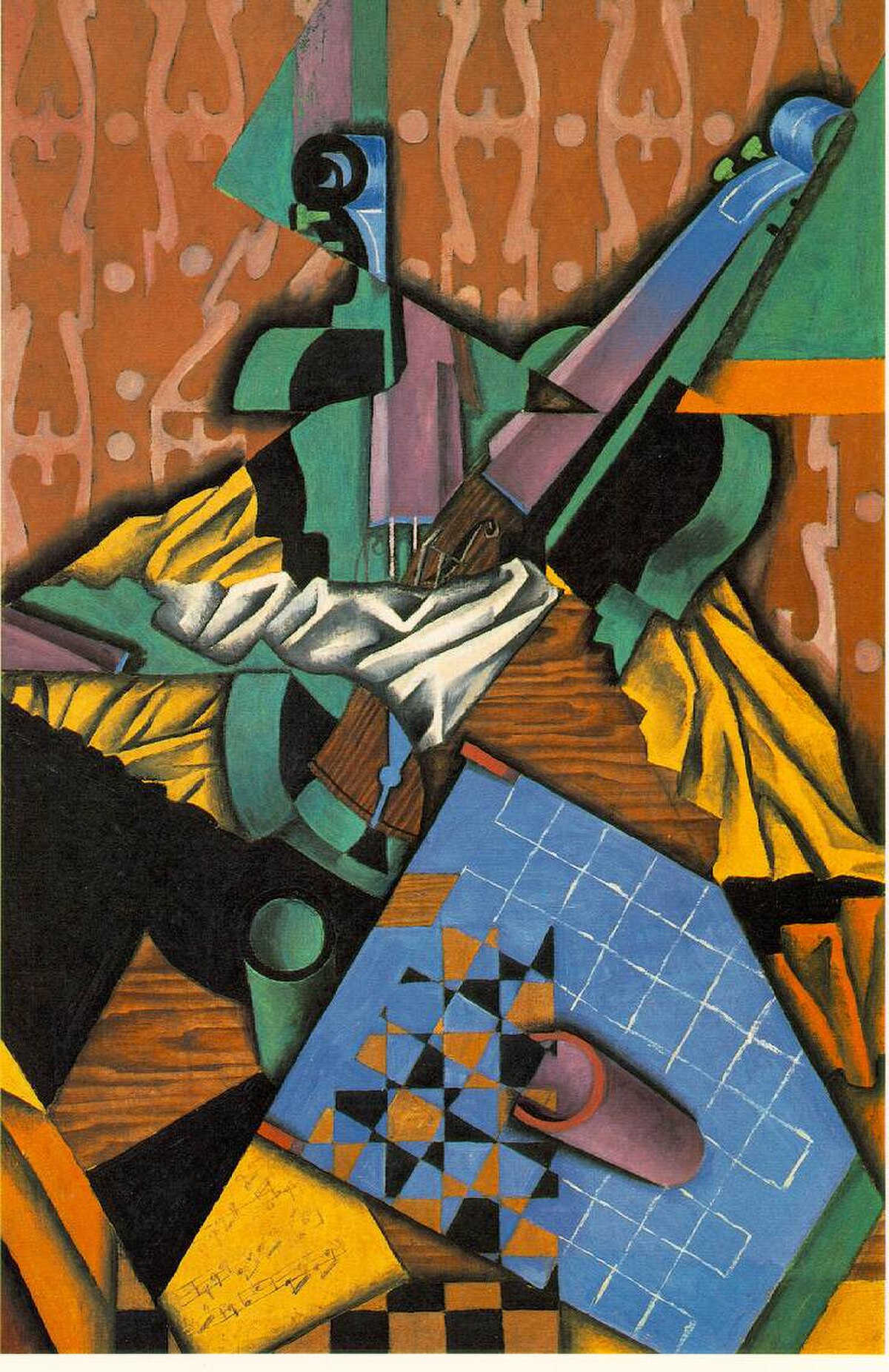
Expressionism
1905 – 1930Expressionism prioritized emotional experience over physical reality. Artists used distorted forms, exaggerated colors, and bold brushwork to convey psychological states.
15 artists
+1
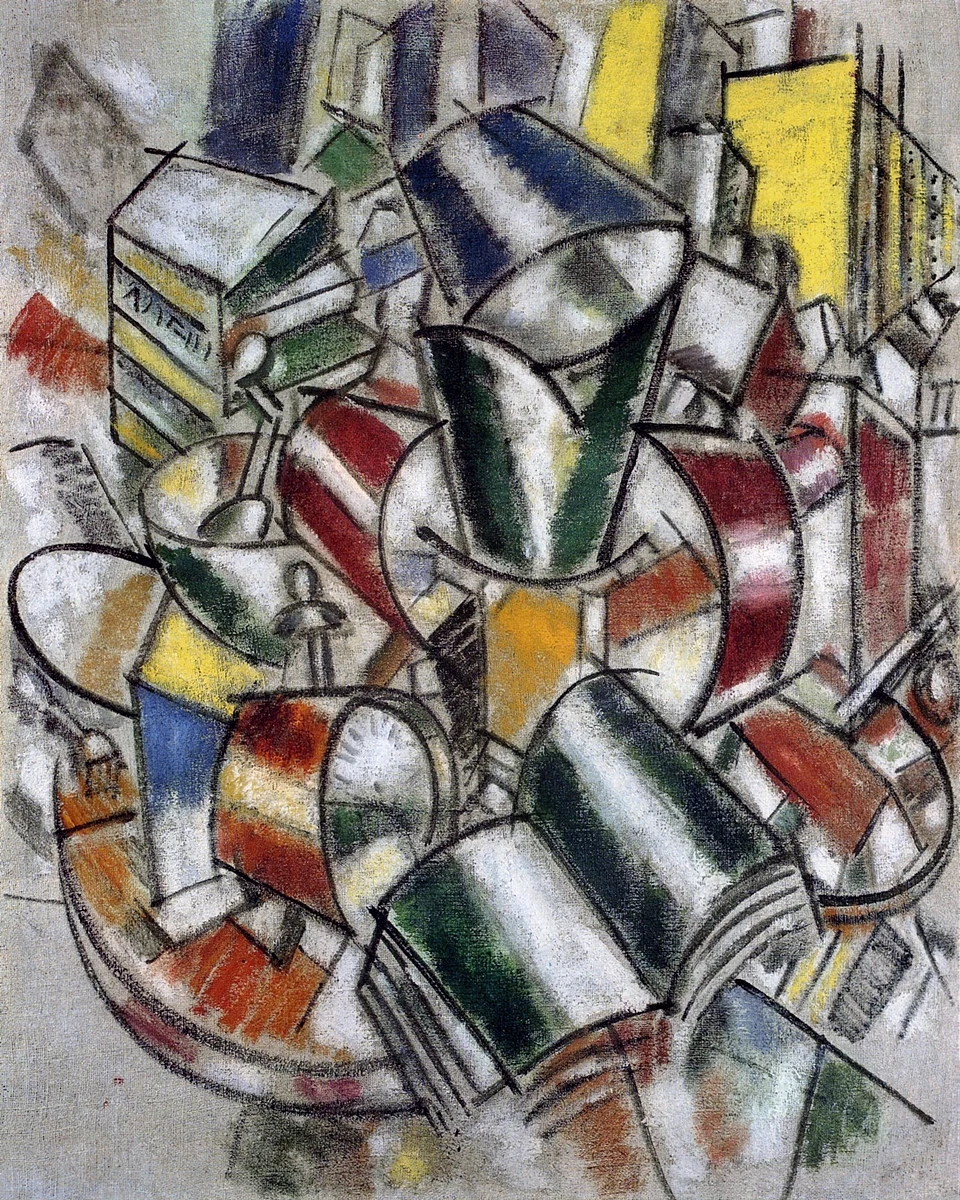
Cubism
1907 – 1920Cubism, pioneered by Picasso and Braque, revolutionized European painting by breaking objects into geometric forms and showing multiple viewpoints simultaneously.
4 artists
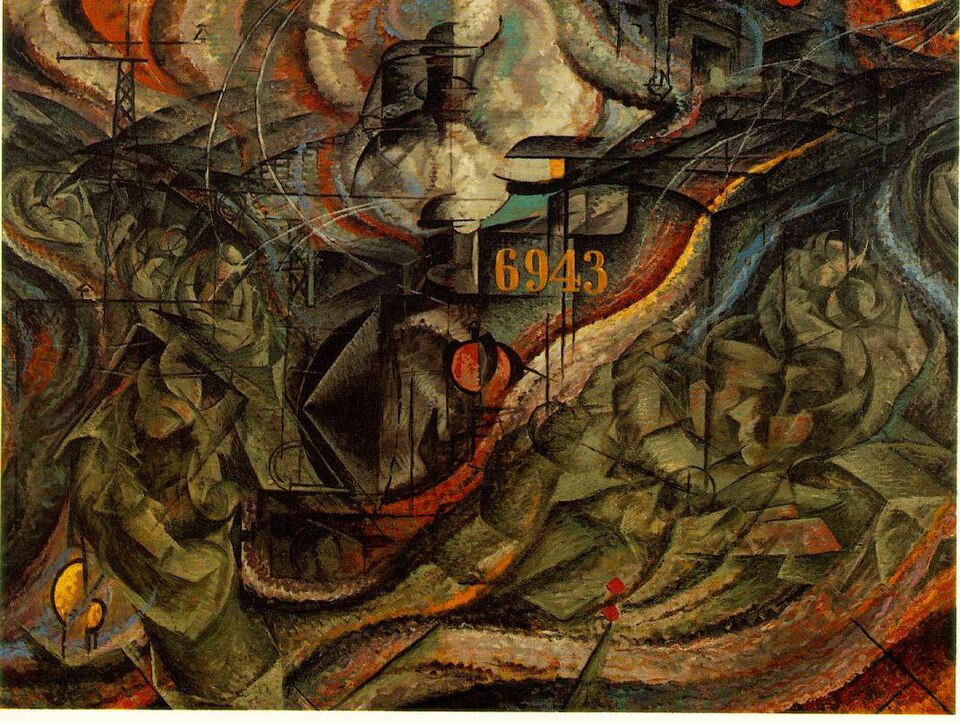
Futurism
1909 – 1944An Italian movement emphasizing speed, technology, and modernity.
1 artist
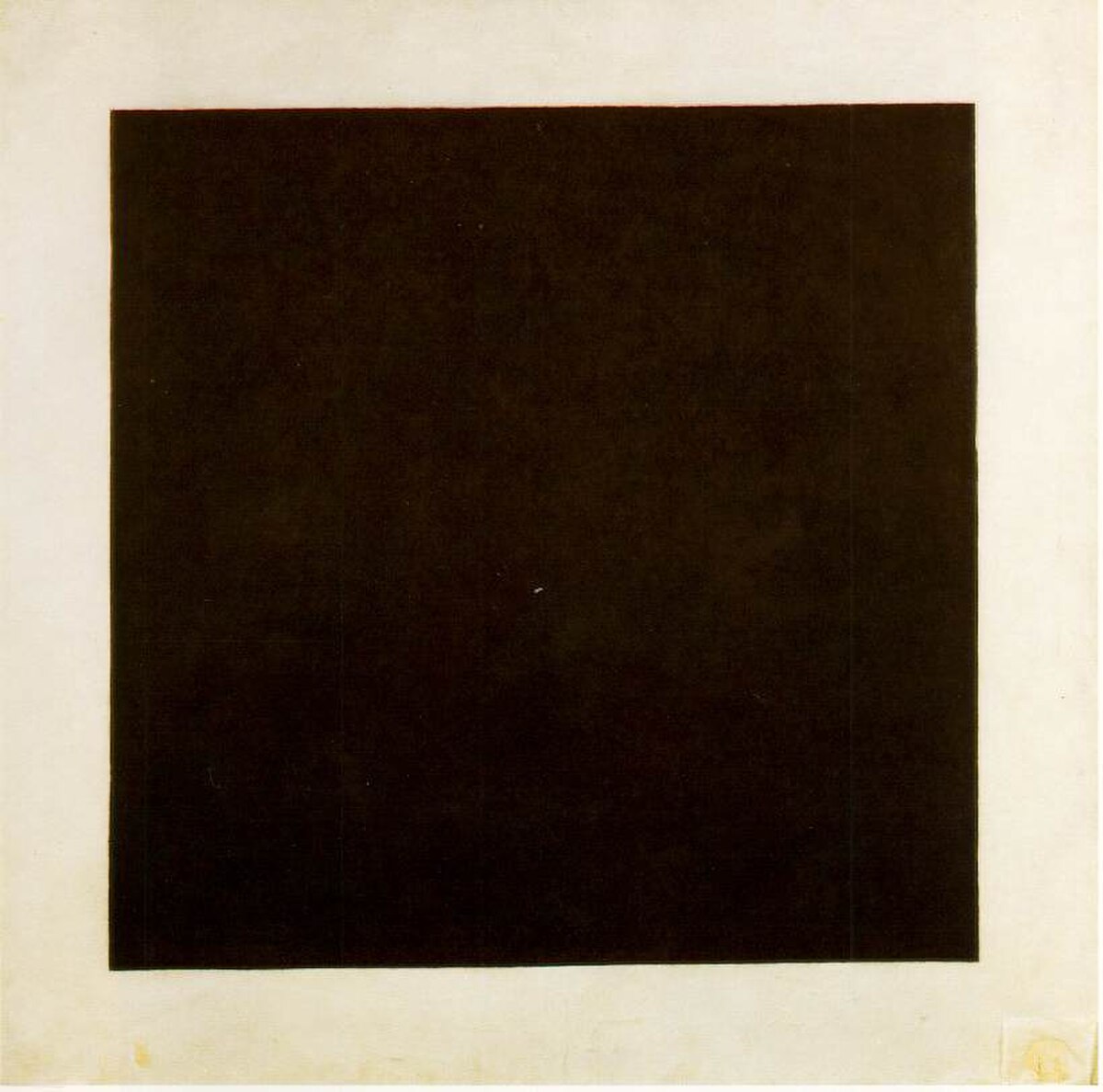
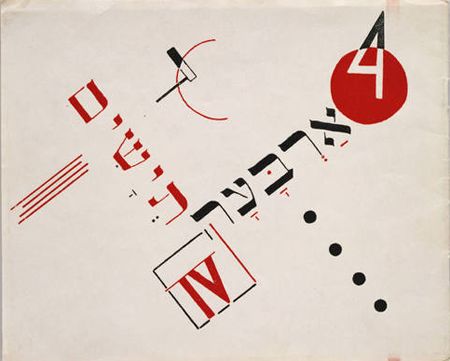
Suprematism
1913 – 1935A Russian abstract art movement focused on basic geometric forms and limited colors.
2 artists
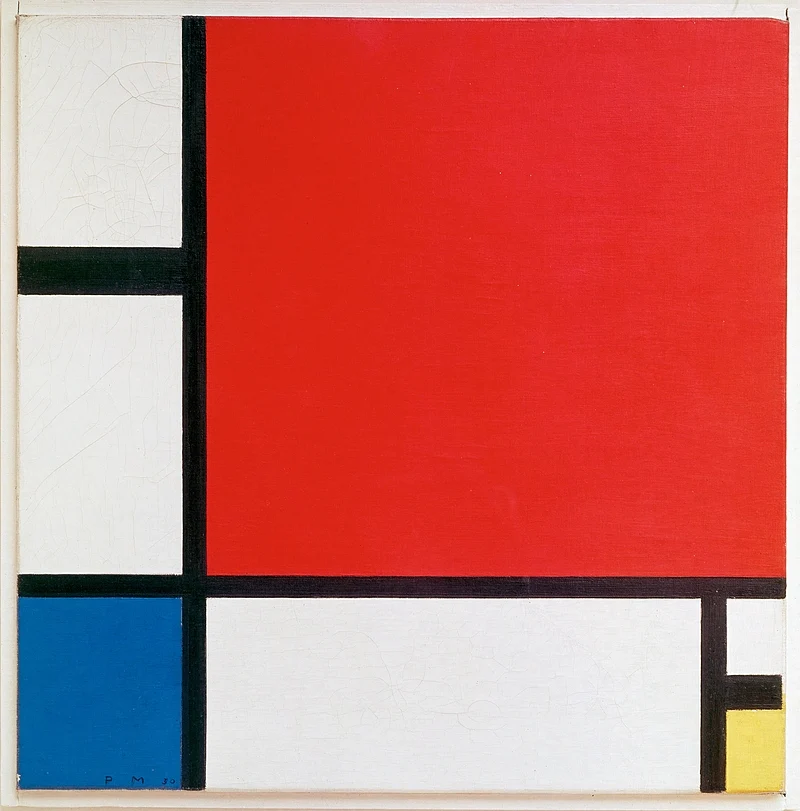
De Stijl
1917 – 1931De Stijl, Dutch for 'The Style,' was an art movement centered on pure abstraction and reduction to essentials of form and color. It used only vertical and horizontal lines and primary colors.
1 artist

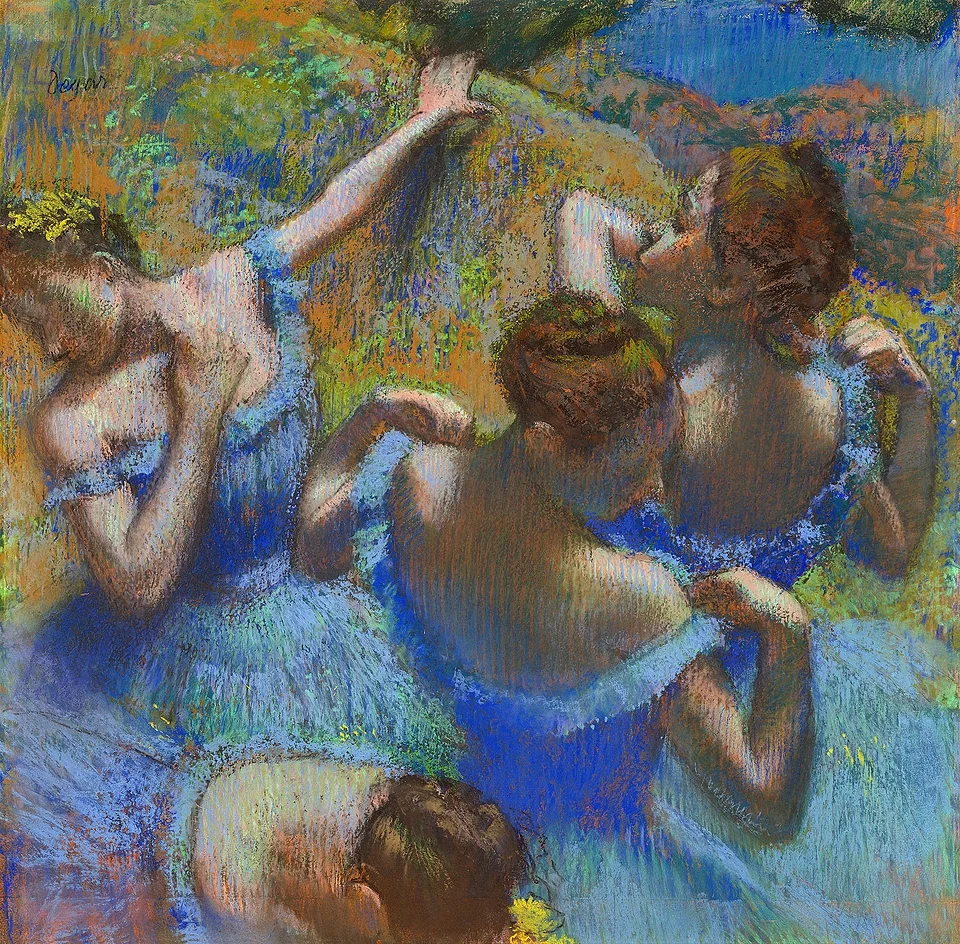
+4
Surrealism
1920 – 1960Surrealism sought to release the creative potential of the unconscious mind through irrational imagery, dreams, and unexpected juxtapositions.
7 artists

+3
Abstract Expressionism
1940 – 1960The first major American art movement, Abstract Expressionism emphasized spontaneous, automatic, or subconscious creation. It included both gestural action painting and color field painting.
6 artists
Pop Art
1955 – 1970Pop Art emerged in the mid-1950s, drawing inspiration from popular and commercial culture. It challenged fine art traditions by incorporating imagery from advertising, comic books, and everyday objects.
3 artists
Modern Art Artists
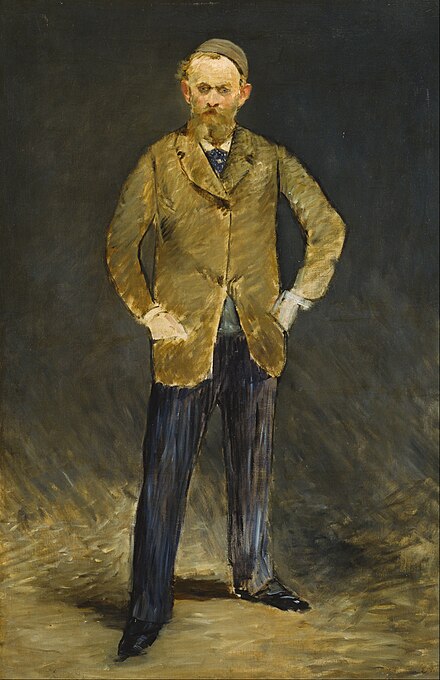
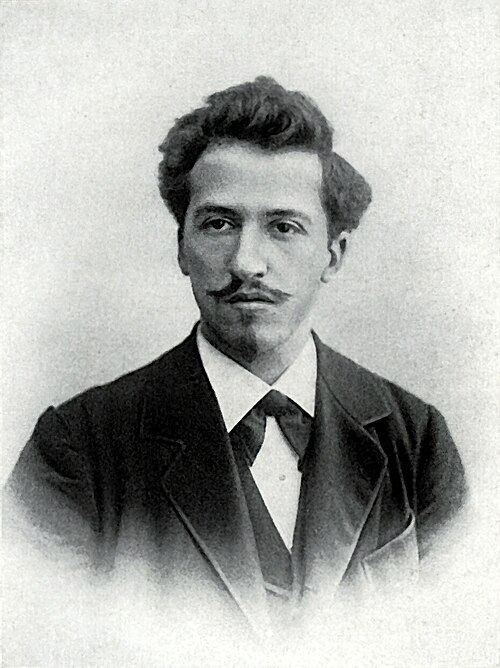
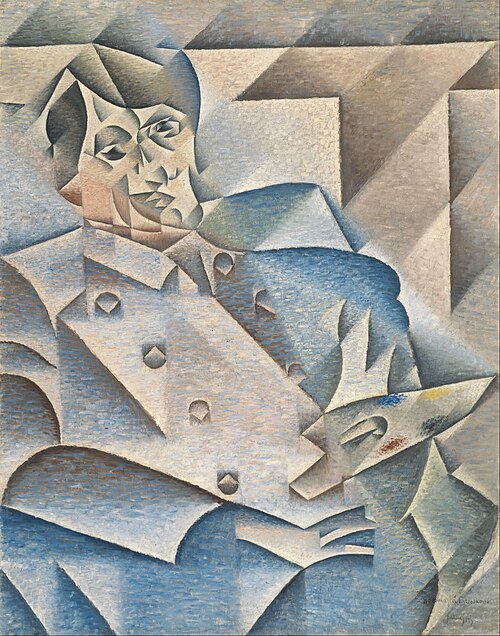
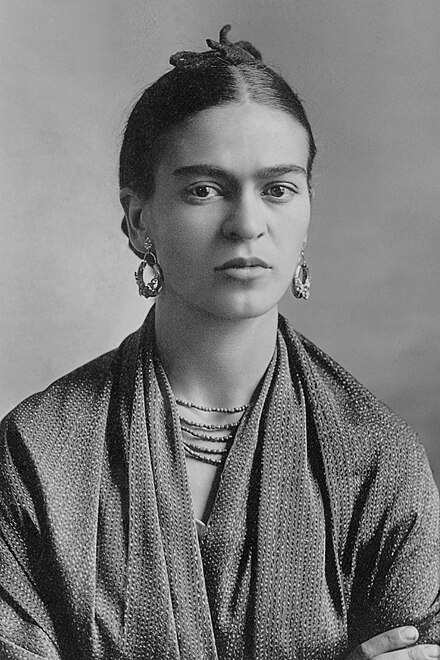
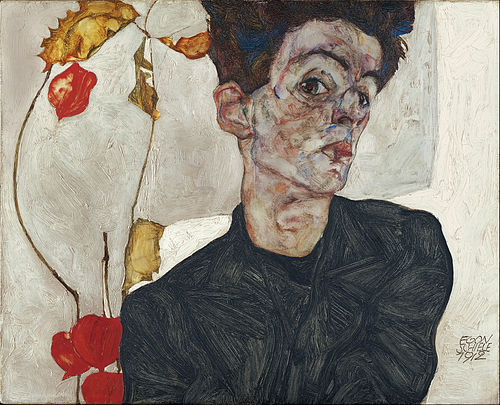
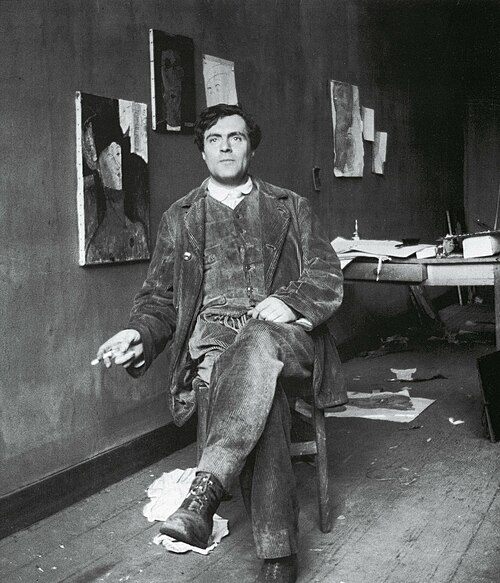
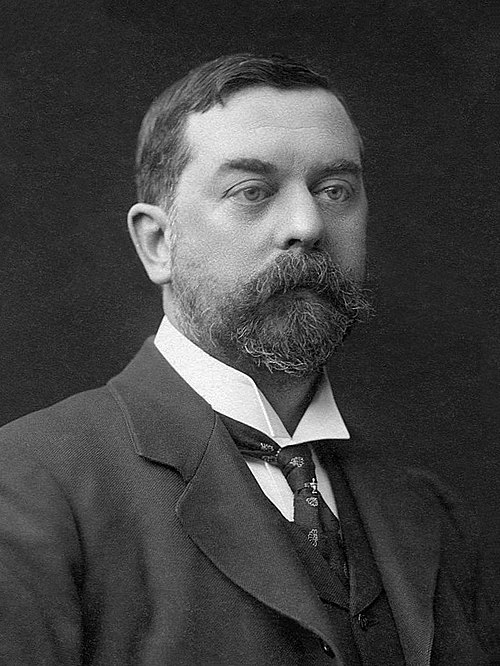
43 total
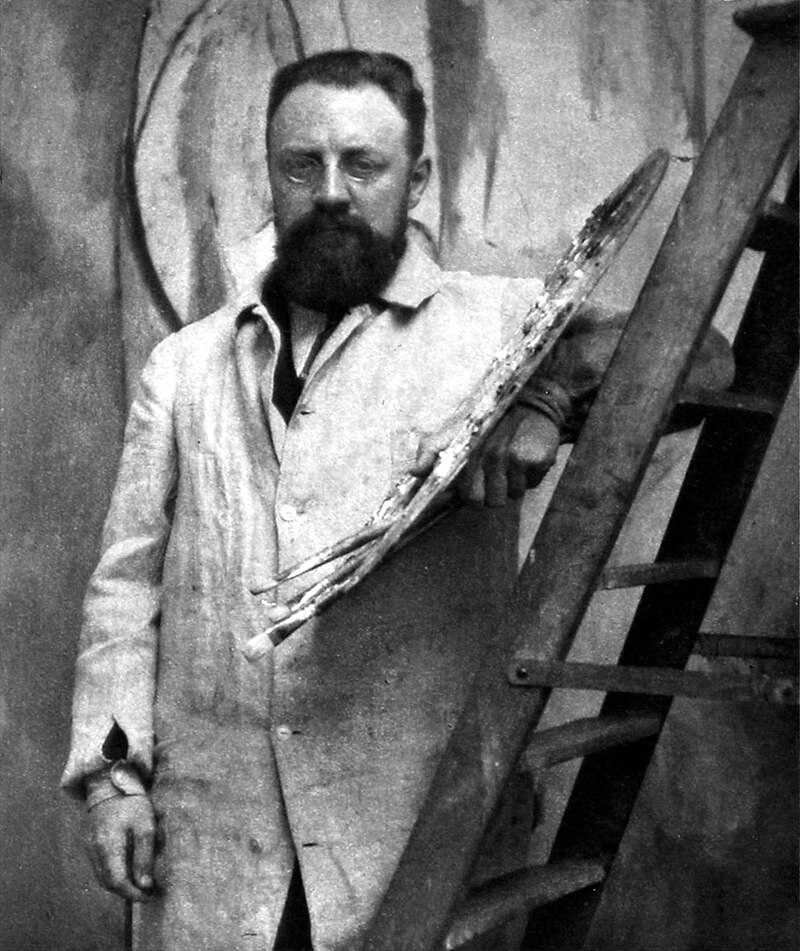
Modern Art Masterpieces
12 featured worksW
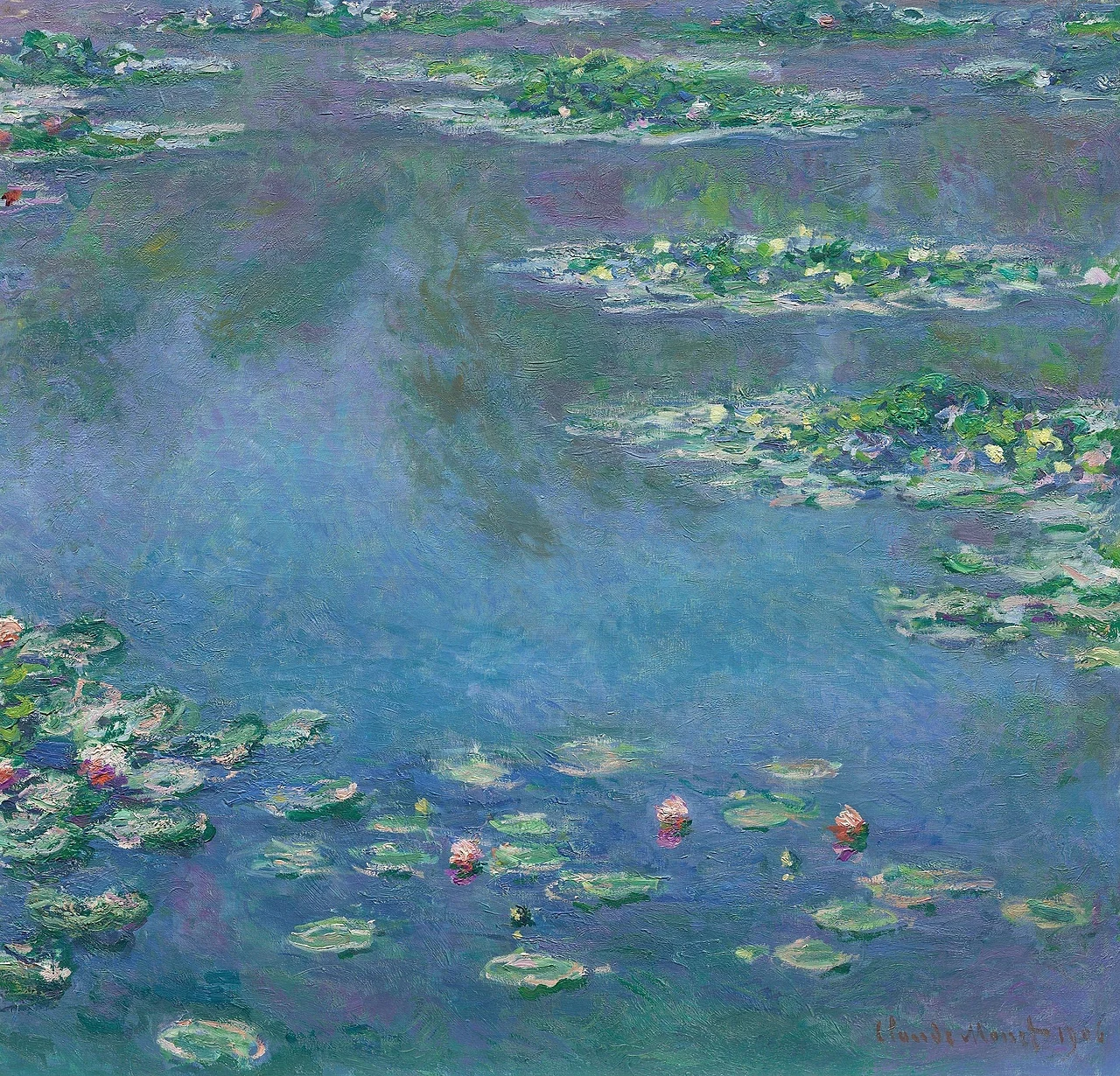
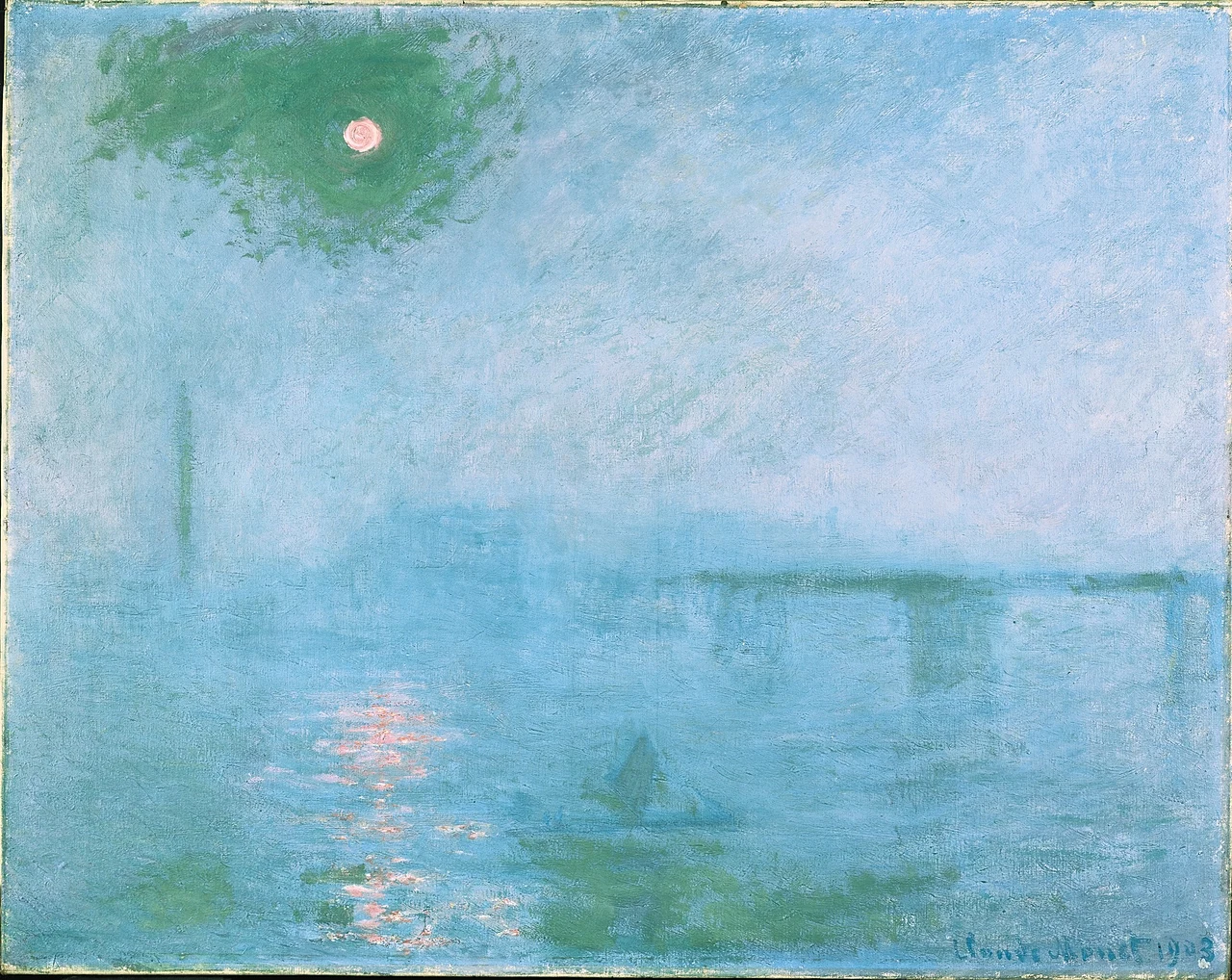
Water Lilies
Claude Monet, 1906
Museum of Modern Art (MoMA), New York
P
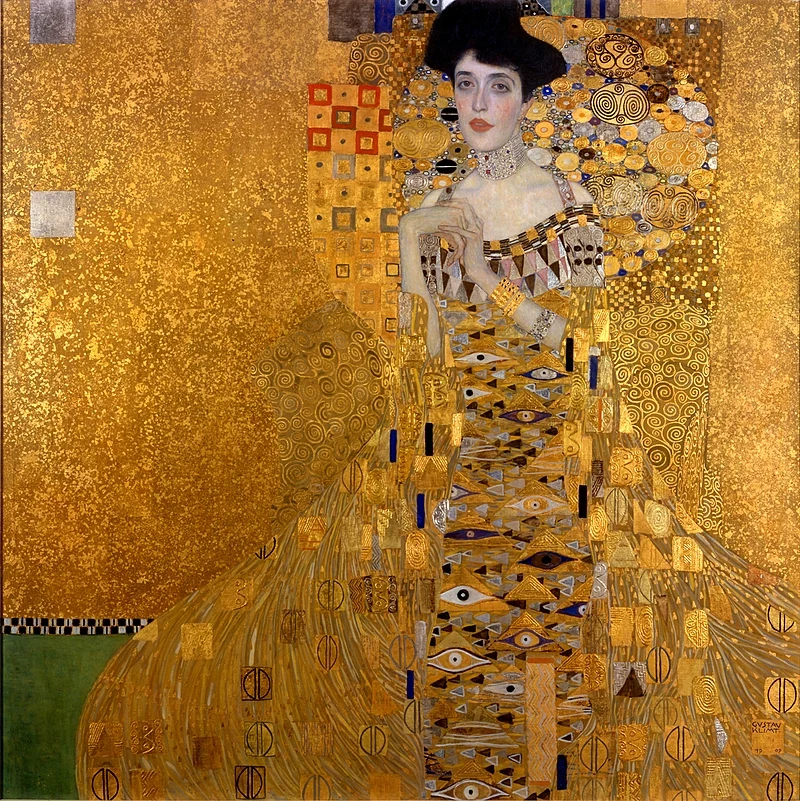
Portrait of Adele Bloch-Bauer I
Gustav Klimt, 1907
The Metropolitan Museum of Art, New York
T
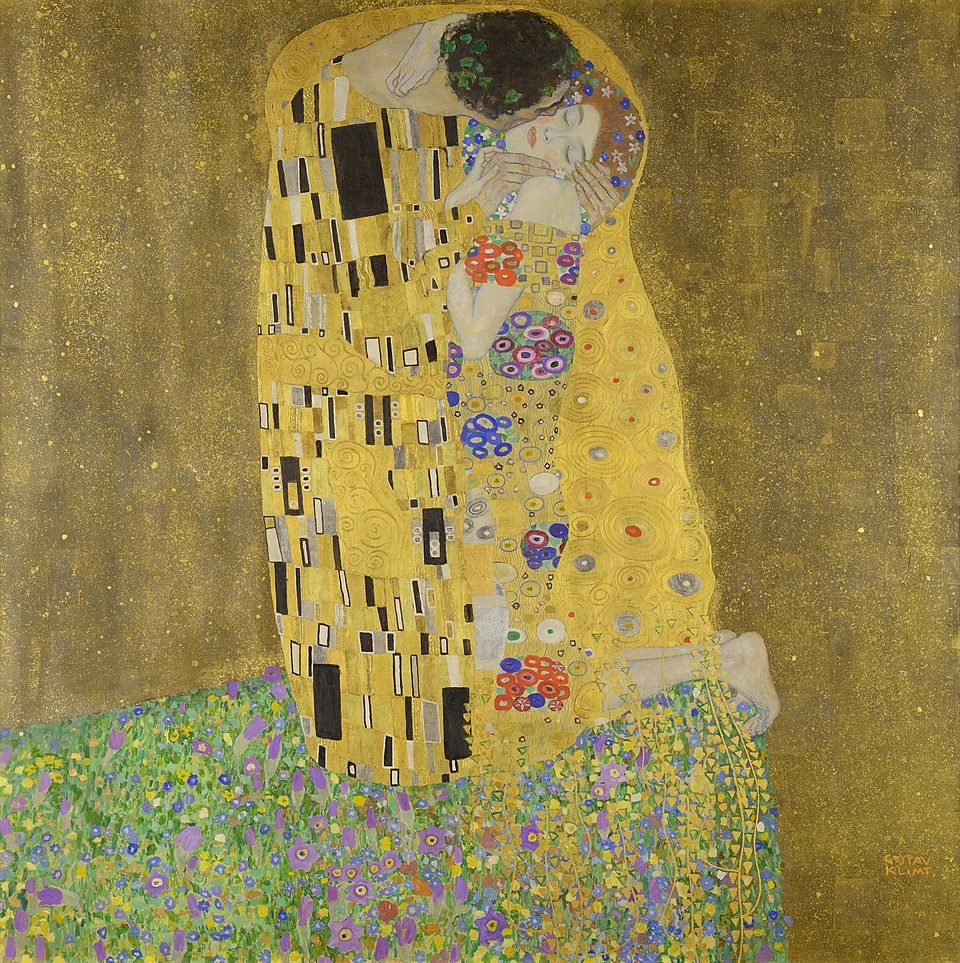
The Kiss
Gustav Klimt, 1908
Belvedere Museum, Vienna
T
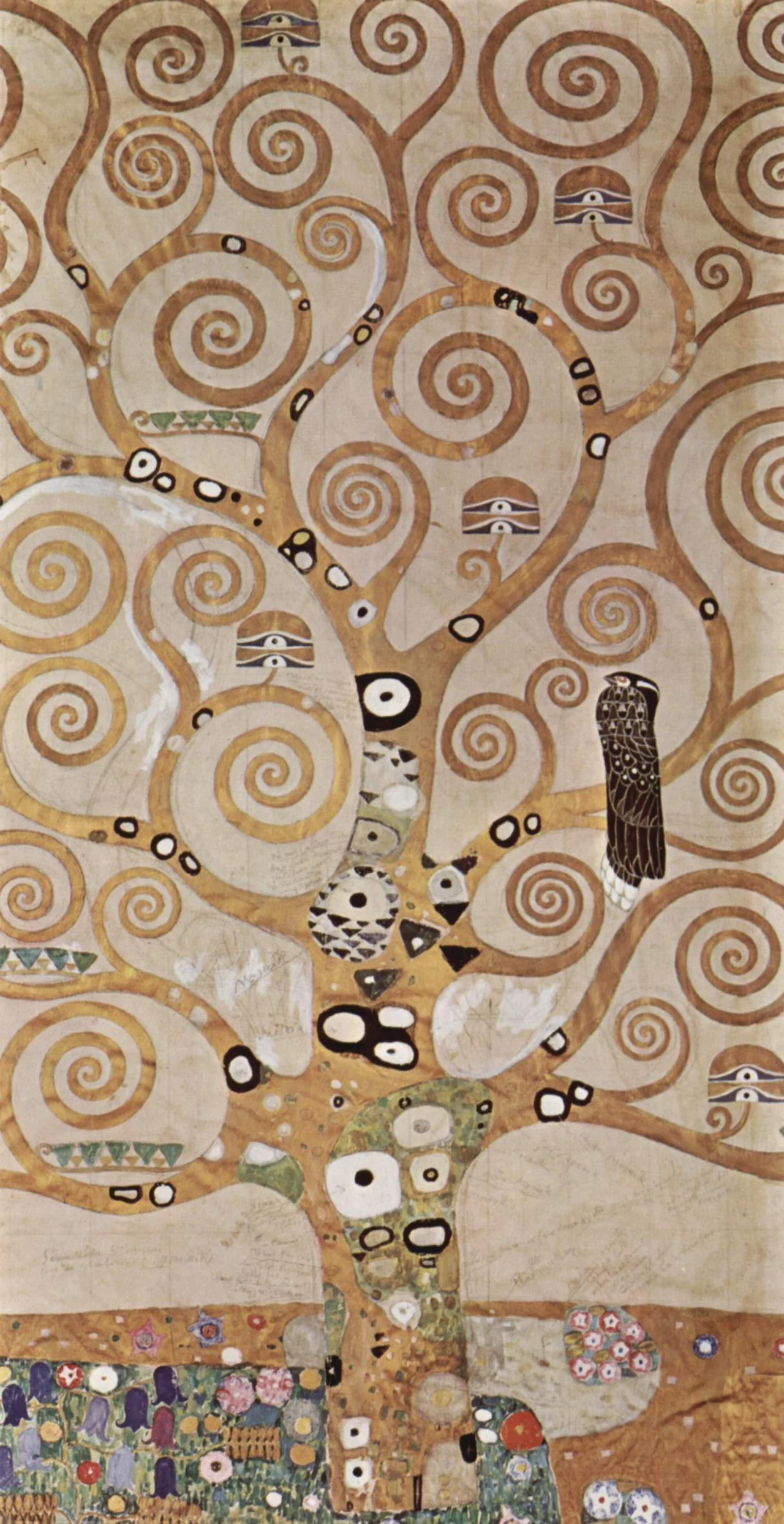
The Tree of Life
Gustav Klimt, 1909
MAK Vienna, Vienna
P
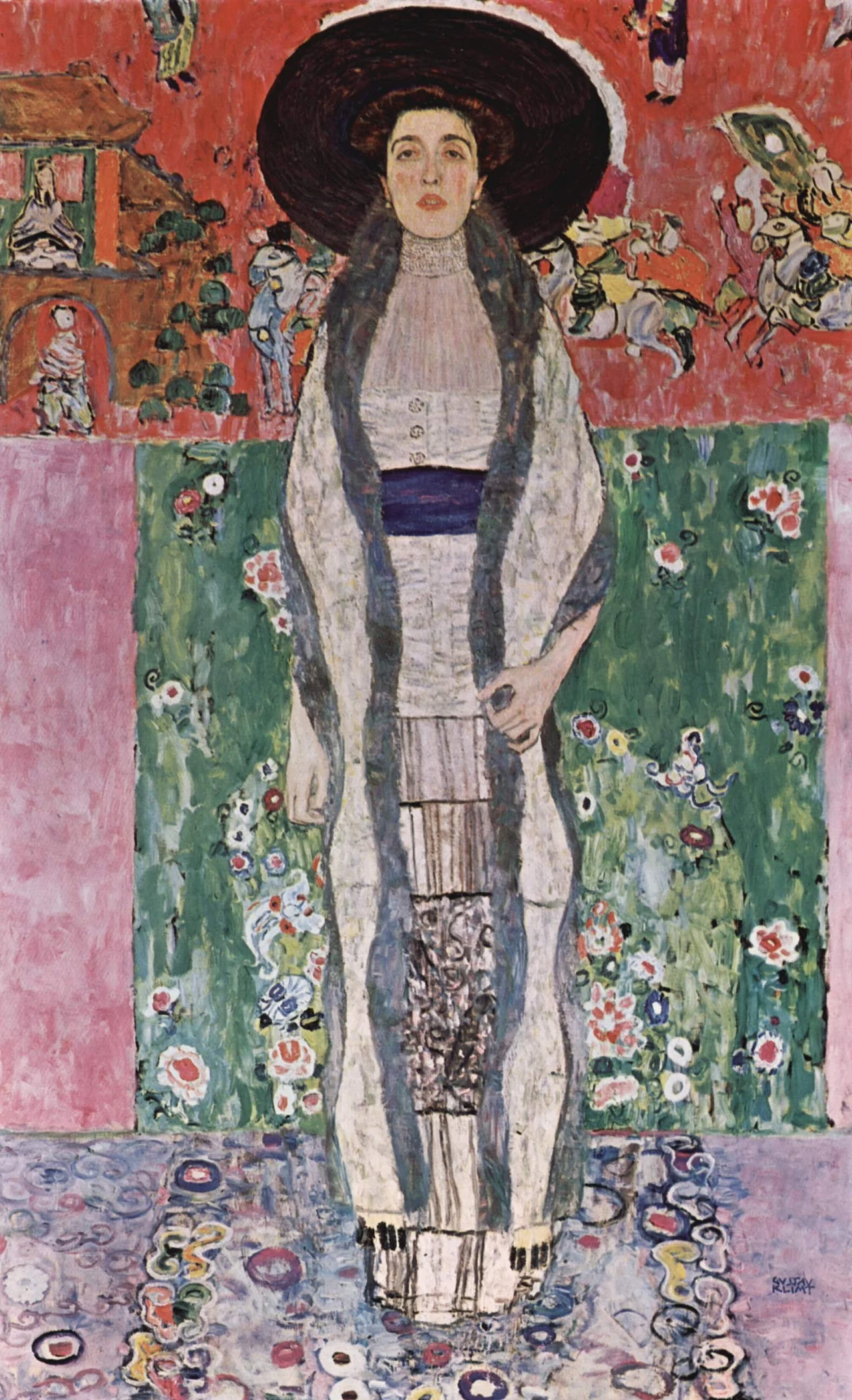
Portrait of Adele Bloch-Bauer II
Gustav Klimt, 1912
Neue Galerie, New York
D
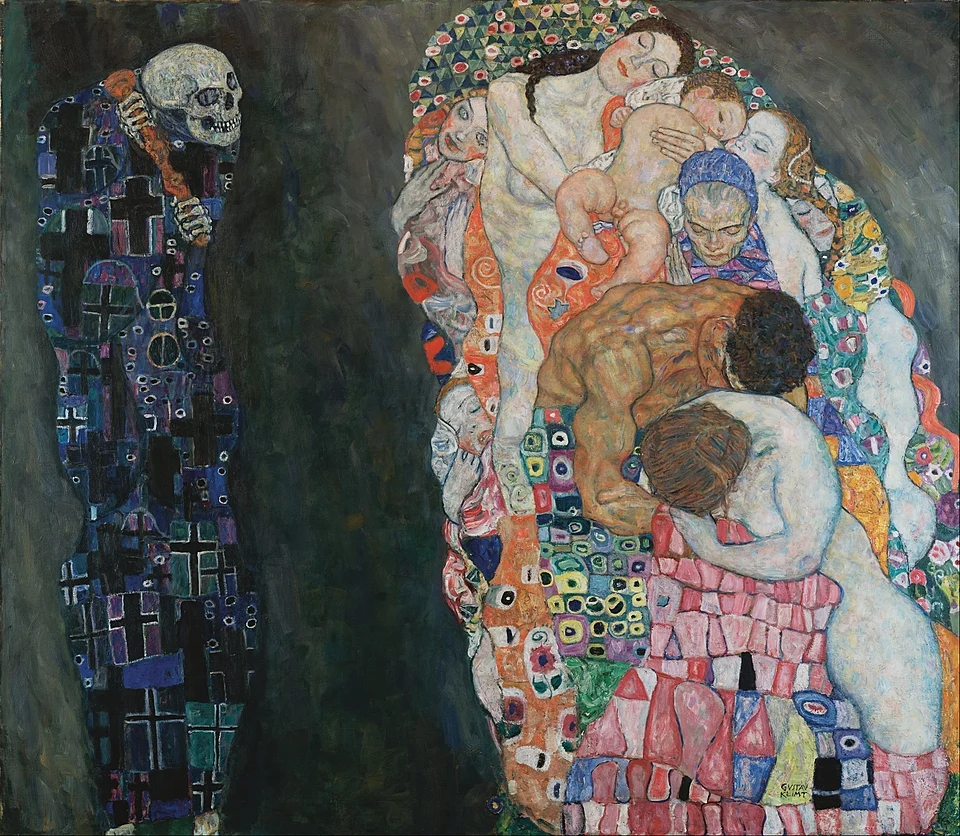
Death and Life
Gustav Klimt, 1915
Belvedere Museum, Vienna
Sculpture
A
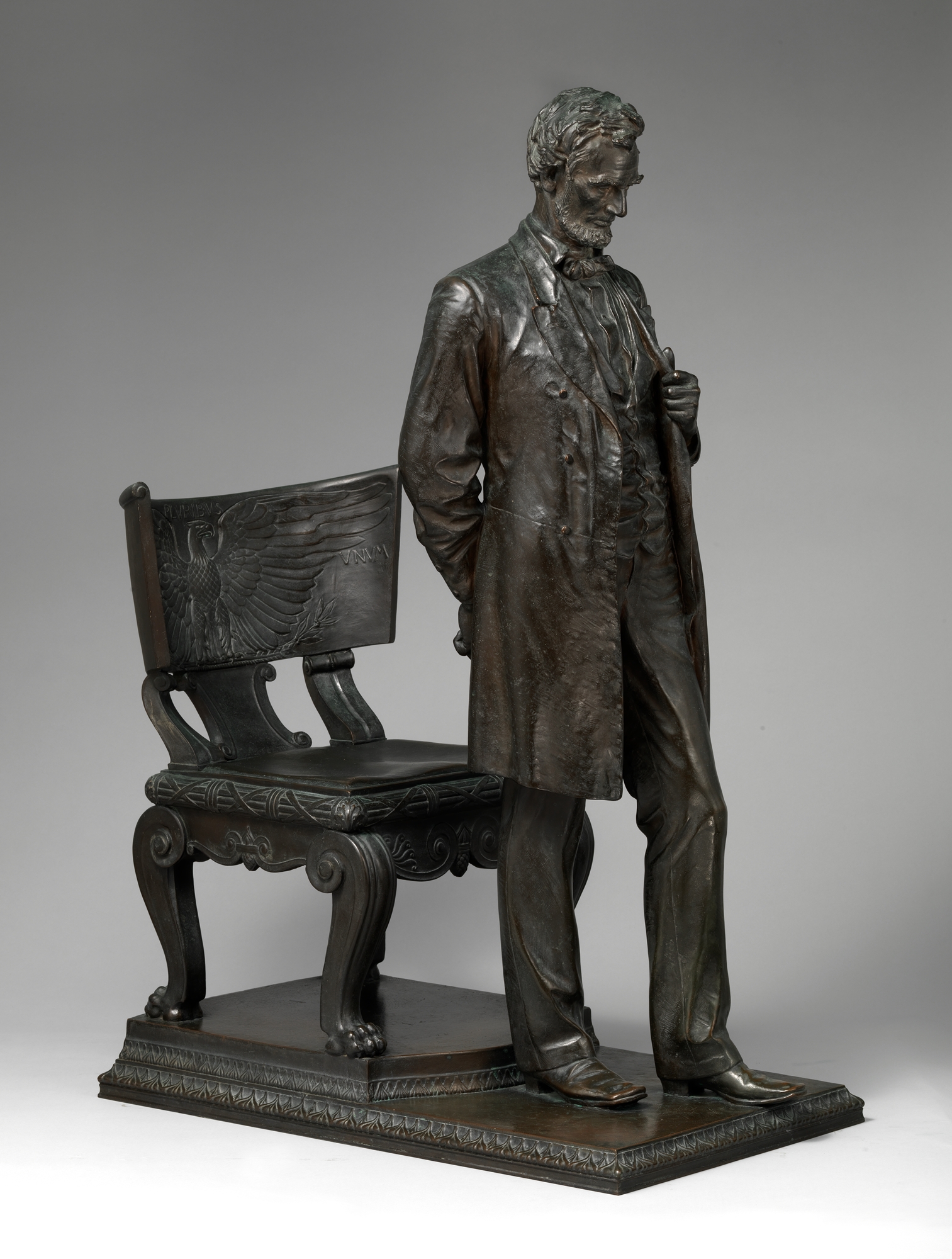
Abraham Lincoln (Lincoln Memorial)
Daniel Chester French, 1920
W
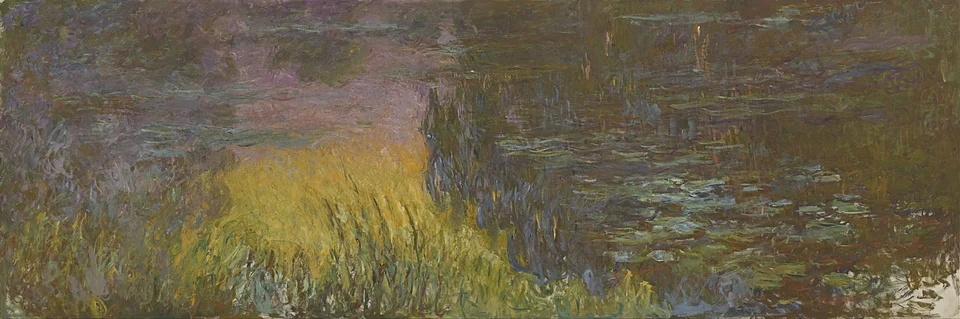
Water Lilies (Nymphéas)
Claude Monet, 1926
Musée de l'Orangerie, Paris
A
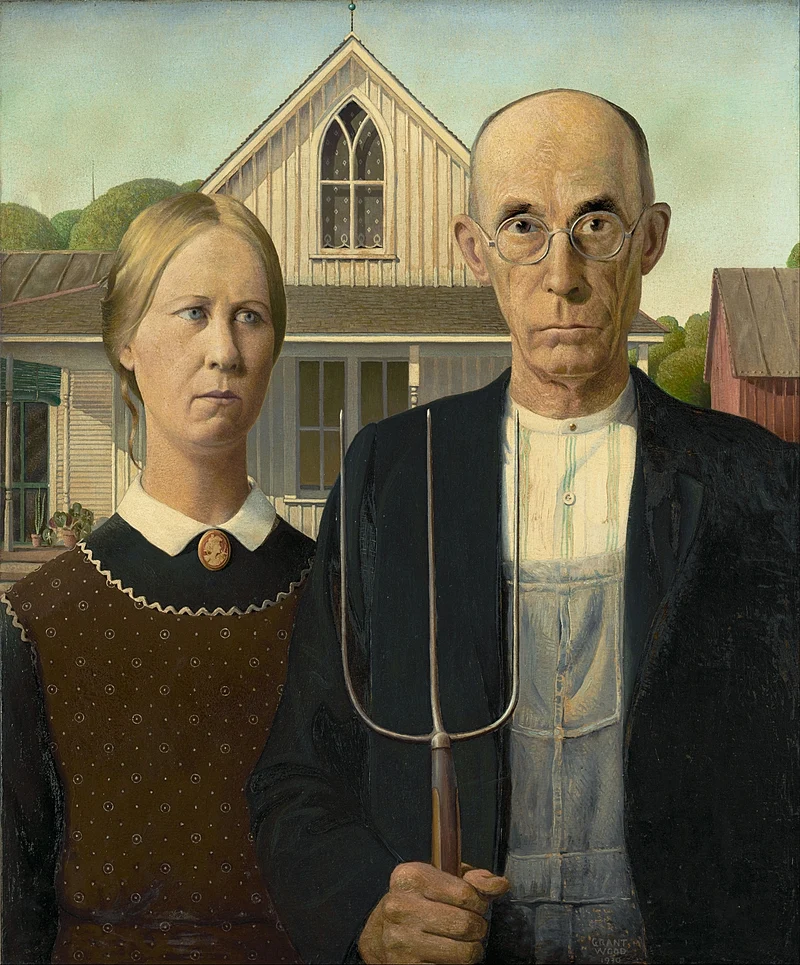
American Gothic
Grant Wood, 1930
Art Institute of Chicago, Chicago
Sculpture
C
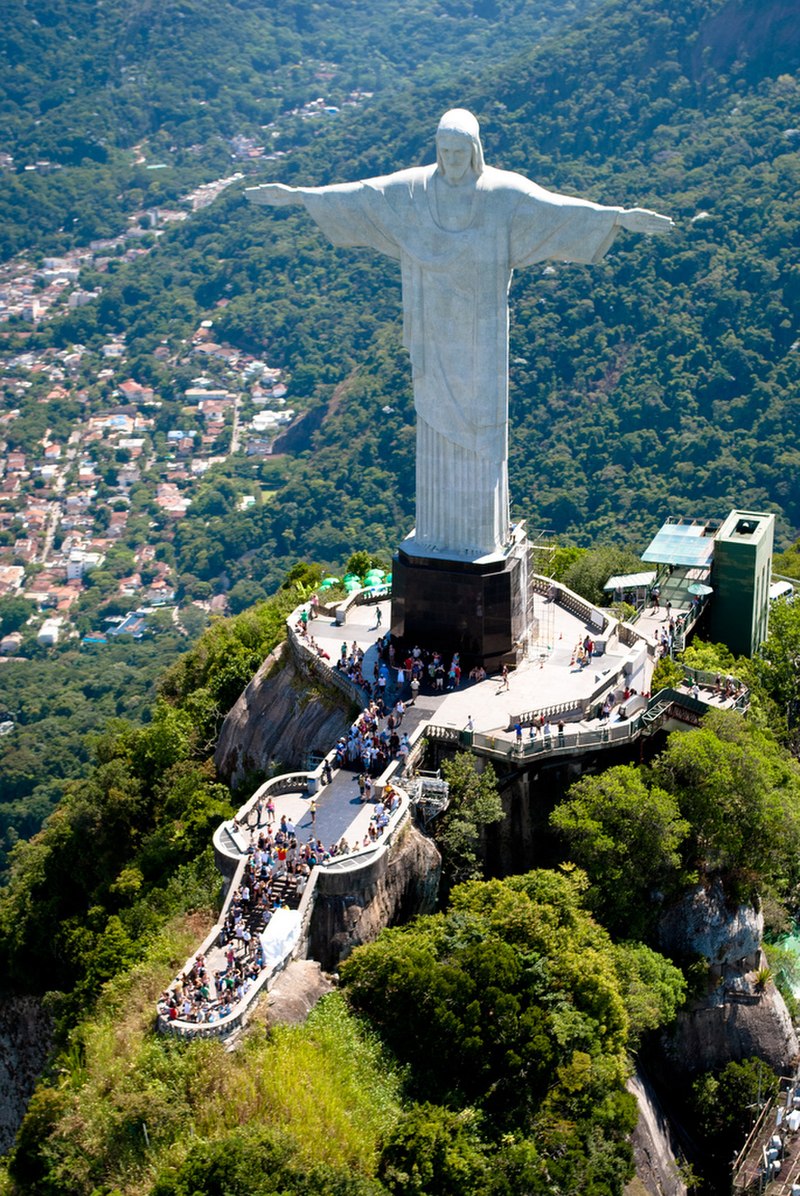
Christ the Redeemer
Paul Landowski, 1931
G
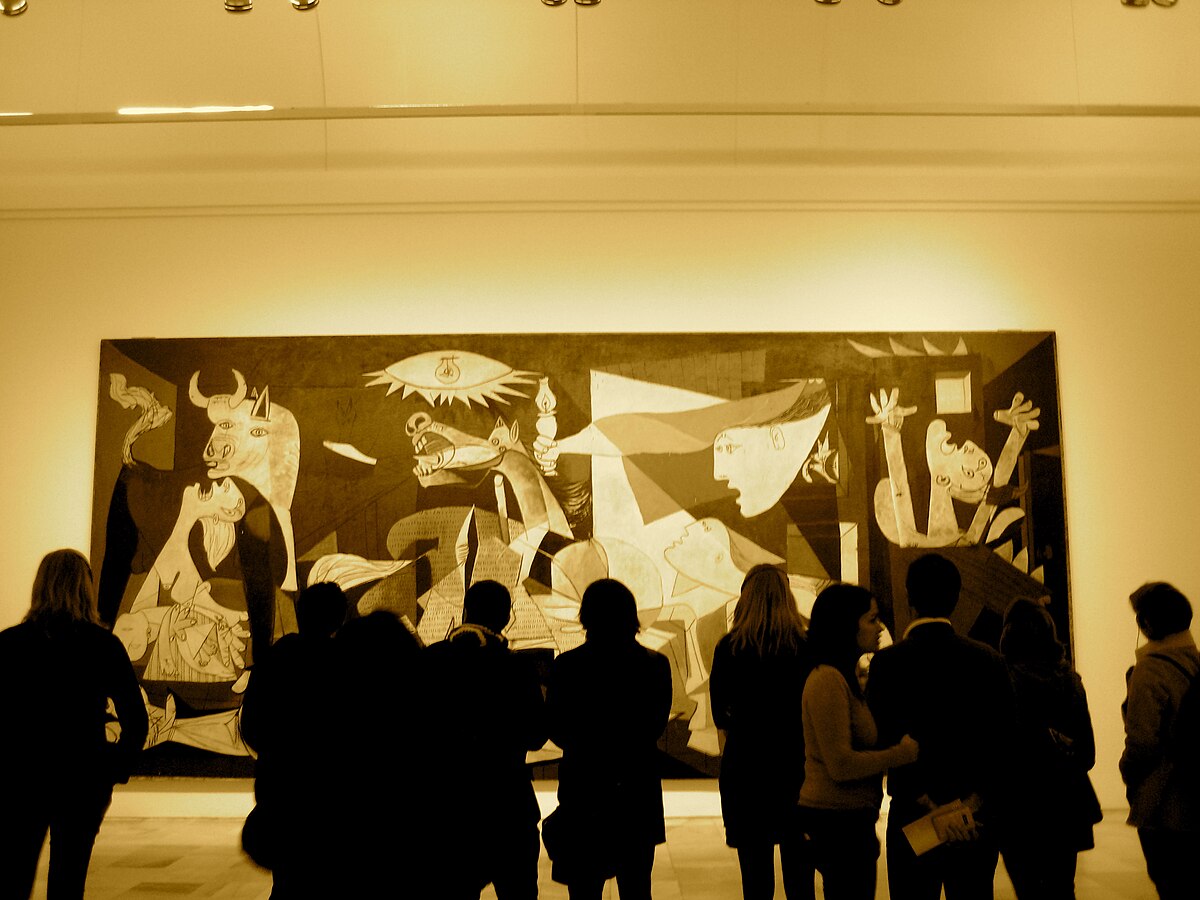
Guernica
Pablo Picasso, 1937
Museo Reina Sofía, Madrid
Sculpture
M
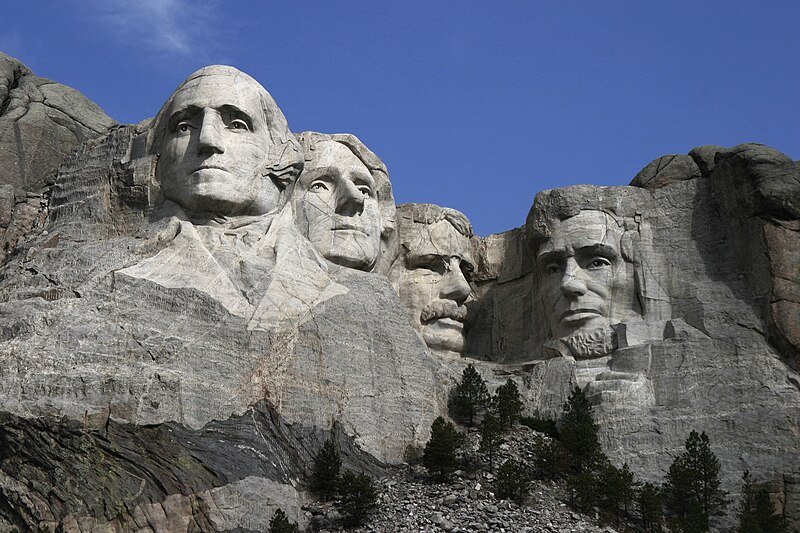
Mount Rushmore
Gutzon Borglum, 1941
About Modern Art
Modern art (roughly 1900-1970) rejected traditional techniques in favor of experimentation. Movements like Cubism, Expressionism, Surrealism, and Abstract Expressionism questioned what art could be and do.
Titans of Modern art include Pablo Picasso (Cubism), Henri Matisse (Fauvism), Salvador Dalí (Surrealism), Jackson Pollock (Abstract Expressionism), and Wassily Kandinsky (pure abstraction).
Cubism was pioneered by Picasso and Georges Braque around 1907. It shows objects from multiple viewpoints simultaneously, fragmenting reality into geometric planes. Cubism influenced virtually every subsequent Modern art movement.
Abstract Expressionism emerged in New York after World War II. Artists like Jackson Pollock (drip paintings) and Mark Rothko (color fields) created abstract art emphasizing gesture, emotion, and monumental scale.
The Museum of Modern Art (MoMA) in New York has the world's premier collection. The Centre Pompidou in Paris, Tate Modern in London, and the Guggenheim museums hold major Modern art collections.
Bring Modern Art Home
Luxury art prints inspired by these iconic masterpieces. Museum-quality canvas for your walls.
Shop Modern Art Art