1940 – 1960
Abstract Expressionism
Abstract Expressionism was the first American art movement to achieve international dominance. Emerging in New York after World War II, artists like Jackson Pollock, Mark Rothko, and Willem de Kooning created monumental canvases that emphasized gesture, emotion, and the act of painting itself.
Two main approaches defined the movement. Action painters like Pollock and Franz Kline used energetic, physical gestures, dripping and splashing paint. Color Field painters like Rothko and Barnett Newman created vast expanses of luminous color designed to envelop viewers in contemplative experience. Both rejected European tradition for something raw and American.
The movement flourished in a specific milieu: the Cedar Tavern bar, the Club for artists' discussions, and galleries on Manhattan's 10th Street. Pollock's drip paintings and Rothko's hovering rectangles became icons of postwar American culture. Major collections exist at the MoMA, the Whitney, and the National Gallery of Art in Washington.
What to Look For
Spotting Abstract Expressionism art in museums and galleries:
- 1Very large canvases meant to engulf and overwhelm the viewer
- 2No recognizable subject matter, pure abstraction
- 3Drips, splatters, and poured paint (Pollock)
- 4Bold, sweeping brushstrokes showing physical gesture
- 5Hovering rectangles of luminous color (Rothko)
- 6Black and white compositions with aggressive marks (Kline)
- 7Raw, unfinished edges and exposed canvas
- 8Sense of spontaneous, emotional intensity in the paint application
At a Glance
- Period
- 1940 – 1960
- Artists
- 6
- Artworks
- 56
Defining Features
Large scaleGestural brushstrokesNon-representationalEmotional intensitySpontaneous creation
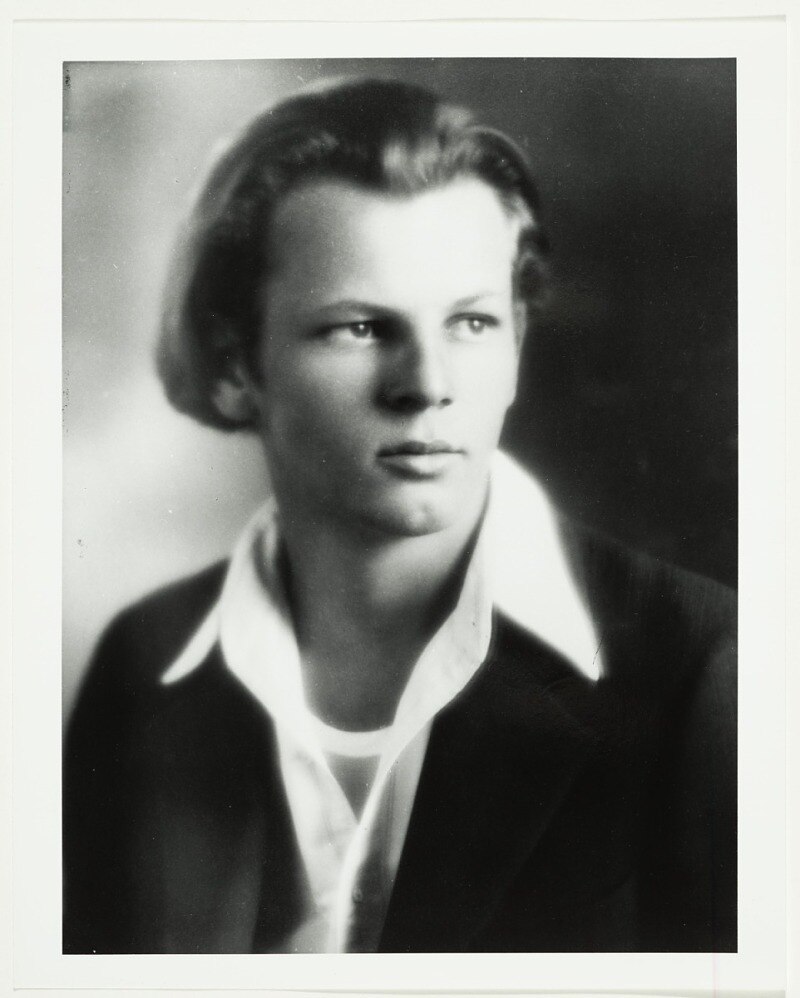
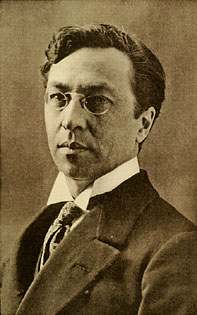
Abstract Expressionism Artists
6 artists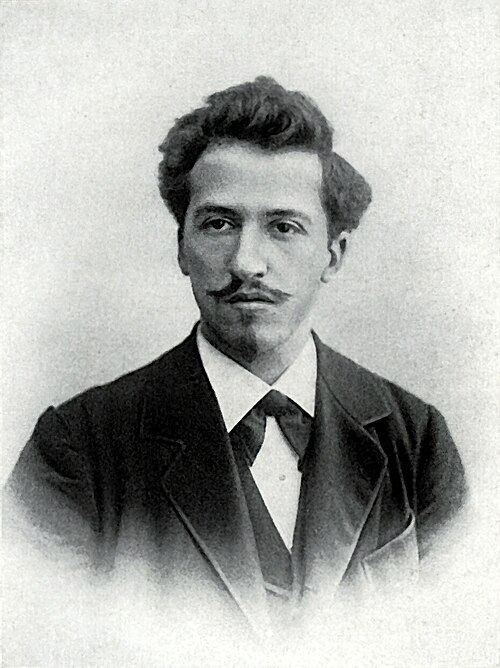
Abstract Expressionism Masterpieces
12 works
About Abstract Expressionism
Abstract Expressionism (1940s-1960s) was the first major American art movement. Artists like Jackson Pollock and Mark Rothko created large-scale abstract works emphasizing gesture, emotion, and the physical act of painting.
Key figures include Jackson Pollock (drip paintings), Mark Rothko (color fields), Willem de Kooning, Franz Kline (bold black gestures), Barnett Newman, and Clyfford Still.
The MoMA New York has major Pollock and Rothko works. The Whitney Museum focuses on American art including Abstract Expressionism. The National Gallery of Art in Washington and Tate Modern London also have important collections.
Abstract Expressionism shifted the art world's center from Paris to New York. It proved American art could lead internationally and opened doors for Pop Art, Minimalism, and Conceptual art. The movement established the heroic, large-scale abstract canvas as a serious art form.
Bring Abstract Expressionism Home
Luxury decor featuring museum-quality canvas prints inspired by these iconic masterpieces.
Shop Abstract Expressionism Art