1400 – 1600
Renaissance
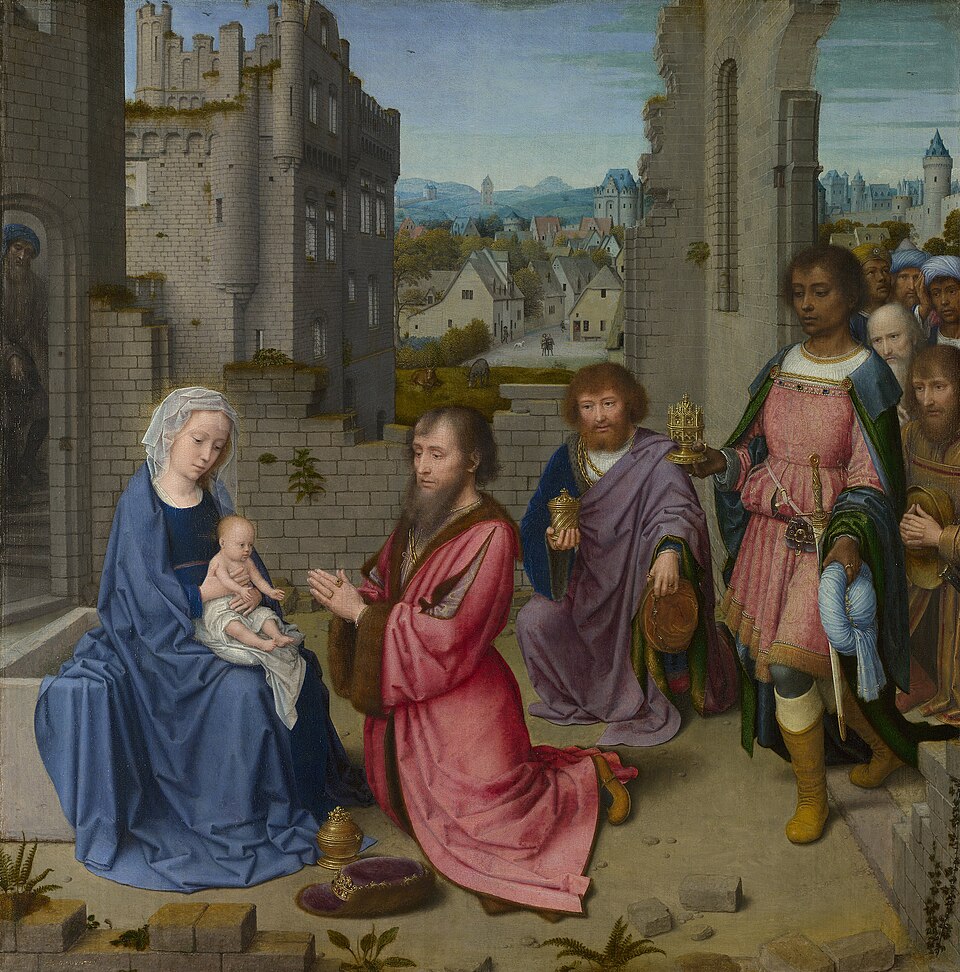
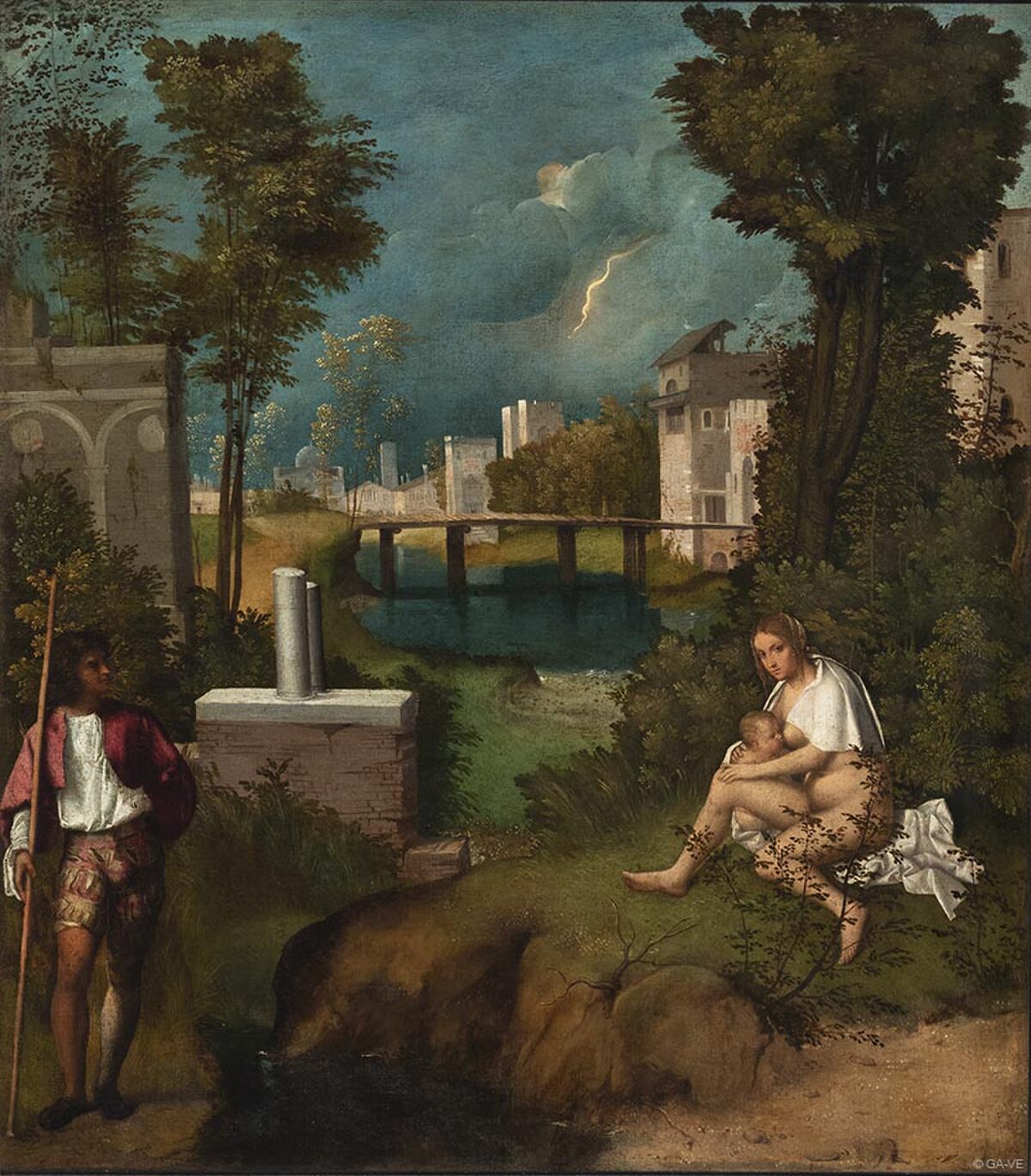
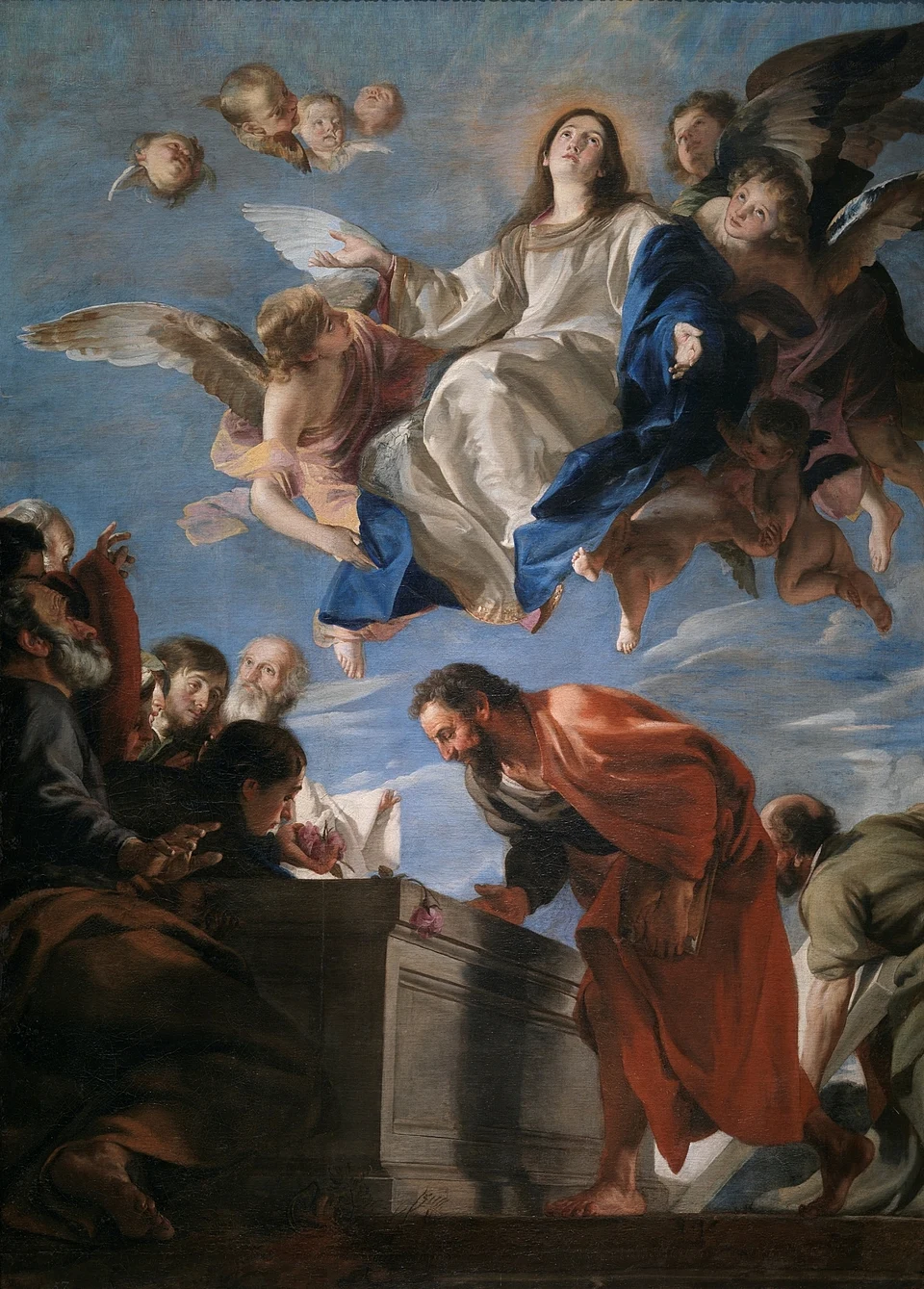
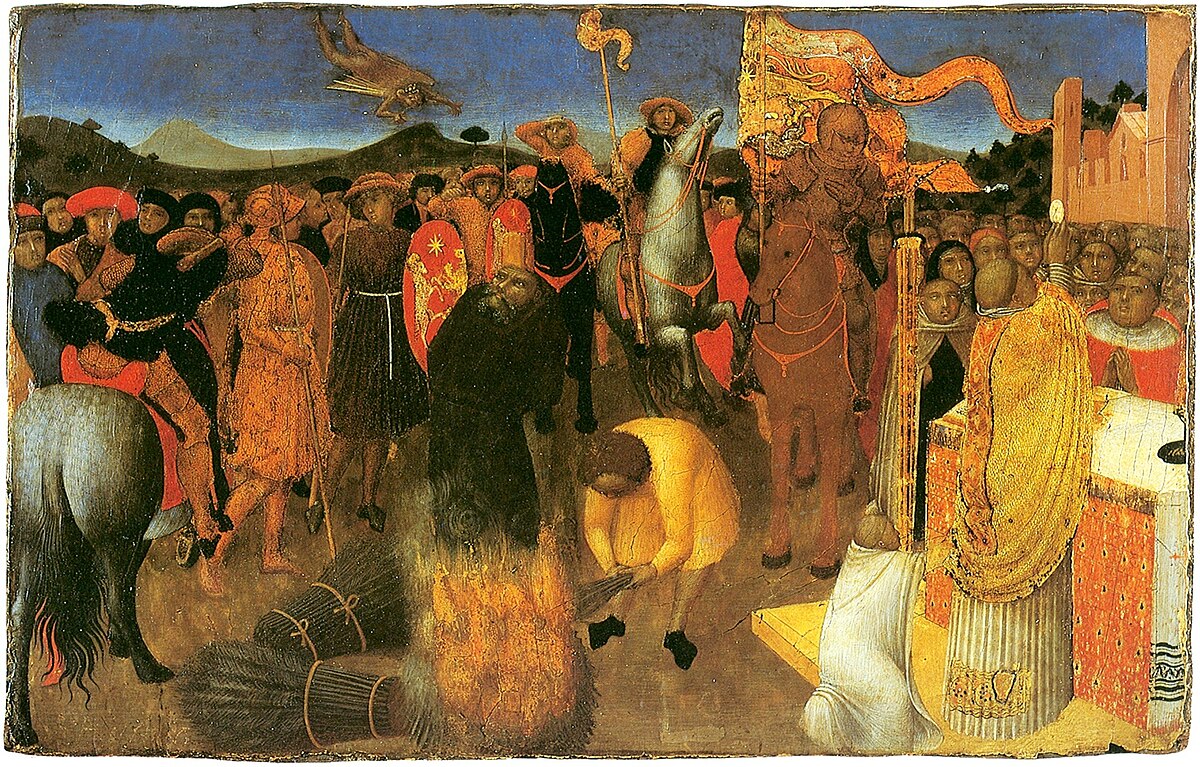
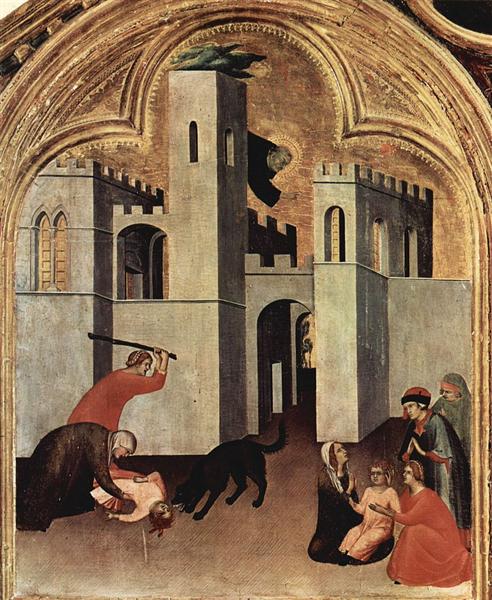
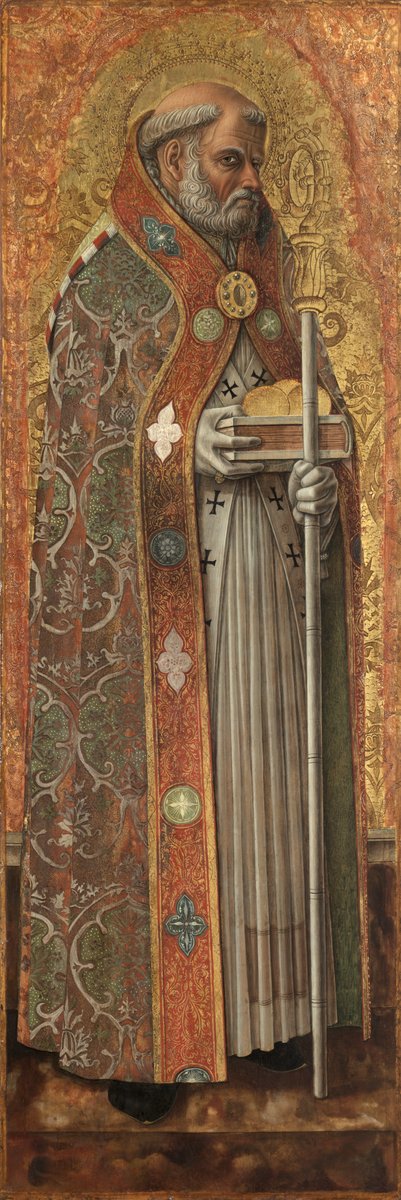
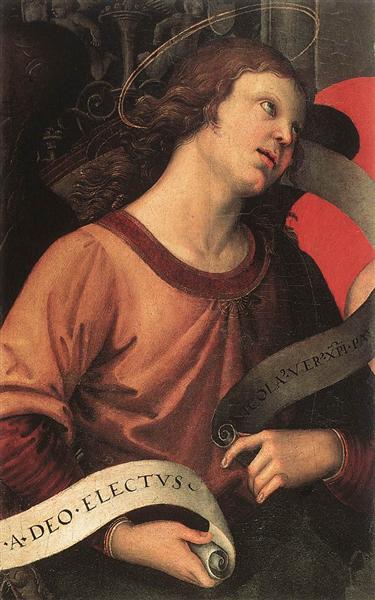
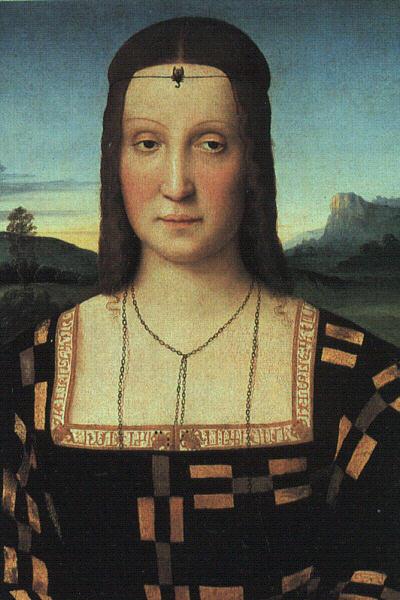
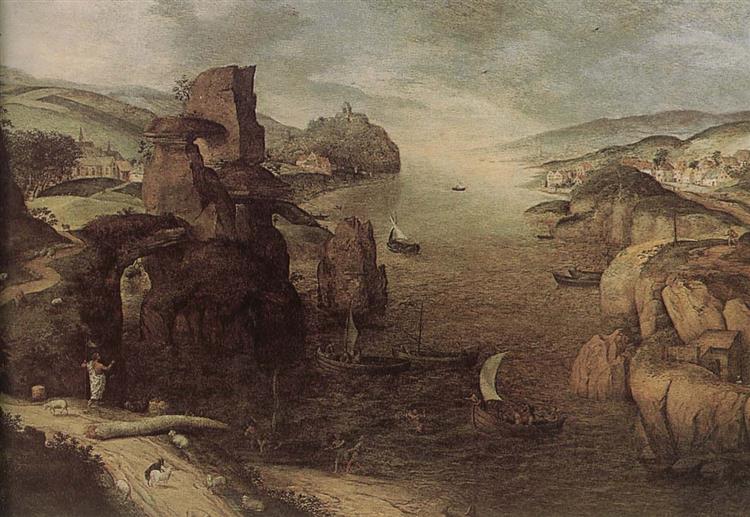
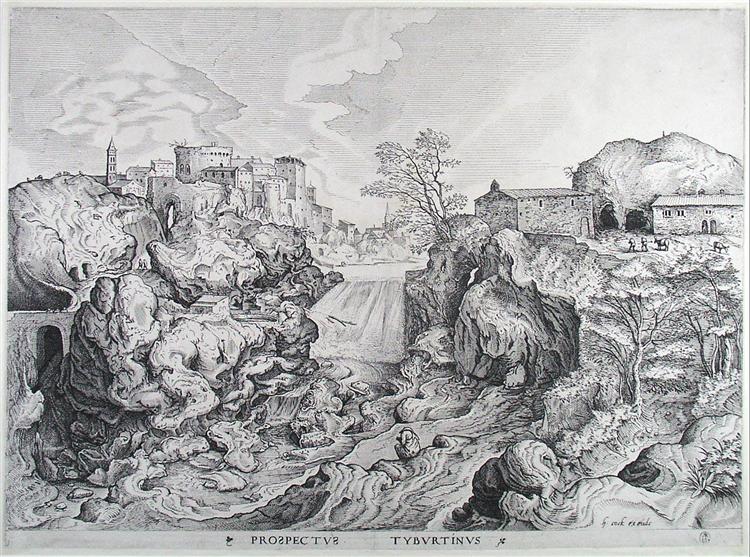
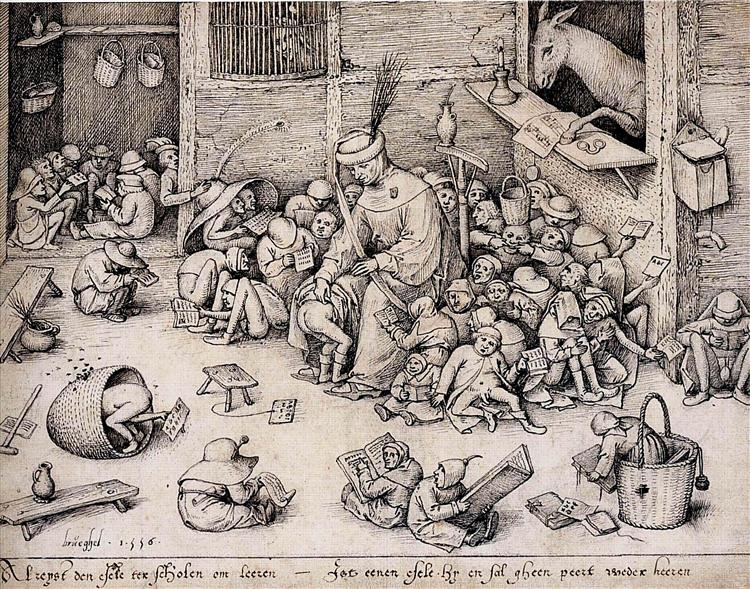
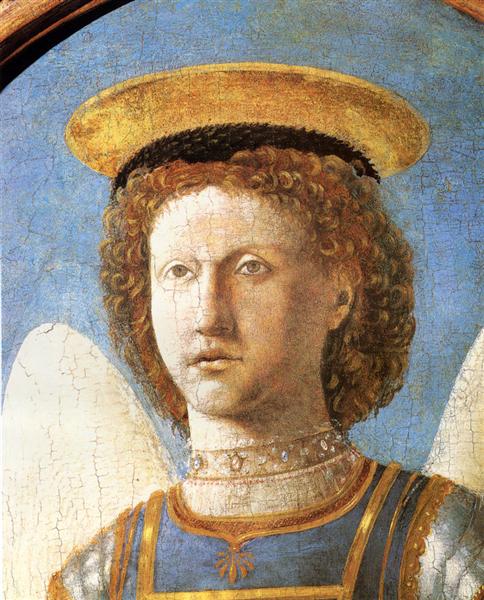
The Renaissance transformed European art from roughly 1400 to 1600, centered first in Florence and later spreading to Rome, Venice, and beyond. Artists rediscovered classical Greek and Roman principles, developing new techniques like linear perspective and anatomical accuracy. Leonardo da Vinci, Michelangelo, and Raphael became the movement's towering figures.
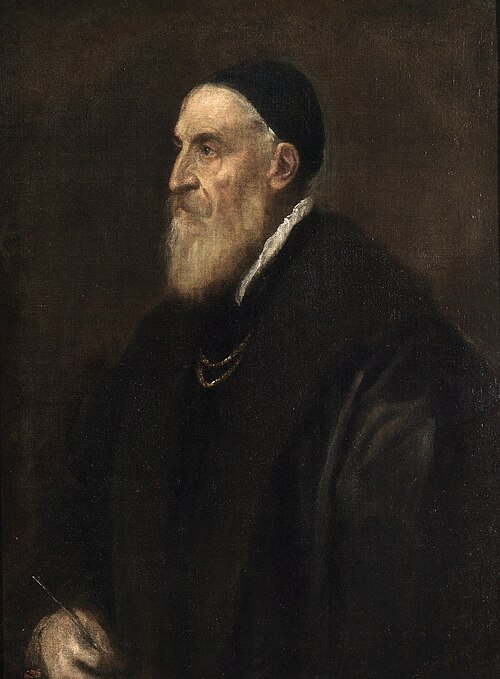
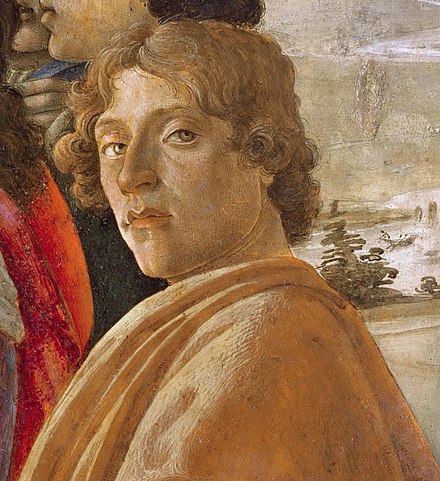
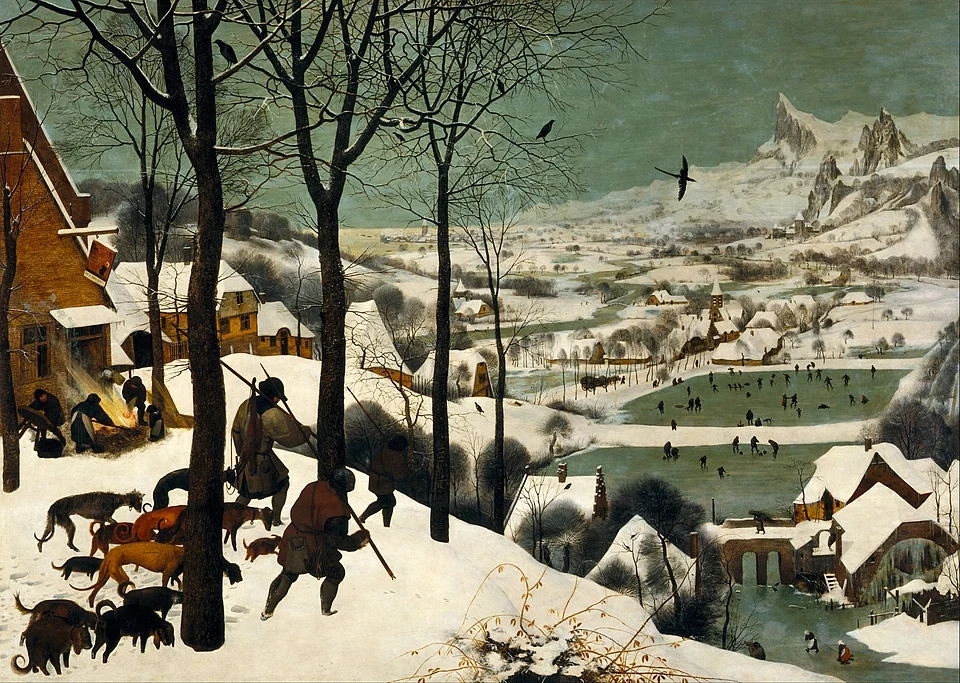
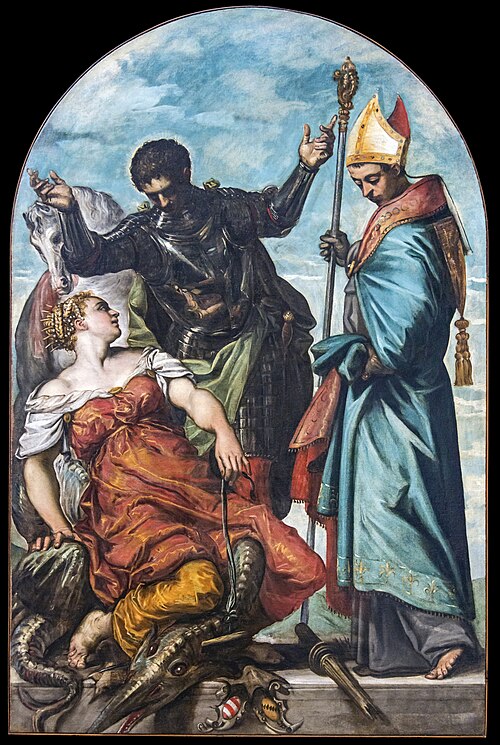
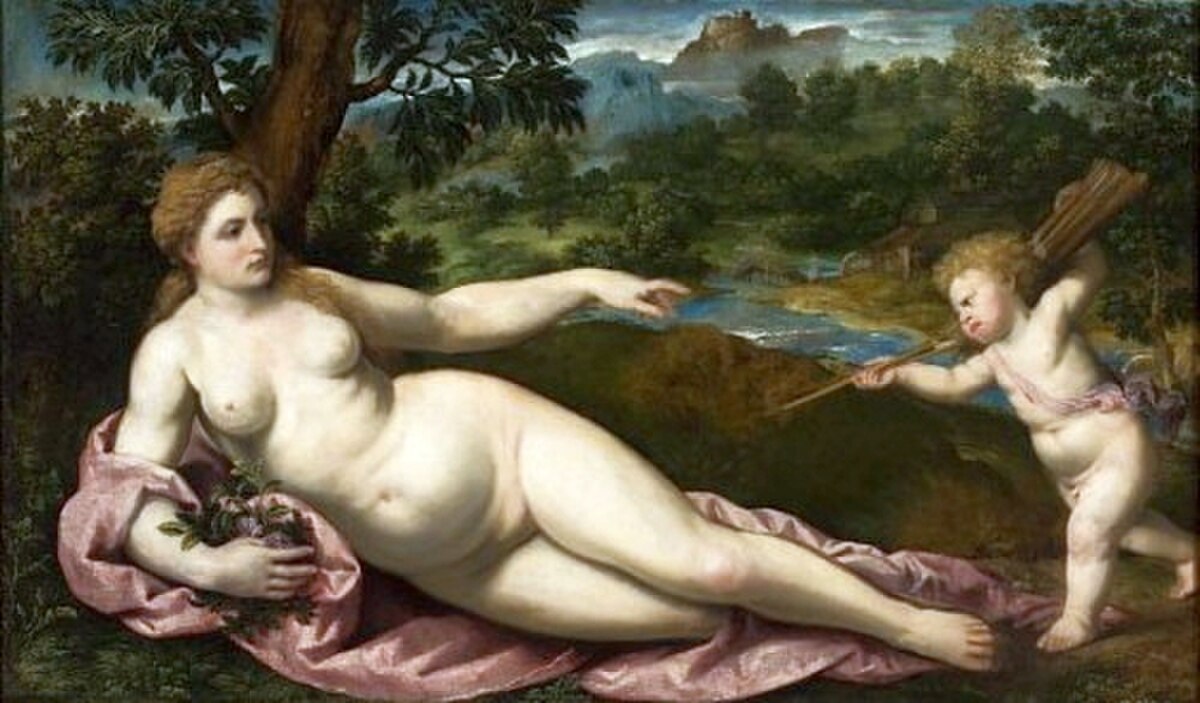
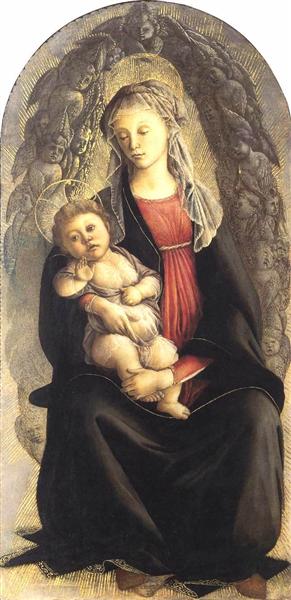
Florence's Medici family bankrolled much of this explosion. Wealthy patrons competed for the best artists, who became celebrities for the first time in Western history. Botticelli's graceful mythological scenes, Titian's rich Venetian colors, and Leonardo's sfumato technique (soft, smoky transitions between tones) defined the era. Oil painting, imported from Northern Europe, allowed for luminous glazes impossible with tempera.
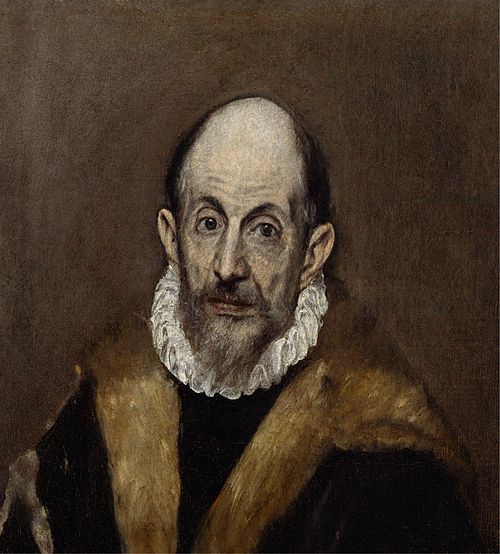
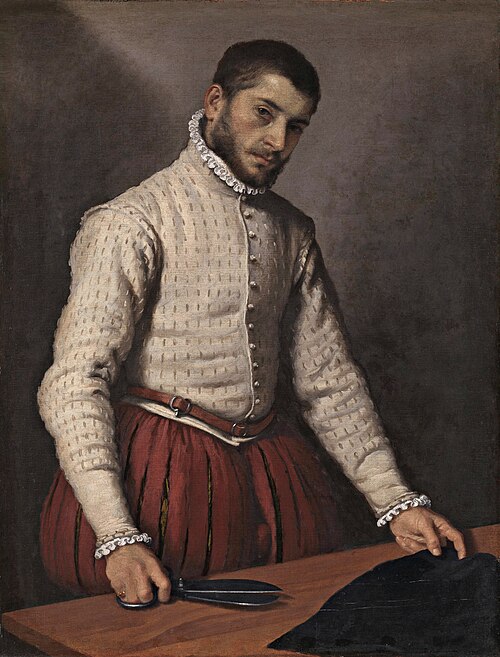
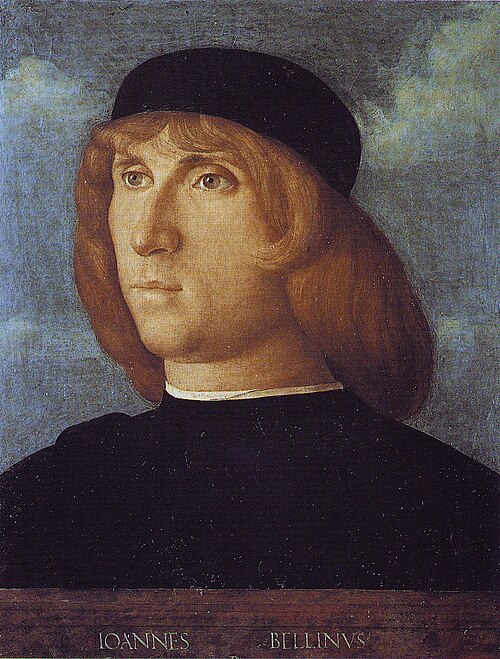
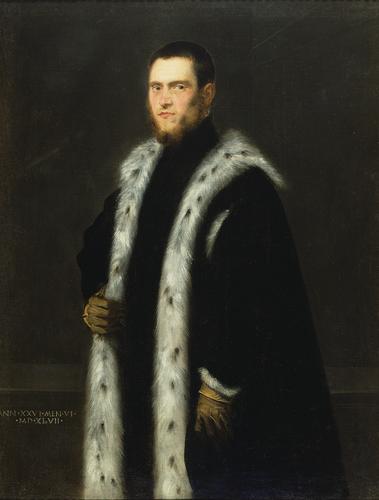
The Renaissance wasn't just about technique. Humanism placed mankind at the center of inquiry, and portraits flourished alongside religious subjects. Artists investigated anatomy by dissecting corpses, studied mathematics for perspective, and viewed painting as an intellectual pursuit rather than mere craft. Works from this period hang in the Uffizi Gallery, the Louvre, and the Vatican Museums.
What to Look For
Spotting Renaissance art in museums and galleries:
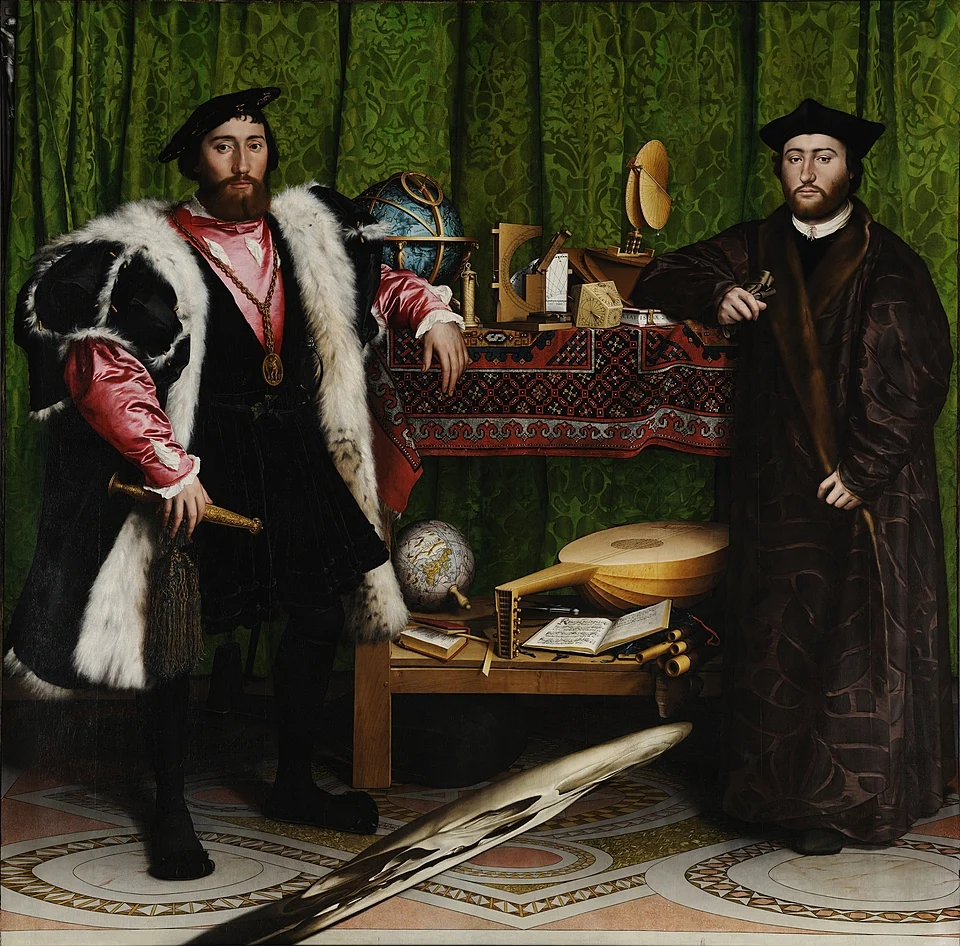
- 1Converging lines in floors, ceilings, and architecture (linear perspective)
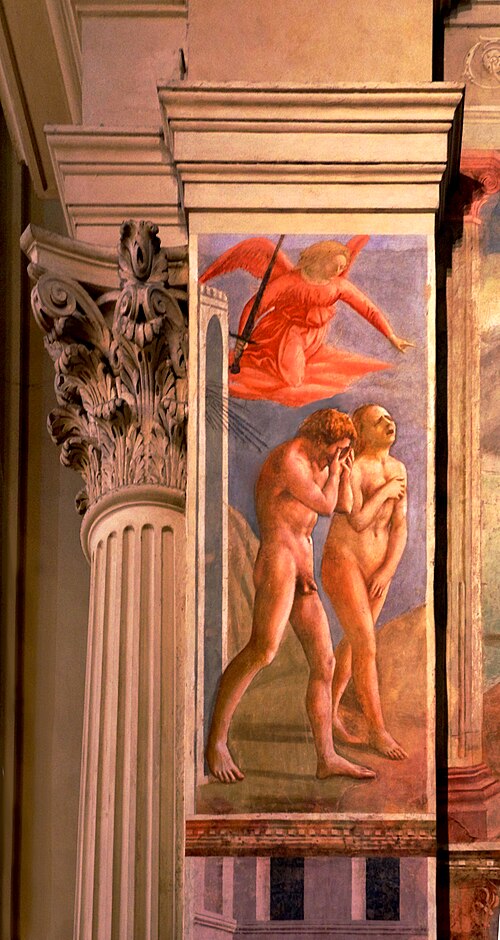
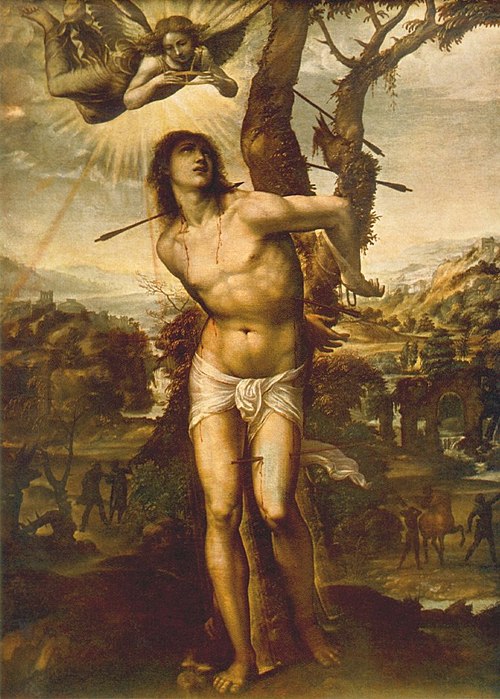
- 2Realistic human anatomy with defined muscles and natural poses
- 3Soft, hazy edges between light and shadow (sfumato)
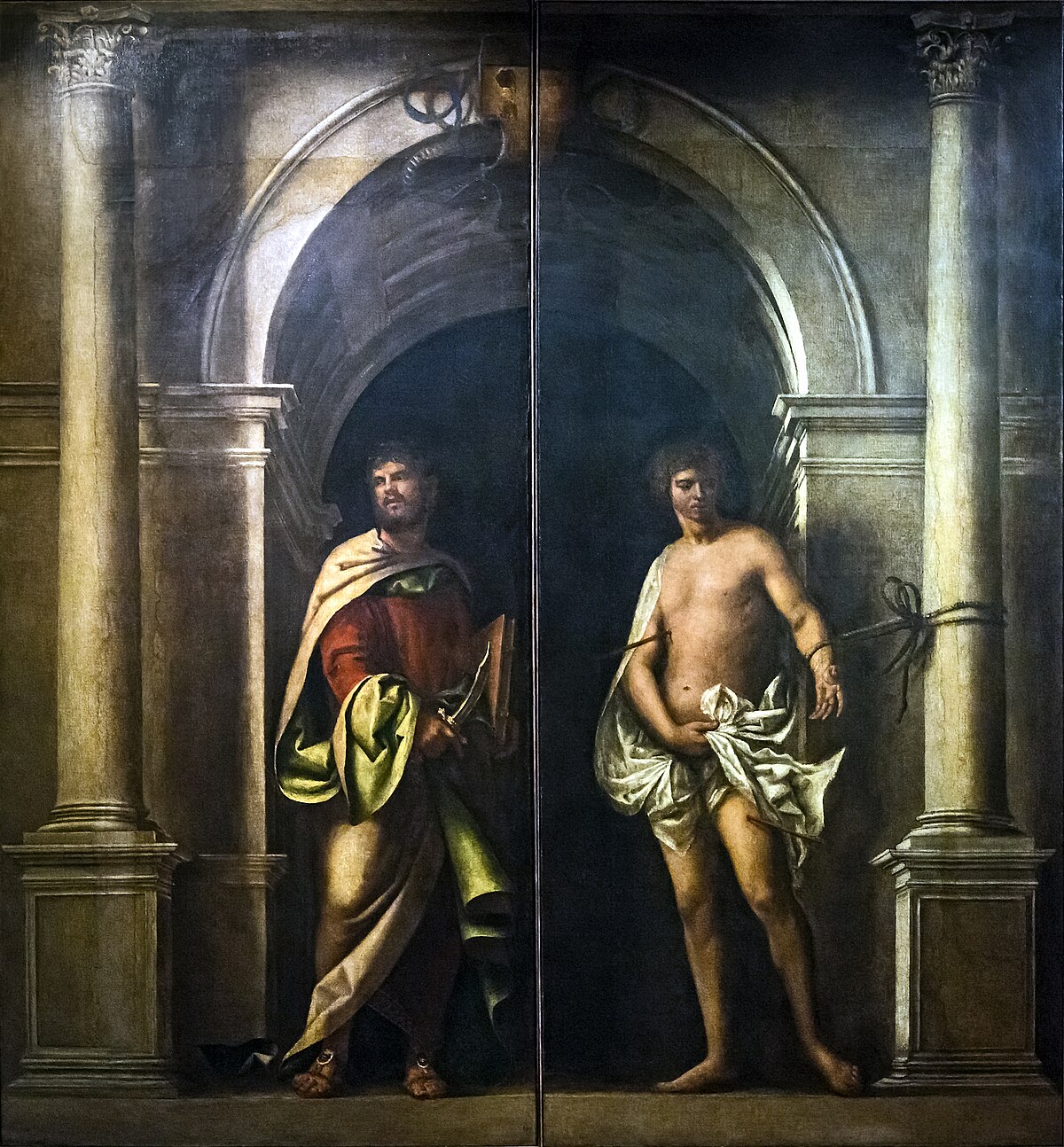
- 4Classical architecture: columns, arches, Roman-style buildings
- 5Figures with real weight standing firmly on the ground
- 6Triangular compositions creating balance and stability
- 7Rich, glowing colors from layered oil glazes
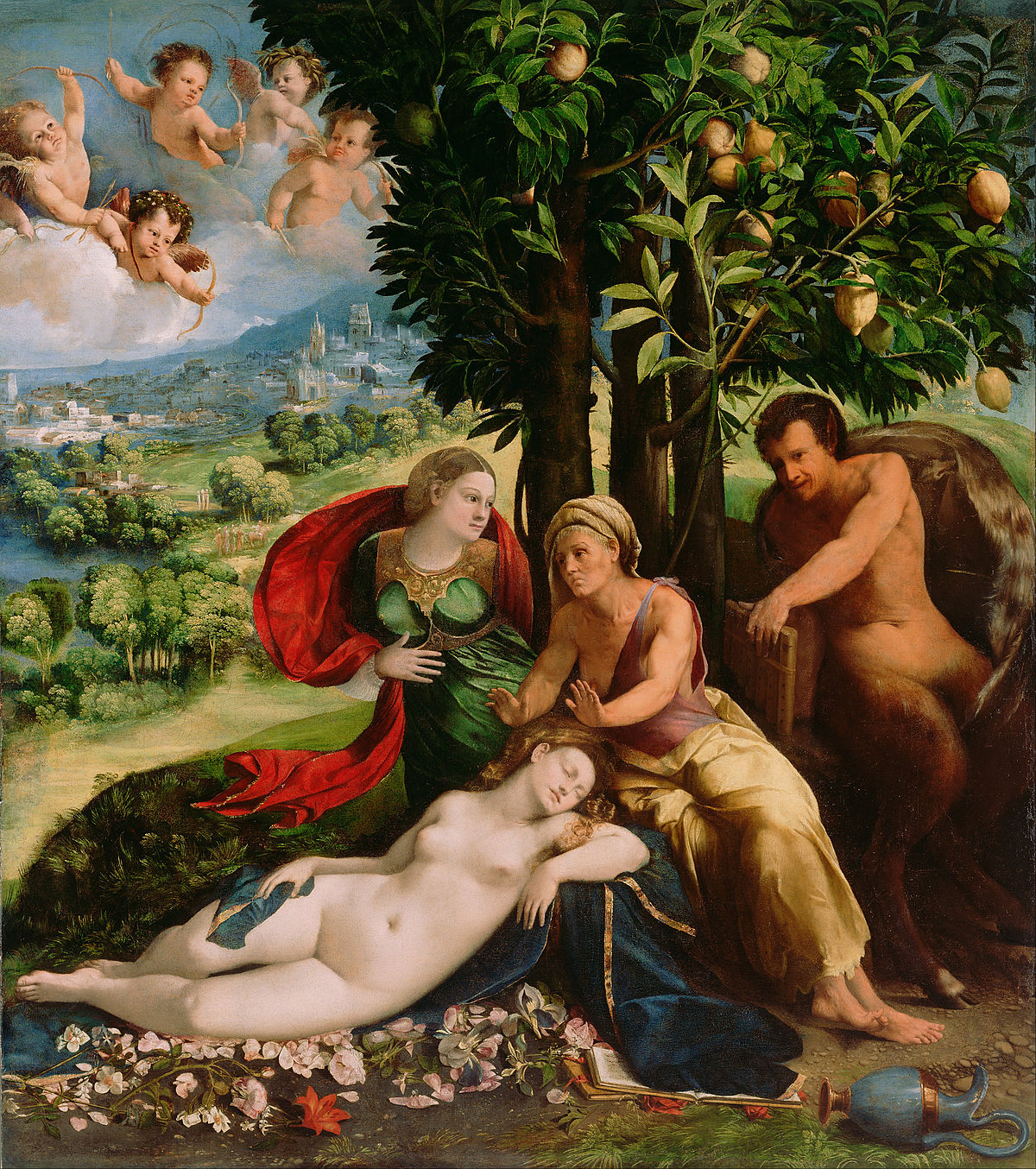
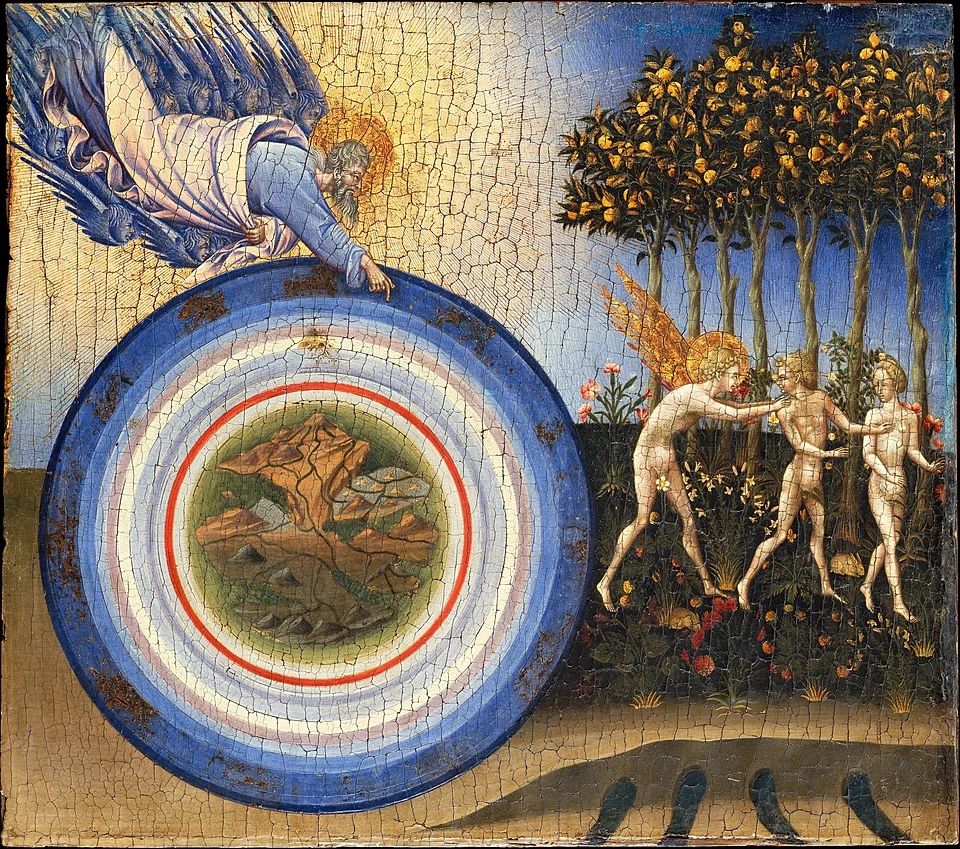
- 8Both religious subjects and classical mythology side by side
At a Glance
- Period
- 1400 – 1600
- Artists
- 33
- Artworks
- 471
Defining Features
Linear perspectiveNaturalistic human formsClassical themesSfumato techniqueReligious and mythological subjects
Renaissance Artists
33 artists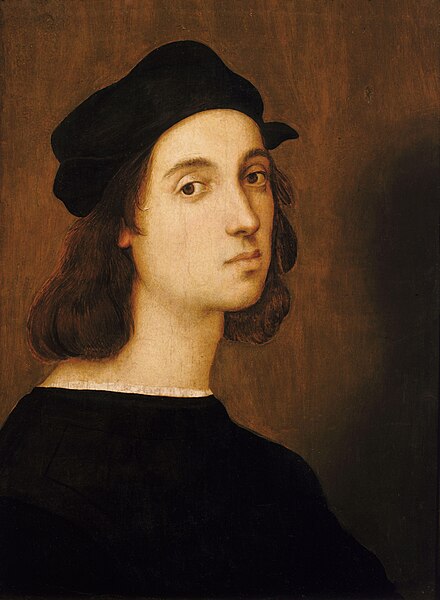
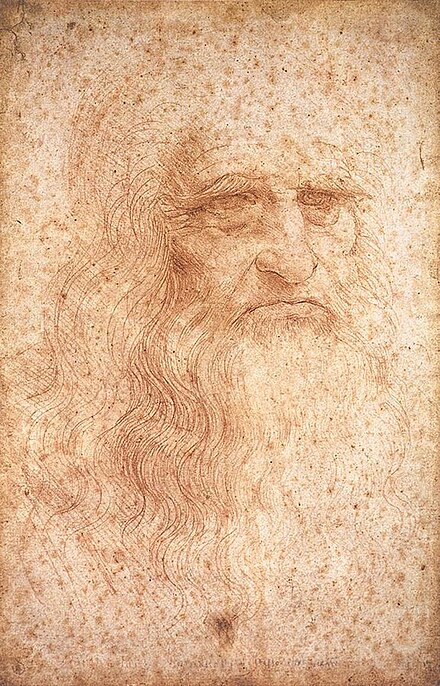
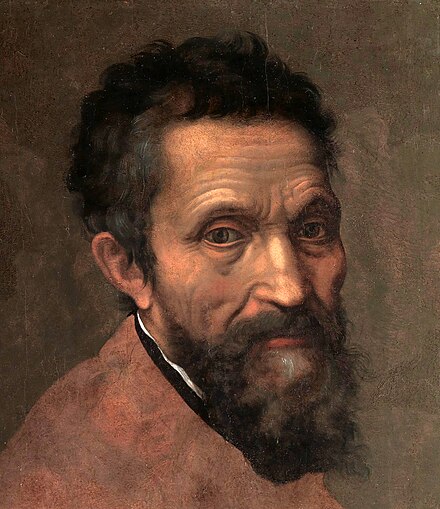
Renaissance Masterpieces
12 works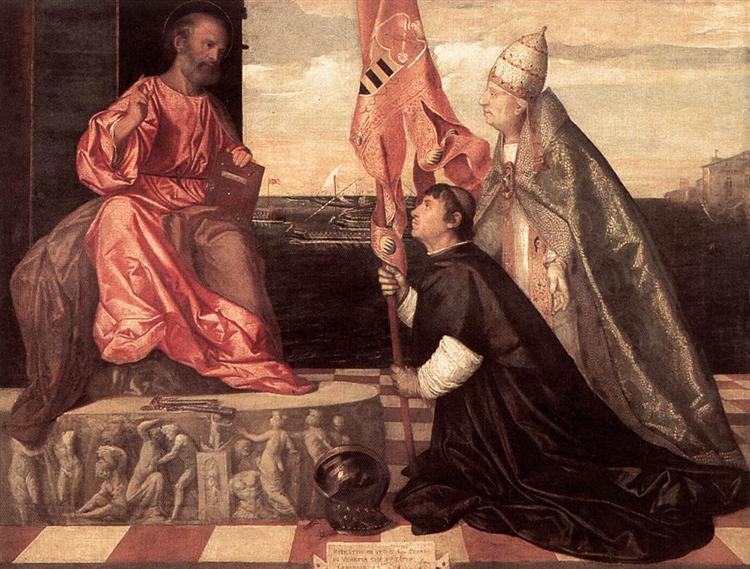

About Renaissance
The Renaissance (1400-1600) was a cultural rebirth centered in Italy where artists rediscovered classical ideals. Masters like Leonardo da Vinci and Michelangelo pioneered linear perspective, anatomical accuracy, and oil painting techniques that defined Western art.
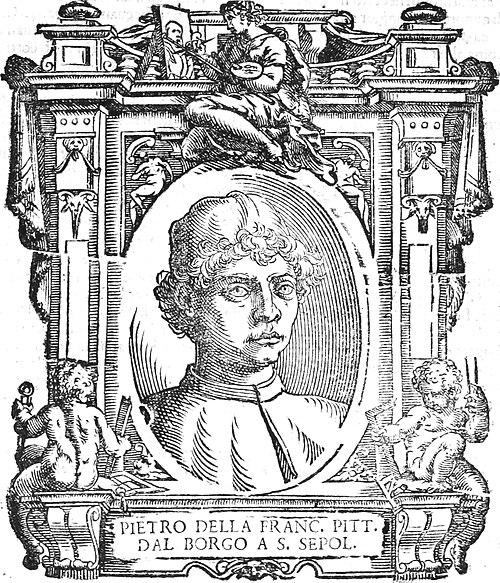
The "Big Three" are Leonardo da Vinci, Michelangelo, and Raphael. Other masters include Sandro Botticelli, Titian, Piero della Francesca, and Jan van Eyck in Northern Europe.
Linear perspective is a mathematical system where parallel lines converge at a vanishing point, creating realistic depth on flat surfaces. Filippo Brunelleschi demonstrated this around 1415, and it became fundamental to all Renaissance painting and architecture.
The Uffizi Gallery in Florence holds Botticelli's Birth of Venus and works by Leonardo. The Louvre displays the Mona Lisa. Michelangelo's Sistine Chapel ceiling remains in Vatican City. The National Gallery has outstanding Northern Renaissance works.
Medieval art emphasized religious symbolism and flat, stylized figures. The Renaissance introduced naturalistic anatomy, realistic space through perspective, and individual artistic genius. Artists signed their work and became celebrated intellectuals, not anonymous craftsmen.
Bring Renaissance Home
Luxury decor featuring museum-quality canvas prints inspired by these iconic masterpieces.
Shop Renaissance Art