1907 – 1920
Cubism
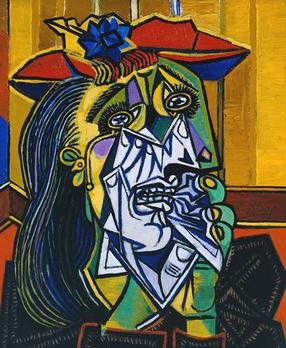
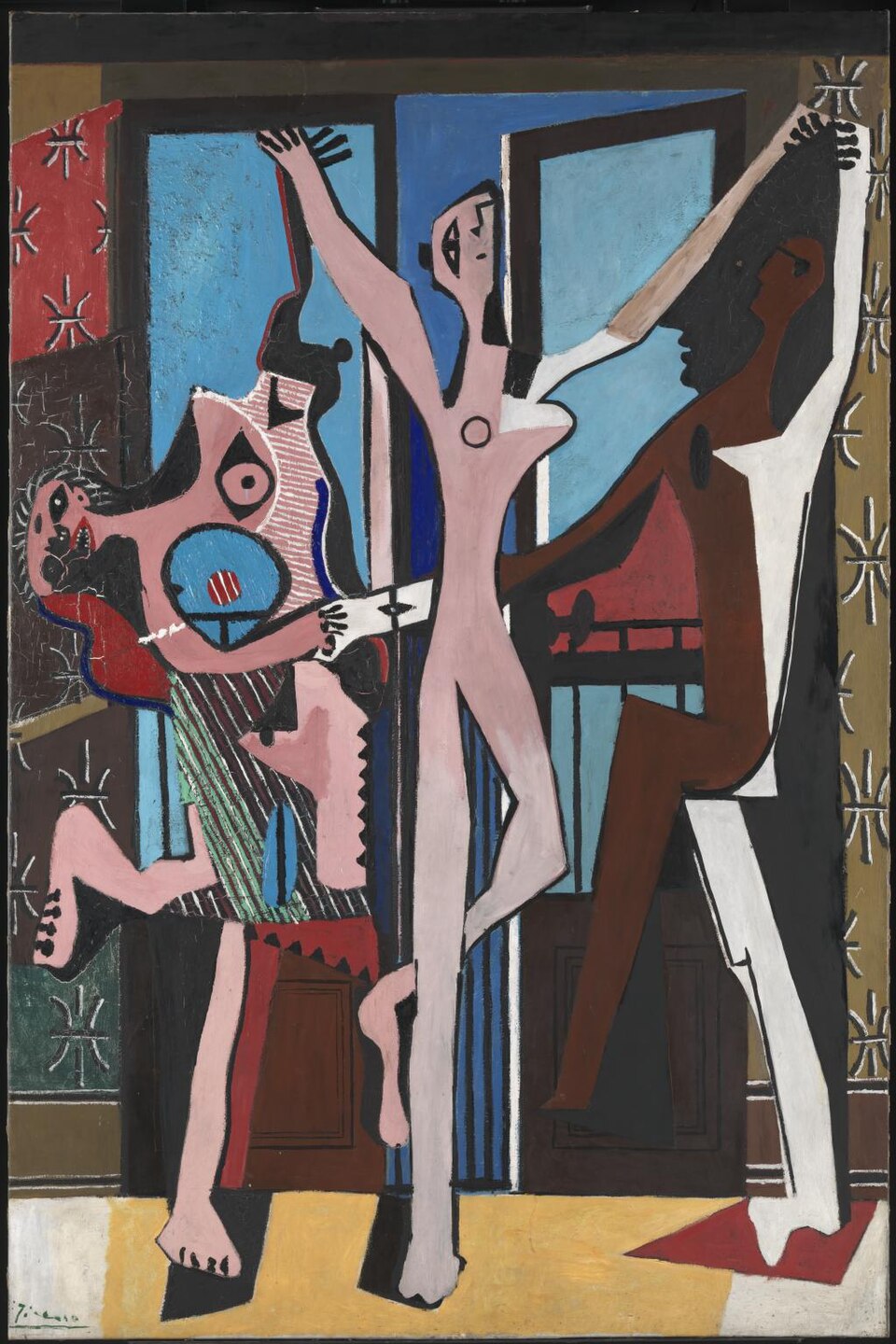
Cubism shattered centuries of Western pictorial tradition. In 1907, Pablo Picasso's Les Demoiselles d'Avignon fragmented the human figure into angular planes, influenced by African masks and Iberian sculpture. Working alongside Georges Braque, Picasso developed a visual language that showed objects from multiple viewpoints simultaneously.
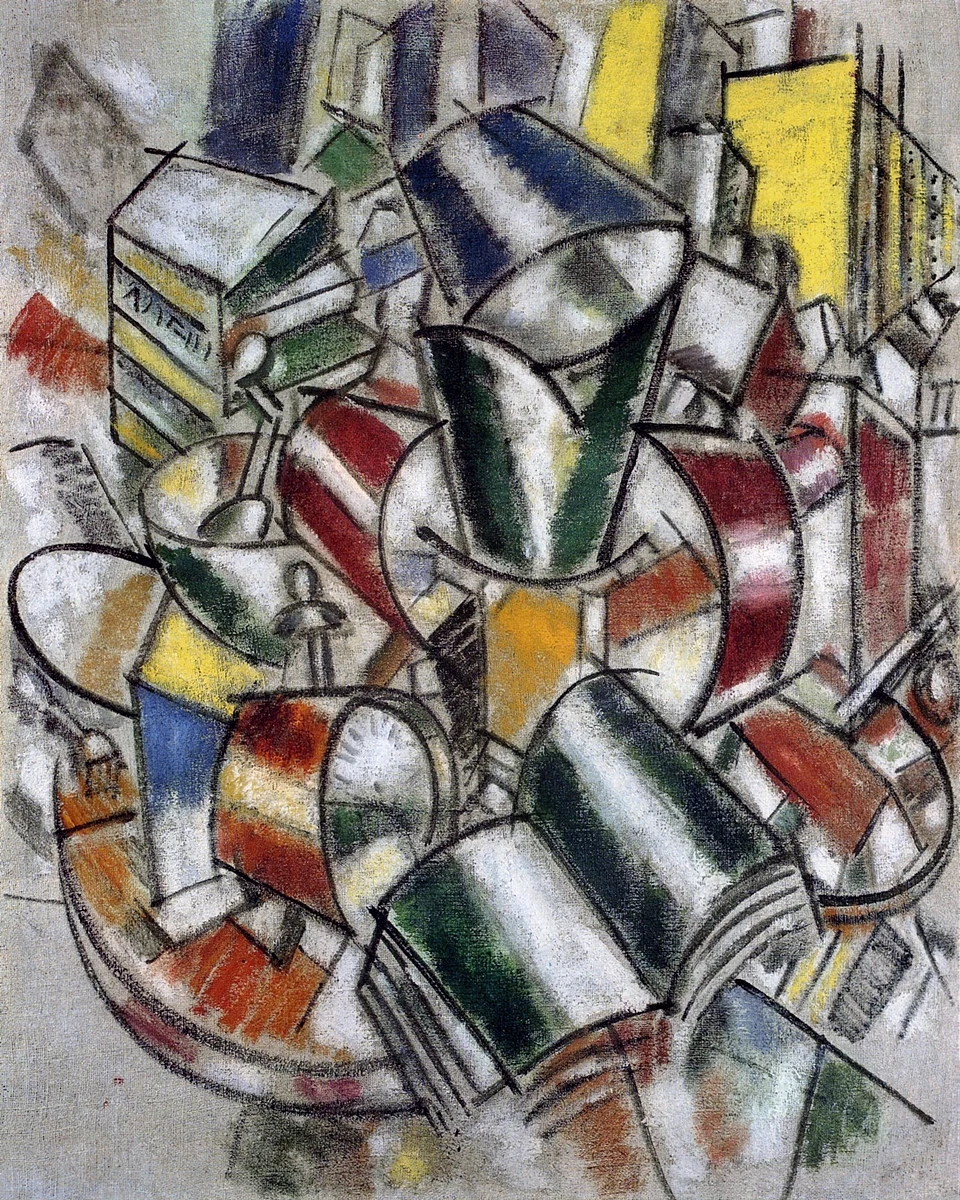
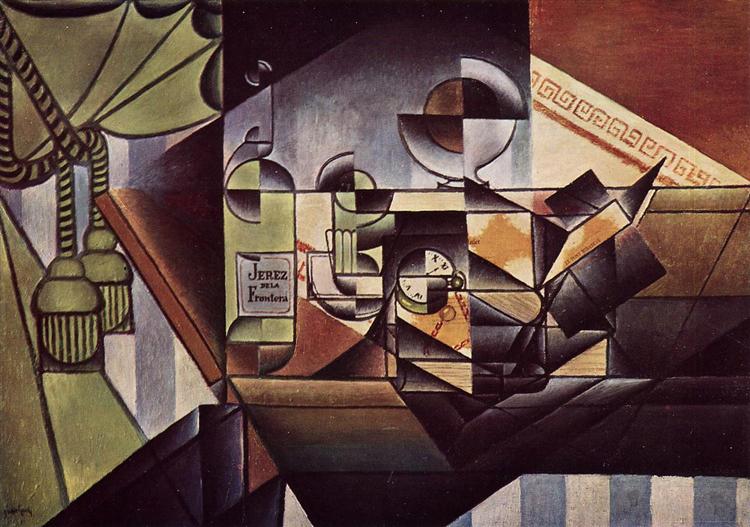
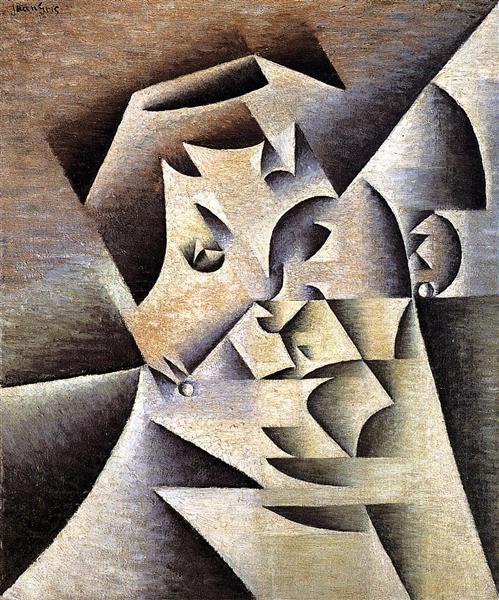
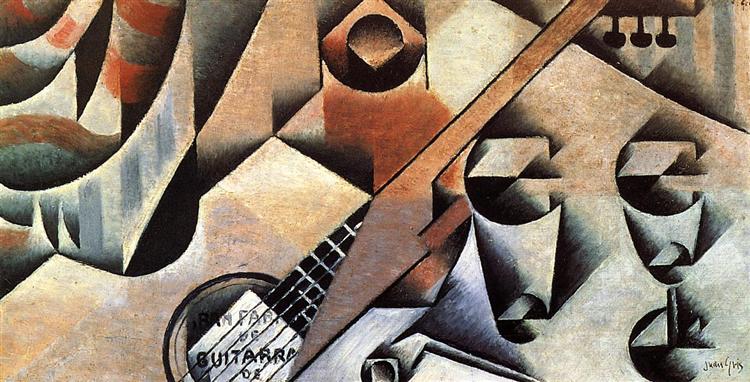
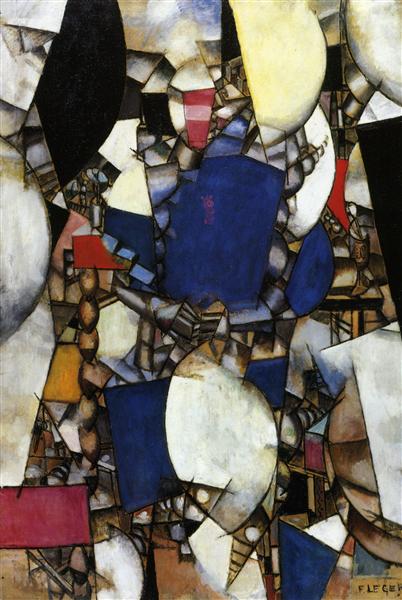
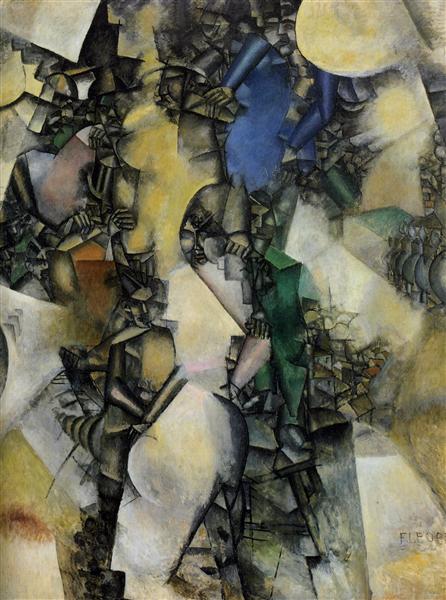
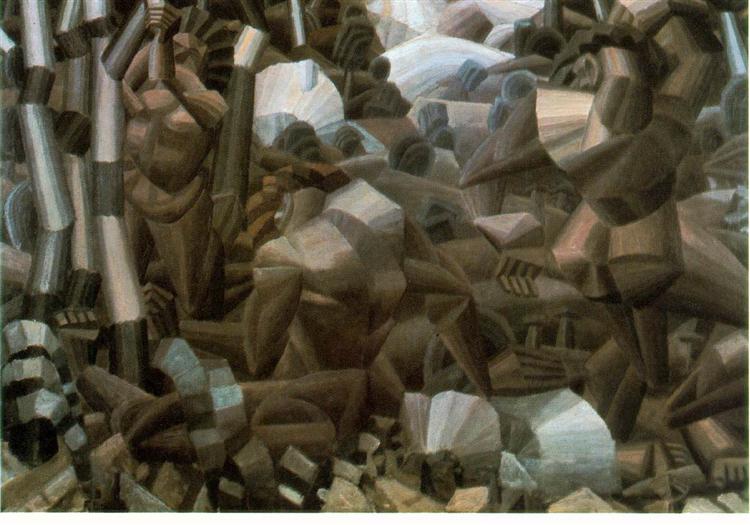
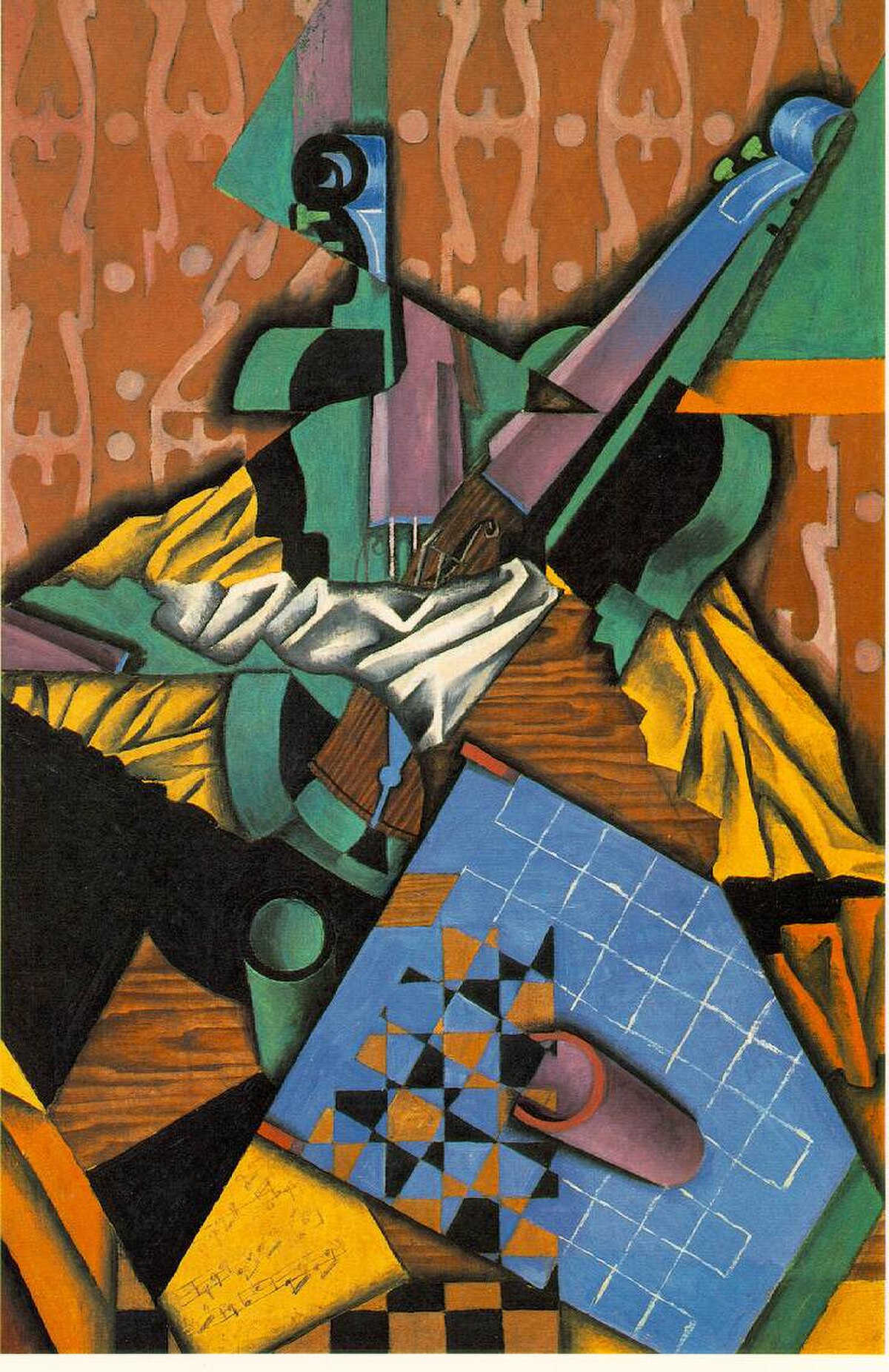
Analytical Cubism (1909-1912) broke subjects into geometric facets, nearly dissolving recognizable imagery into abstract grids of brown and gray. Synthetic Cubism (1912-1914) reversed course, building images from flat shapes and incorporating collage elements like newspaper and wallpaper. Juan Gris and Fernand Léger extended the style with brighter colors and distinct personal approaches.
Cubism's influence extended far beyond painting. It transformed sculpture, architecture, and graphic design. The movement demonstrated that art didn't need to mimic how things look, opening the door to Modern art's endless experimentation. Today, Cubist masterpieces anchor collections at the MoMA, Centre Pompidou, and the Reina Sofía.
What to Look For
Spotting Cubism art in museums and galleries:
- 1Fragmented forms broken into geometric facets and planes
- 2Objects shown from multiple viewpoints simultaneously
- 3Muted palette of browns, grays, and ochres (Analytical Cubism)
- 4Flattened space with no traditional perspective
- 5Recognizable objects (guitars, bottles, faces) reduced to shapes
- 6Collage elements: newspaper clippings, wallpaper, sheet music
- 7Bold outlines defining overlapping planes
- 8Brighter colors and clearer forms (Synthetic Cubism)
At a Glance
- Period
- 1907 – 1920
- Artists
- 4
- Artworks
- 70
Defining Features
Geometric fragmentationMultiple viewpointsFlattened spaceMonochromatic paletteAbstraction of form
Cubism Artists
4 artists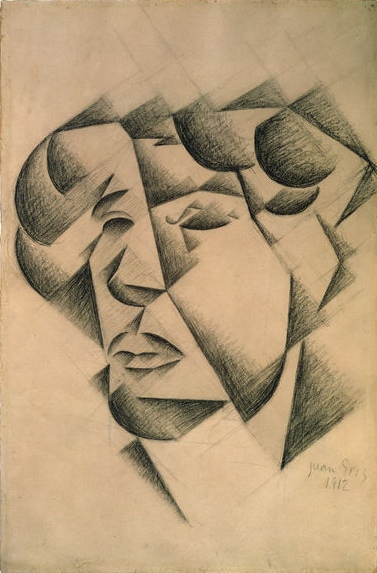
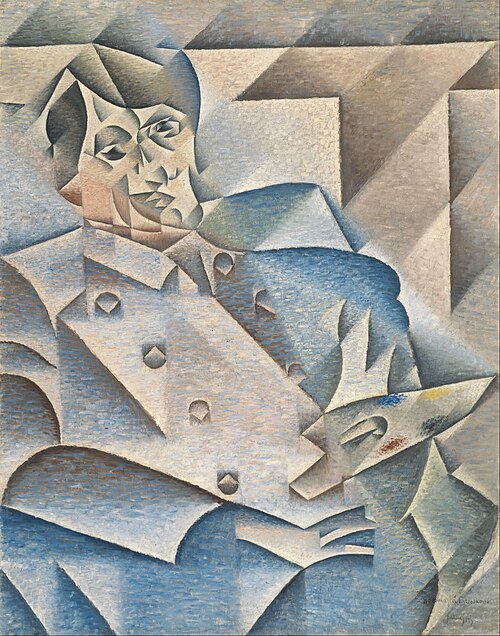
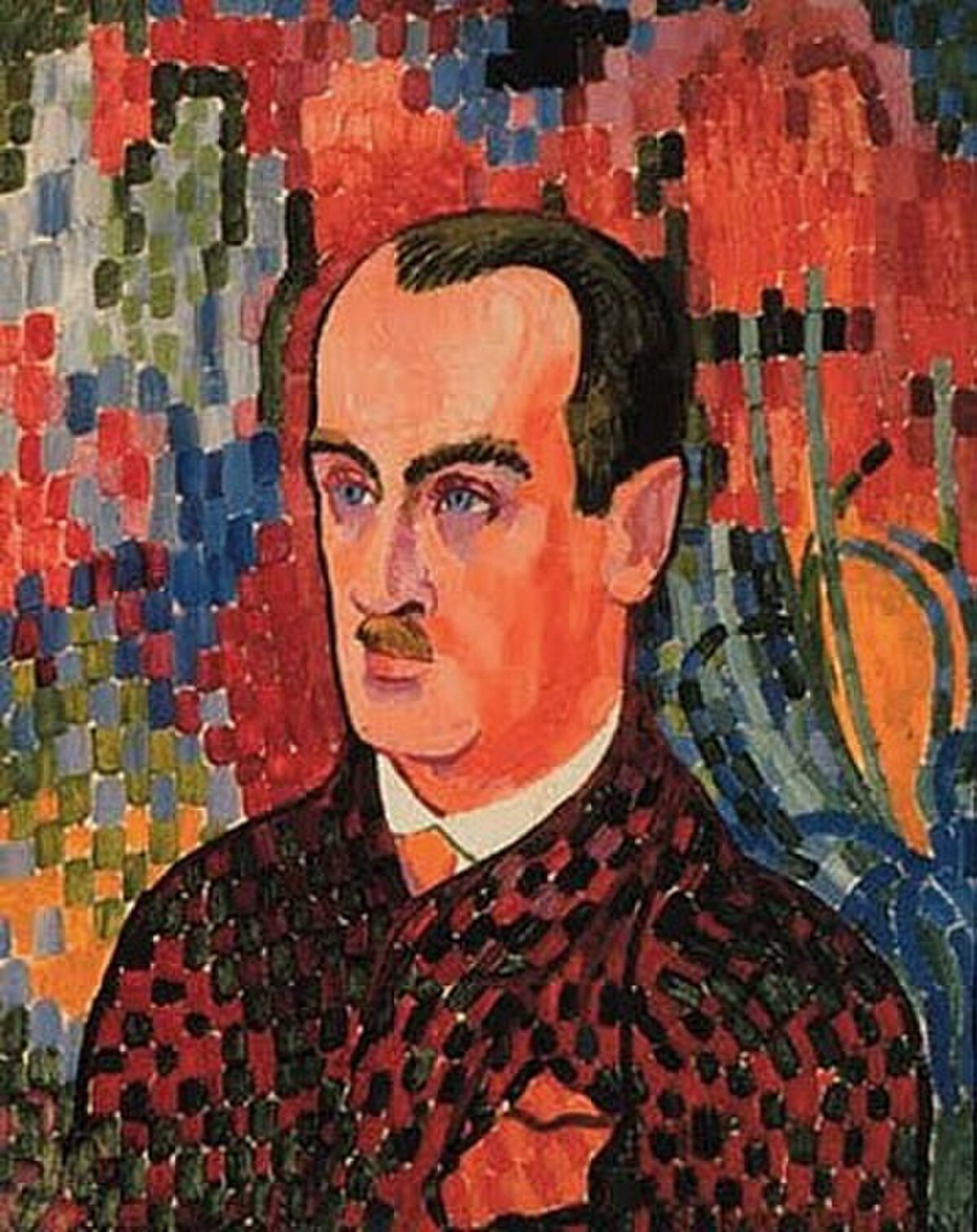
Cubism Masterpieces
12 works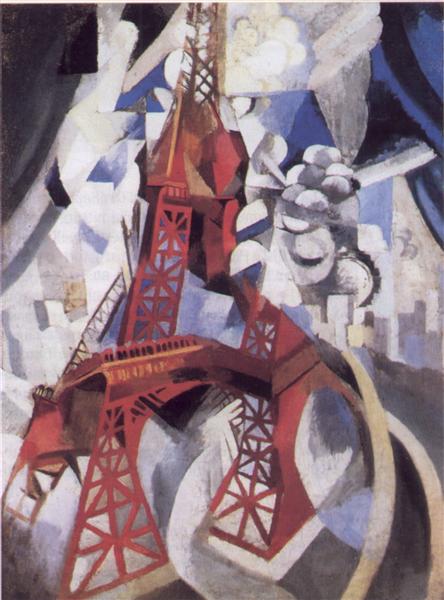
About Cubism
Cubism (1907-1920) fragmented objects into geometric planes, showing multiple viewpoints simultaneously. Pablo Picasso and Georges Braque pioneered this radical approach, which abandoned traditional perspective and transformed 20th-century art.
Pablo Picasso and Georges Braque developed Cubism together between 1907-1914. Picasso's Les Demoiselles d'Avignon (1907) is considered the first Cubist painting. Juan Gris and Fernand Léger became major practitioners.
Analytical Cubism (1909-1912) broke subjects into small geometric facets, using muted browns and grays. Synthetic Cubism (1912+) reversed this, building images from larger flat shapes, adding brighter colors, and incorporating collage elements like newspaper clippings.
The MoMA New York has Picasso's Demoiselles d'Avignon. The Centre Pompidou Paris holds extensive Cubist works. Picasso's Guernica is at the Reina Sofía in Madrid.
Cubism proved that art doesn't need to mimic visual reality. By showing objects from multiple angles simultaneously, Picasso and Braque freed artists to experiment with form, opening the door to abstraction and virtually every Modern art movement that followed.
Bring Cubism Home
Luxury decor featuring museum-quality canvas prints inspired by these iconic masterpieces.
Shop Cubism Art