1600 - 1799
Baroque & Rococo
Drama, grandeur, and emotional intensity. Caravaggio, Rembrandt, and the Dutch masters.
About Baroque & Rococo
If Renaissance art sought harmony and balance, Baroque art wanted to overwhelm you. Beginning around 1600, artists like Caravaggio developed tenebrism, an extreme form of chiaroscuro where figures emerge from pitch darkness into dramatic spotlight. The Catholic Church, fighting the Protestant Reformation, deployed art as propaganda. Paintings had to move viewers emotionally, to make them feel the ecstasy of saints and the terror of martyrdom.
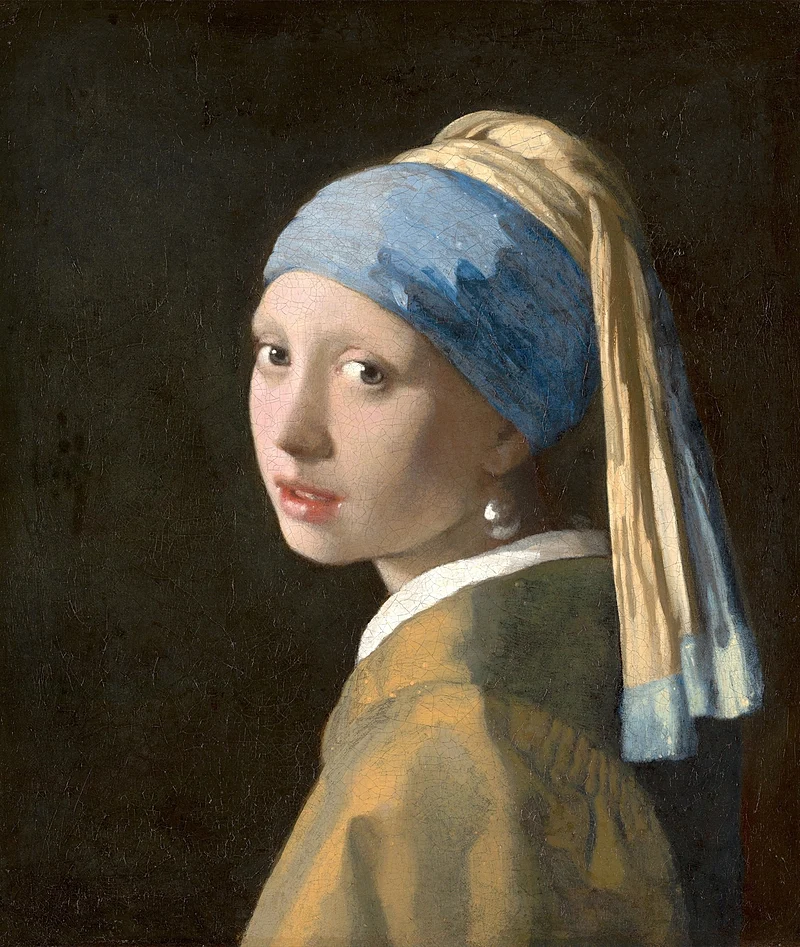
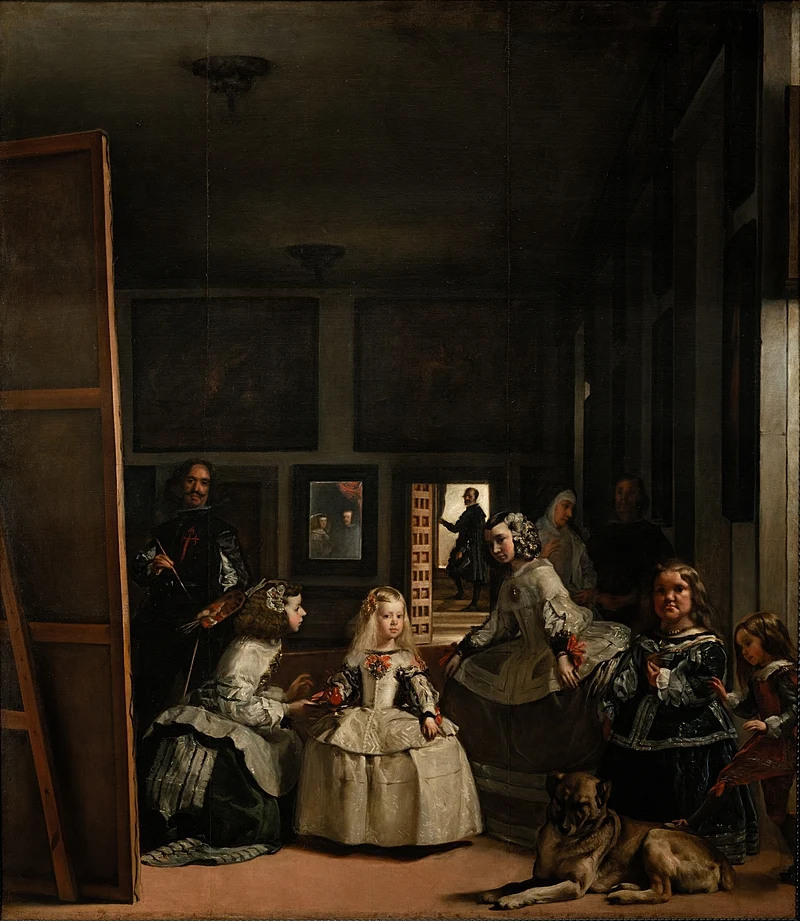
Peter Paul Rubens embodied Baroque grandeur with his monumental canvases of fleshy figures in swirling motion. Rembrandt turned inward, using light to explore human psychology. Vermeer captured quiet domestic moments with almost supernatural luminosity. Meanwhile, in Spain, Velázquez painted the royal court with unflinching honesty. The Dutch Golden Age produced more paintings than any previous century, many depicting landscapes, still lifes, and everyday scenes.
By the 1700s, Rococo lightened the mood. Where Baroque served popes and monarchs, Rococo pleased aristocrats seeking pleasure and wit. Pastel colors replaced deep shadows. Playful cherubs and flirtatious lovers replaced tortured saints. Fragonard's famous Swing captures the style perfectly: frivolous, decorative, deliberately superficial. The French Revolution would sweep it all away.
What Was Happening in the World
The Catholic Counter-Reformation fought Protestantism with emotional, overwhelming art. Absolute monarchs like Louis XIV built Versailles to project power. The Thirty Years War devastated Central Europe. Meanwhile, the Dutch broke free from Spain and created the first capitalist republic, where merchants bought paintings instead of churches commissioning them. Galileo pointed telescopes at Jupiter. Newton described gravity. The scientific revolution was reshaping how humans understood the universe, while empires carved up the globe.
What to Look For
Spotting Baroque & Rococo art in museums and galleries:
- 1Extreme contrast: figures emerging from pitch darkness into spotlight
- 2Diagonal compositions creating movement and tension
- 3Theatrical gestures and emotional facial expressions
- 4Rich reds, golds, and deep shadows
- 5Figures that seem to burst out of the picture plane
- 6Swirling drapery and dynamic, twisting poses
- 7Dutch works: quiet domestic scenes with soft window light
- 8Rococo: pastel pinks and blues, cherubs, playful aristocratic scenes
At a Glance
- Period
- 1600 - 1799
- Movements
- 6
- Artists
- 87
- Artworks
- 527
Baroque & Rococo Movements
6 movements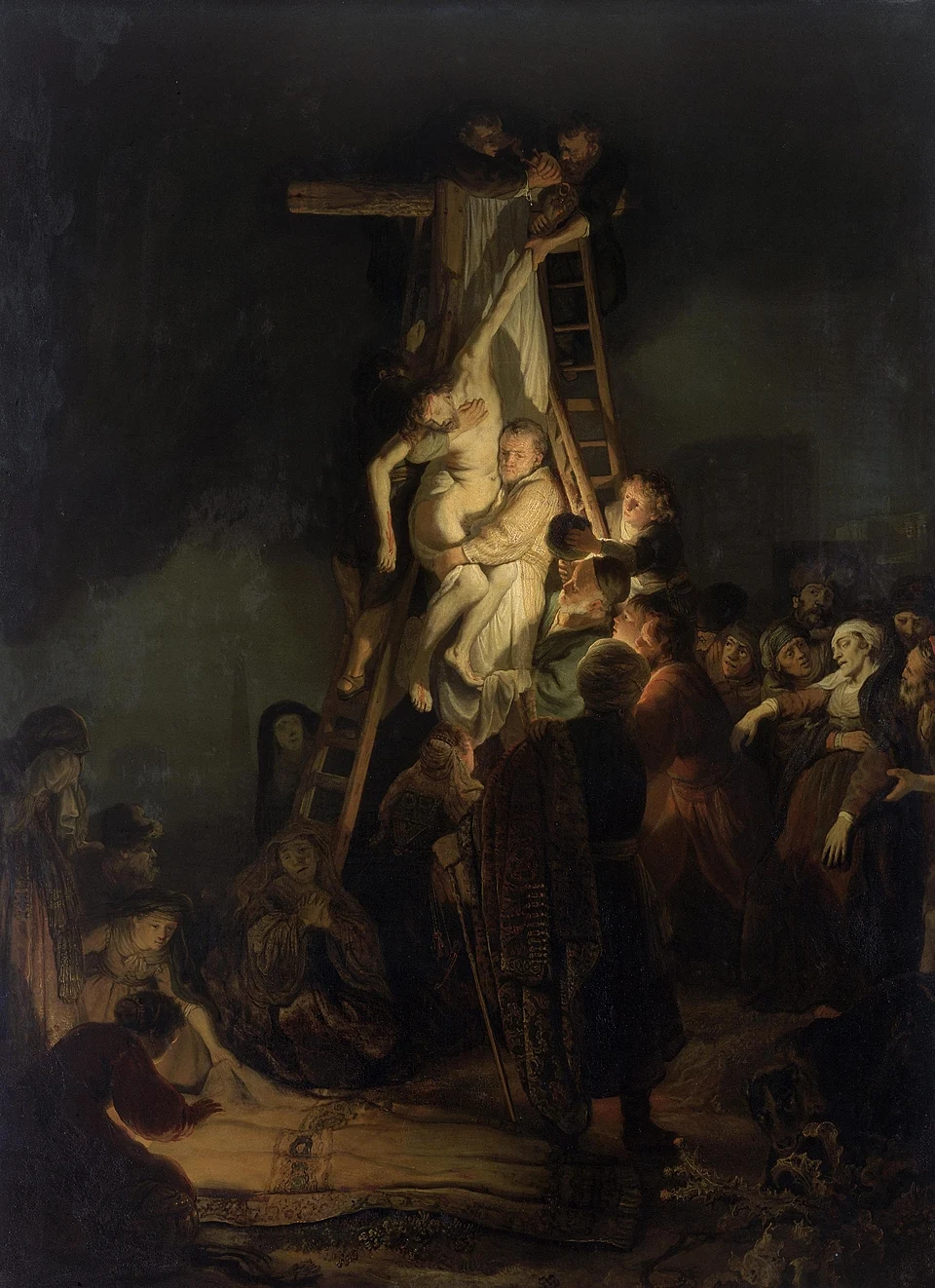
+26
Baroque
1600 – 1750Baroque art emerged in Rome and spread across Europe. Known for dramatic use of light and shadow (chiaroscuro), rich colors, and emotional intensity. It served both the Catholic Church and wealthy patrons.
29 artists
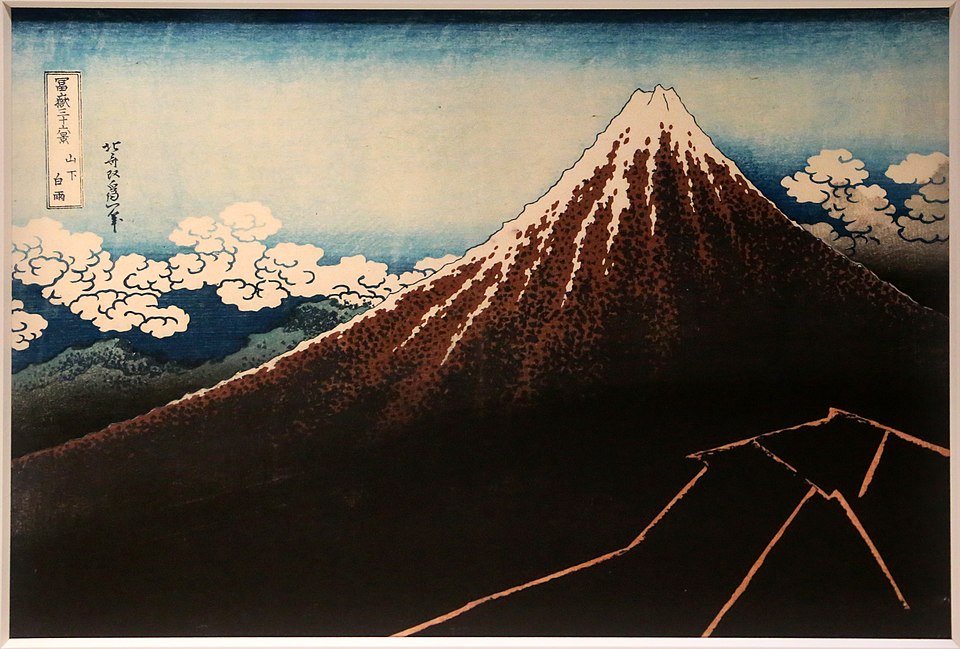
Ukiyo-e
1600 – 1900Ukiyo-e, meaning 'pictures of the floating world,' was a genre of Japanese woodblock prints and paintings depicting landscapes, kabuki actors, sumo wrestlers, and scenes from history and folk tales.
1 artist
+13
Academic Art
1650 – 1900A style of painting and sculpture produced under the influence of European academies of art.
16 artists
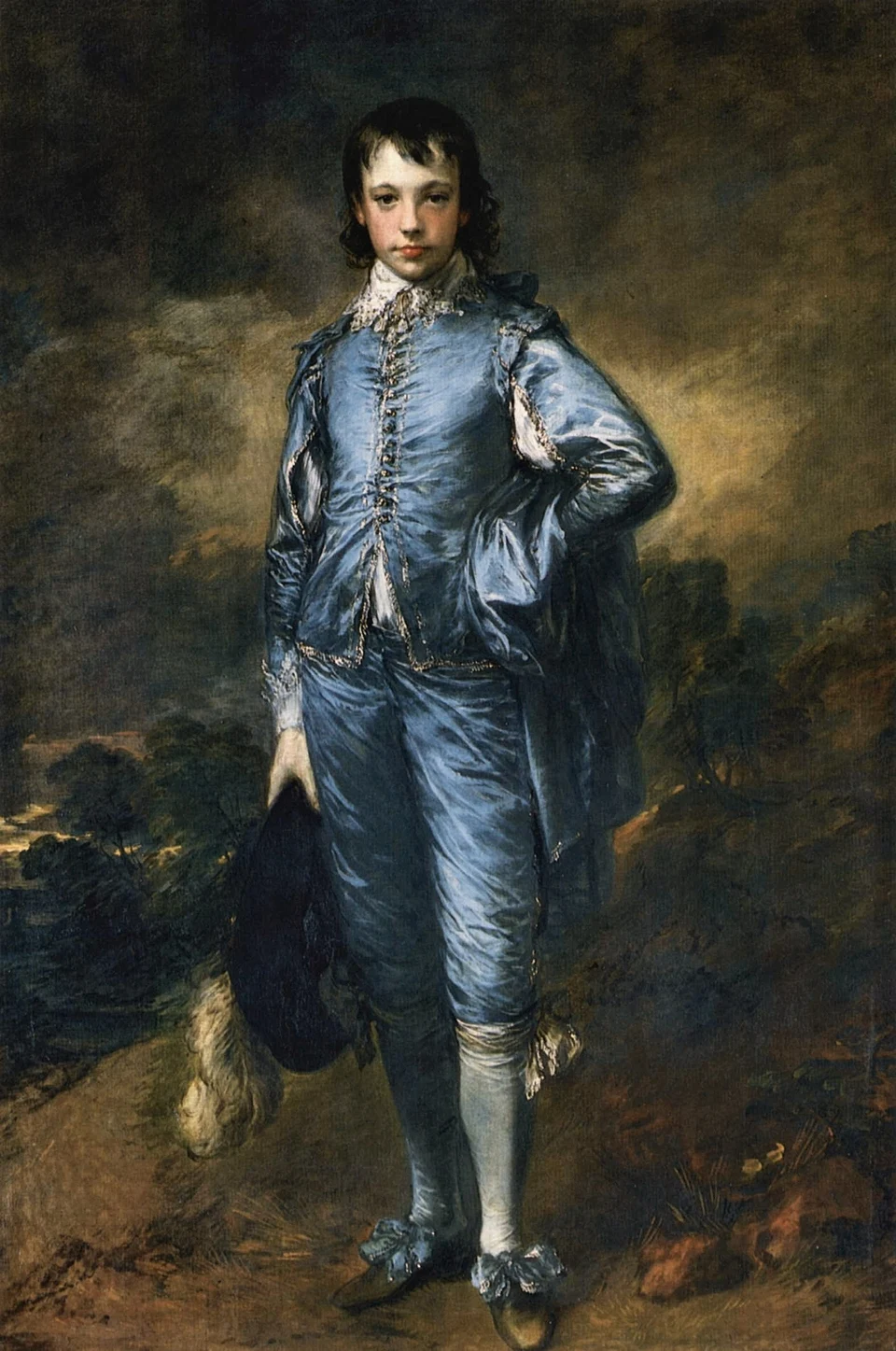
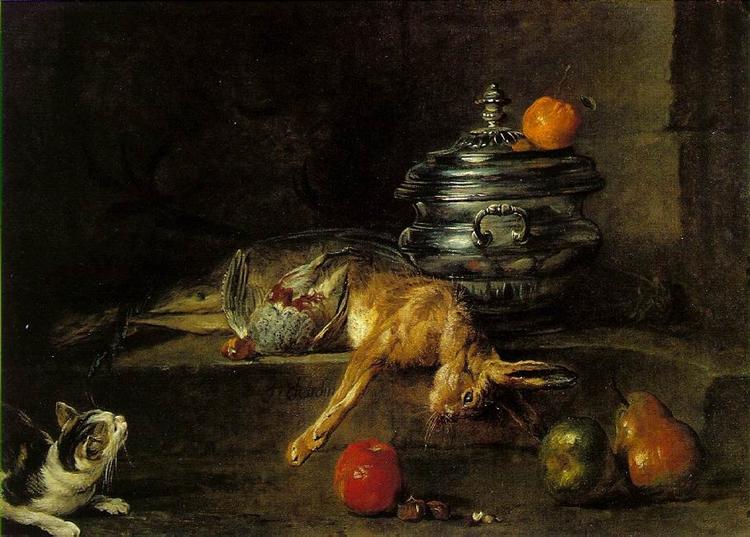
+7
Rococo
1720 – 1780An ornamental late Baroque style characterized by lightness, elegance, and elaborate ornamentation.
10 artists
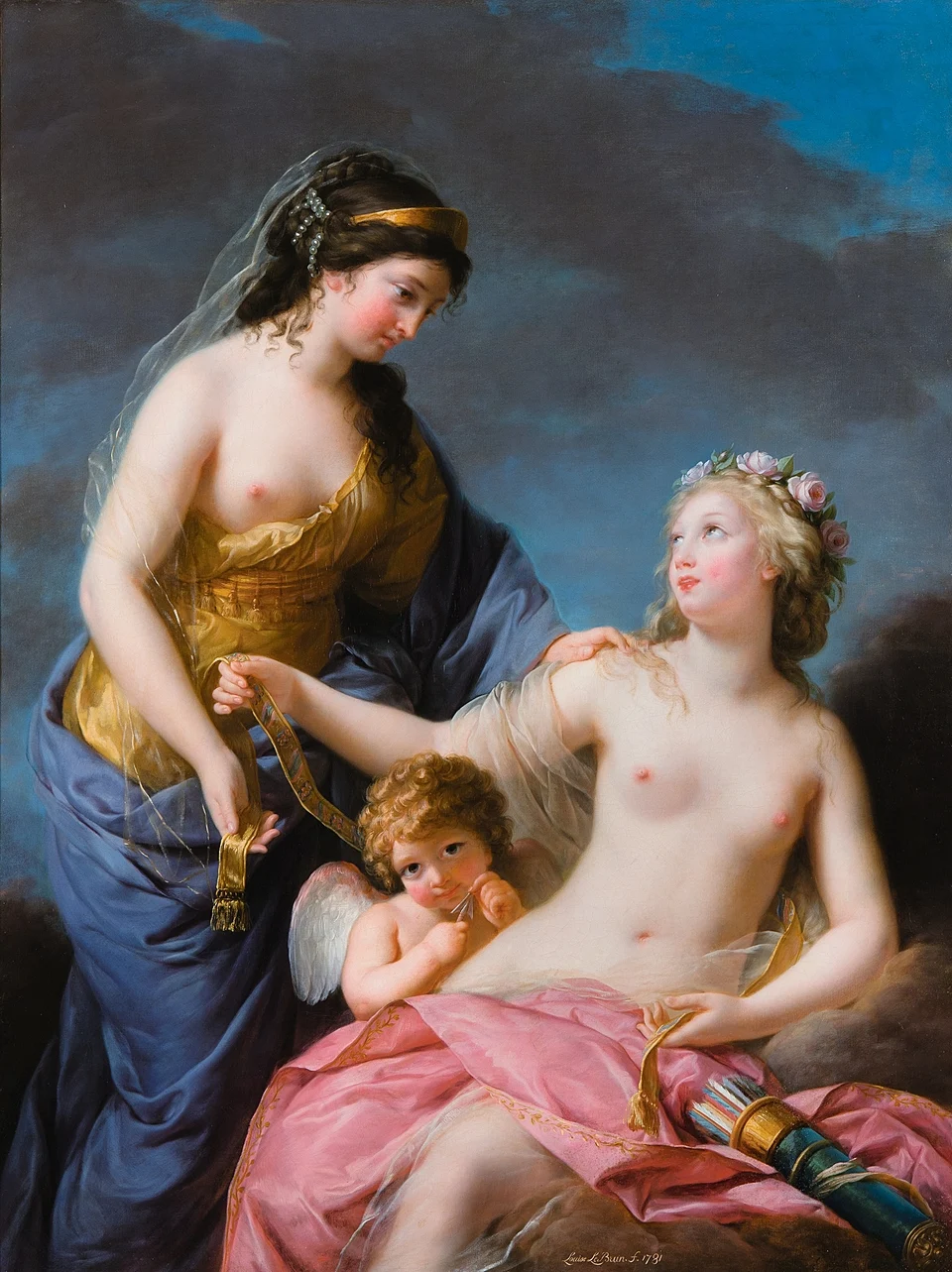
Neoclassicism
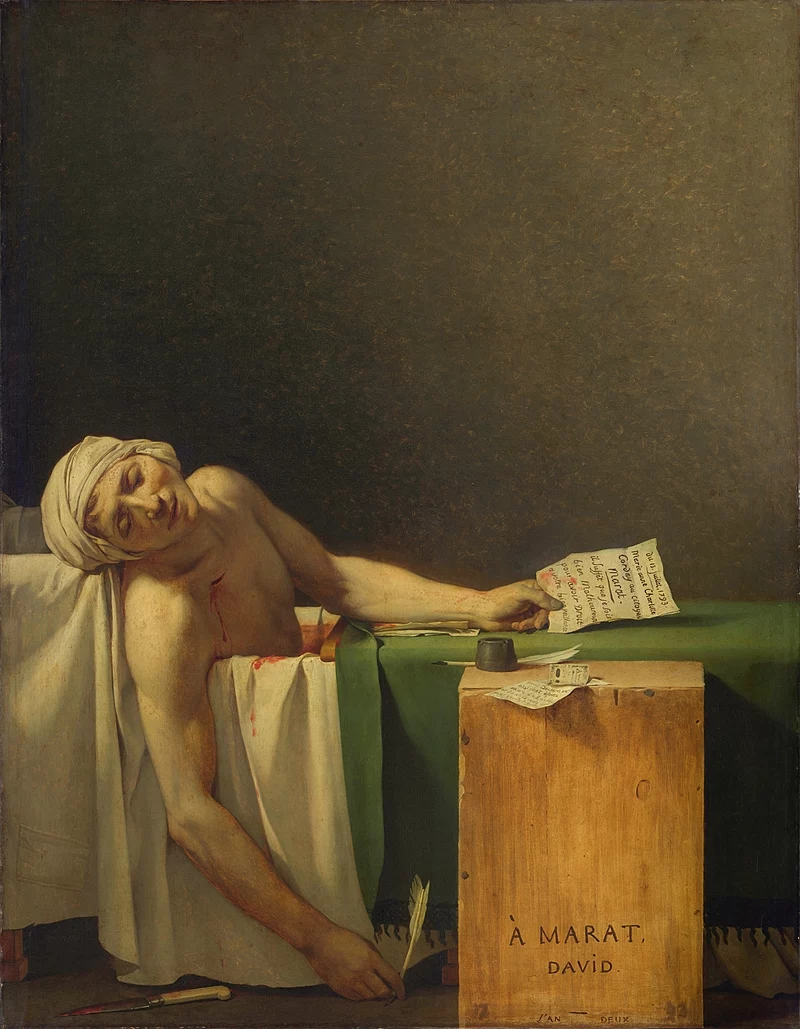
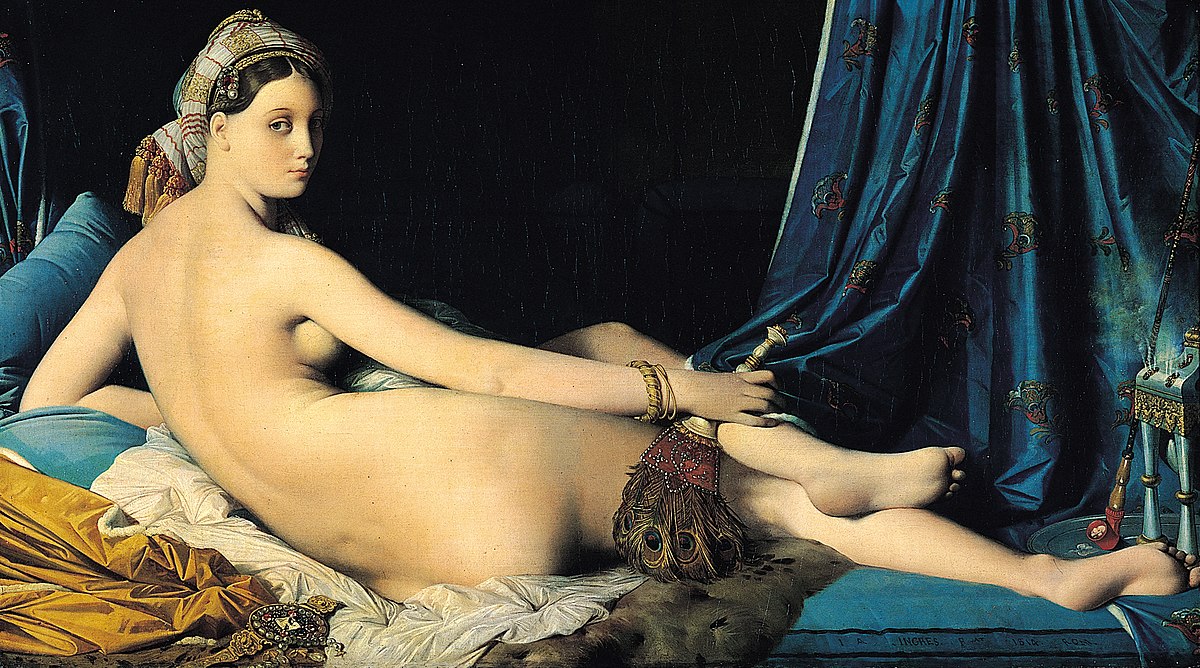
1760 – 1850Neoclassicism drew inspiration from the classical art and culture of ancient Greece and Rome. It emphasized order, symmetry, and idealized forms as a reaction against the excesses of Baroque and Rococo.
3 artists
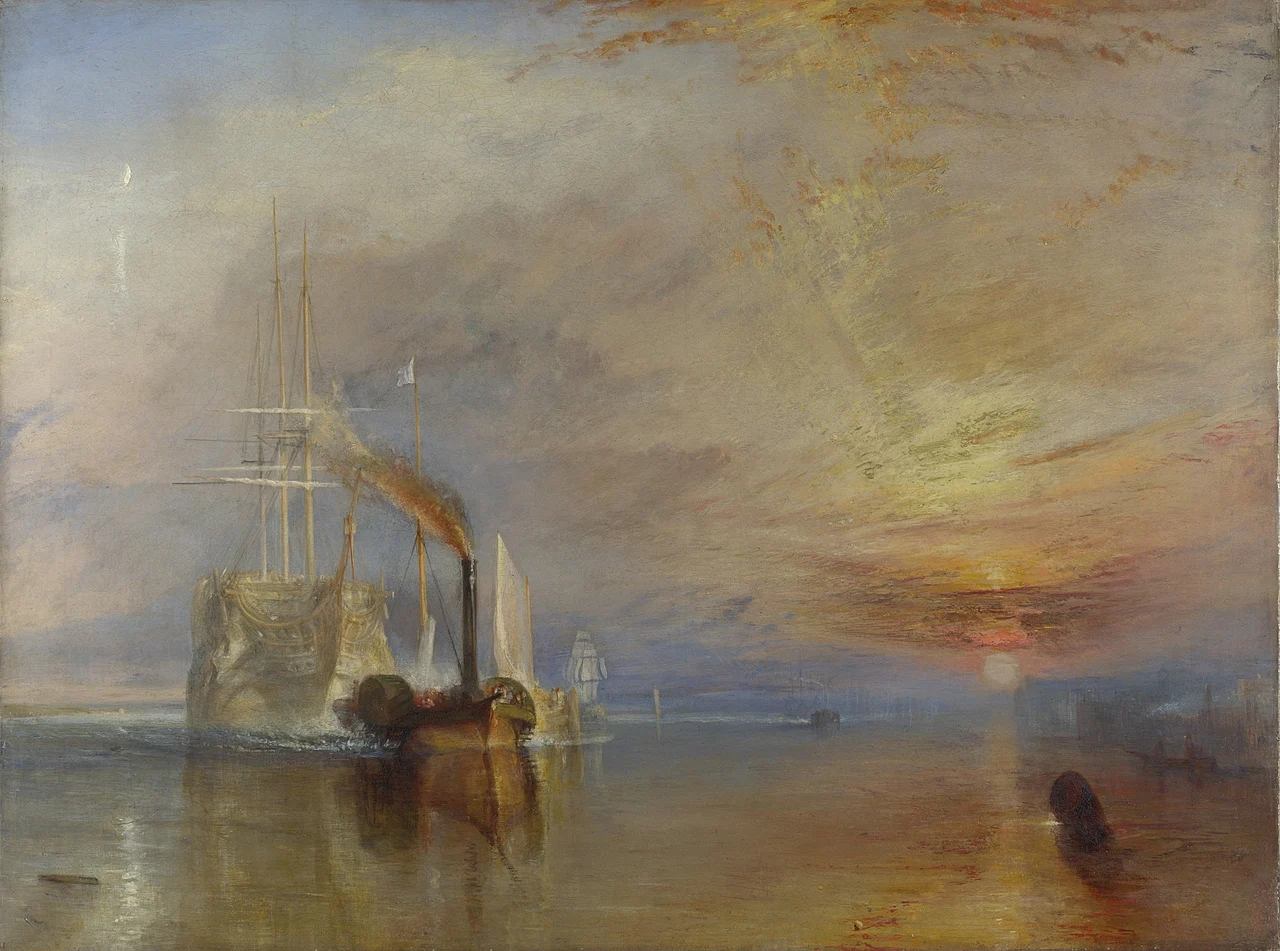
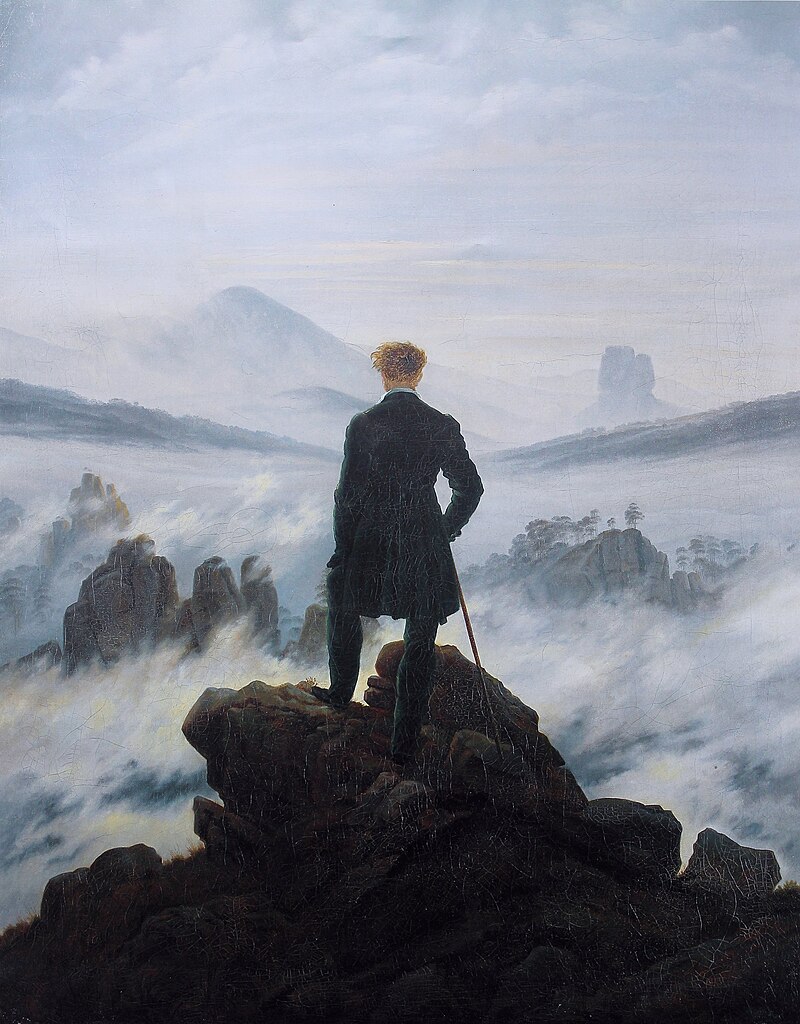
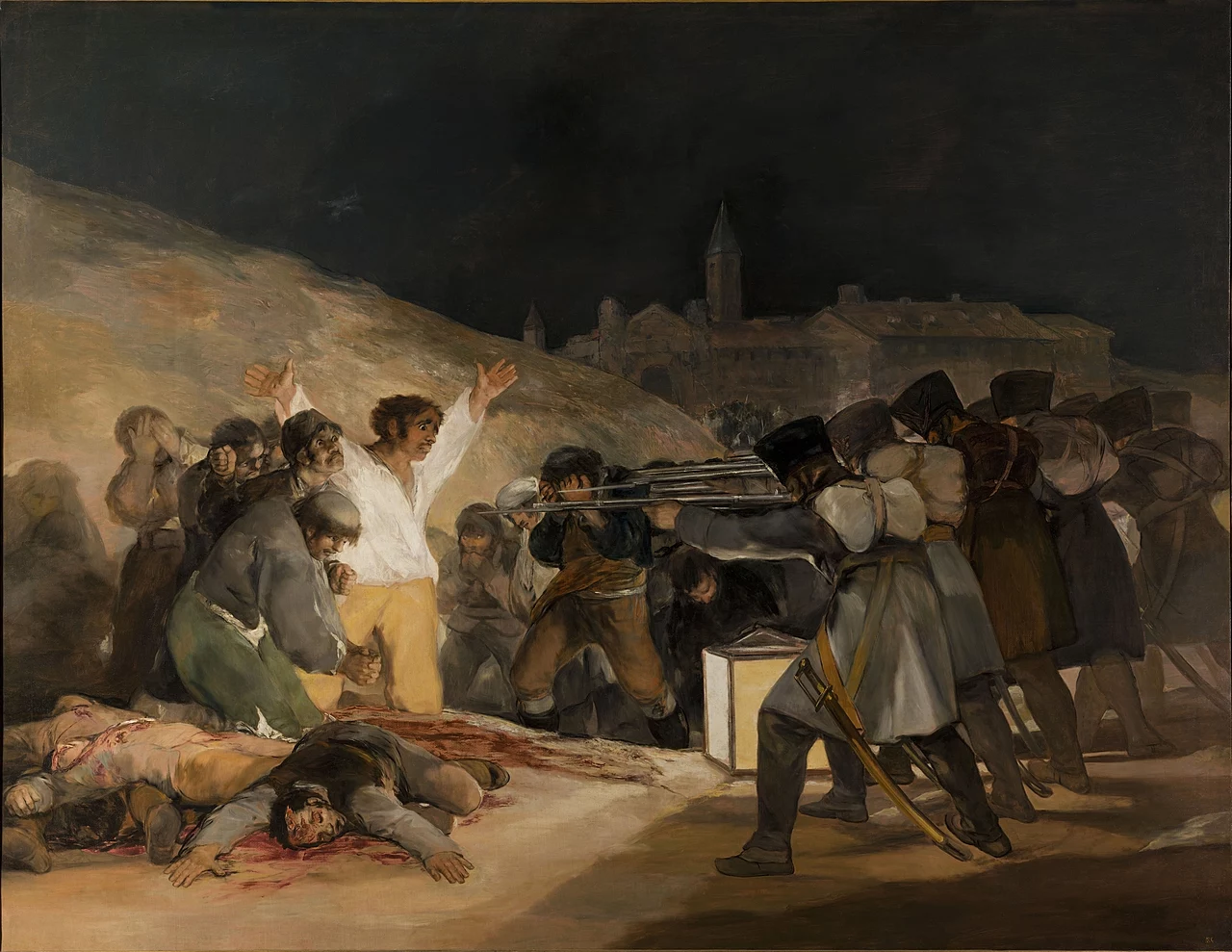
+26
Romanticism
1780 – 1850Romanticism emphasized emotion, individualism, and the sublime power of nature. It was a reaction against the rationalism of the Enlightenment and the Industrial Revolution.
29 artists
Baroque & Rococo Artists
87 total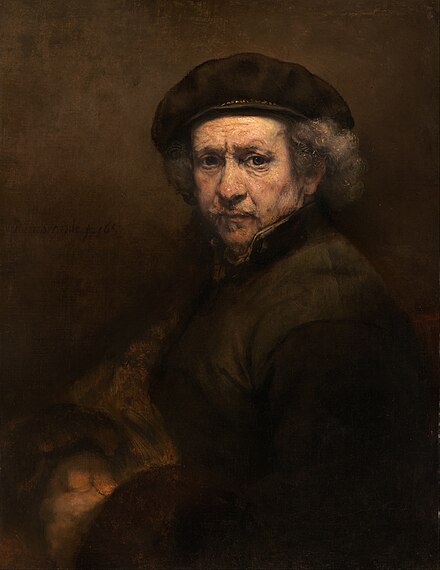
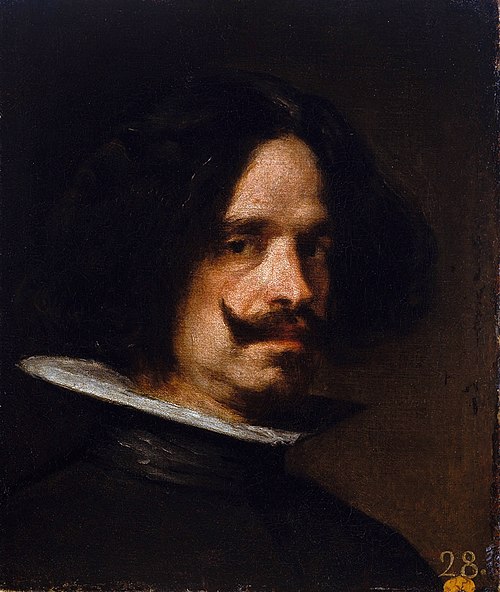
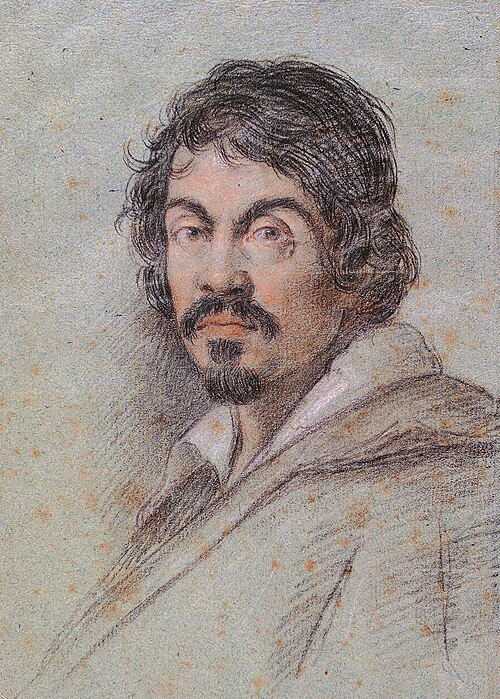
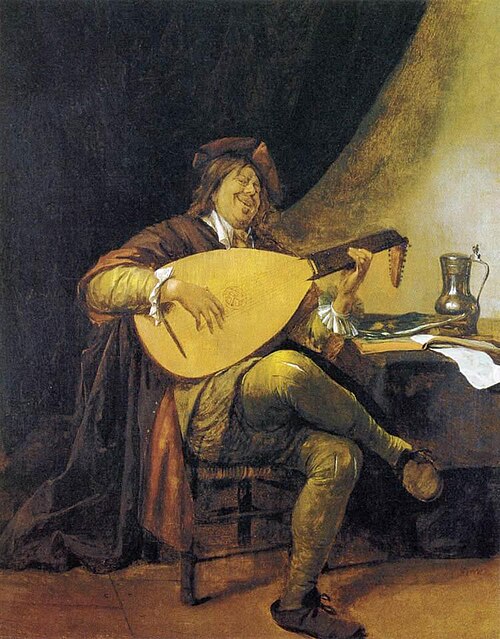
Baroque & Rococo Masterpieces
12 featured worksL
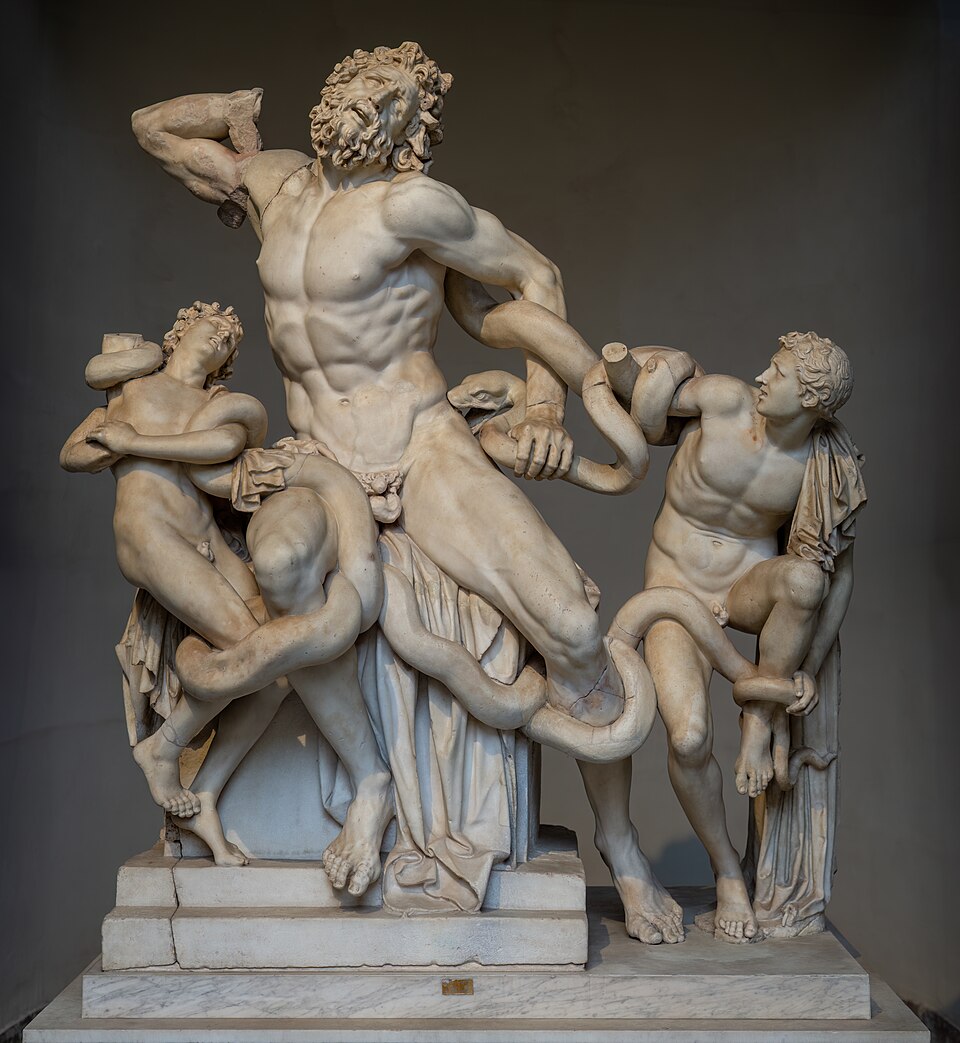
Laocoön
El Greco, 1614
National Gallery of Art, Washington, D.C.
T
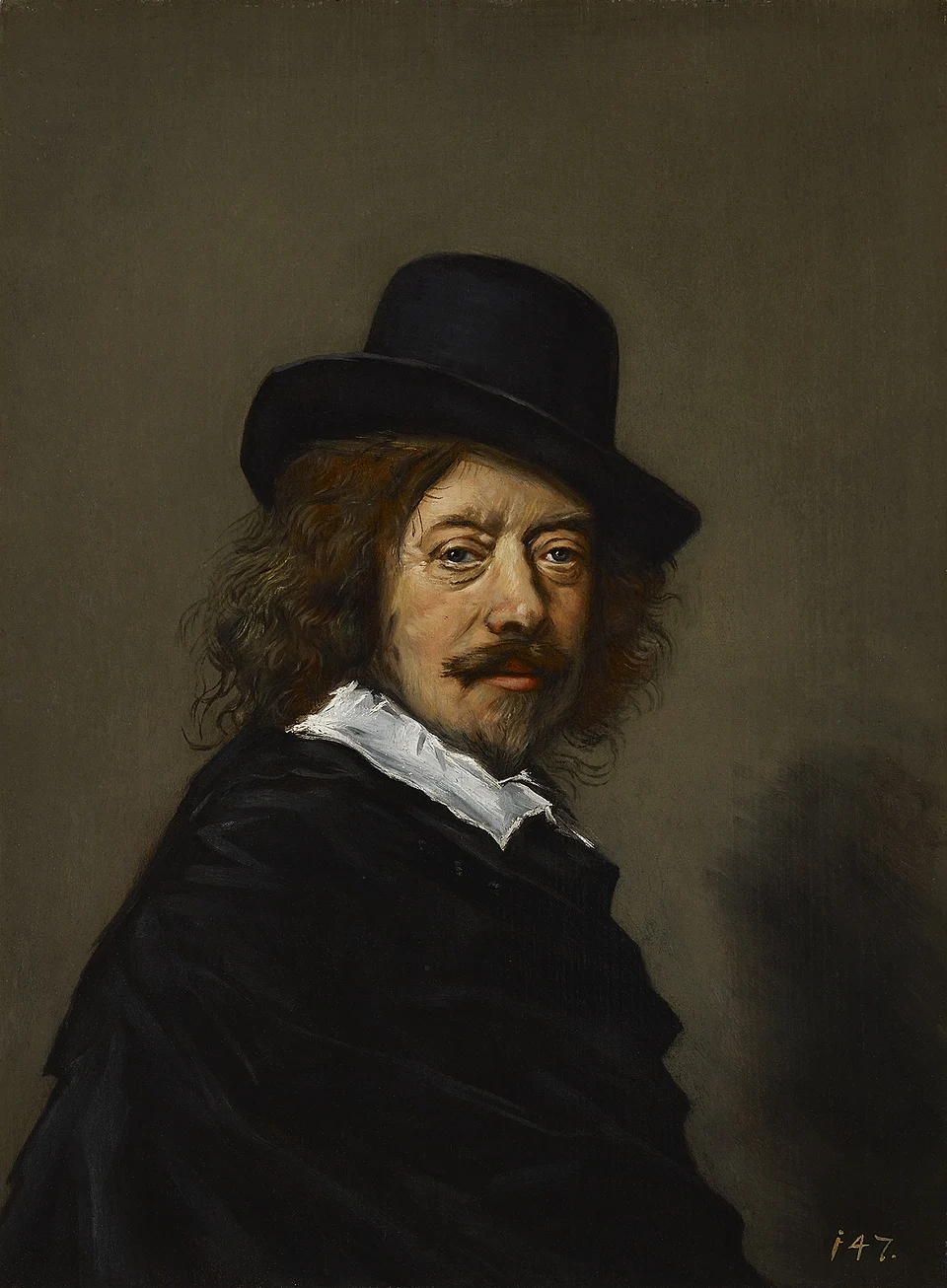
The Laughing Cavalier
Frans Hals, 1624
Wallace Collection, London
T
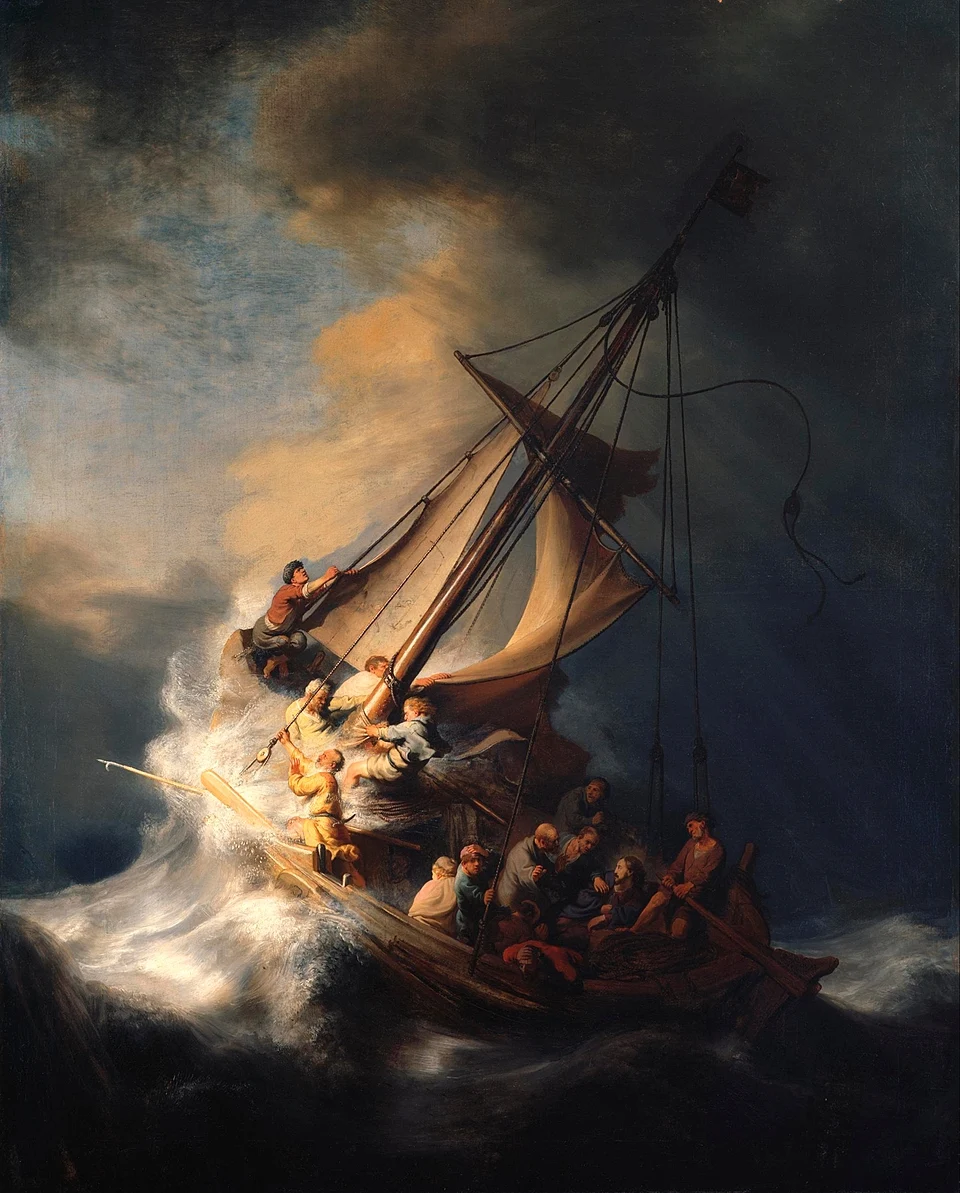
The Storm on the Sea of Galilee
Rembrandt van Rijn, 1633
Isabella Stewart Gardner Museum, Boston
T
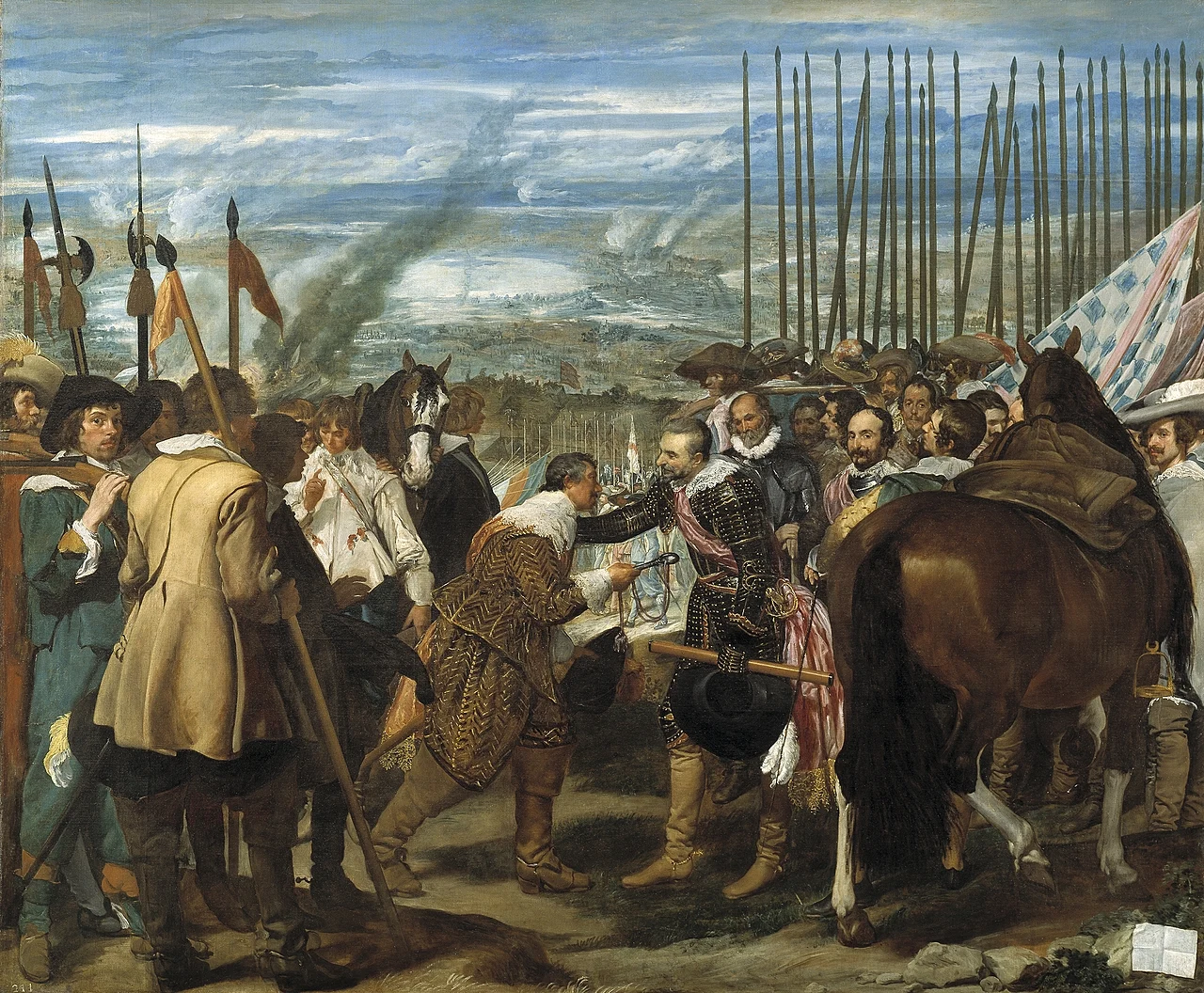
The Surrender of Breda
Diego Velázquez, 1635
Museo del Prado, Madrid, Madrid
T
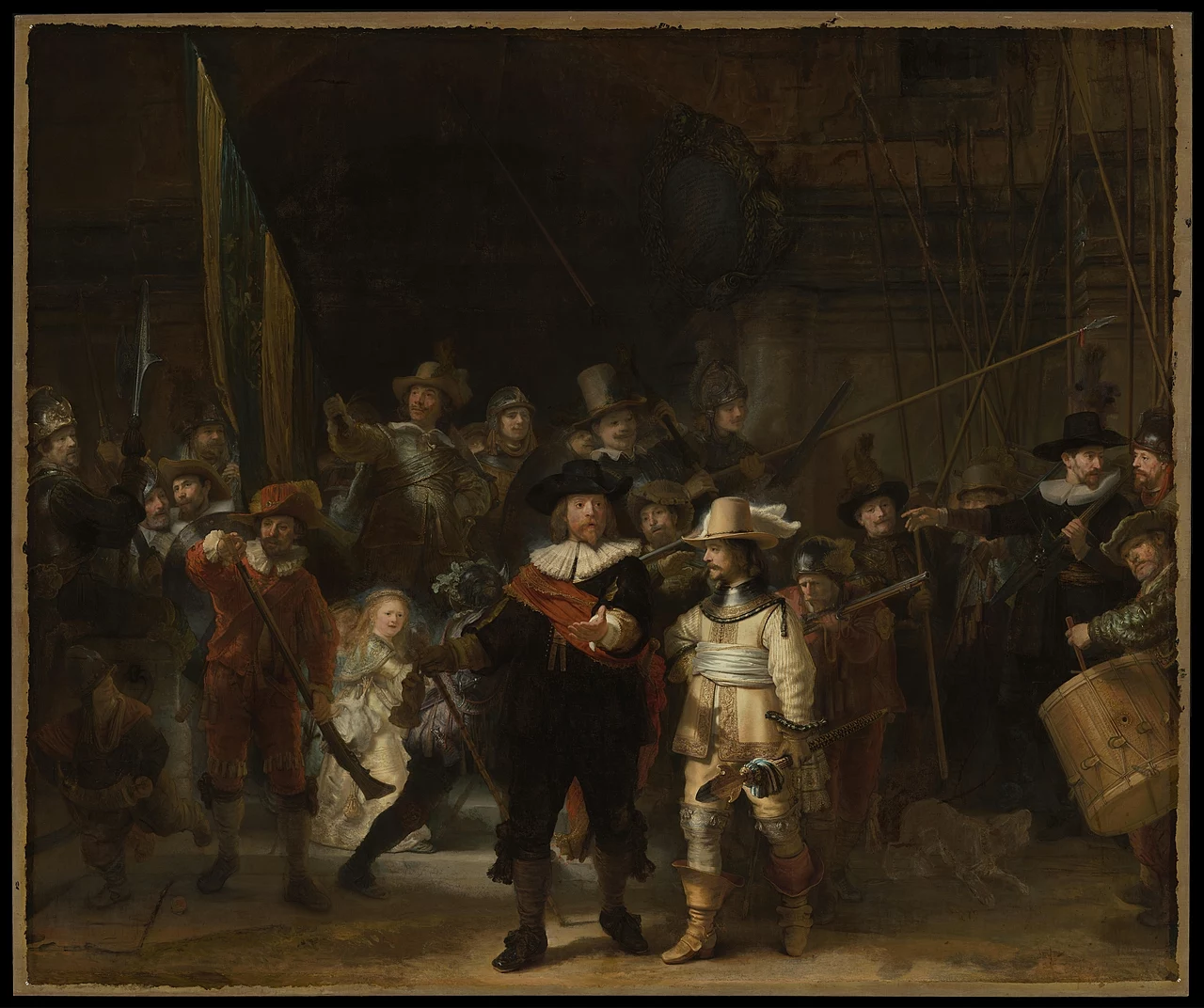
The Night Watch
Rembrandt van Rijn, 1642
Rijksmuseum, Amsterdam
T
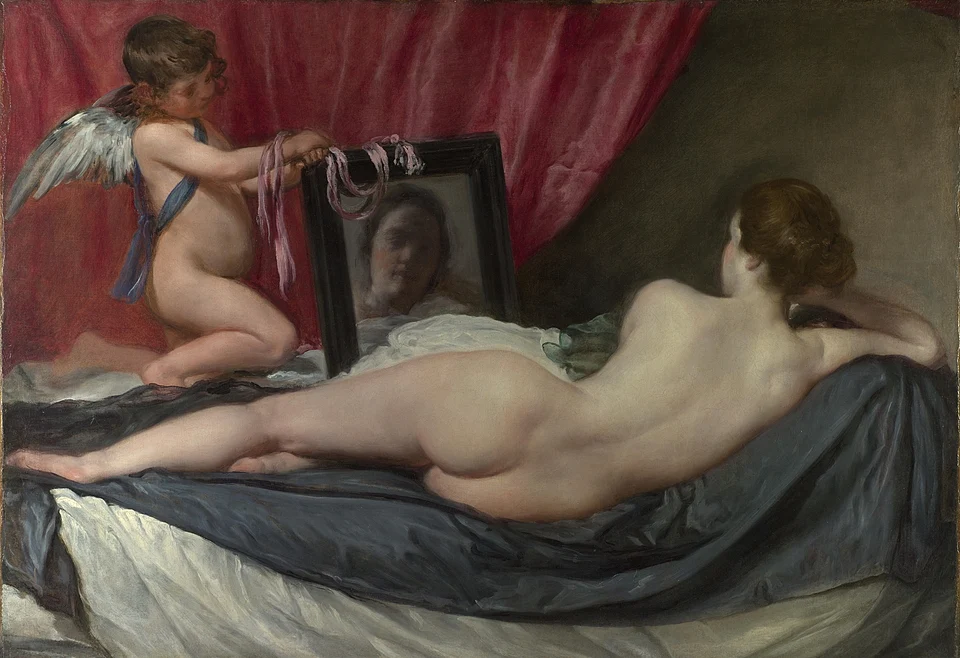
The Rokeby Venus
Diego Velázquez, 1650
National Gallery, London
P
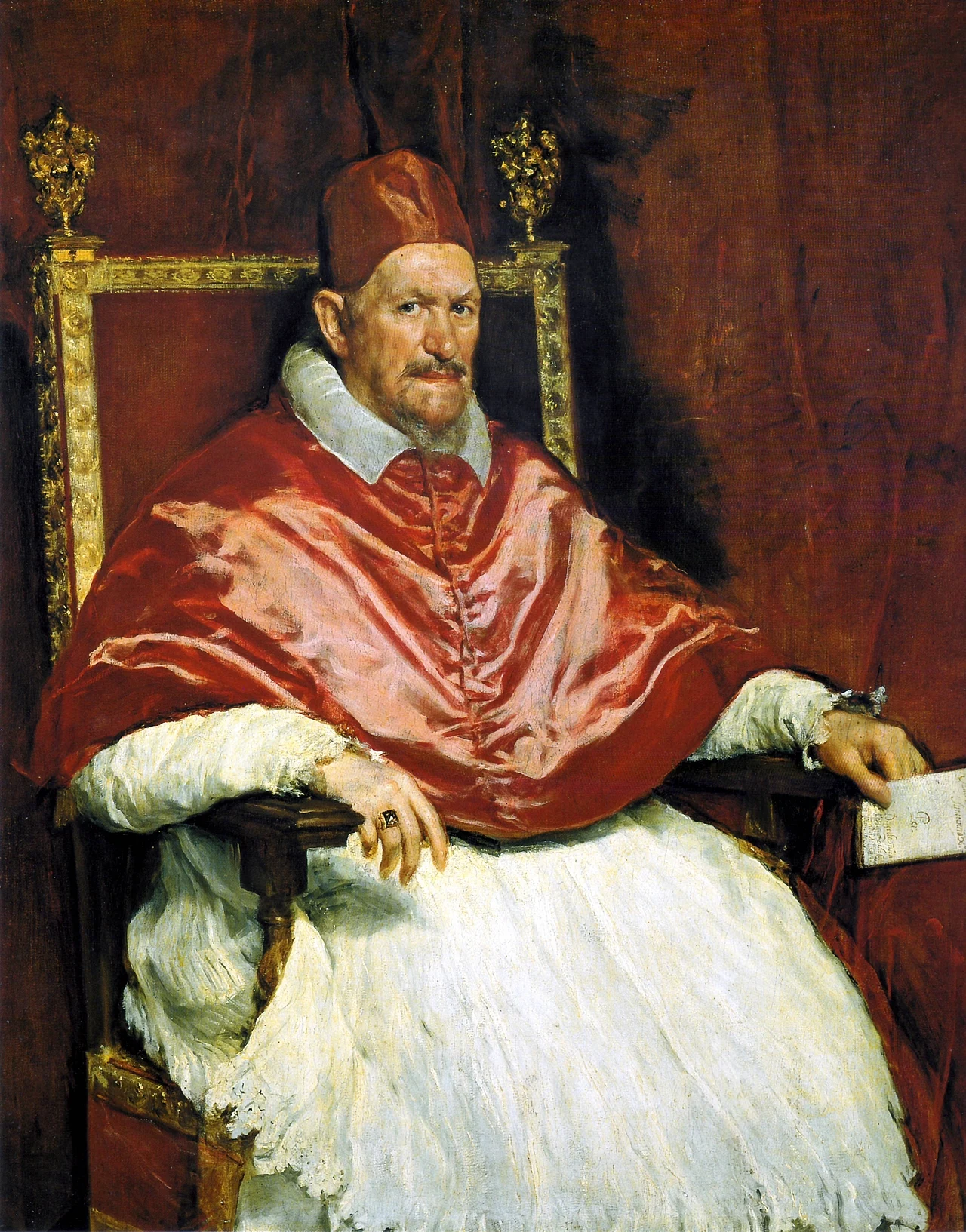
Portrait of Innocent X
Diego Velázquez, 1650
Galleria Doria Pamphilj, Rome
B
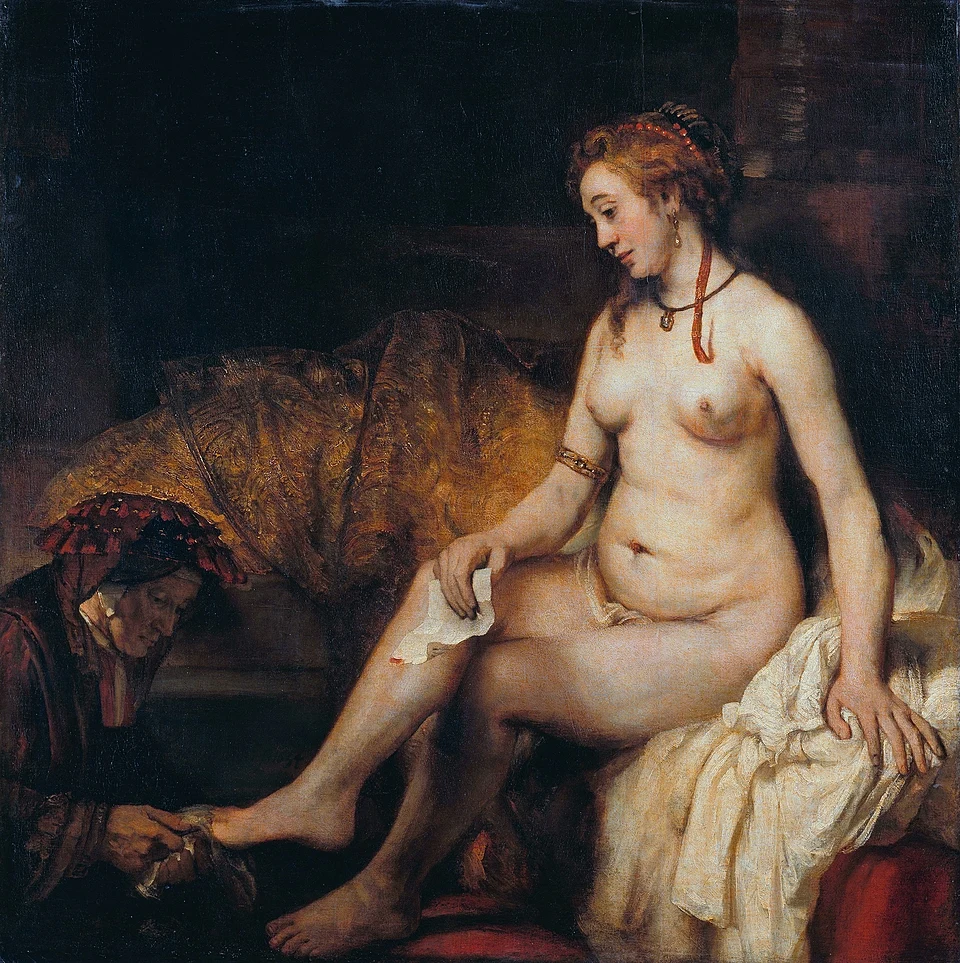
Bathsheba at Her Bath
Rembrandt van Rijn, 1654
Louvre, Paris, Paris
L
Las Meninas
Diego Velázquez, 1656
Museo del Prado, Madrid, Madrid
W
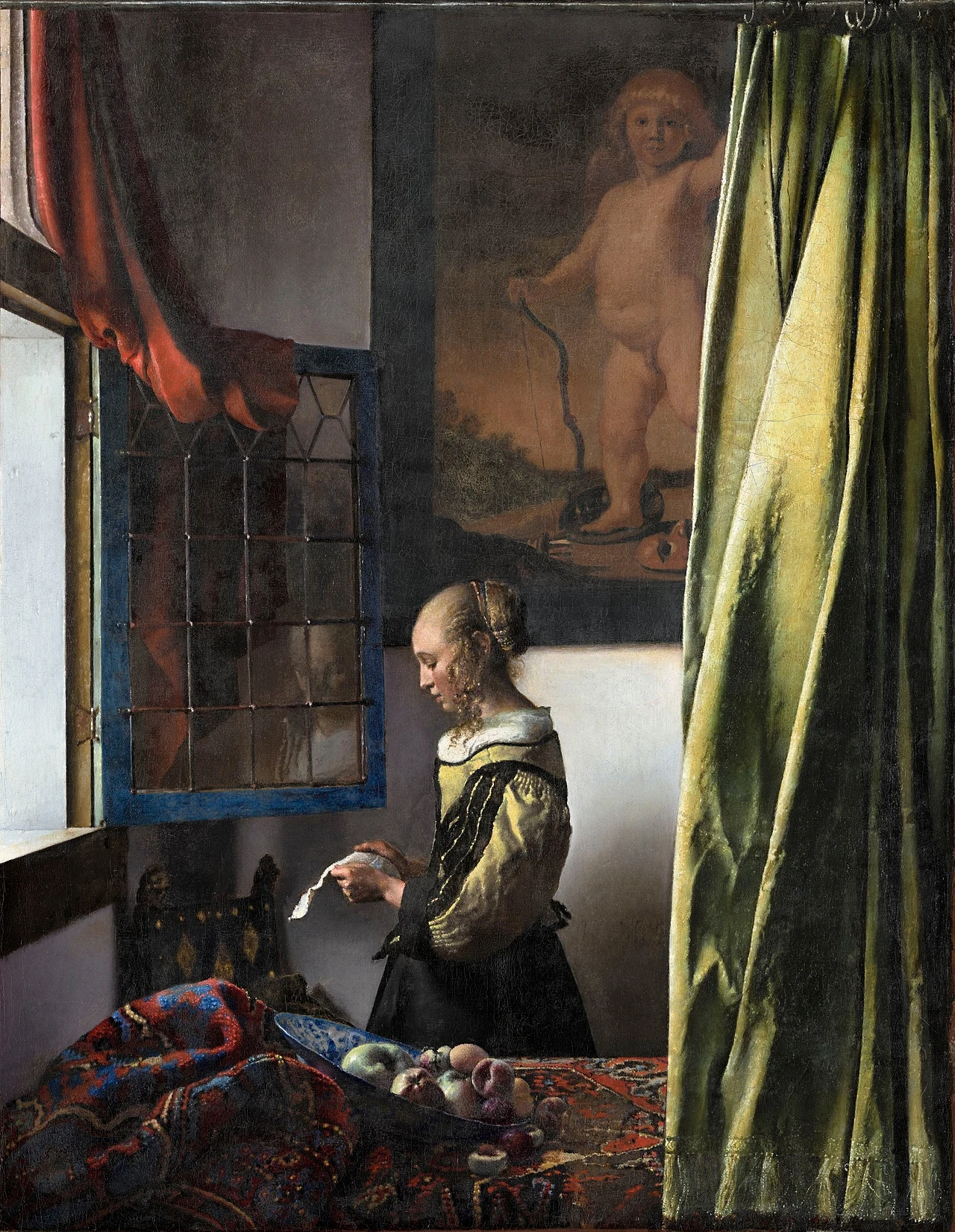
Woman Reading a Letter
Johannes Vermeer, 1663
Rijksmuseum, Amsterdam
W
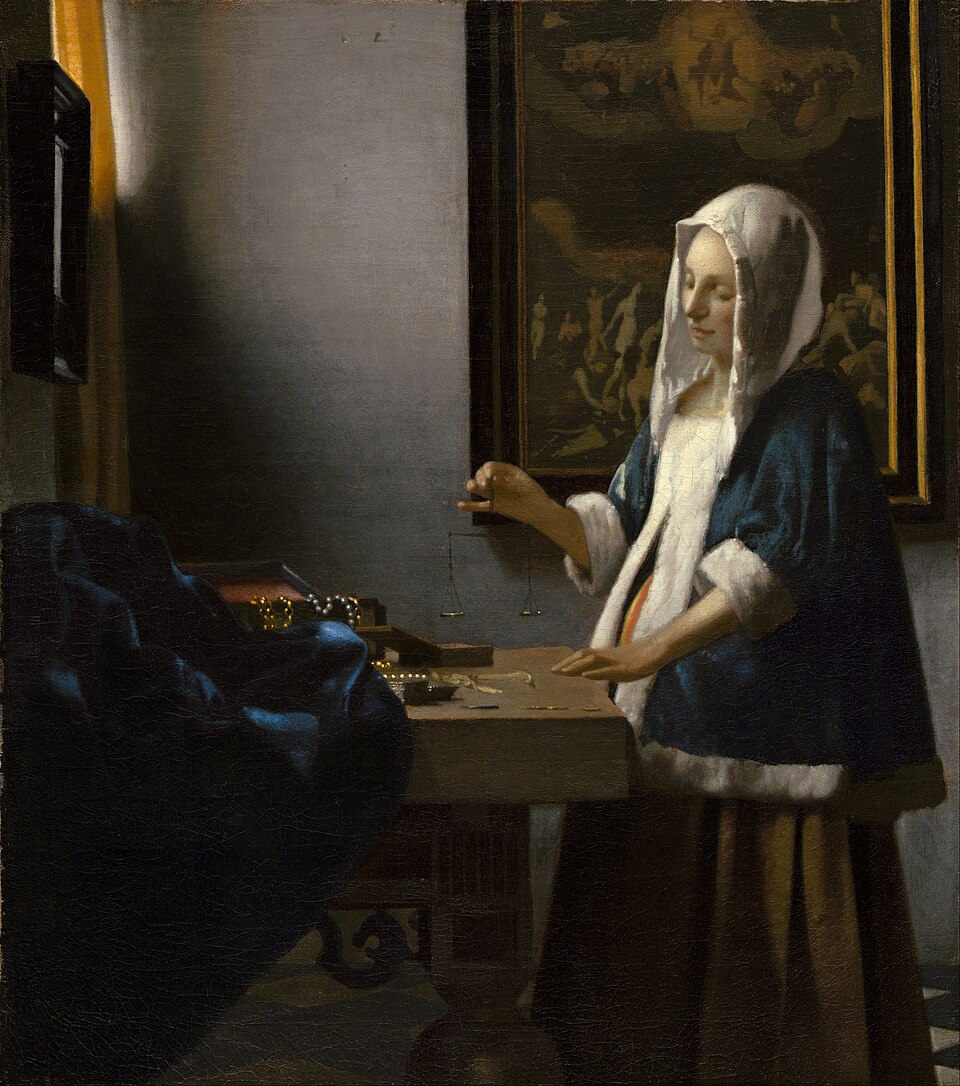
Woman Holding a Balance
Johannes Vermeer, 1664
National Gallery of Art, Washington, D.C.
G
Girl with a Pearl Earring
Johannes Vermeer, 1665
Mauritshuis, The Hague
About Baroque & Rococo
Baroque art (1600-1750) is known for dramatic lighting, emotional intensity, and theatrical compositions. Caravaggio pioneered tenebrism, where figures emerge from deep shadows into spotlight, creating psychological tension that moved viewers emotionally.
Baroque served churches and monarchs with dramatic, large-scale works emphasizing power and faith. Rococo (1720-1780) served aristocrats with lighter, decorative art featuring pastel colors, playful subjects, and ornate detail. Rococo was essentially Baroque's frivolous younger sibling.
Key masters include Caravaggio (dramatic lighting), Rembrandt (psychological depth), Vermeer (luminous interiors), Rubens (monumental grandeur), and Velázquez (royal portraiture).
The Dutch Golden Age (1588-1672) saw unprecedented artistic production in the Netherlands. Protestant merchants commissioned landscapes, still lifes, and genre scenes instead of religious art. Rembrandt and Vermeer emerged from this golden period.
The Rijksmuseum holds Rembrandt's Night Watch. The Prado has Velázquez's Las Meninas. Caravaggio's works are scattered across Rome's churches. The Louvre and Met have extensive Baroque collections.
Bring Baroque & Rococo Home
Luxury art prints inspired by these iconic masterpieces. Museum-quality canvas for your walls.
Shop Baroque & Rococo Art