1905 – 1930
Expressionism
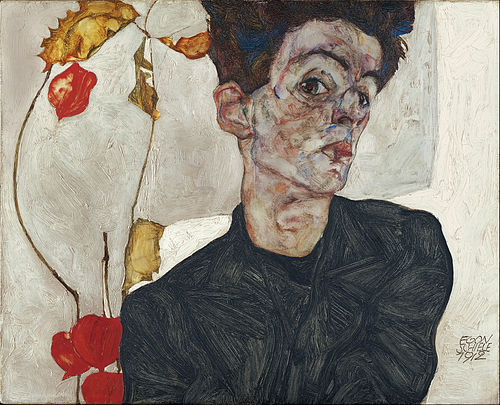
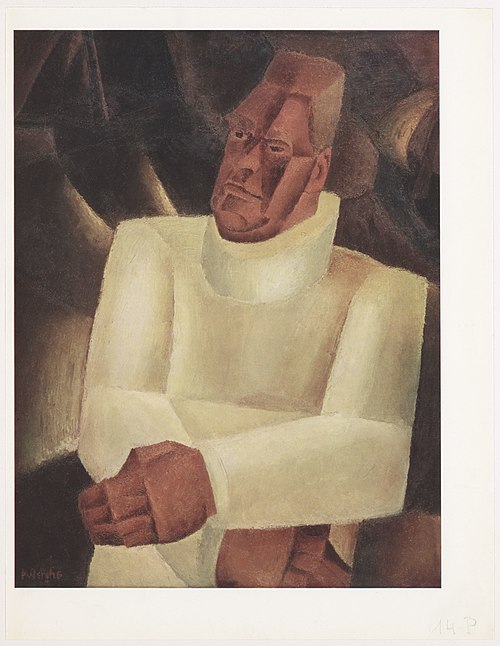
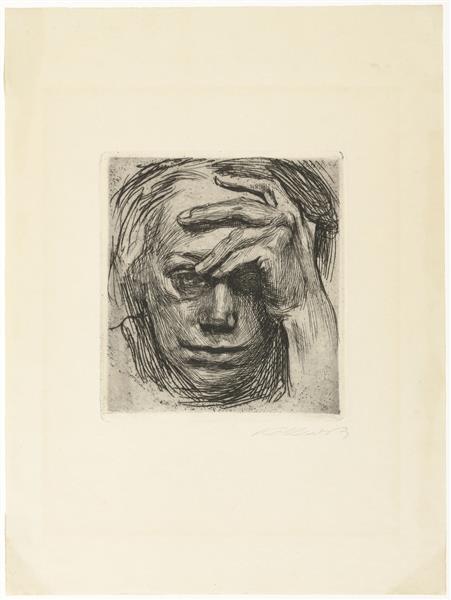
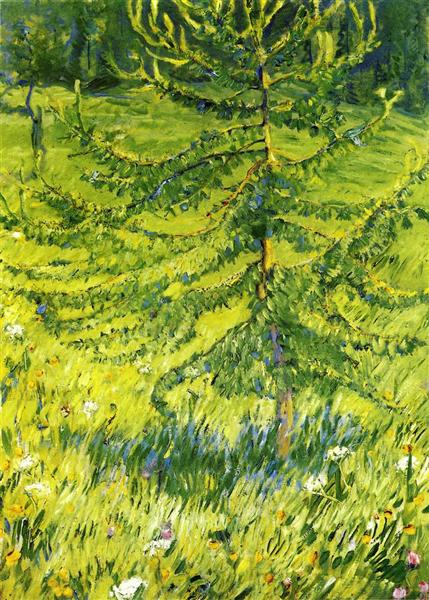
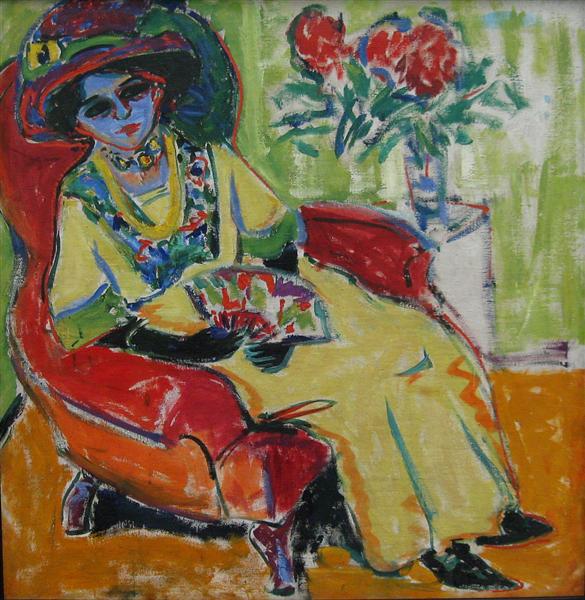
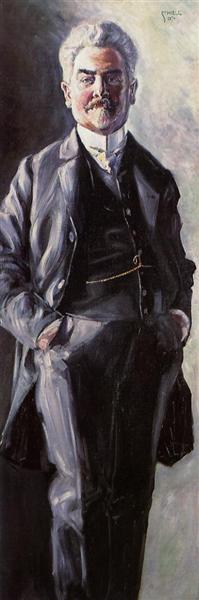
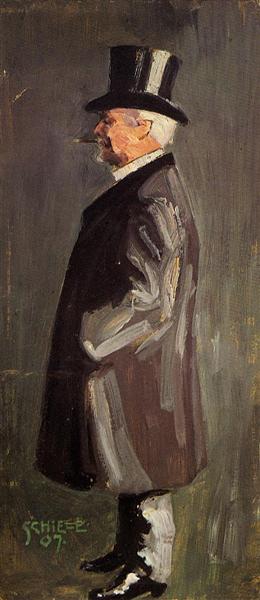
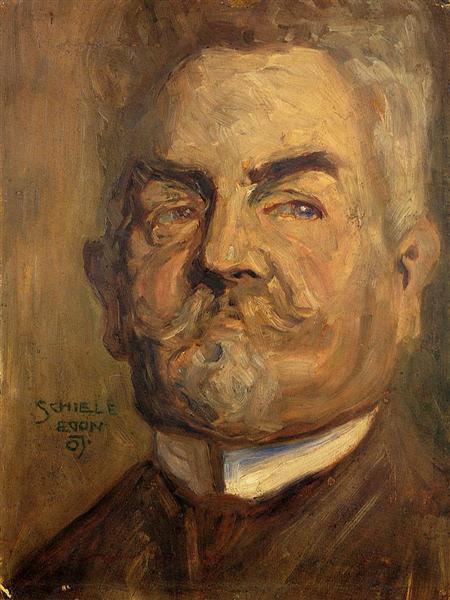
Expressionism prioritized raw emotion over accurate representation. Emerging in Germany around 1905, artists distorted form and used intense, non-naturalistic colors to express inner psychological states. Edvard Munch's The Scream (1893) anticipated the movement, its anguished figure becoming an icon of modern anxiety.
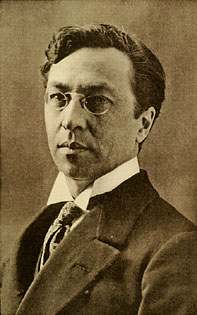
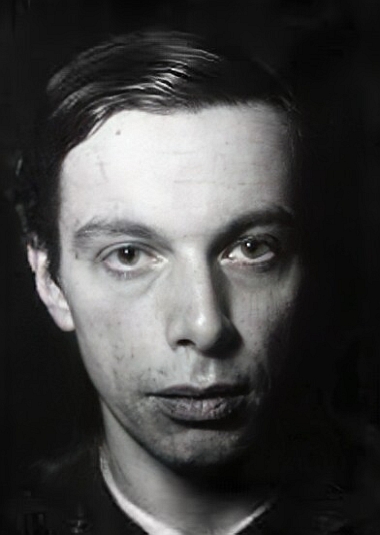
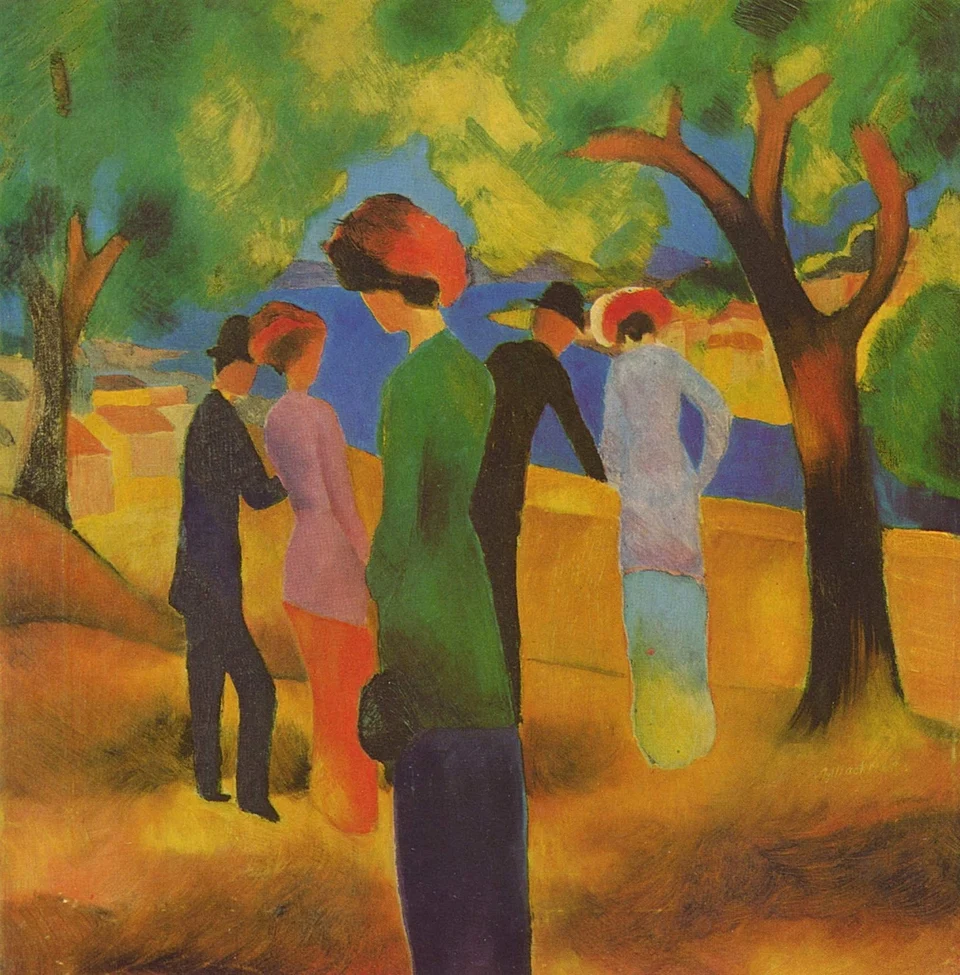
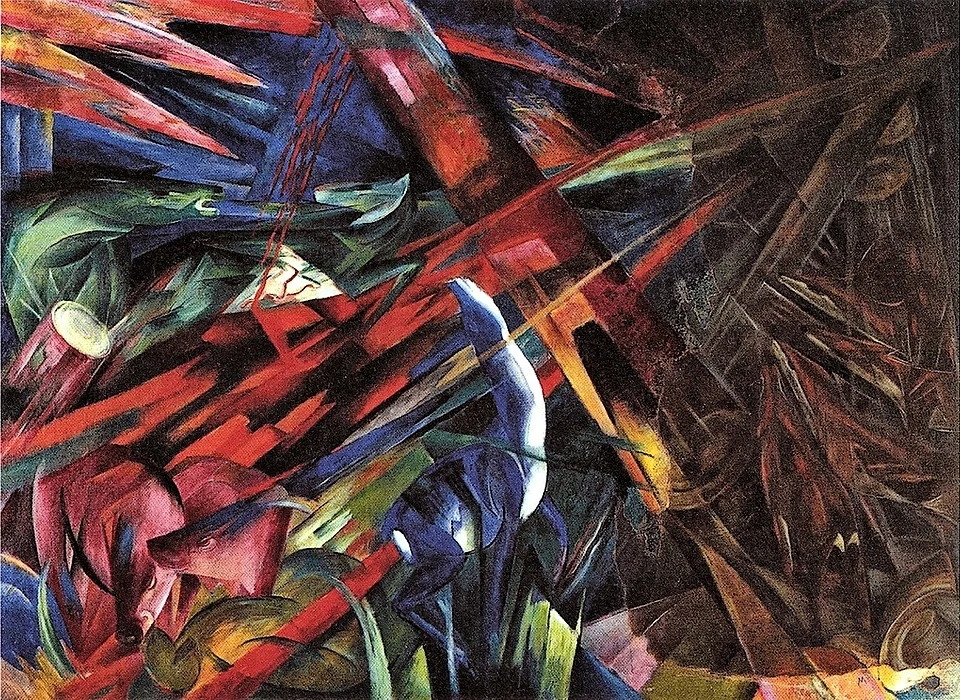
Two German groups defined the movement. Die Brücke (The Bridge), founded in Dresden, included Ernst Ludwig Kirchner and Emil Nolde, who used jagged forms and clashing colors. Der Blaue Reiter (The Blue Rider) in Munich included Wassily Kandinsky, Franz Marc, and Paul Klee, moving toward abstraction while maintaining emotional intensity.
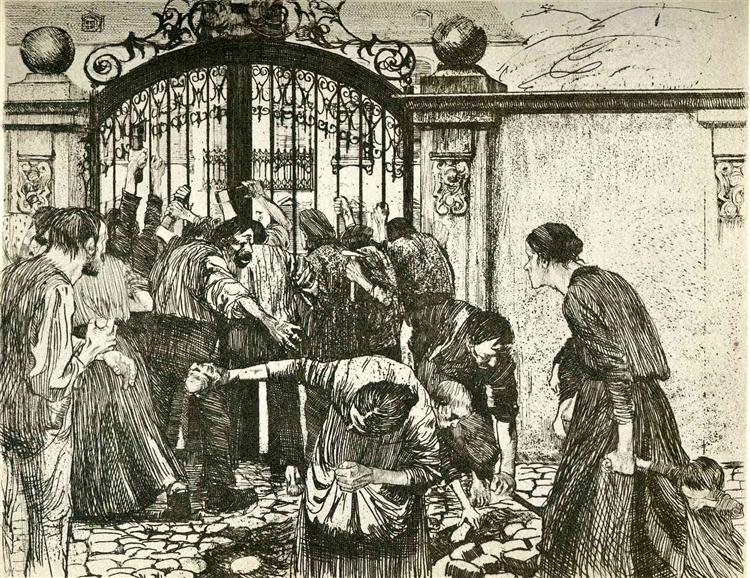
After World War I, New Objectivity artists like Otto Dix and George Grosz turned Expressionist distortion toward social criticism, depicting the horrors of war and Weimar decadence. The Nazis condemned Expressionism as "degenerate art," confiscating thousands of works. Today, major collections exist at the MoMA, German museums, and the Tate Modern.
What to Look For
Spotting Expressionism art in museums and galleries:
- 1Distorted, elongated, or exaggerated human figures
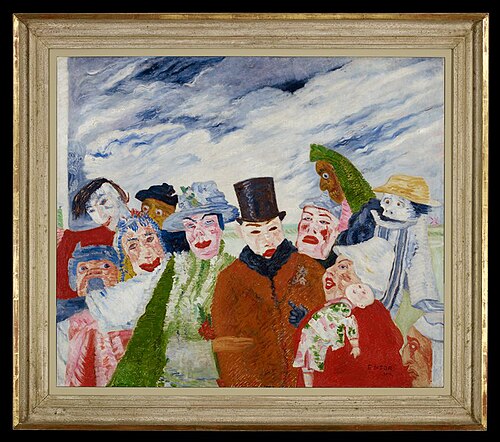
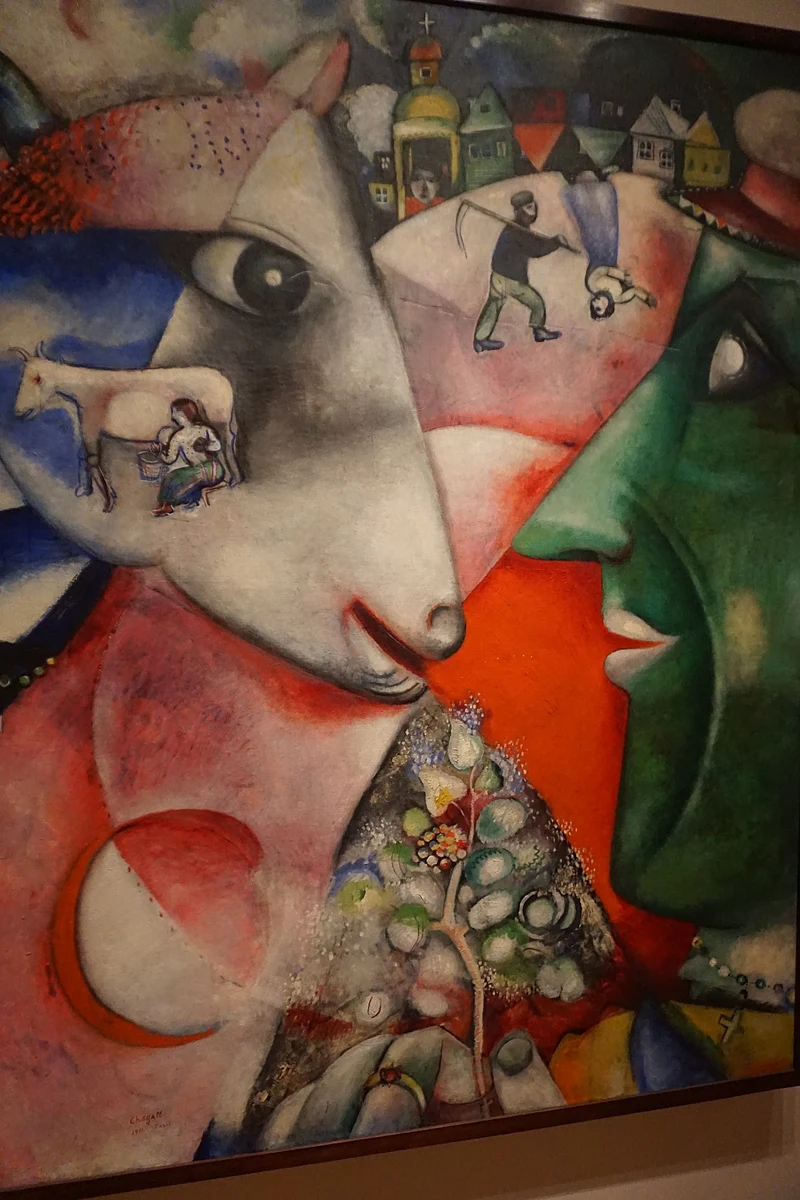
- 2Intense, non-naturalistic colors (green faces, orange skies)
- 3Jagged, angular lines creating psychological tension
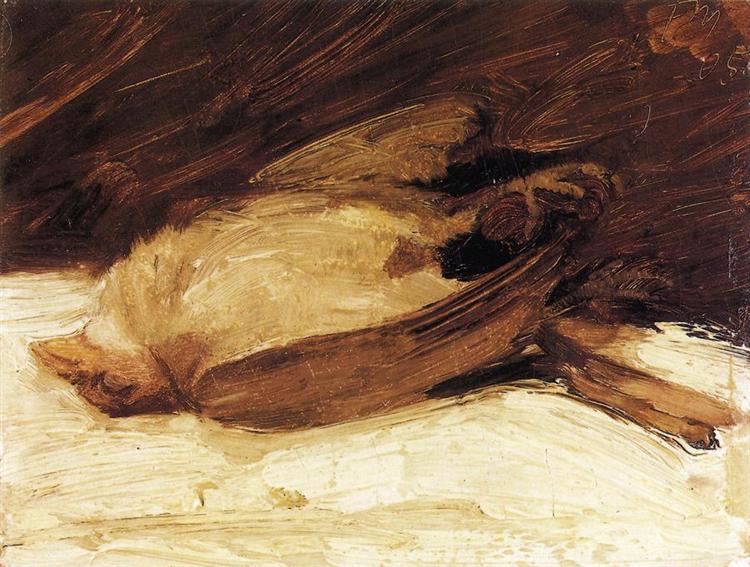
- 4Visible, aggressive brushwork conveying emotion
- 5Subjects expressing anxiety, alienation, or inner turmoil
- 6Urban scenes depicting modern life's chaos and isolation
- 7Simplified, almost woodcut-like forms (Die Brücke)
- 8Animals and nature rendered with spiritual intensity (Der Blaue Reiter)
At a Glance
- Period
- 1905 – 1930
- Artists
- 15
- Artworks
- 137
Defining Features
Distorted formsIntense colorsEmotional contentPsychological themesBold brushwork
Expressionism Artists
15 artists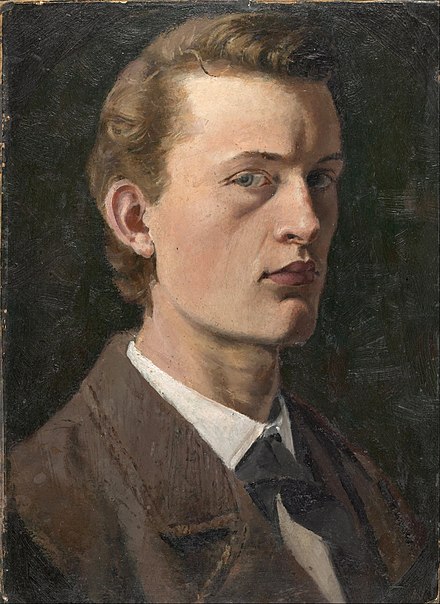
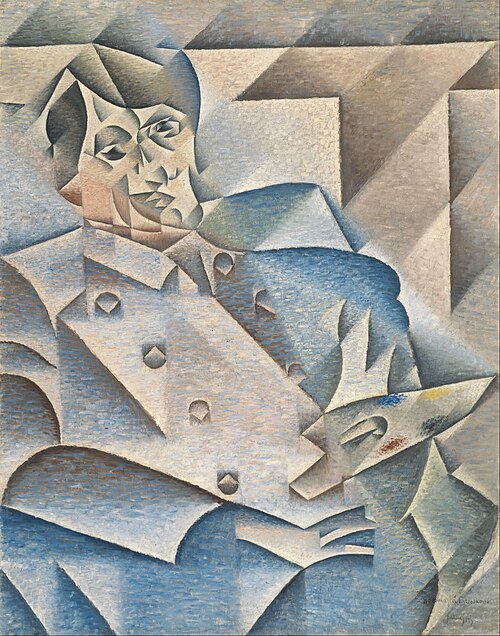
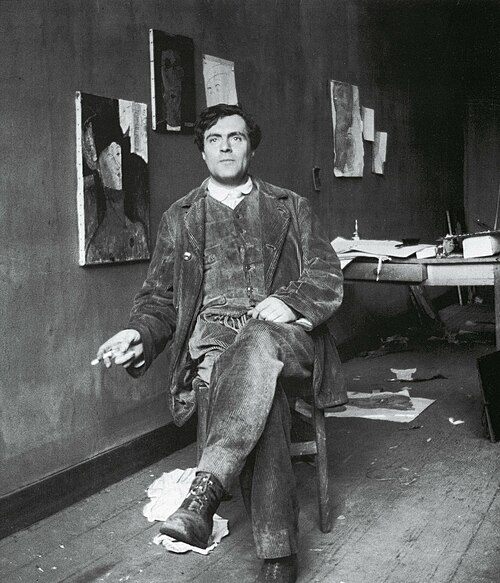
Expressionism Masterpieces
12 works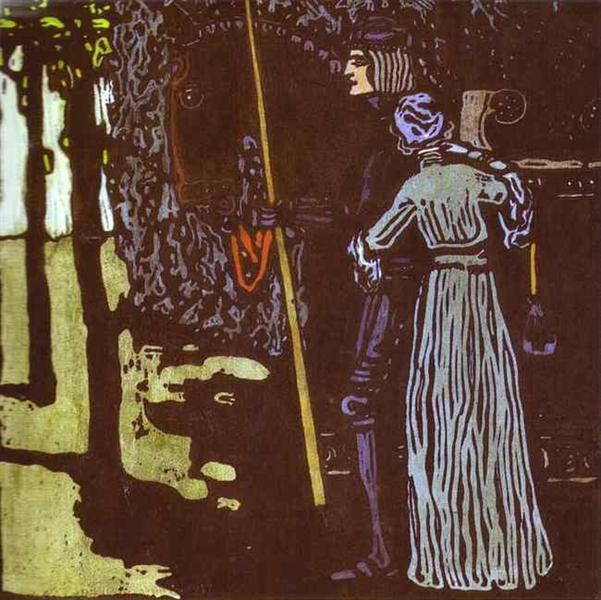
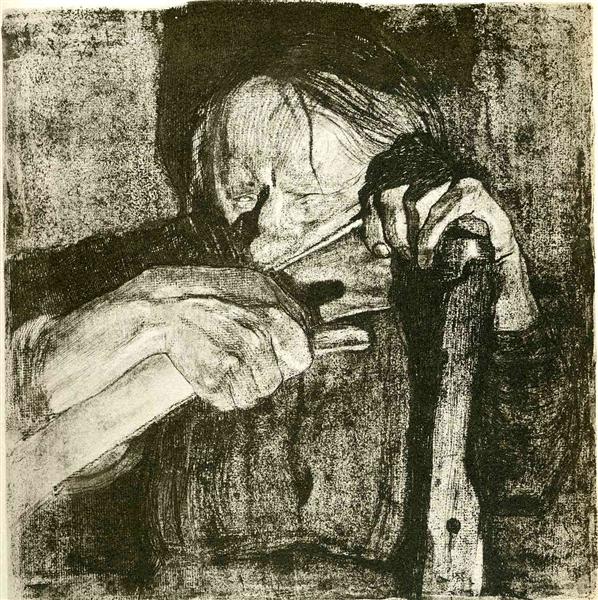
About Expressionism
Expressionism (1905-1930) prioritized emotional truth over visual accuracy. German artists used distorted forms and intense colors to express psychological states. Edvard Munch's The Scream exemplifies this approach to conveying inner anguish through visual distortion.
Key Expressionists include Edvard Munch (Norwegian precursor), Ernst Ludwig Kirchner and Emil Nolde (Die Brücke), and Wassily Kandinsky, Franz Marc, and Paul Klee (Der Blaue Reiter).
Die Brücke (Dresden, 1905) used jagged forms and harsh colors for emotional impact. Der Blaue Reiter (Munich, 1911) was more spiritual and abstract, with Kandinsky exploring color's emotional properties and moving toward non-representational art.
The MoMA New York and Tate Modern London have major Expressionist collections. German museums, especially in Berlin and Munich, hold important works. Munch's The Scream is at the National Gallery of Norway in Oslo.
The war's horrors intensified Expressionist anguish. Many artists served and some died. Afterward, New Objectivity artists like Otto Dix used Expressionist distortion to depict war's trauma and Weimar society's decay. The Nazis later banned Expressionism as "degenerate art."
Bring Expressionism Home
Luxury decor featuring museum-quality canvas prints inspired by these iconic masterpieces.
Shop Expressionism Art