1400 - 1599
Renaissance
The rebirth of classical ideals. Linear perspective, anatomical mastery, and artistic genius.
About Renaissance
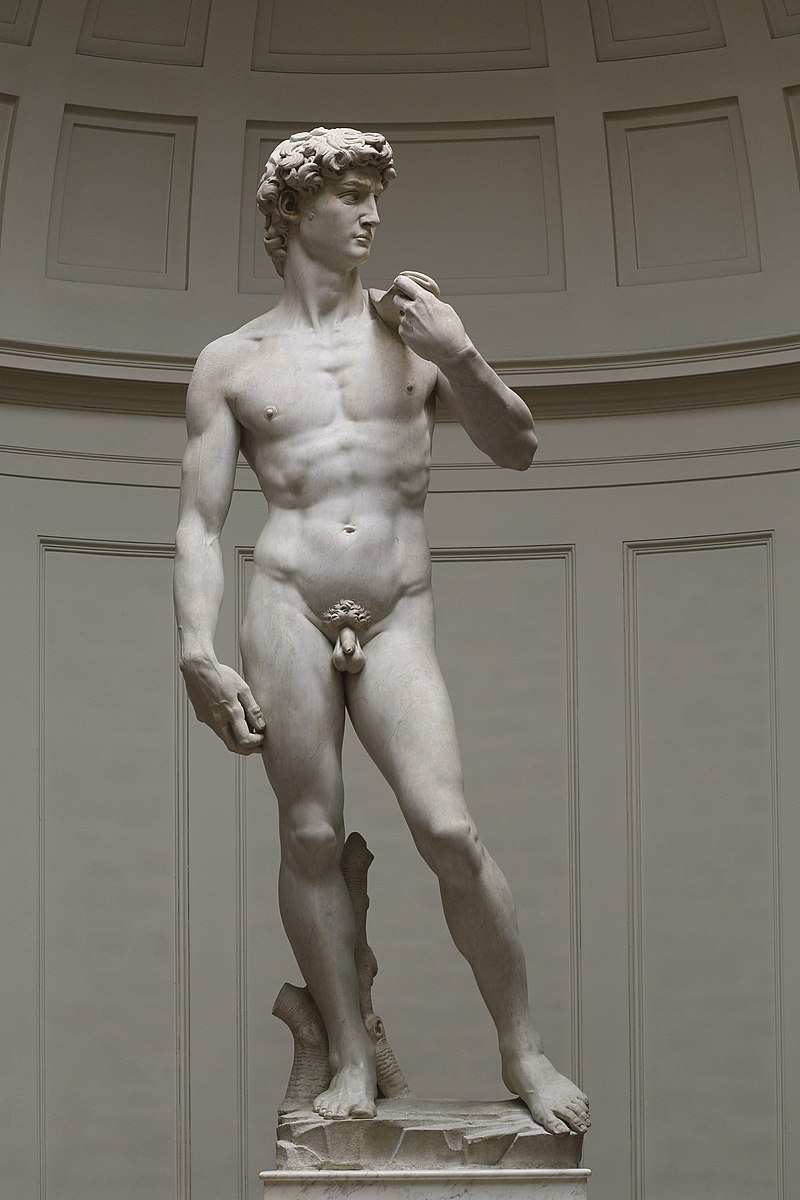
The Renaissance means "rebirth," and that's exactly what happened in Florence around 1400. Artists rediscovered classical Greek and Roman ideals, studied ancient sculptures, and developed techniques that would define Western art for centuries. Leonardo da Vinci, Michelangelo, and Raphael didn't just paint. They investigated anatomy, mathematics, and engineering to understand how the world actually worked.
Linear perspective was the critical breakthrough. Filippo Brunelleschi demonstrated how parallel lines converge at a vanishing point, and suddenly painters could create convincing depth on flat surfaces. Botticelli's graceful figures, Titian's rich colors, and Leonardo's sfumato technique (soft, smoky transitions between tones) became defining characteristics. Oil painting, imported from Northern Europe, allowed for luminous glazes and subtle gradations impossible with tempera.
The Medici family in Florence bankrolled much of this explosion. Wealthy patrons competed for the best artists, and for the first time, individual genius mattered. Artists signed their work. They became celebrities. Humanism placed mankind at the center of inquiry, and portraits flourished alongside religious subjects. By the time the High Renaissance peaked around 1500, art had transformed from anonymous craft to celebrated profession.
What Was Happening in the World
Constantinople fell to the Ottomans in 1453, sending Greek scholars fleeing west with ancient texts. Gutenberg invented the printing press, spreading ideas faster than ever before. Columbus sailed to the Americas. Banking families like the Medici grew wealthy enough to rival kings and spent fortunes on art. Leonardo dissected corpses to understand anatomy. The Protestant Reformation split Christianity. Science began replacing faith as the path to knowledge. For the first time, individual genius mattered more than guild tradition.
What to Look For
Spotting Renaissance art in museums and galleries:
- 1Converging lines leading to a vanishing point (linear perspective)
- 2Realistic human anatomy with muscular definition and natural poses
- 3Soft, hazy transitions between light and shadow (sfumato)
- 4Classical architectural elements: columns, arches, domes
- 5Triangular or pyramidal compositions creating visual stability
- 6Figures with weight and volume standing on solid ground
- 7Rich, luminous colors from oil paint glazing techniques
- 8Landscapes with atmospheric perspective (distant objects bluer and hazier)
At a Glance
- Period
- 1400 - 1599
- Movements
- 5
- Artists
- 61
- Artworks
- 434
Renaissance Movements
5 movements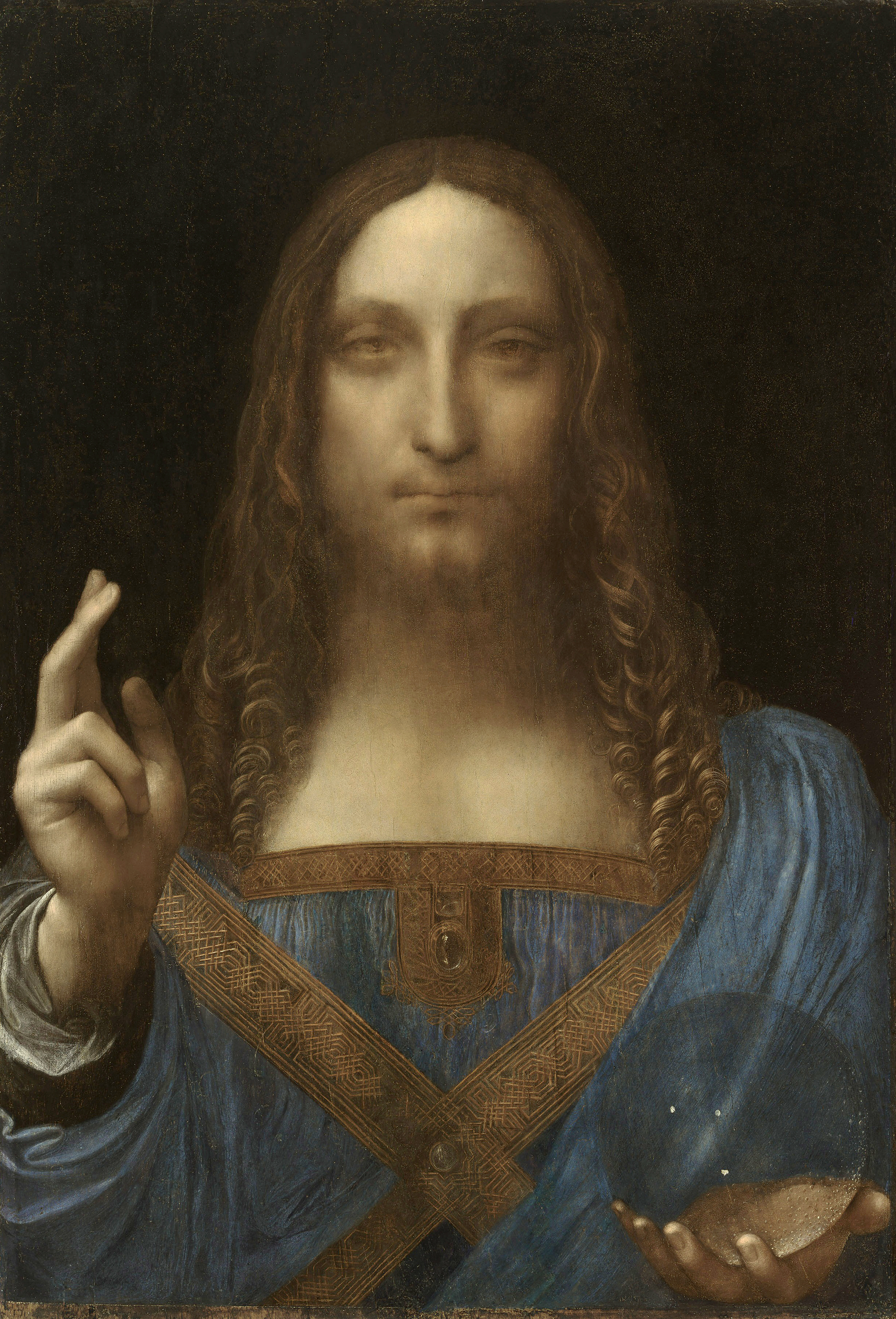
+30
Renaissance
1400 – 1600The Renaissance was a cultural movement that began in Italy in the 14th century and spread throughout Europe. It marked a renewed interest in classical Greek and Roman culture, emphasizing humanism, perspective, and naturalistic representation.
33 artists

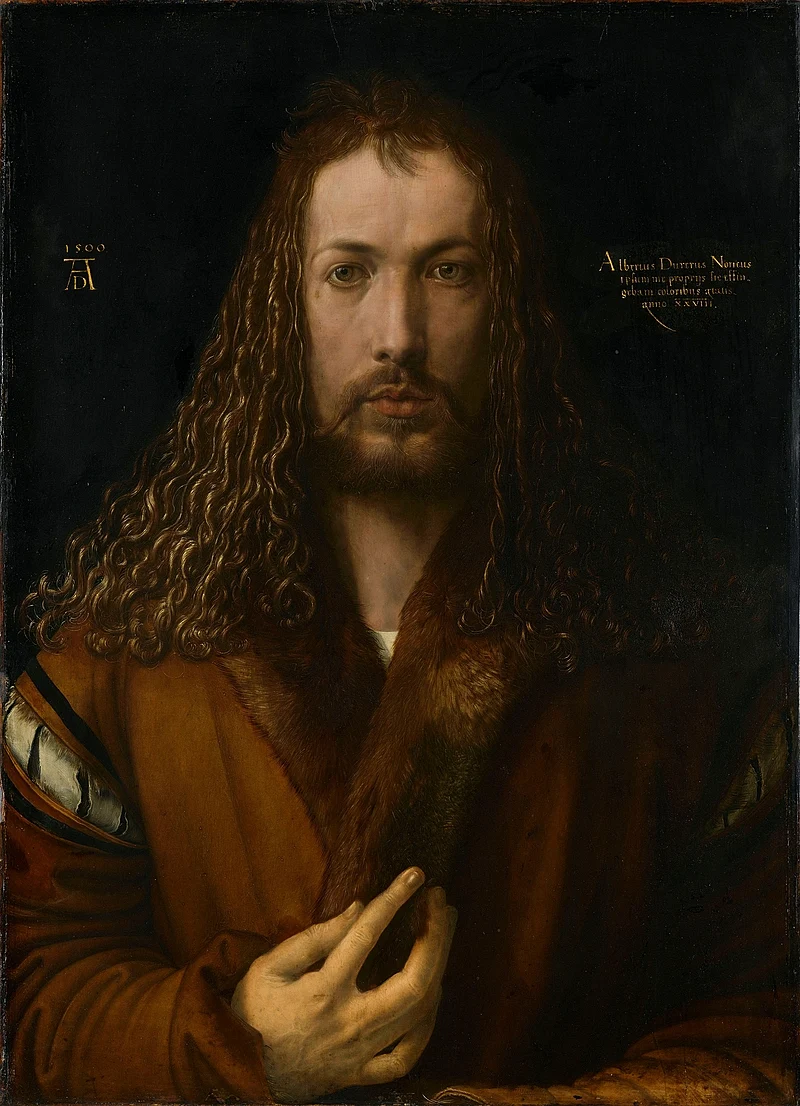
+2
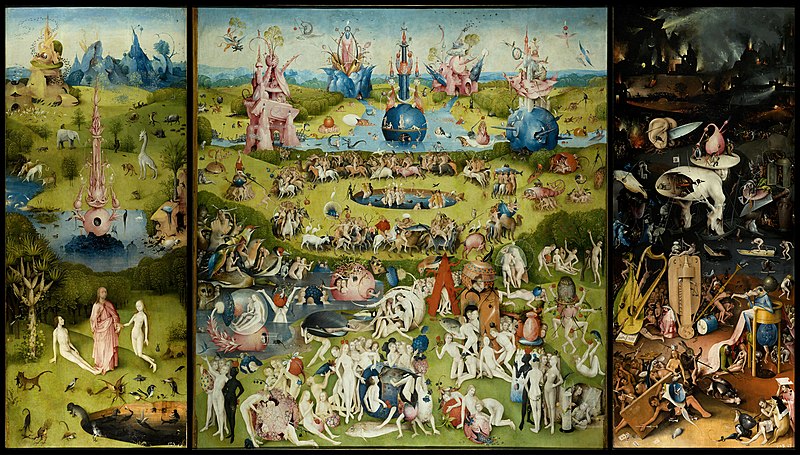
Northern Renaissance
1430 – 1580The Northern Renaissance refers to the Renaissance in northern Europe, known for its intense realism, intricate detail, and pioneering oil painting techniques.
5 artists
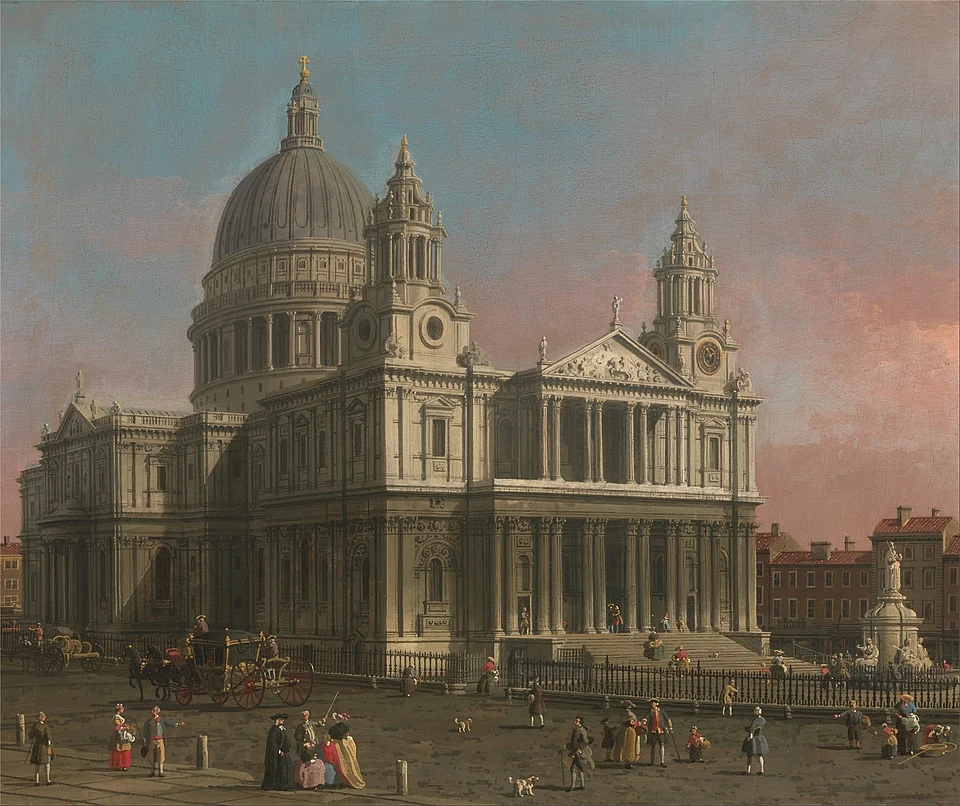
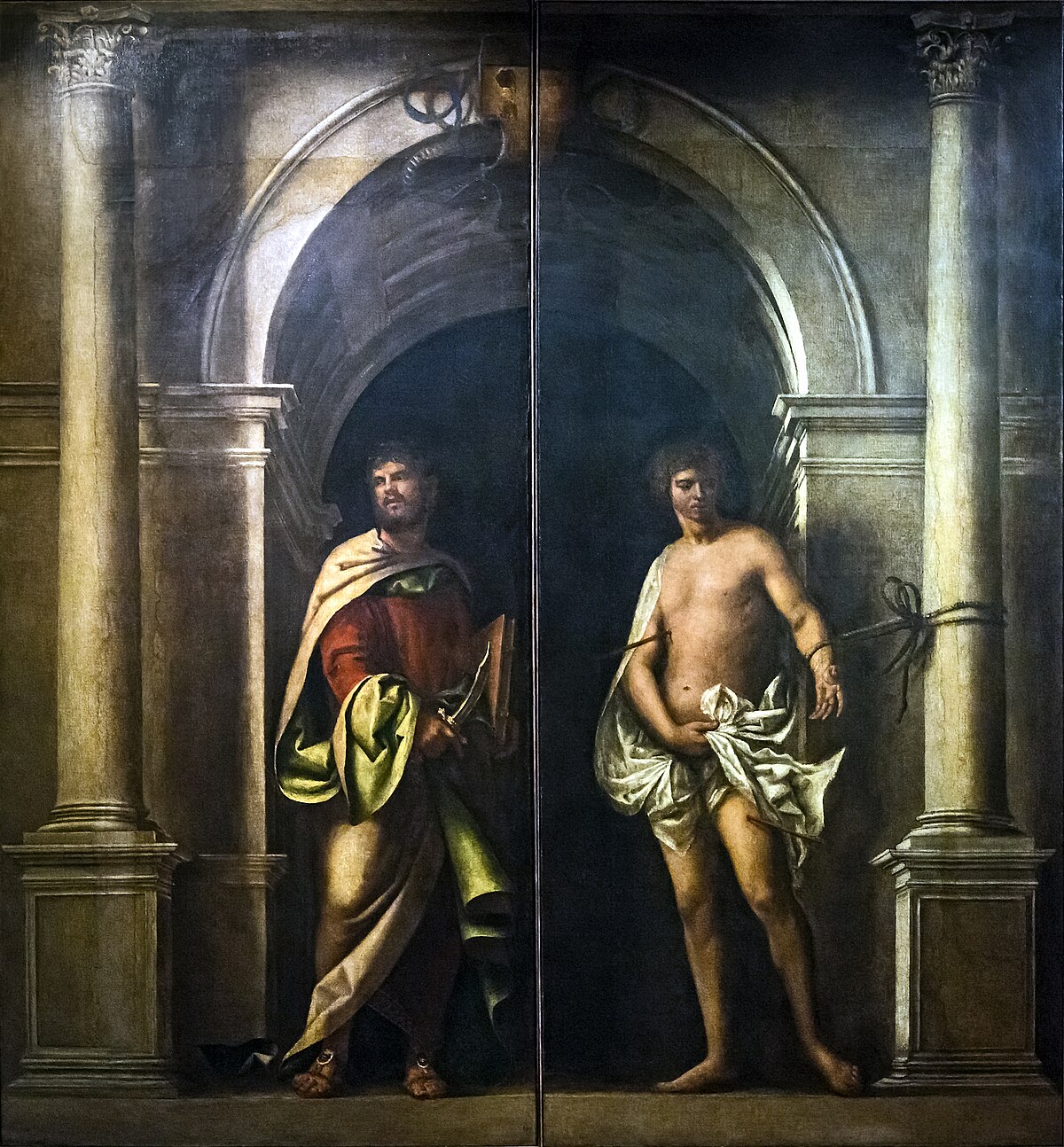
+2
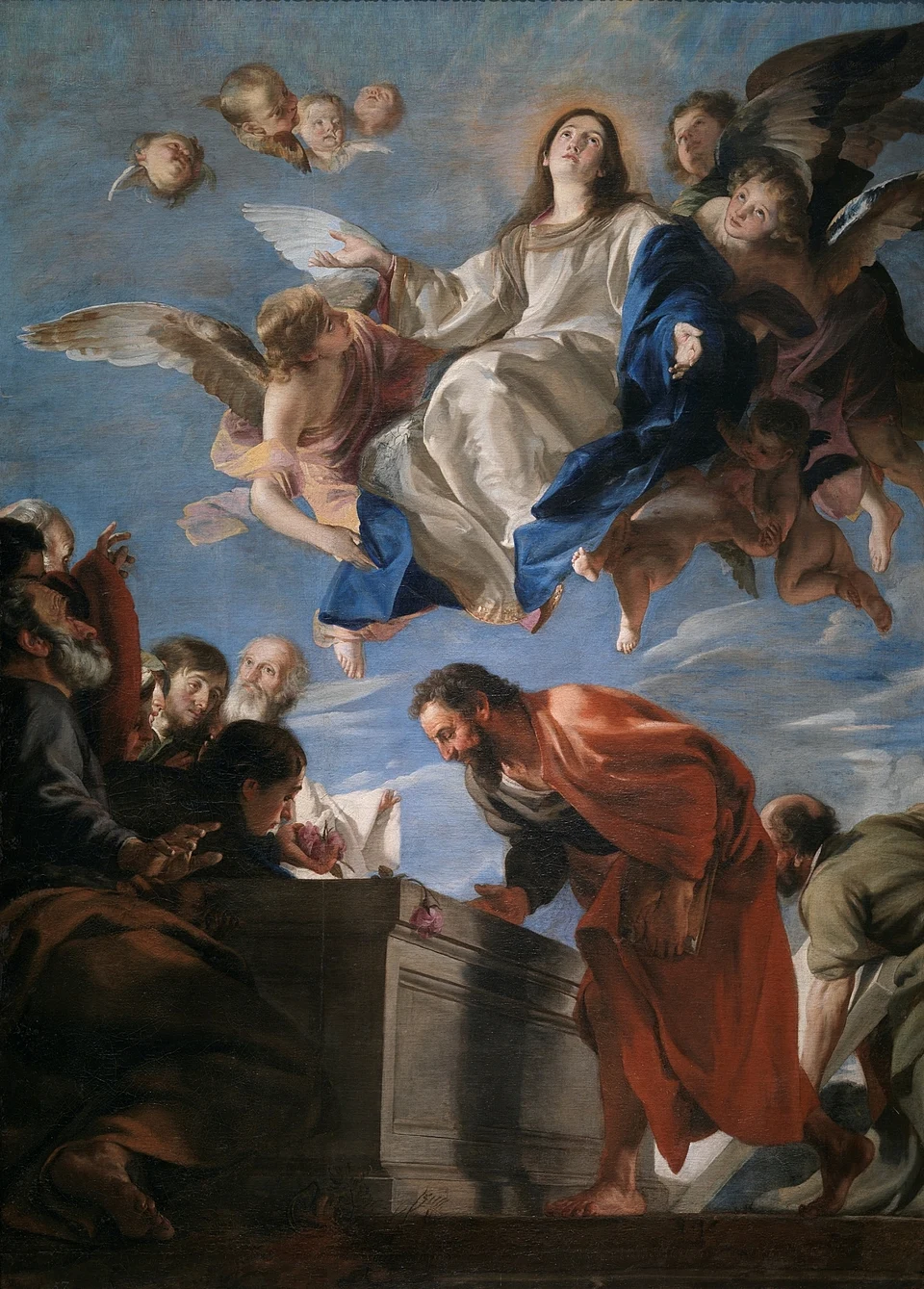
Venetian School
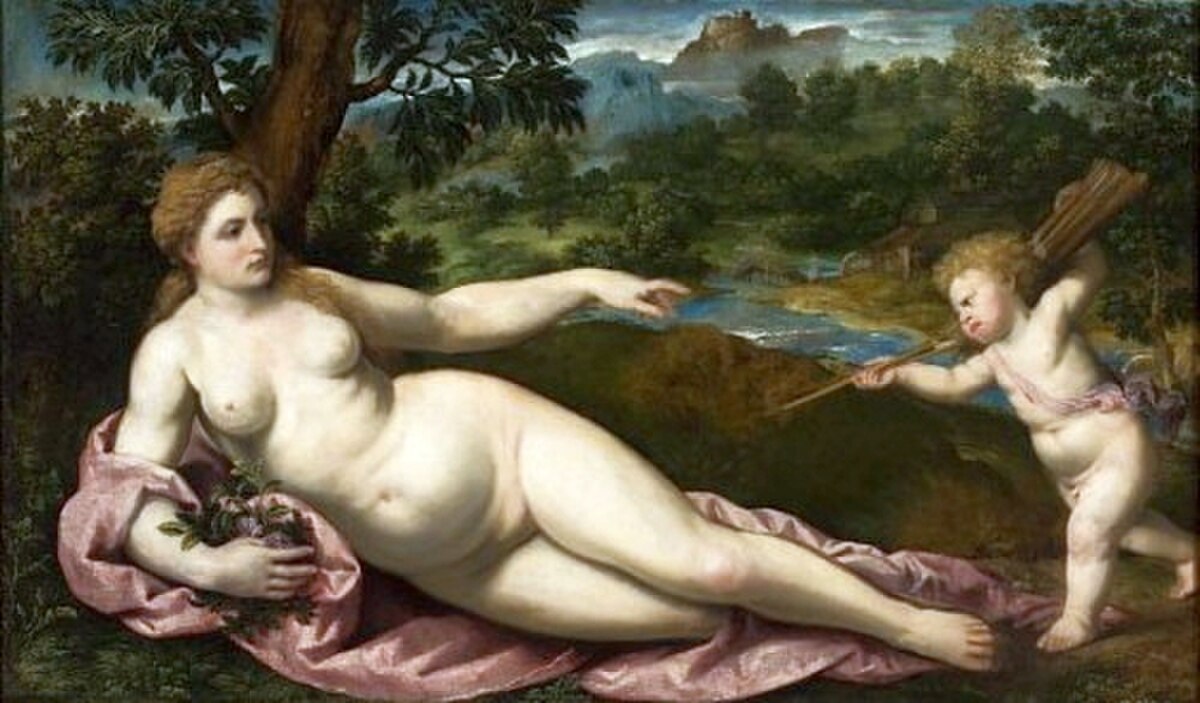
1450 – 1800The Venetian School of painting flourished from the 15th to 18th centuries, characterized by rich color, atmospheric effects, and sensuous brushwork. Venice's unique light and maritime culture influenced artists to emphasize color over the Florentine preference for line.
5 artists
+3
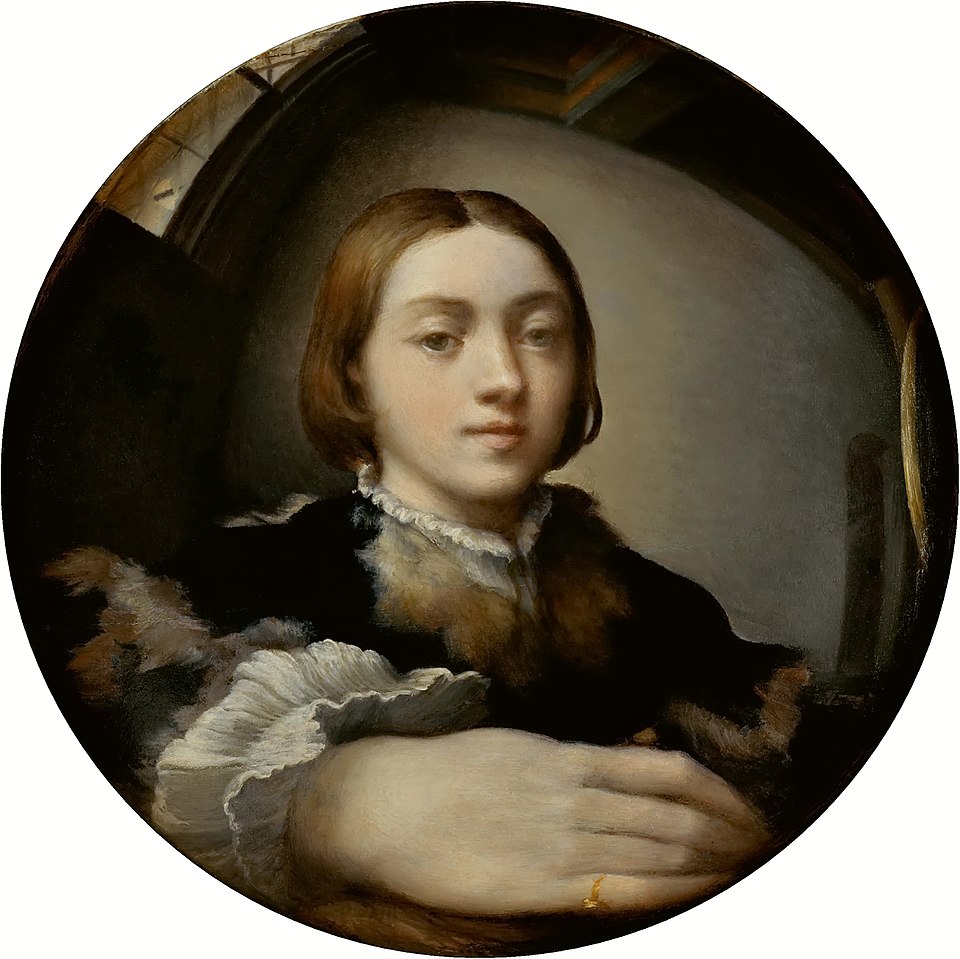
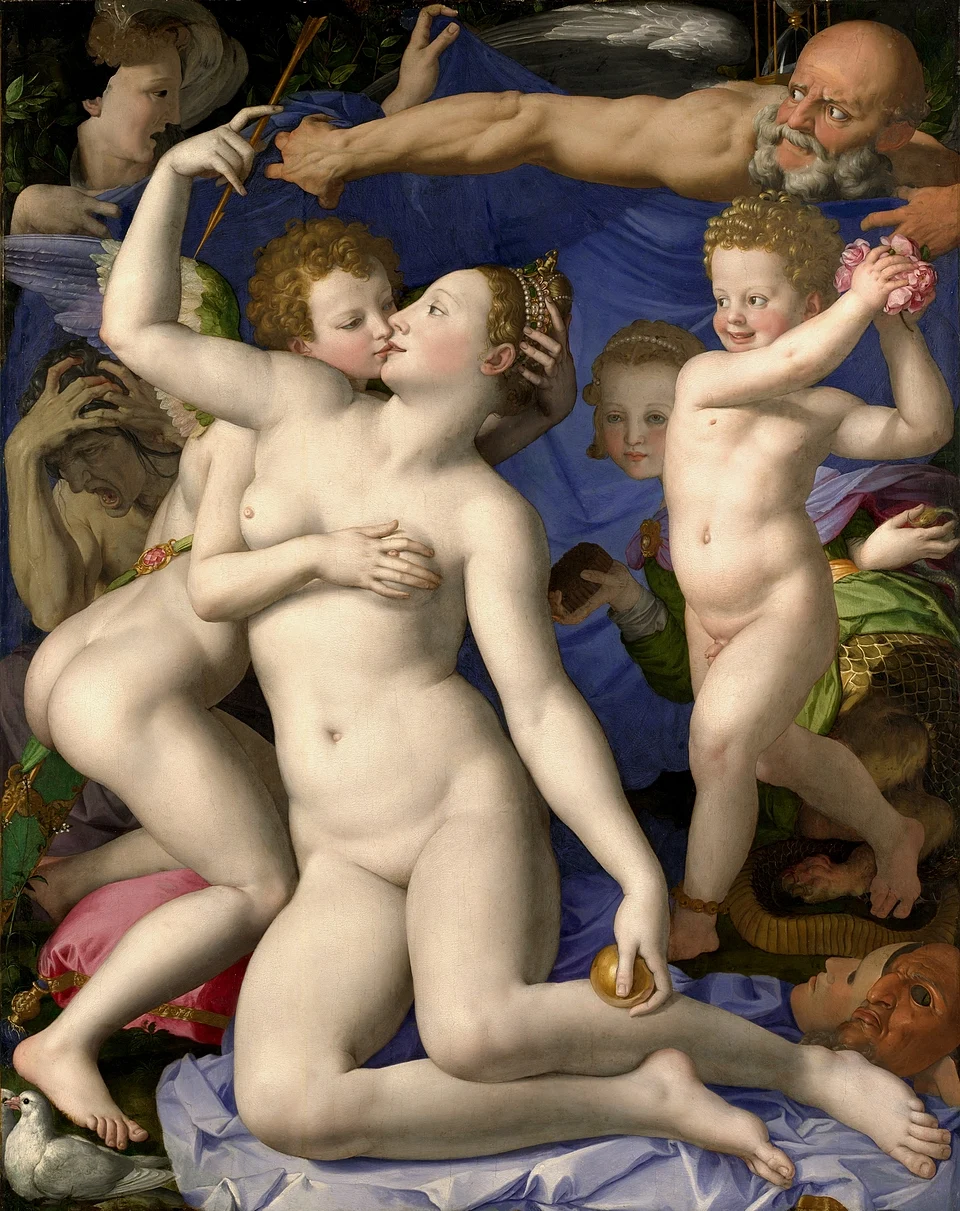
Mannerism
1520 – 1600A style that emerged in Italy around 1520, characterized by elongated figures, unusual spatial compositions, and sophisticated allegory.
6 artists
+14
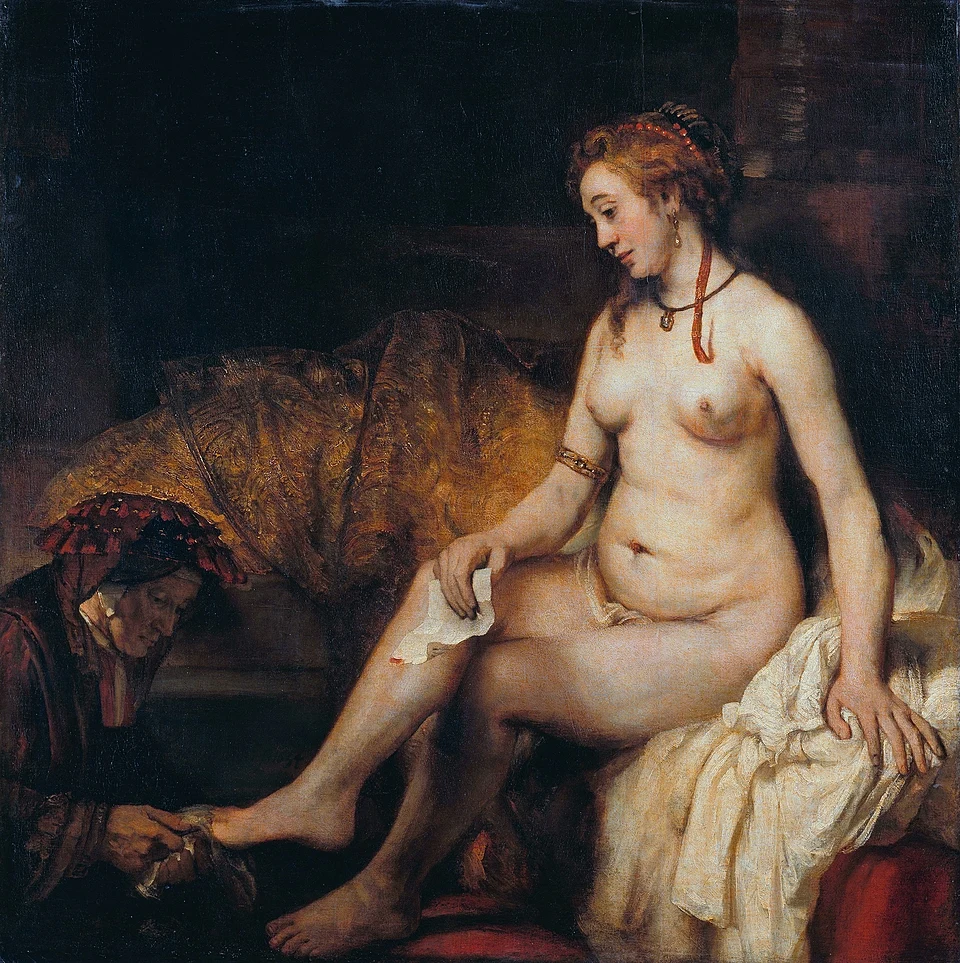
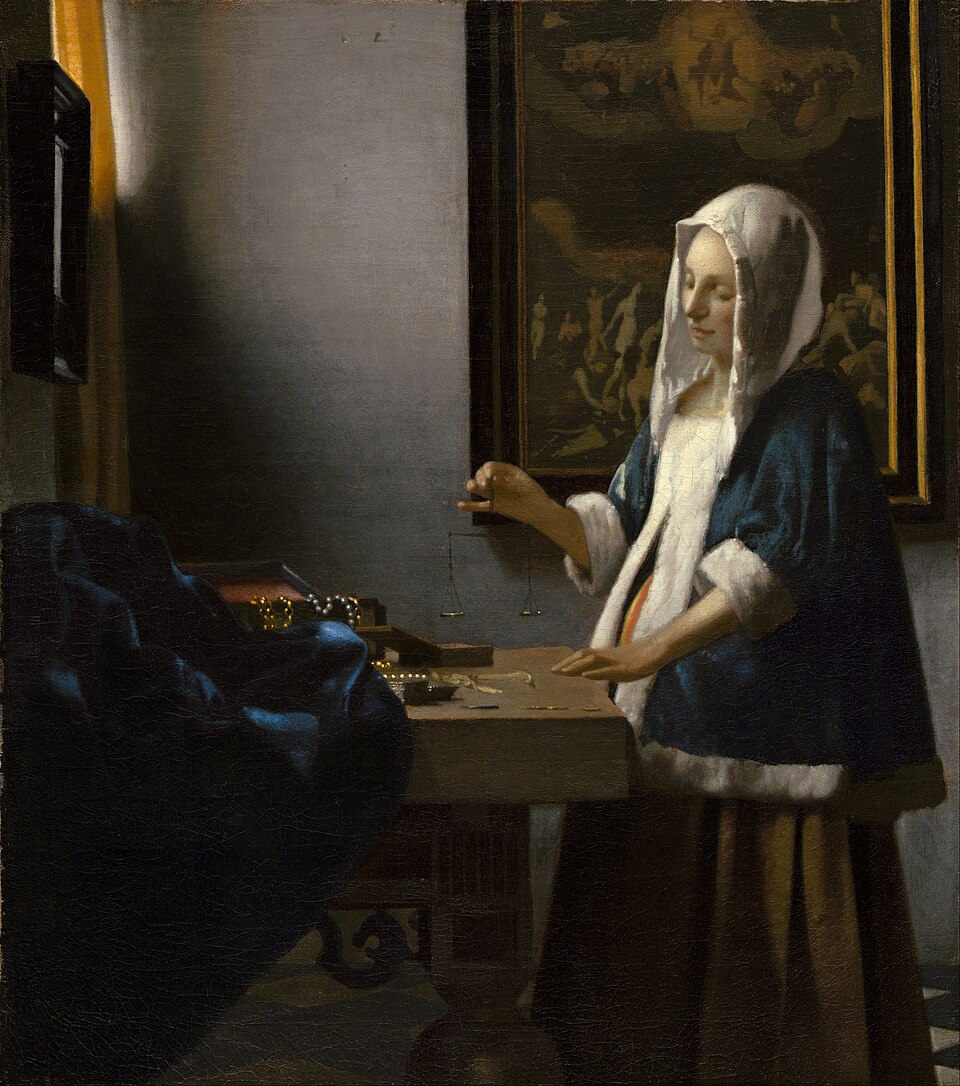
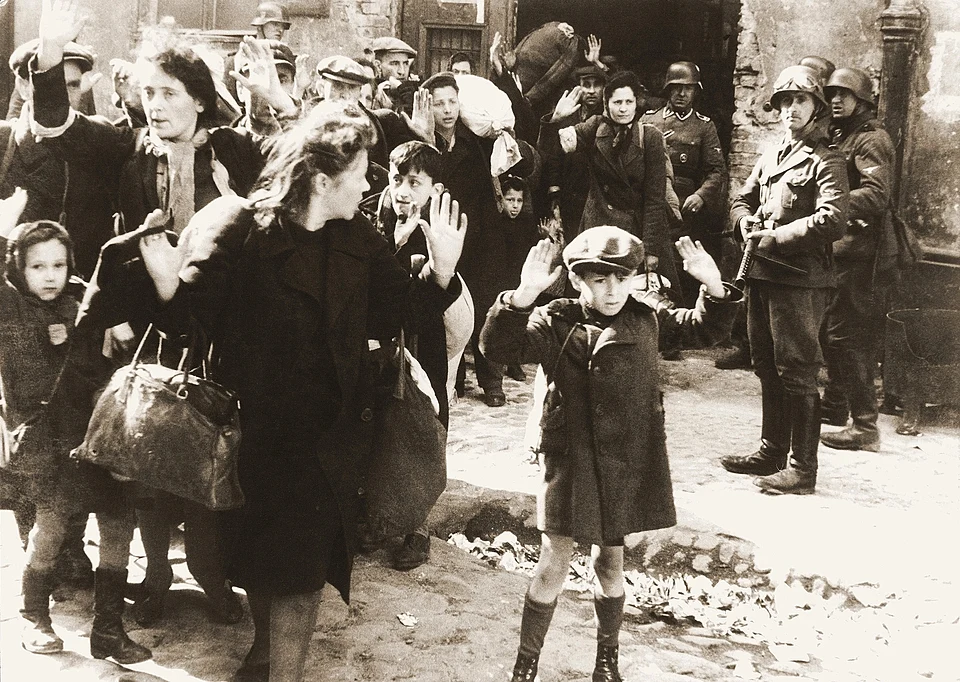
Dutch Golden Age
1588 – 1672A period of great wealth and cultural achievement in the Dutch Republic. Artists focused on realistic portrayals of everyday life, portraits, landscapes, and still lifes for middle-class patrons.
17 artists
Renaissance Artists
61 total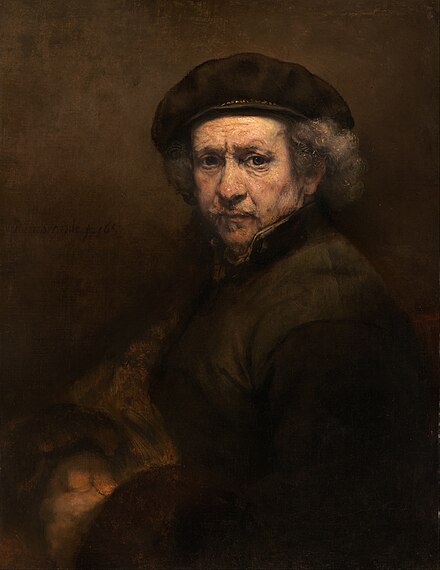
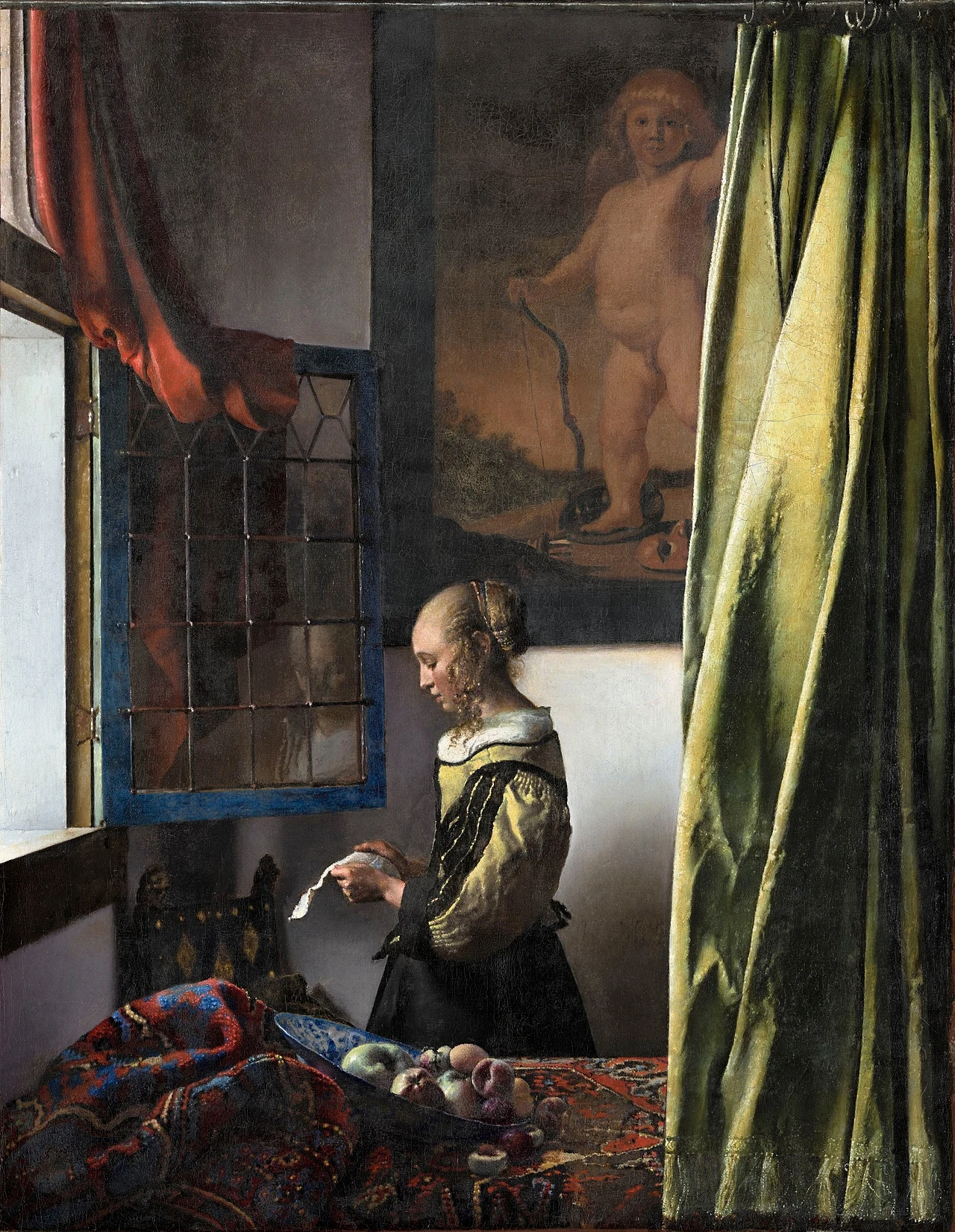
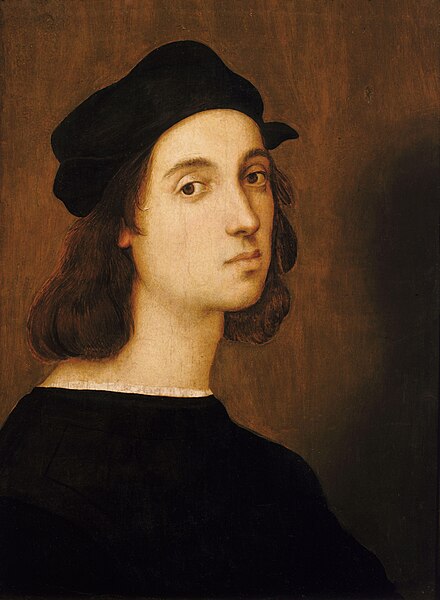
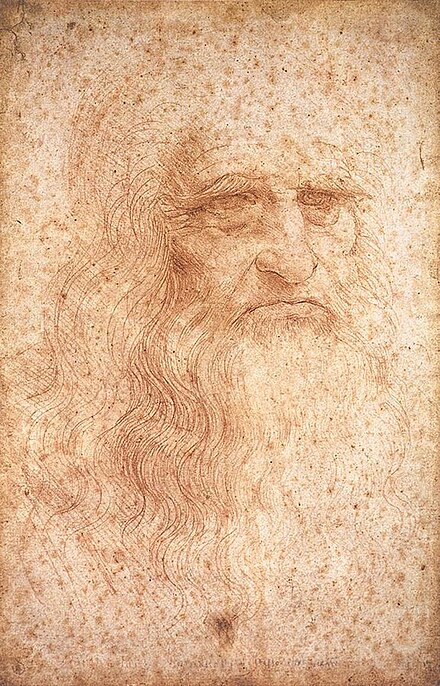
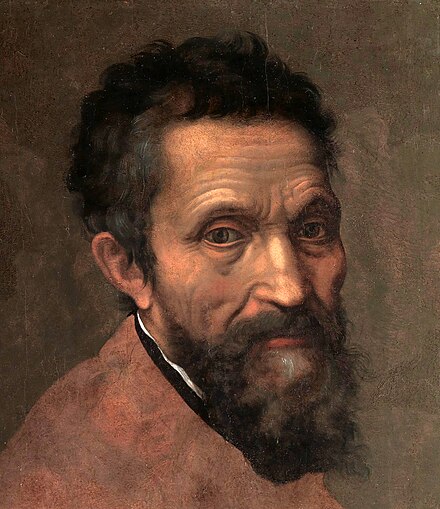
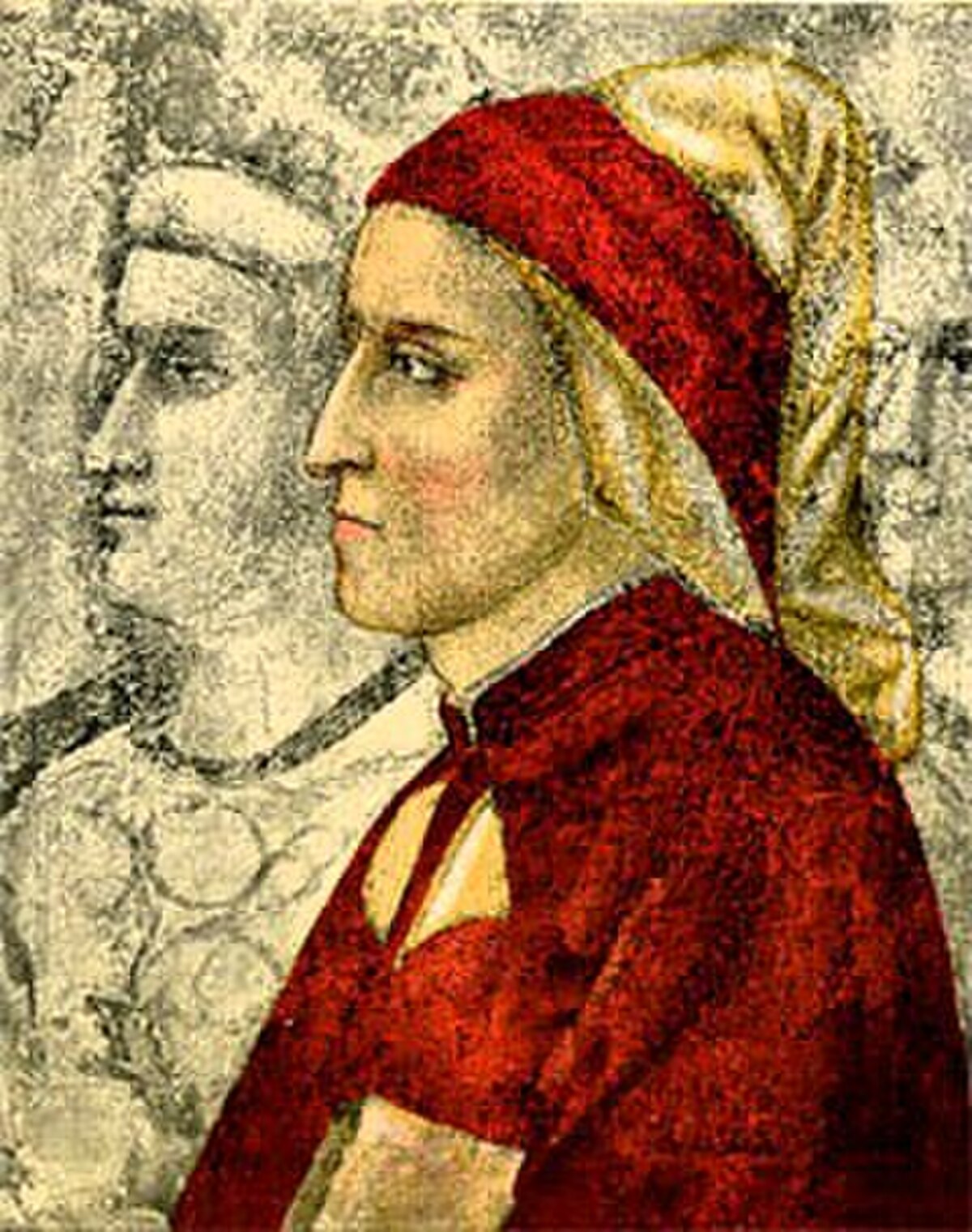
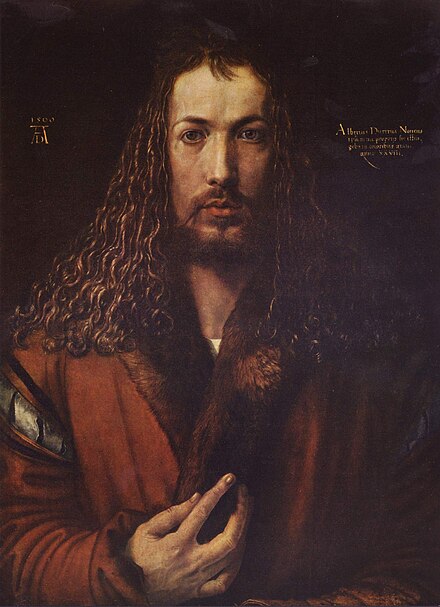
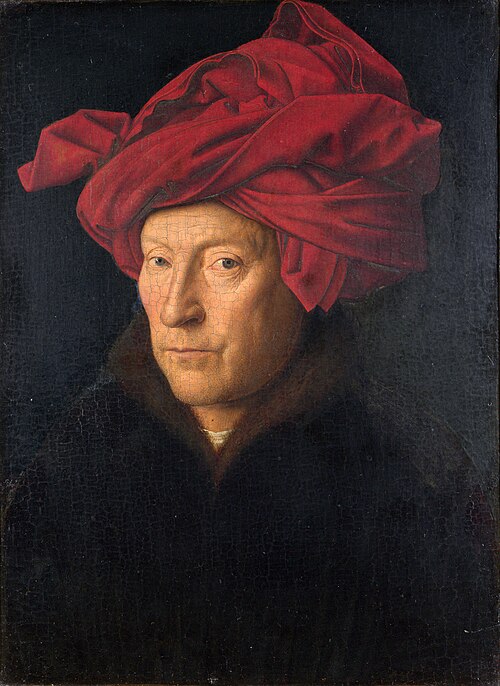
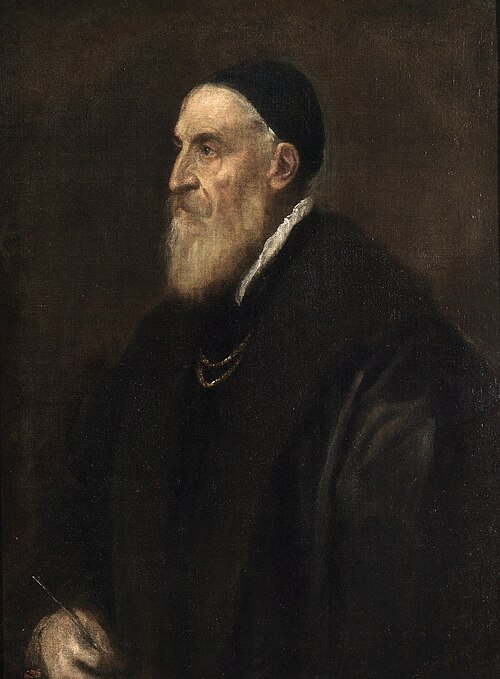
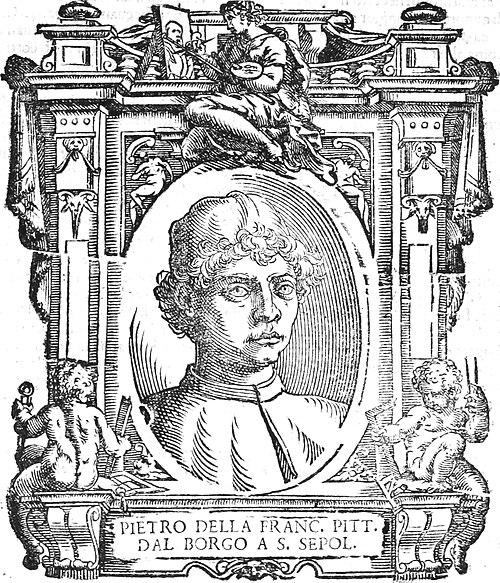
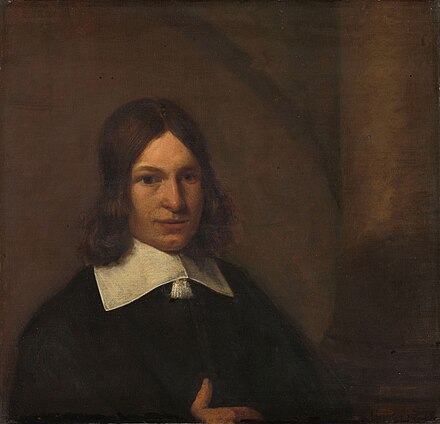
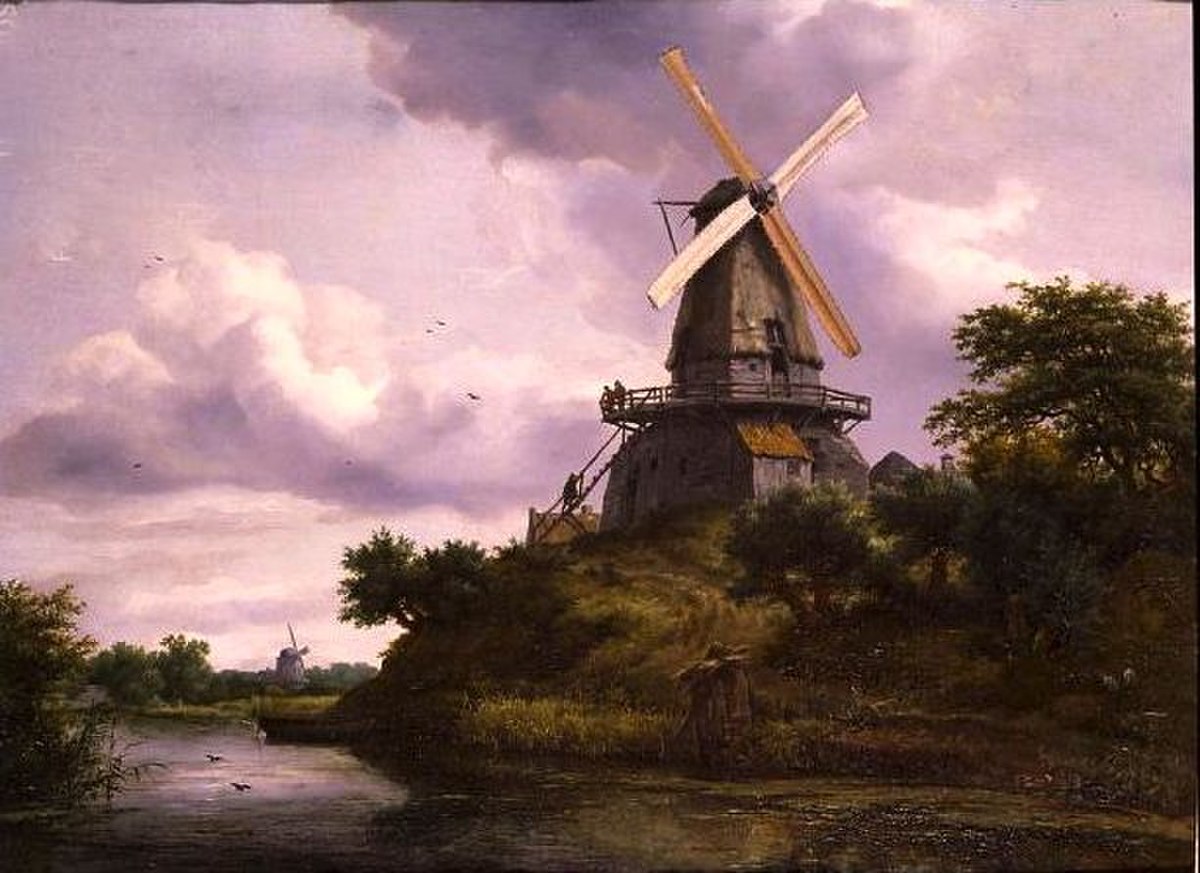
Renaissance Masterpieces
12 featured worksA
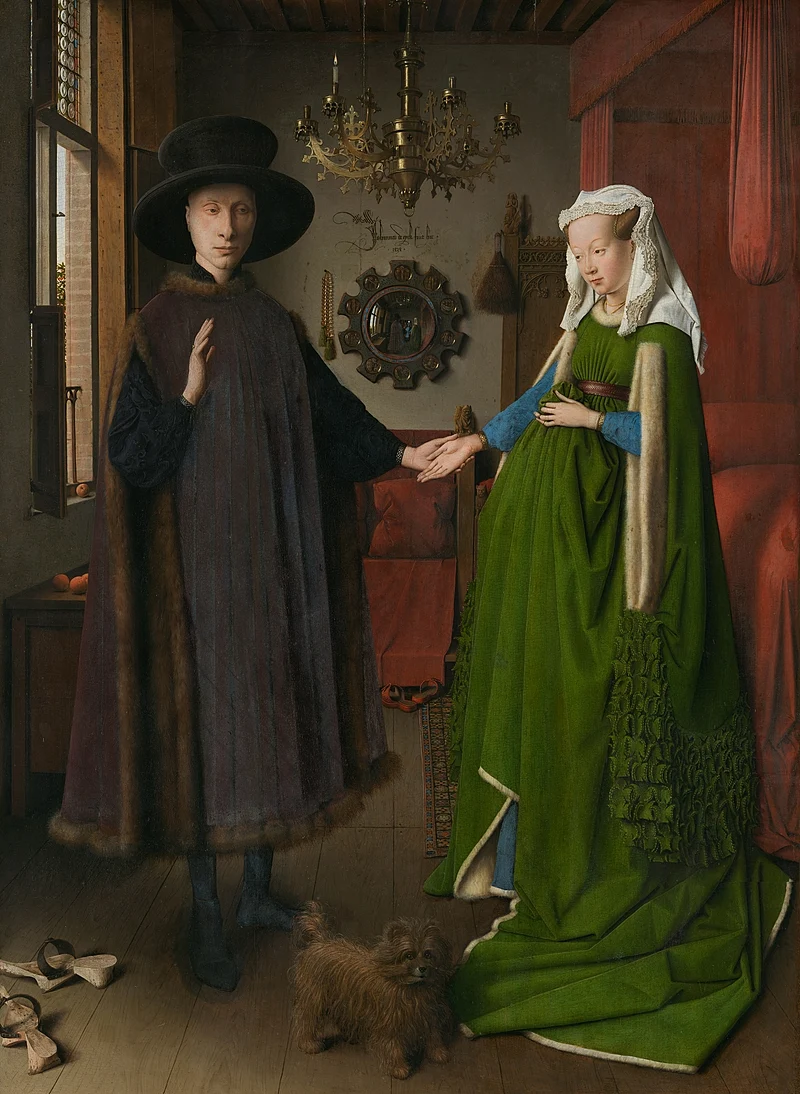
Arnolfini Portrait
Jan van Eyck, 1434
National Gallery, London
T
The Annunciation
Jan van Eyck, 1436
National Gallery of Art, Washington, D.C.
T
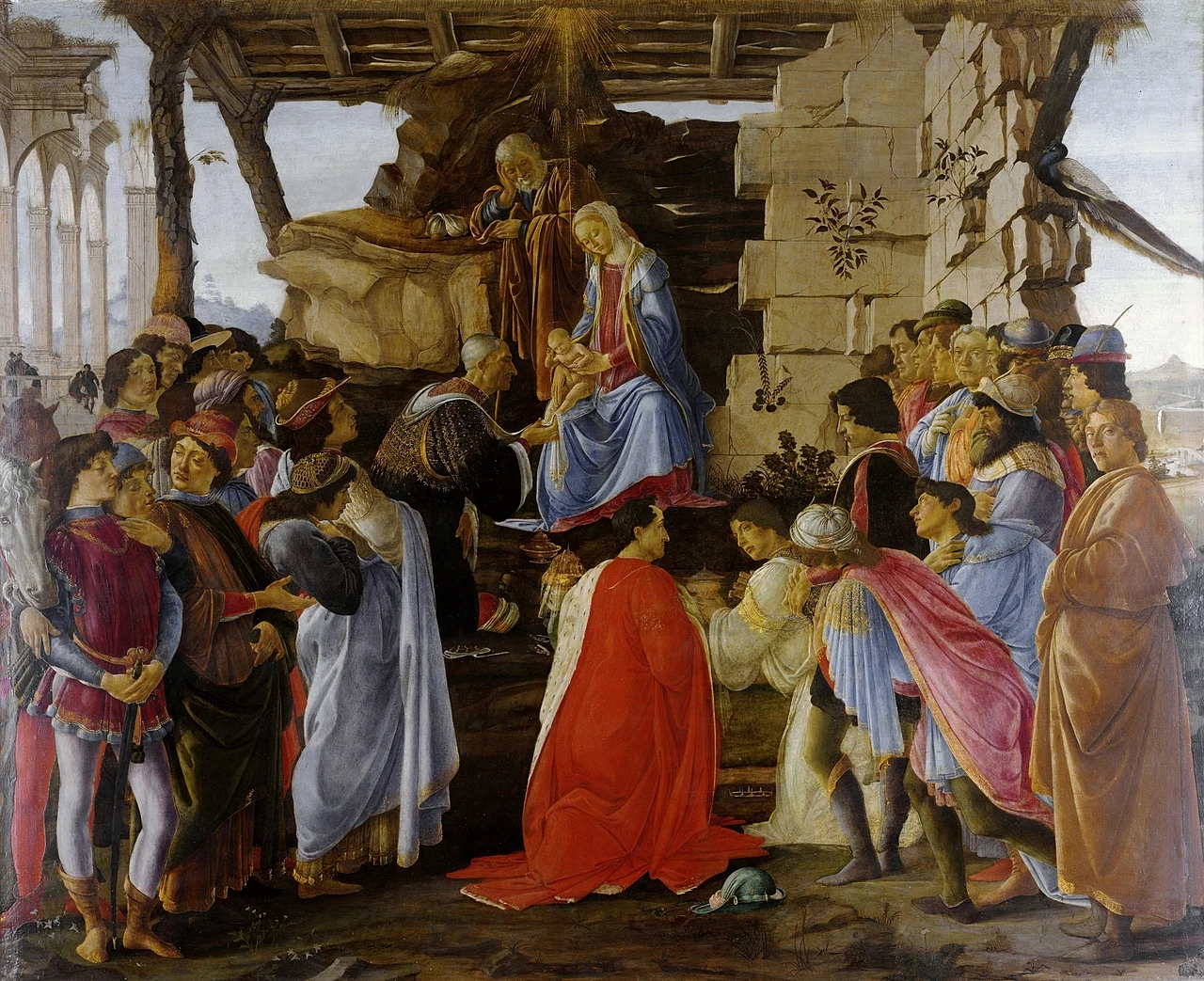
The Adoration of the Magi
Sandro Botticelli, 1476
Uffizi Gallery, Florence, Florence
G
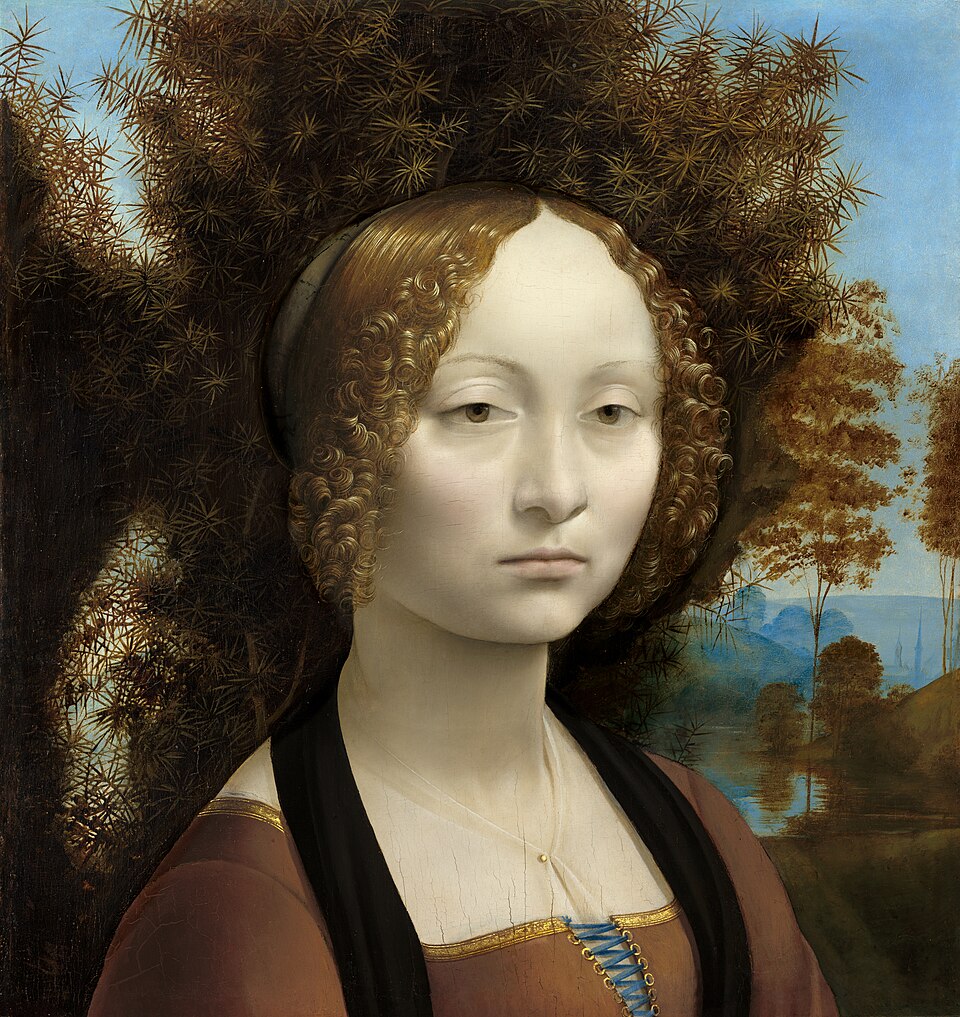
Ginevra de' Benci
Leonardo da Vinci, 1478
National Gallery of Art, Washington, D.C.
P
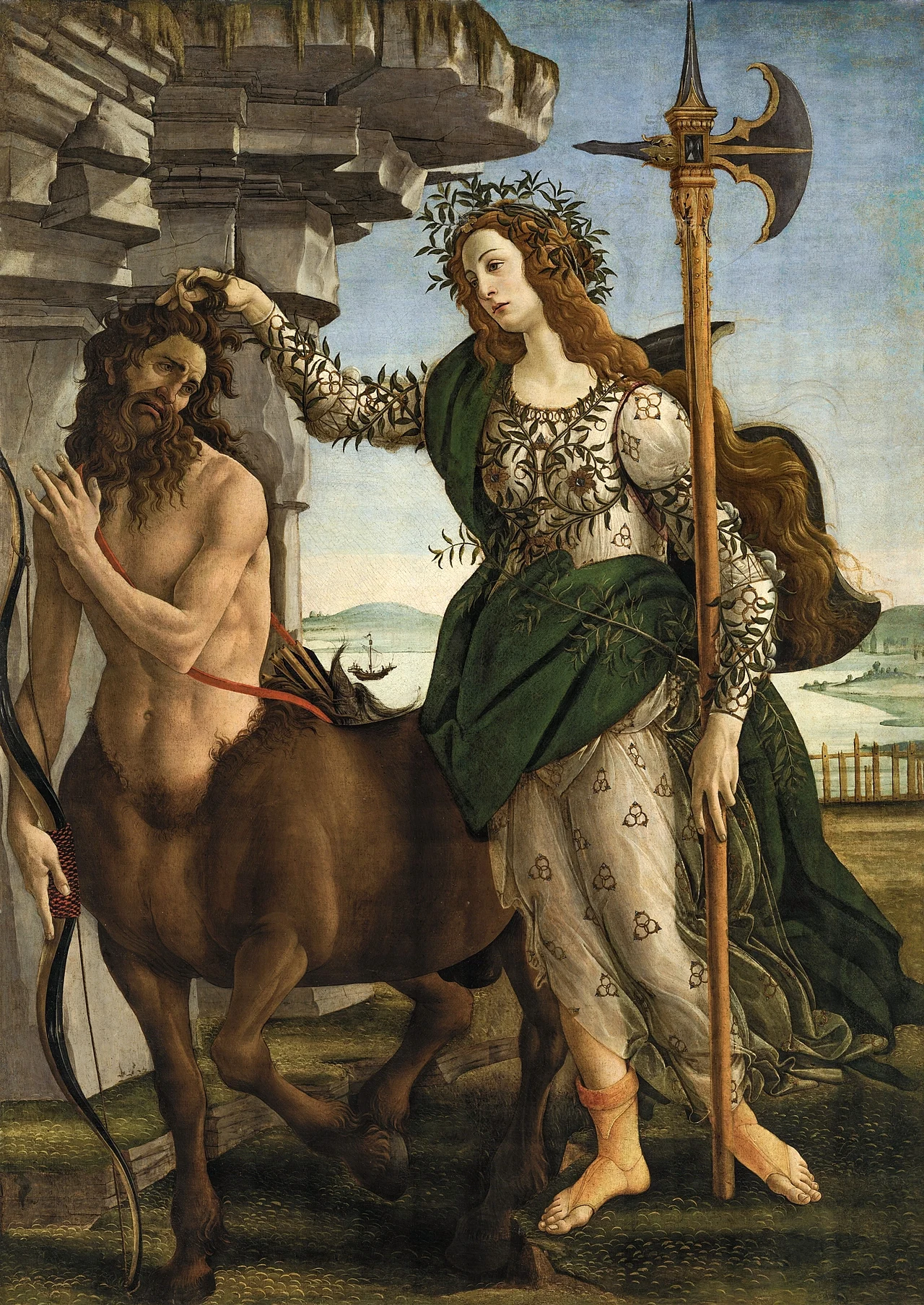
Pallas and the Centaur
Sandro Botticelli, 1482
Uffizi Gallery, Florence, Florence
T
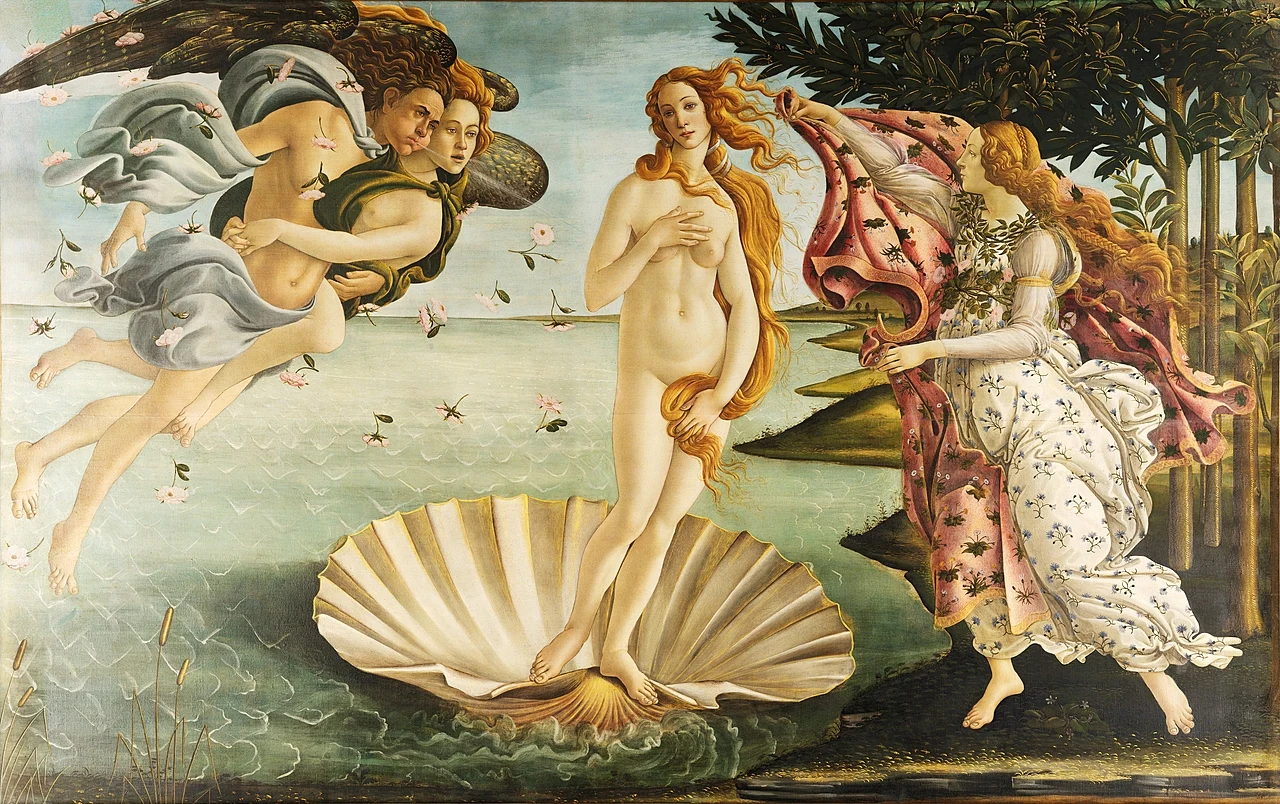
The Birth of Venus
Sandro Botticelli, 1485
Uffizi Gallery, Florence, Florence
T
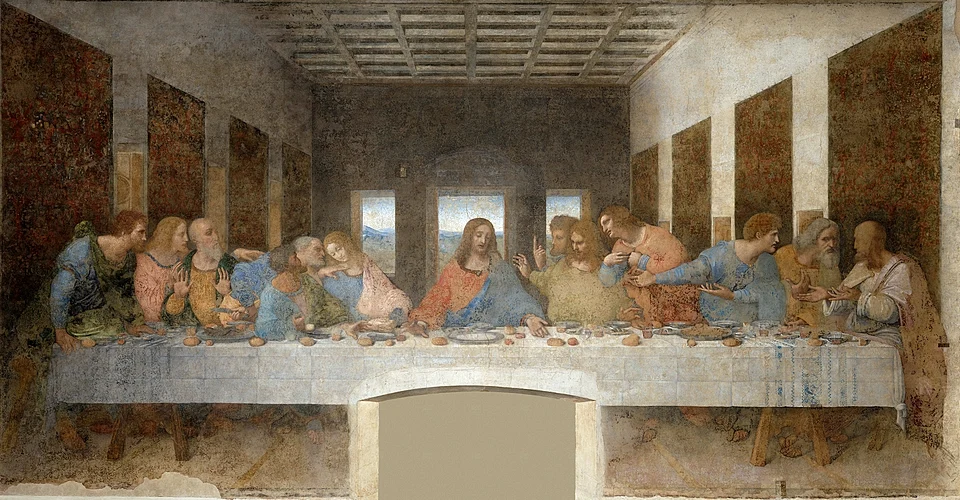
The Last Supper
Leonardo da Vinci, 1498
Santa Maria delle Grazie, Milan
S
Salvator Mundi
Leonardo da Vinci, 1500
Private Collection, Unknown
S
Self-Portrait at Twenty-Eight
Albrecht Dürer, 1500
National Gallery, London
M
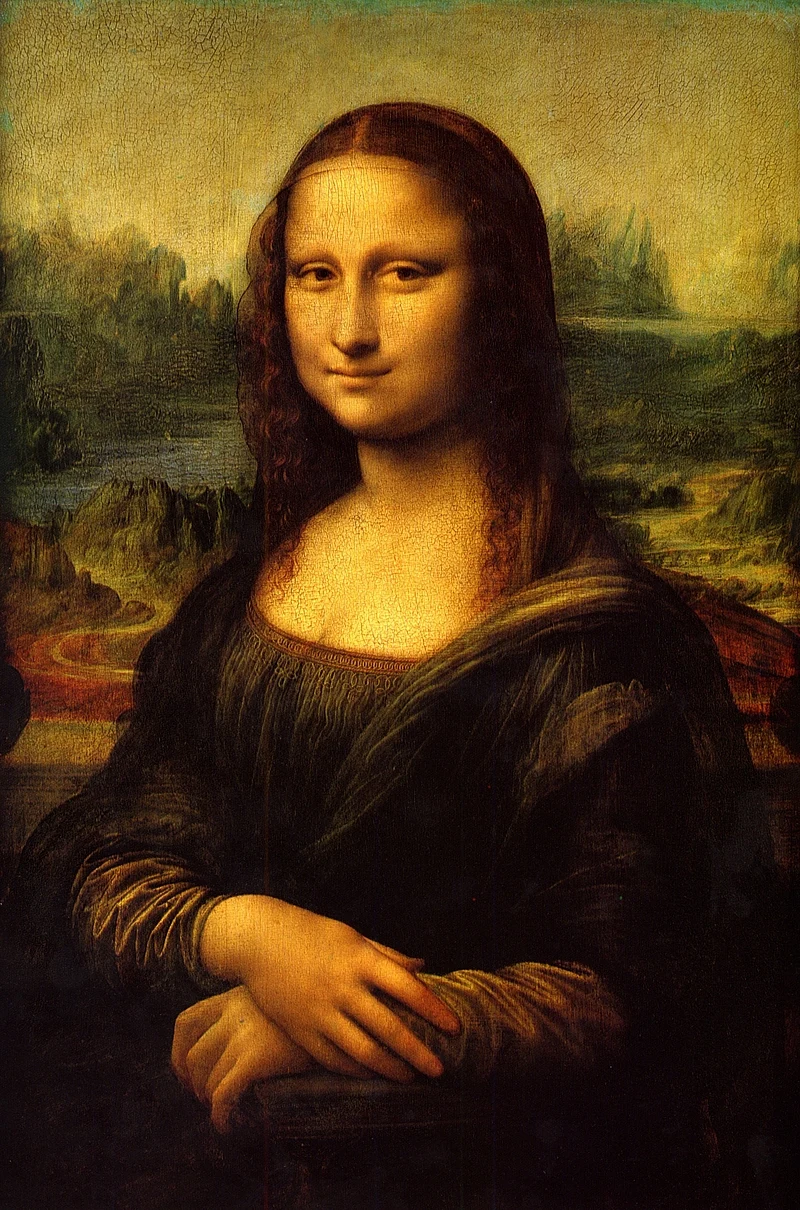
Mona Lisa
Leonardo da Vinci, 1503
Louvre, Paris, Paris
T

The Alba Madonna
Raphael, 1510
National Gallery of Art, Washington, D.C.
T
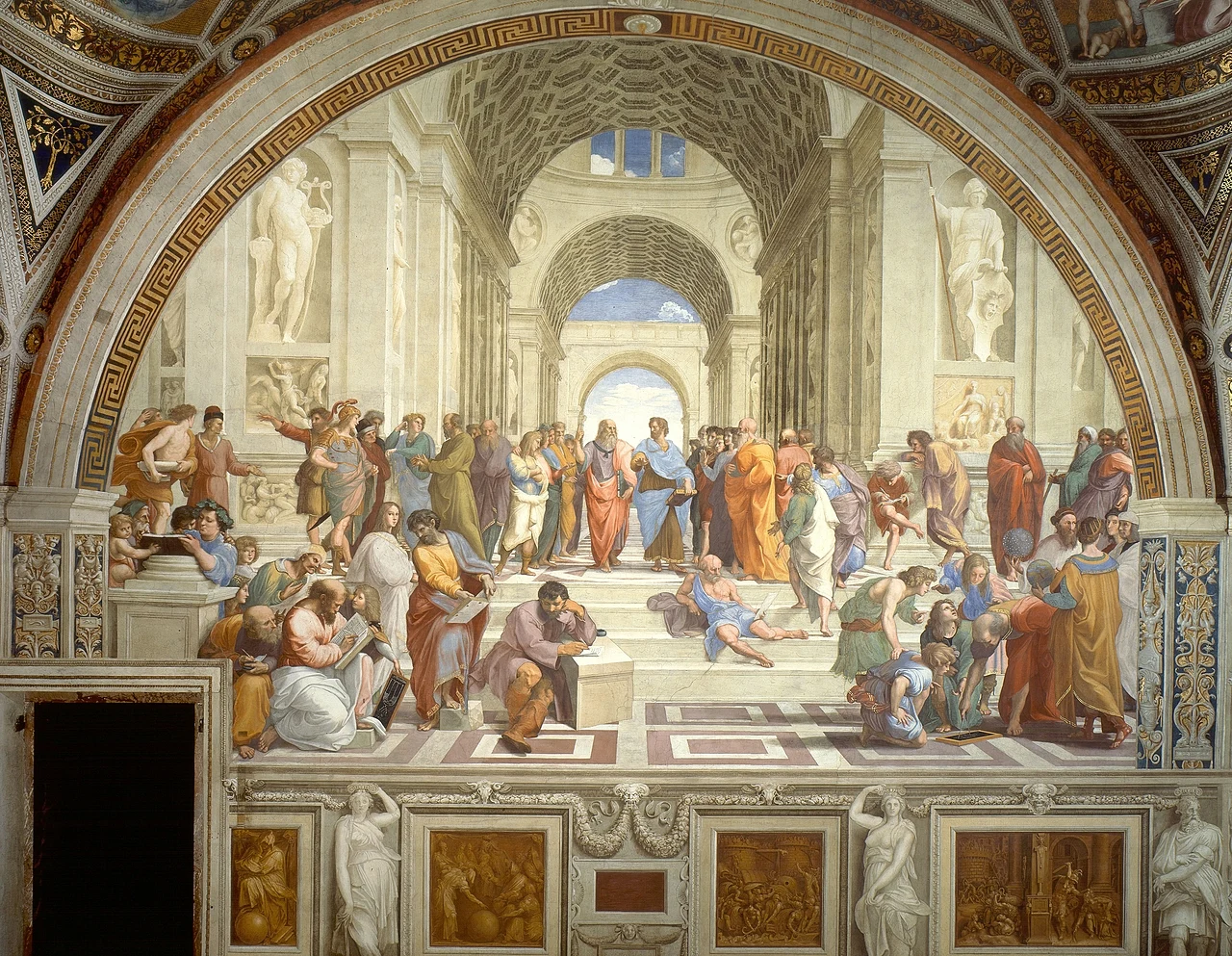
The School of Athens
Raphael, 1511
Vatican Museums, Vatican City
About Renaissance
The Renaissance (1400-1599) was a cultural rebirth centered in Italy, where artists rediscovered classical Greek and Roman ideals. Masters like Leonardo da Vinci and Michelangelo pioneered linear perspective, anatomical accuracy, and oil painting techniques that transformed Western art.
The "Big Three" of the High Renaissance are Leonardo da Vinci, Michelangelo, and Raphael. Other masters include Sandro Botticelli, Titian, and Jan van Eyck in Northern Europe.
Linear perspective is a mathematical system where parallel lines converge at a vanishing point on the horizon, creating realistic depth on flat surfaces. Filippo Brunelleschi demonstrated this technique around 1415, and it became fundamental to Renaissance painting.
The Uffizi Gallery in Florence holds Botticelli's Birth of Venus and works by Leonardo. The Louvre displays the Mona Lisa. Michelangelo's Sistine Chapel ceiling remains in Vatican City. The National Gallery in London has outstanding Northern Renaissance works.
The Early Renaissance (1400-1490) developed foundational techniques like perspective and anatomical study. The High Renaissance (1490-1527) represents the peak, when Leonardo, Michelangelo, and Raphael synthesized these innovations into works of unprecedented mastery and harmony.
Bring Renaissance Home
Luxury art prints inspired by these iconic masterpieces. Museum-quality canvas for your walls.
Shop Renaissance Art