1920 – 1960
Surrealism
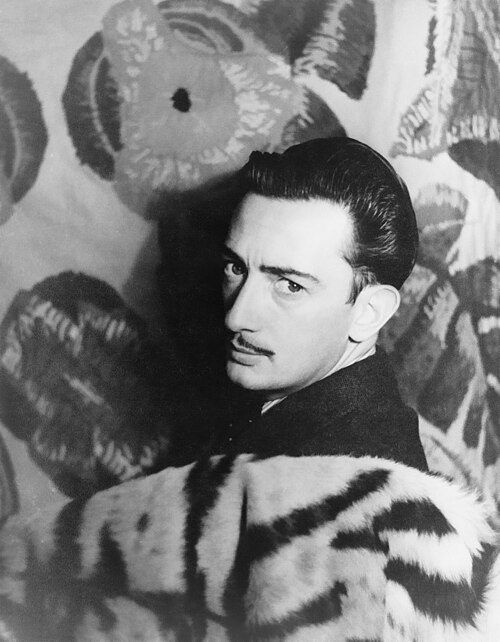
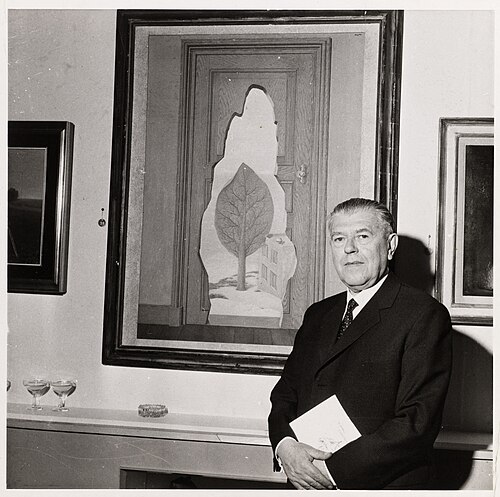
Surrealism emerged in 1920s Paris as artists explored the unconscious mind, dreams, and irrational thought. Founded by André Breton, the movement drew heavily from Sigmund Freud's psychoanalytic theories. Salvador Dalí's melting clocks, René Magritte's impossible images, and Max Ernst's strange landscapes became icons of the style.
Surrealists used techniques designed to bypass rational thought: automatic drawing, dream journals, and the "exquisite corpse" game where artists collaborated without seeing each other's work. Dalí called his approach the "paranoiac-critical method," deliberately inducing hallucinatory states. Joan Miró developed biomorphic forms that seemed to float between abstraction and representation.
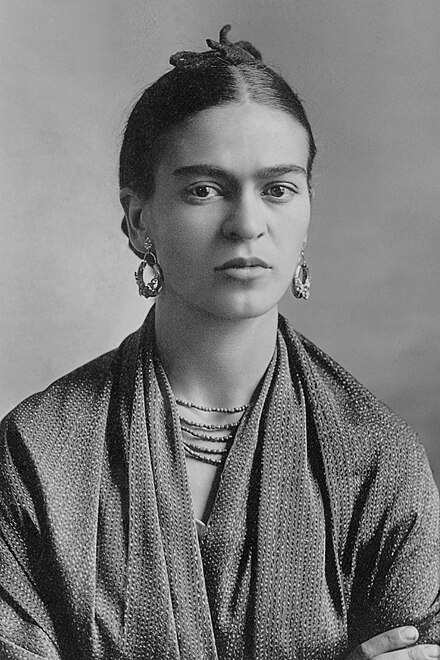
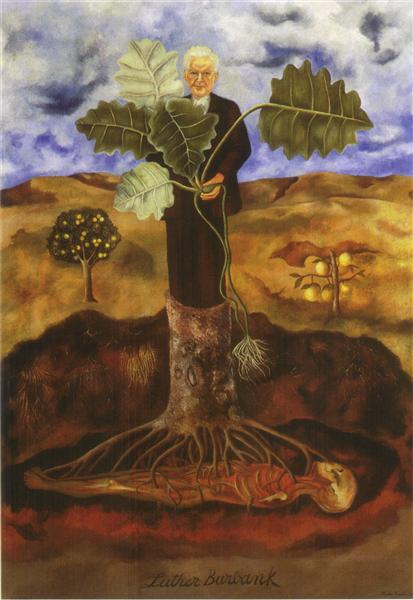
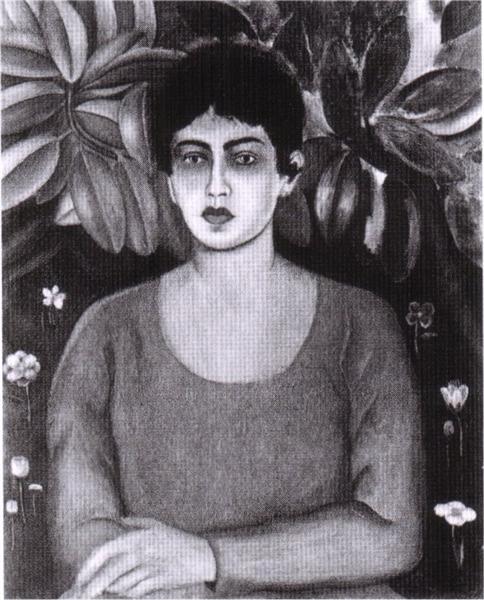
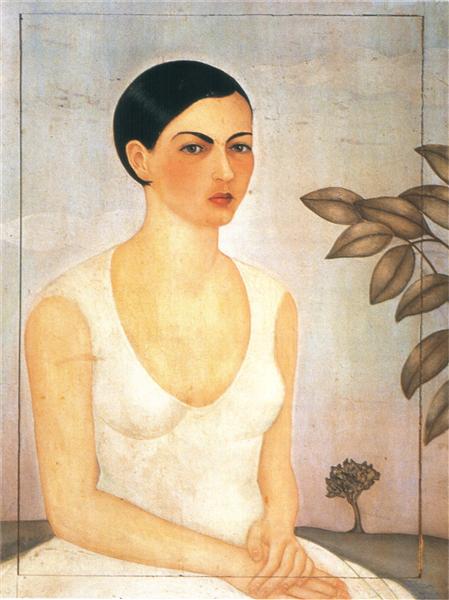
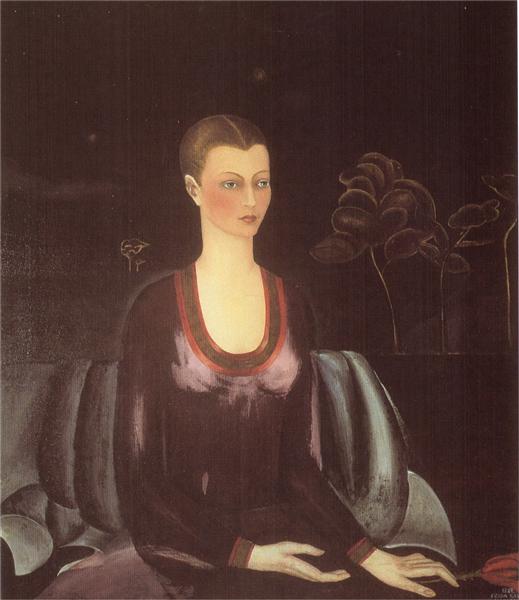
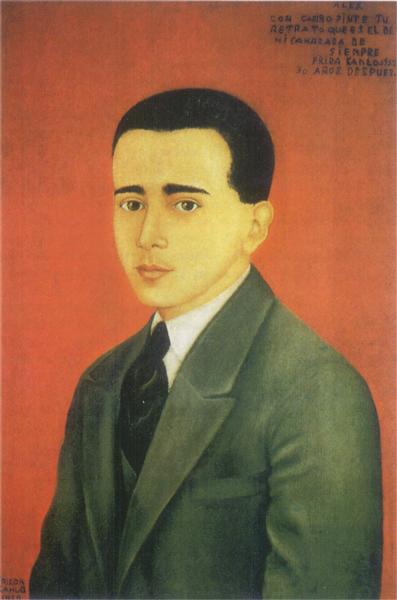
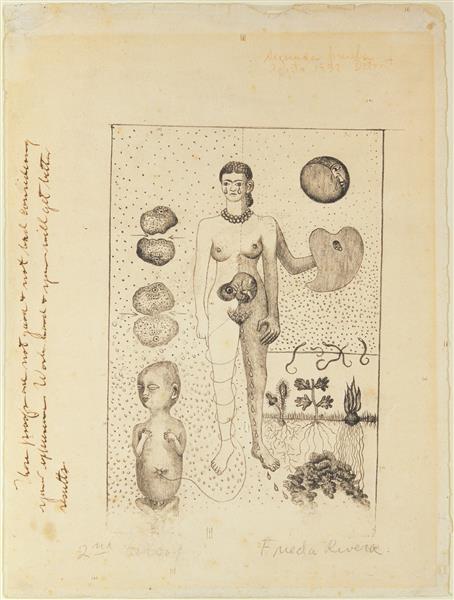
The movement attracted writers, filmmakers, and photographers alongside painters. Frida Kahlo incorporated surrealist elements into deeply personal self-portraits. Surrealist art continues to influence advertising, film, and contemporary art. Major collections exist at the MoMA, Tate Modern, and the Dalí Theatre-Museum in Figueres, Spain.
What to Look For
Spotting Surrealism art in museums and galleries:
- 1Dreamlike or nightmarish imagery that defies logic
- 2Impossible combinations: melting clocks, floating objects, hybrid creatures
- 3Realistic painting technique depicting unreal subjects
- 4Vast, empty landscapes with strange objects or figures
- 5Hidden faces or double images within the composition
- 6Everyday objects in bizarre contexts (Magritte's bowler hats, pipes)
- 7Biomorphic shapes that suggest living organisms
- 8Symbolic imagery from dreams, Freudian psychology, or the unconscious
At a Glance
- Period
- 1920 – 1960
- Artists
- 7
- Artworks
- 194
Defining Features
Dream imageryUnexpected juxtapositionsUnconscious mindFantastical scenesPrecise realism with impossible subjects
Surrealism Artists
7 artists
Surrealism Masterpieces
12 works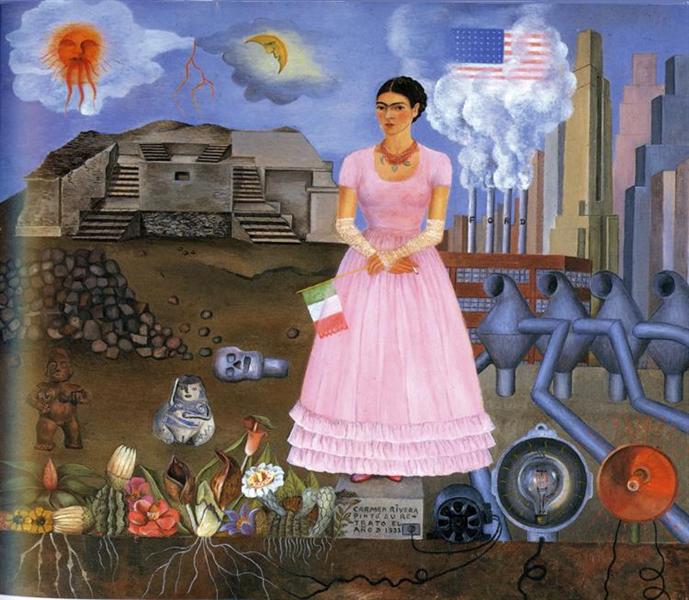
About Surrealism
Surrealism (1920-1960) was a movement exploring dreams, the unconscious, and irrational thought. Artists like Salvador Dalí and René Magritte created dreamlike imagery influenced by Freudian psychoanalysis, disrupting logic to access deeper truths.
Major Surrealists include Salvador Dalí (melting clocks), René Magritte (impossible scenes), Max Ernst (collage techniques), Joan Miró (biomorphic abstraction), and Frida Kahlo (symbolic self-portraits).
Surrealists employed automatism (creating without conscious control), dream journaling, the "exquisite corpse" collaborative game, and induced hallucinatory states. Dalí's "paranoiac-critical method" deliberately blurred reality and imagination.
The MoMA New York has Dalí's Persistence of Memory. The Tate Modern holds major Magritte works. The Dalí Theatre-Museum in Figueres, Spain, contains the artist's largest collection. The Centre Pompidou Paris has extensive Surrealist holdings.
Surrealism drew from Sigmund Freud's theories about dreams and the unconscious mind. The horrors of World War I also pushed artists to reject rational thought. The earlier Dada movement's anti-art stance directly influenced Surrealist rebellion against convention.
Bring Surrealism Home
Luxury decor featuring museum-quality canvas prints inspired by these iconic masterpieces.
Shop Surrealism Art