The Dog
by Francisco Goya, 1823
Details
- Year
- 1823
- Medium
- Oil mural transferred to canvas
- Size
- 131.5 cm × 79.3 cm
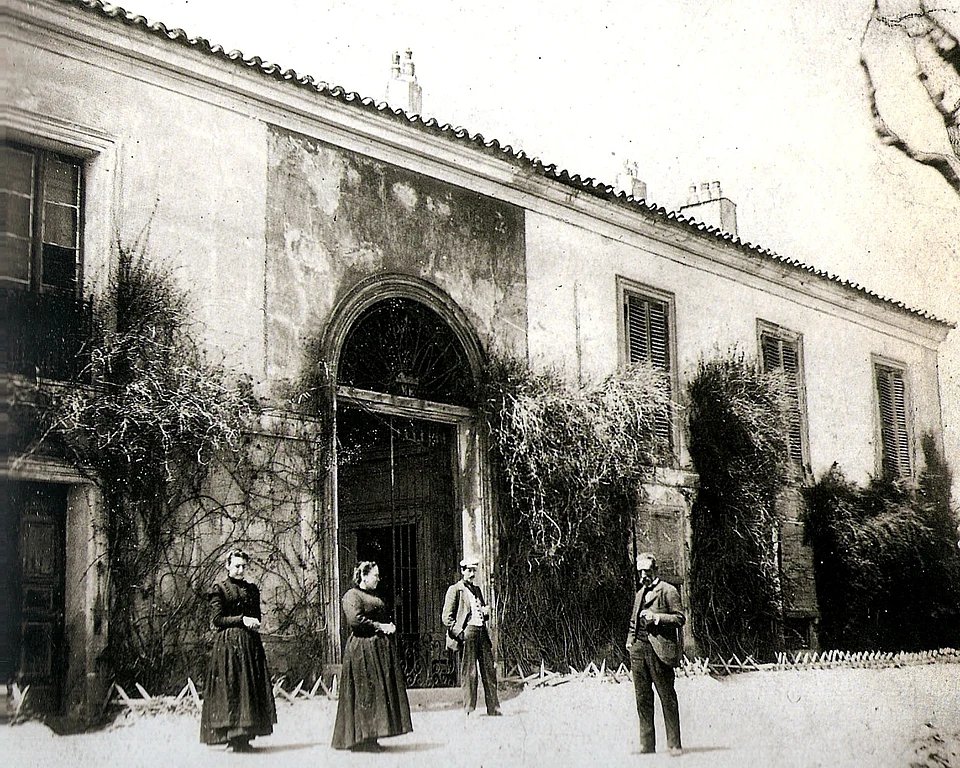
Francisco Goya completed this haunting image sometime between 1819 and 1823 directly onto the walls of his home, the Quinta del Sordo (House of the Deaf Man). A dog's head emerges from behind a sloping mass of ochre and brown, gazing upward into an empty expanse. Nothing else appears in the composition, just the animal and the void.
This painting belongs to Goya's Black Paintings, a series of dark works he created in private during his final years in Spain. Deaf, ill, and disillusioned with Spanish politics, he covered two rooms of his house with these disturbing images. The dog's expression has been interpreted as hope, fear, or simply animal awareness. The slope it peers over might represent a hillside, a grave, or something more abstract.
The murals were transferred to canvas in the 1870s and moved to the Museo del Prado in Madrid, where they remain today. This piece, often called simply "The Dog," continues to fascinate viewers with its minimalist power.