Moses
by Michelangelo, 1515
Details
- Year
- 1515
- Medium
- Marble
- Size
- 235 cm (93 in) tall
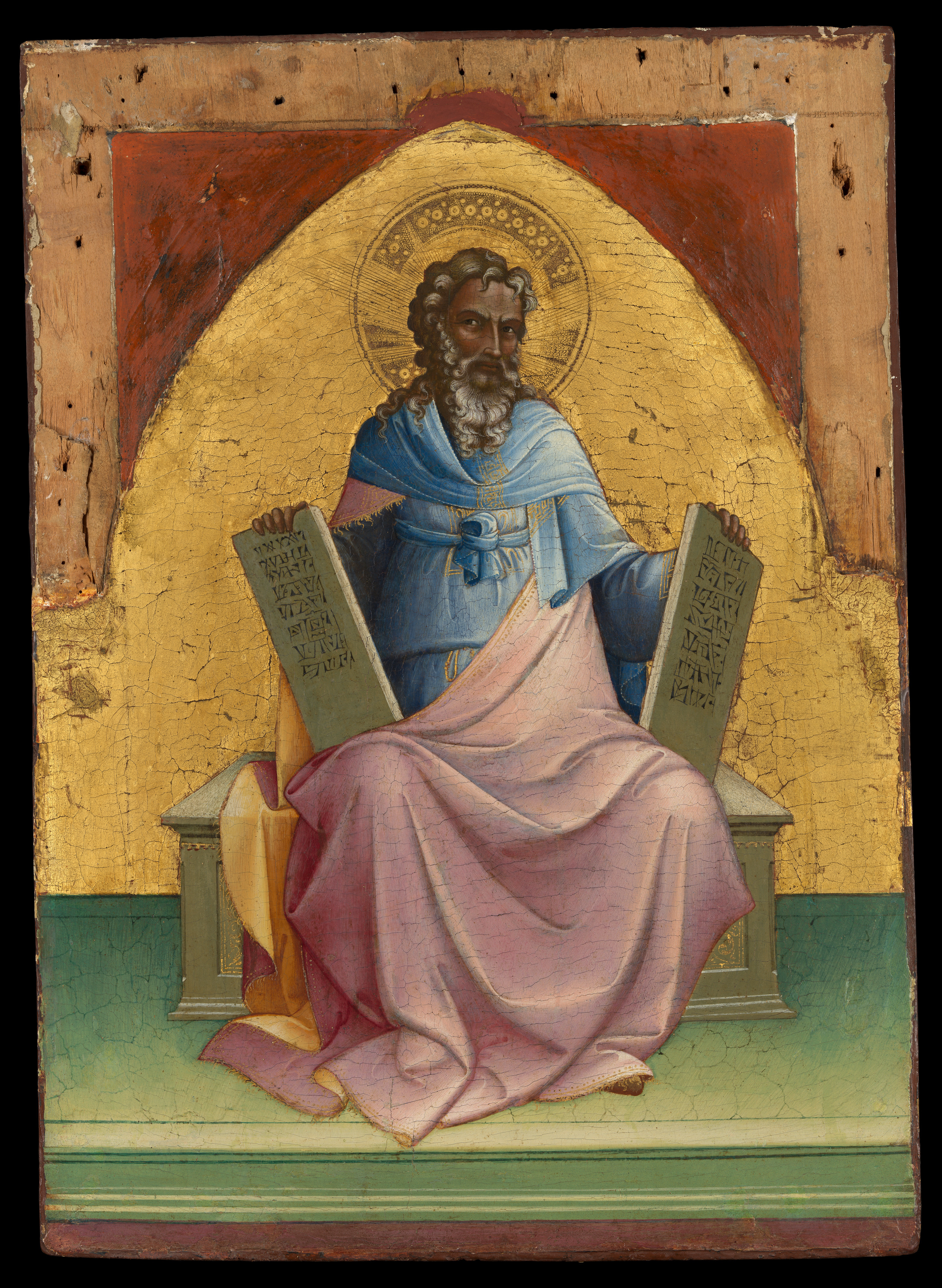
Michelangelo carved this imposing marble Moses between 1513 and 1515 for the tomb of Pope Julius II. The biblical prophet sits in judgment, two horns sprouting from his head, the tablets of the Law tucked under one powerful arm. His gaze burns with what art historian Vasari called "terribilità," a divine fury that makes viewers tremble.
The horns result from a mistranslation of Hebrew scripture. Where the Bible describes Moses's face as "radiant" or "shining" after speaking with God, the Latin Vulgate used "horned." Michelangelo followed this tradition, but his horns suggest power rather than demonic influence. Moses seems about to rise in anger, veins bulging in his arms, beard flowing like a force of nature.
The sculpture resides in San Pietro in Vincoli in Rome, a church near the Colosseum best known for housing the chains (vincoli) that bound Saint Peter. Julius II's tomb proved a 40-year frustration for Michelangelo, who called it "the tragedy of the tomb." His original design included over 40 figures. Political shifts and funding problems reduced it to this masterwork and a handful of attendant sculptures.