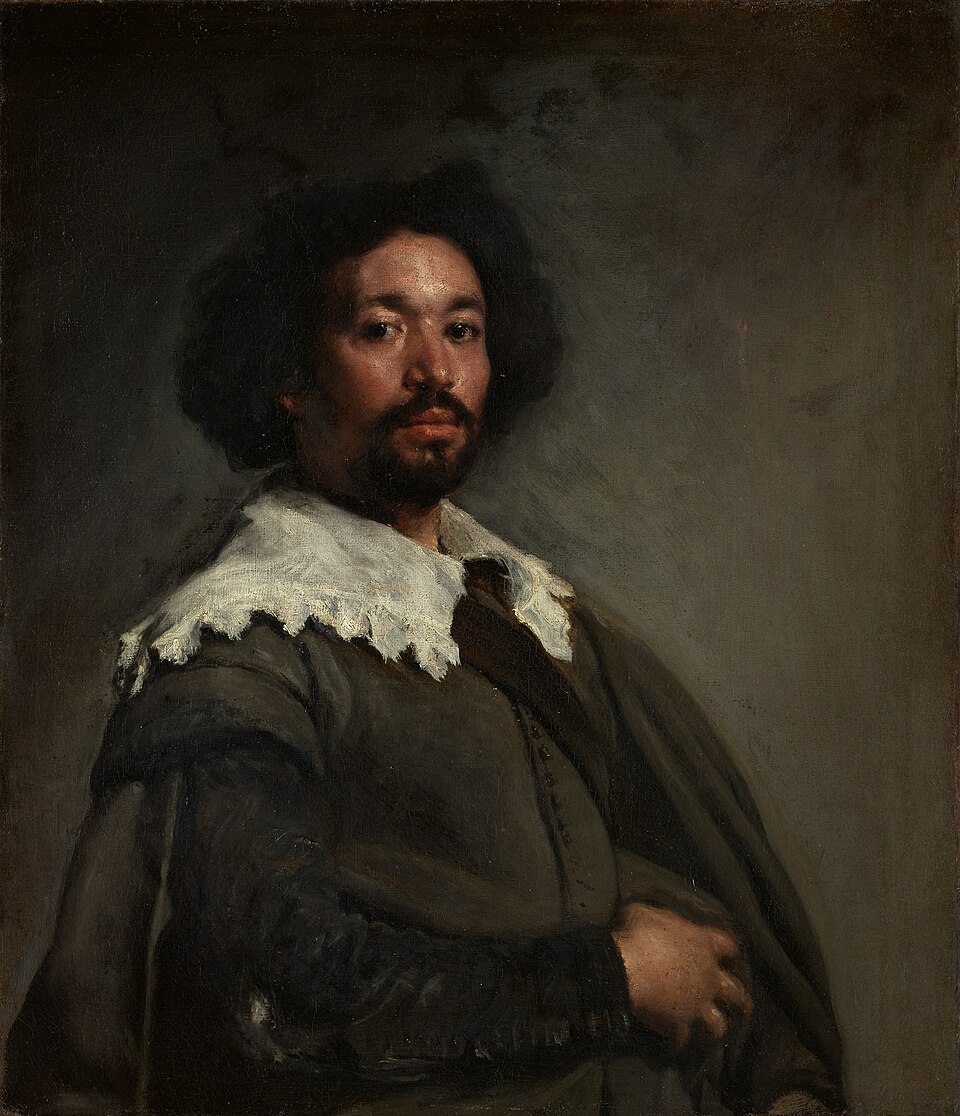
by Diego Velázquez, 1650
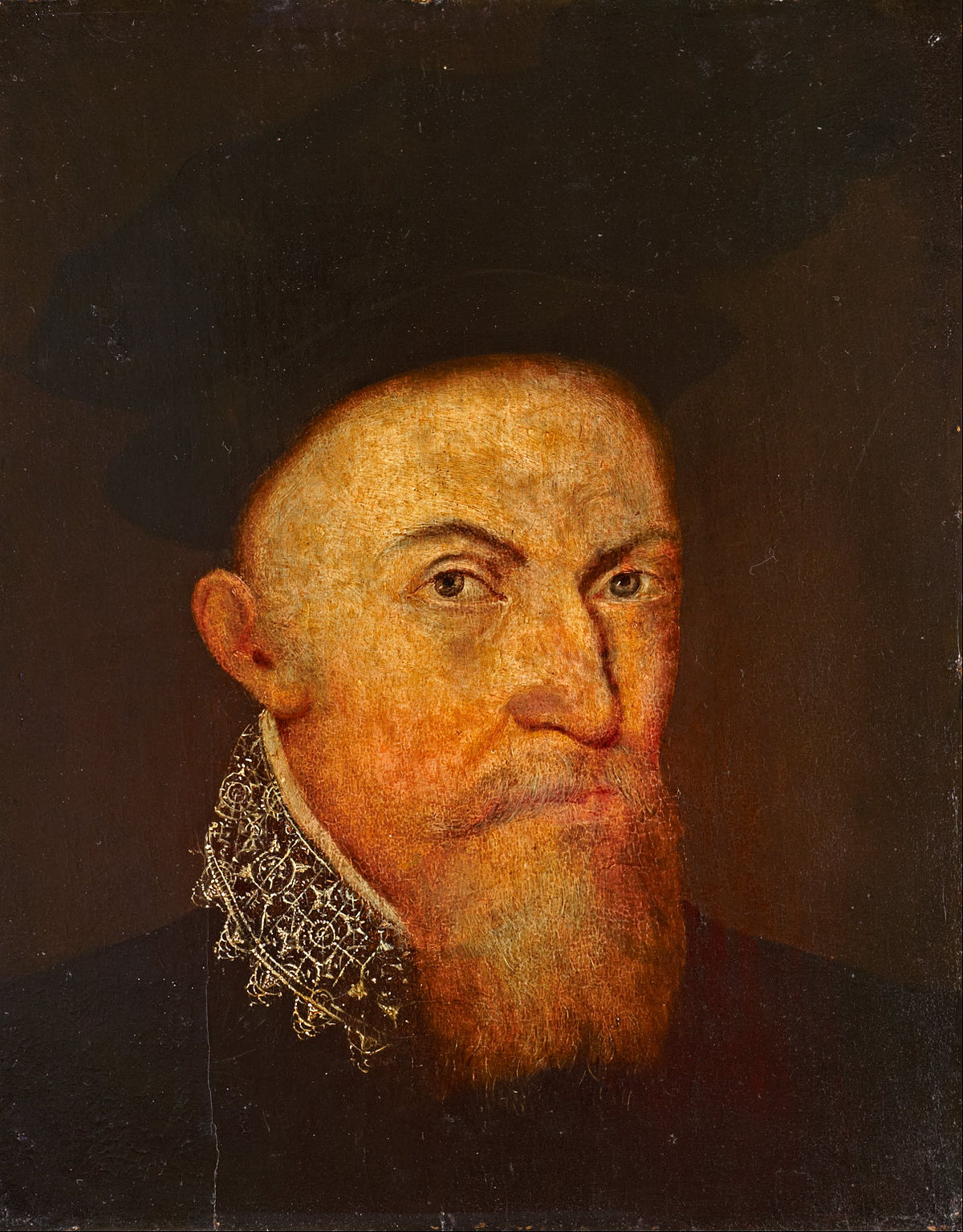
Diego Velázquez completed this Juan de Pareja in 1650 in Rome. Pareja was Velázquez's enslaved assistant, of Moorish descent. The portrait's dignity and humanity astonished Roman viewers. Shortly after completing it, Velázquez freed Pareja, who became a painter himself.
The portrait captures Pareja's alert intelligence and self-possession. His fine lace collar and green-brown cloak suggest a man of substance, not servitude. Velázquez reportedly made this portrait as practice before painting Pope Innocent X. The Metropolitan Museum acquired it in 1971.
Ancient Greek (Unknown), -500
The Metropolitan Museum of Art, New York

Ancient Greek (Unknown), -390
The Metropolitan Museum of Art, New York

Diego Velázquez
The Metropolitan Museum of Art, New York

Ancient Egyptian (Unknown), -1070
The Metropolitan Museum of Art, New York
Other masterpieces from the Baroque movement

El Greco, 1614
National Gallery of Art, Washington, D.C.

Frans Hals, 1624
Wallace Collection, London

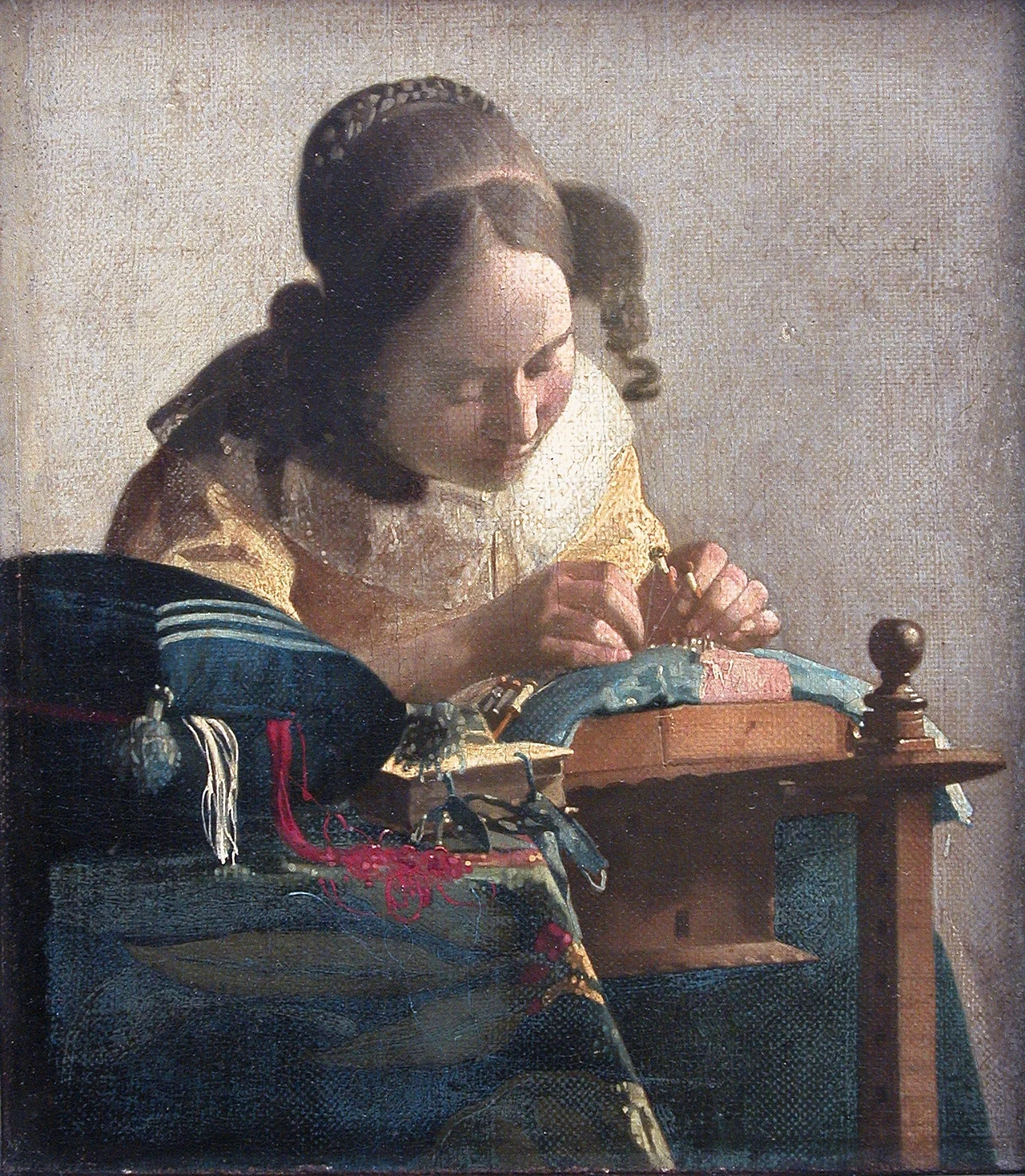
Johannes Vermeer, 1670
Louvre, Paris, Paris

Johannes Vermeer, 1663
Rijksmuseum, Amsterdam
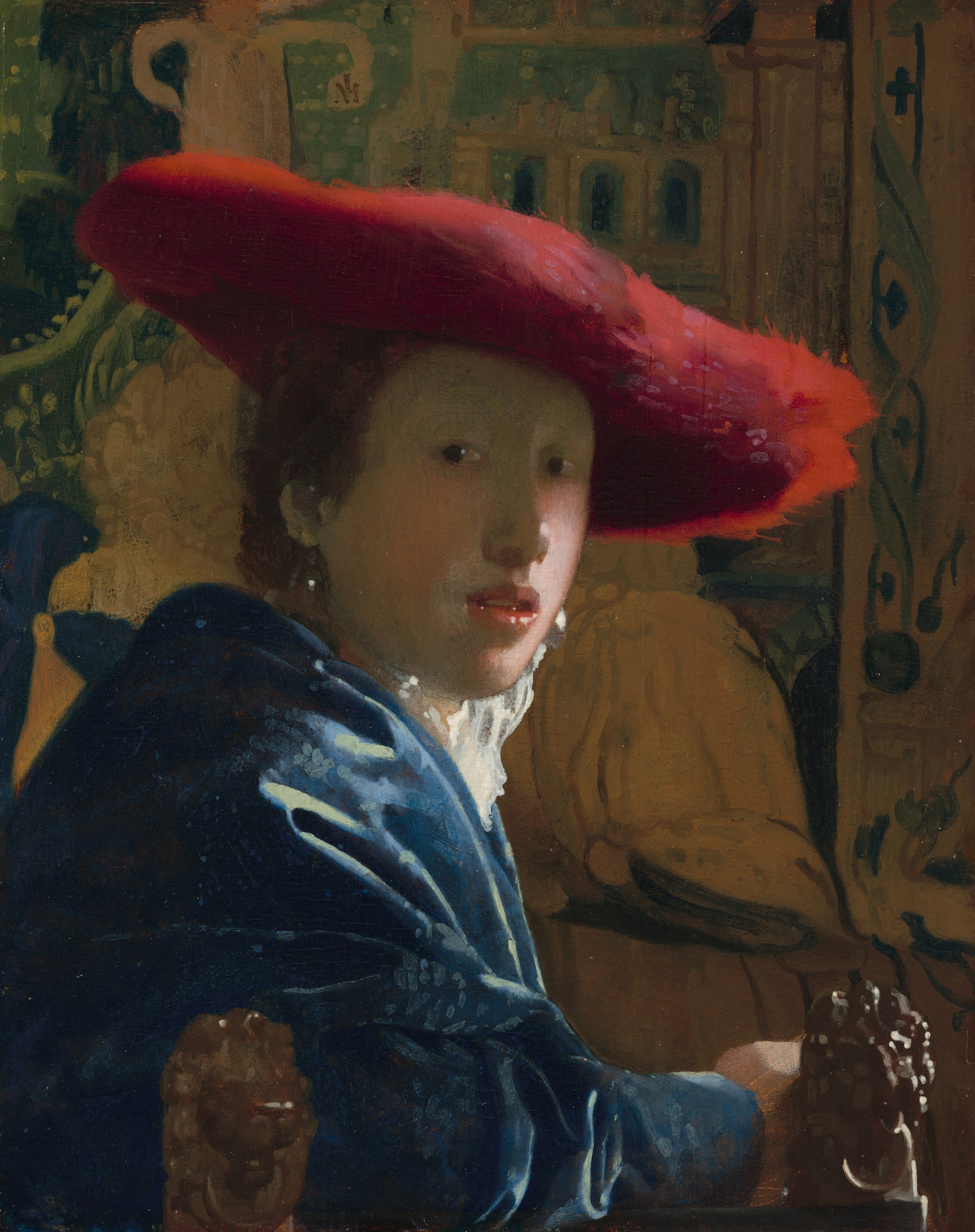
Johannes Vermeer, 1666
National Gallery of Art, Washington, D.C.

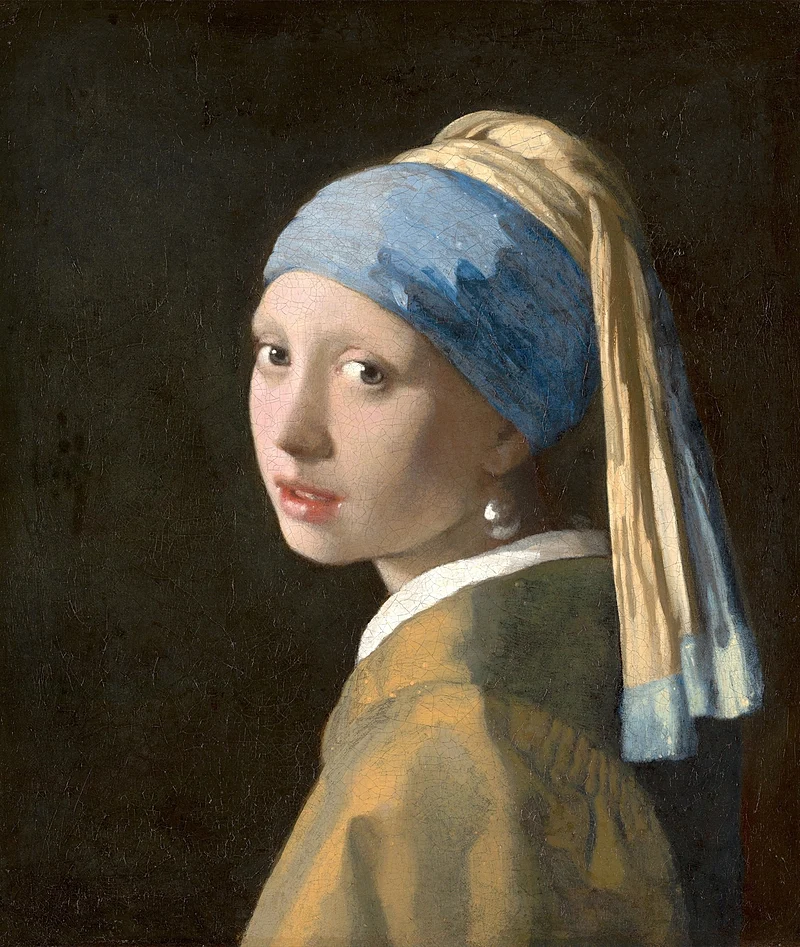
Johannes Vermeer, 1665
Mauritshuis, The Hague

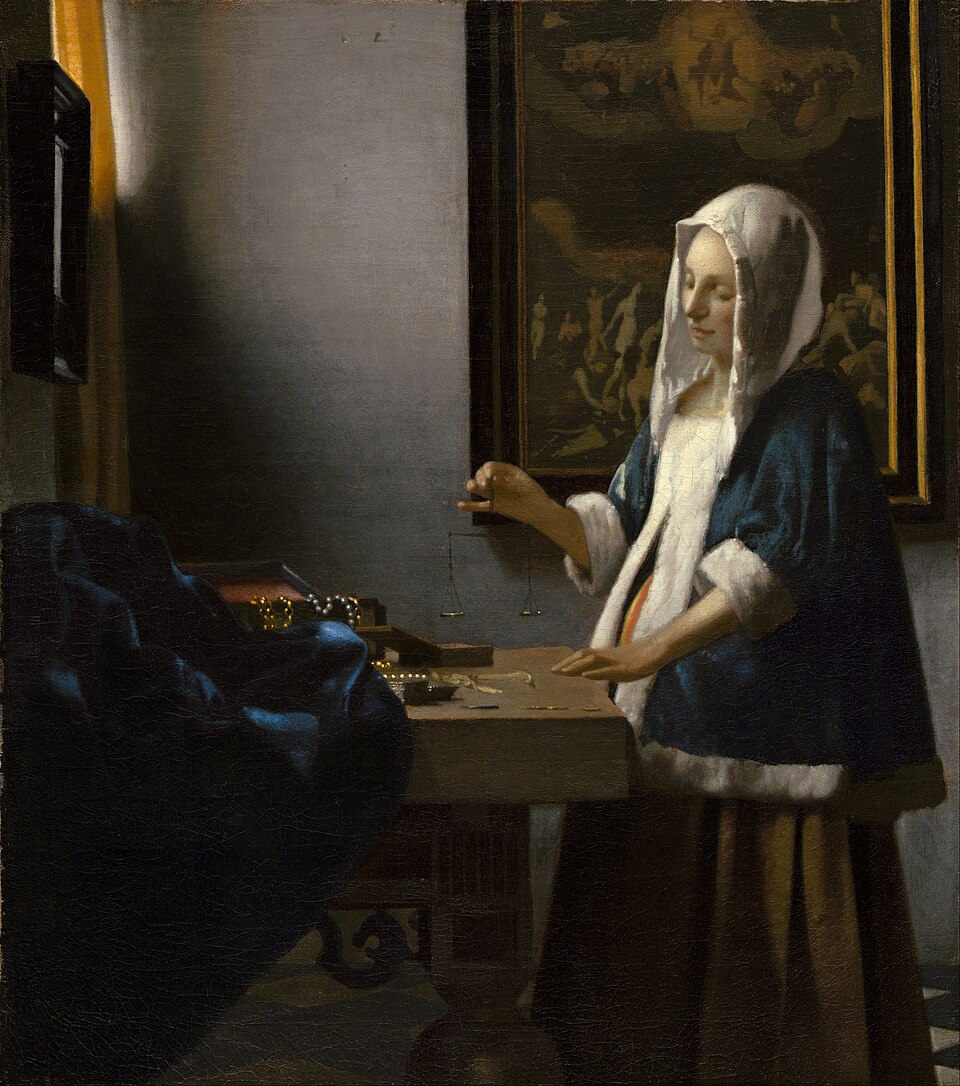
Johannes Vermeer, 1664
National Gallery of Art, Washington, D.C.

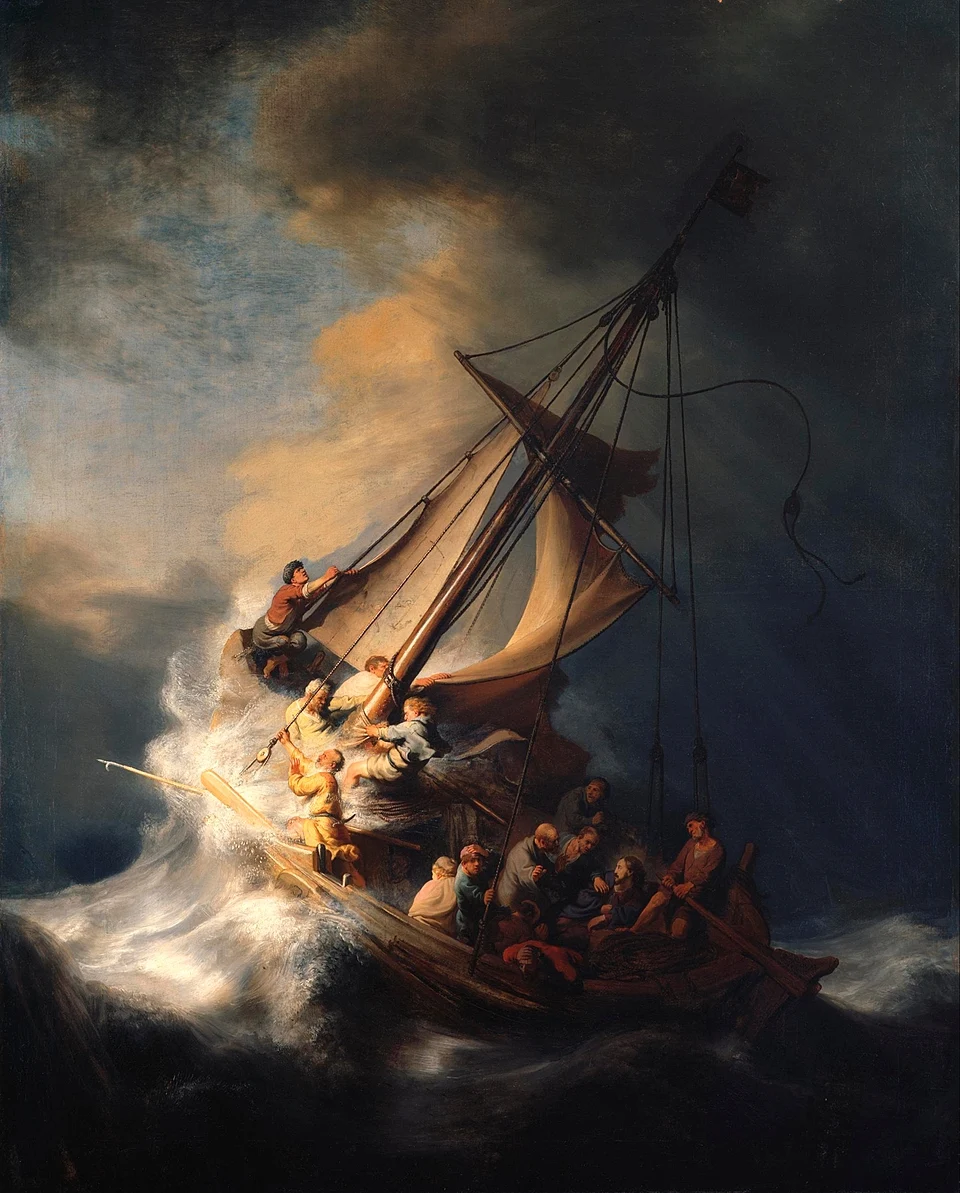
Rembrandt van Rijn, 1633
Isabella Stewart Gardner Museum, Boston
Luxury wall art with the same mood and energy. Gallery-quality canvas, no museum crowds.
Browse Collection