1720 – 1780
Rococo
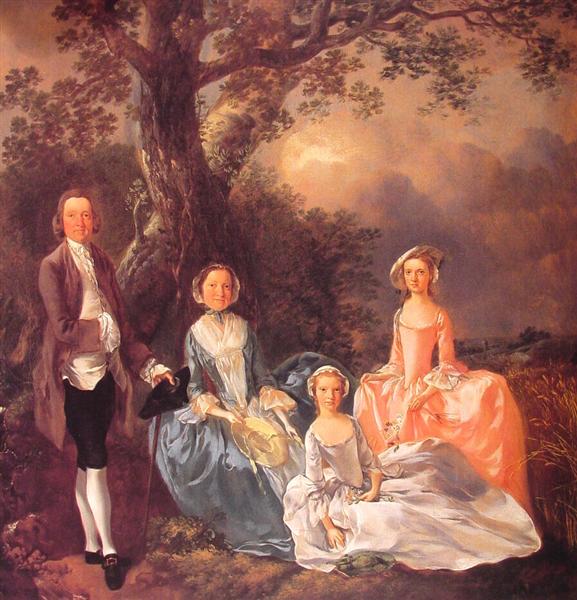
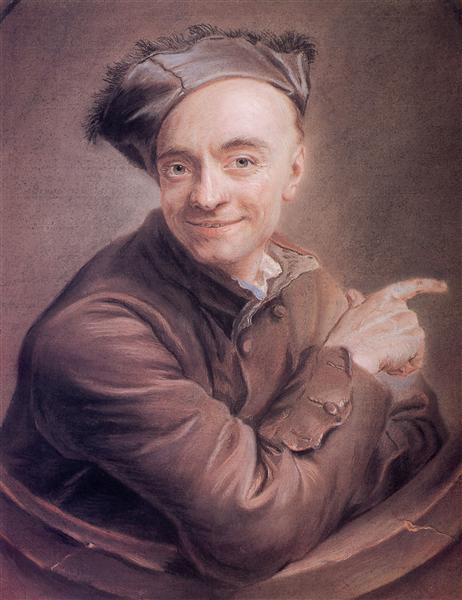
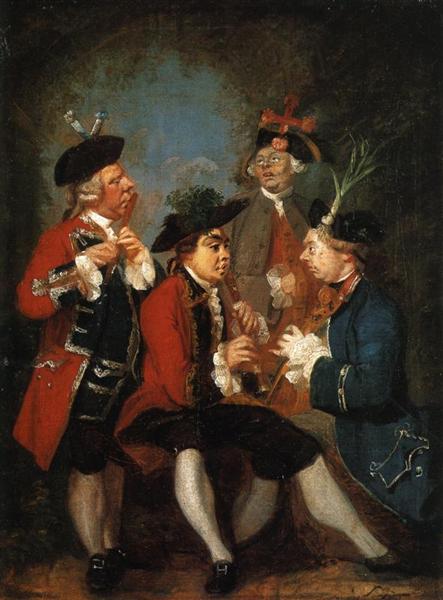
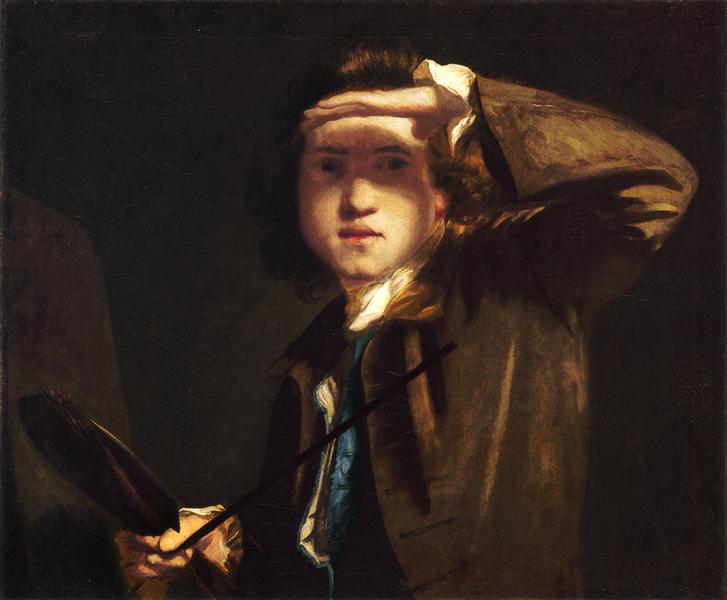
Rococo emerged in early 18th-century France as a lighter, more playful reaction to Baroque grandeur. Where Baroque served popes and monarchs with dramatic intensity, Rococo pleased aristocrats seeking pleasure and wit. Pastel colors replaced deep shadows. Cherubs and flirtatious lovers replaced tortured saints. Ornament became an end in itself.
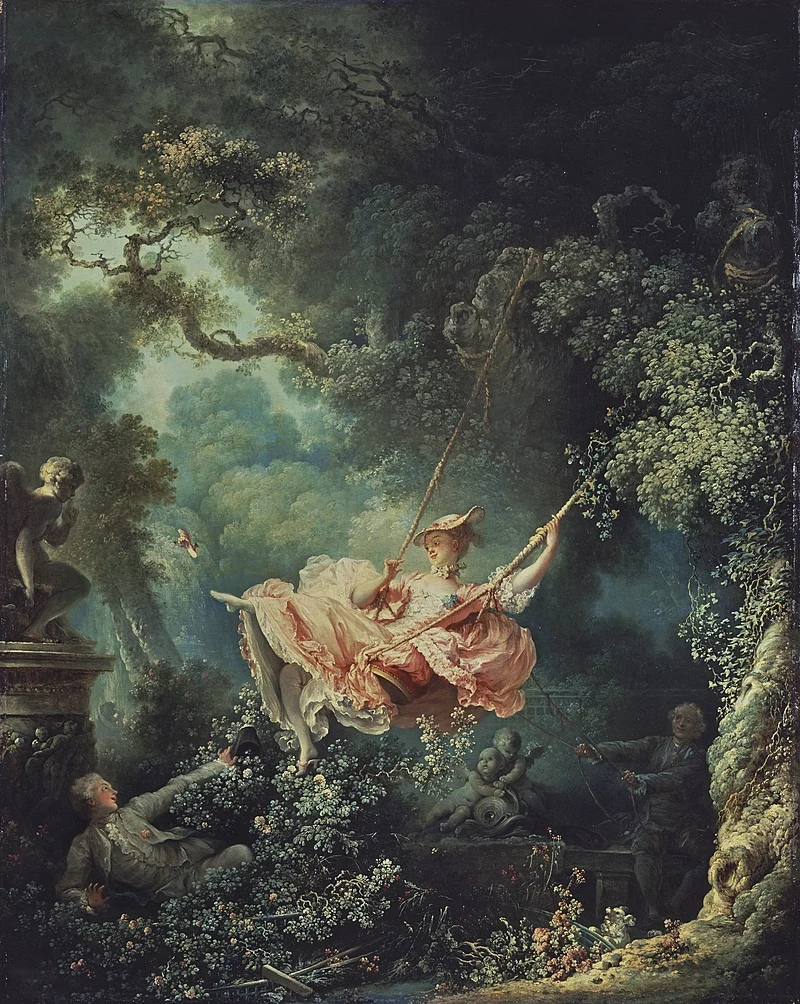
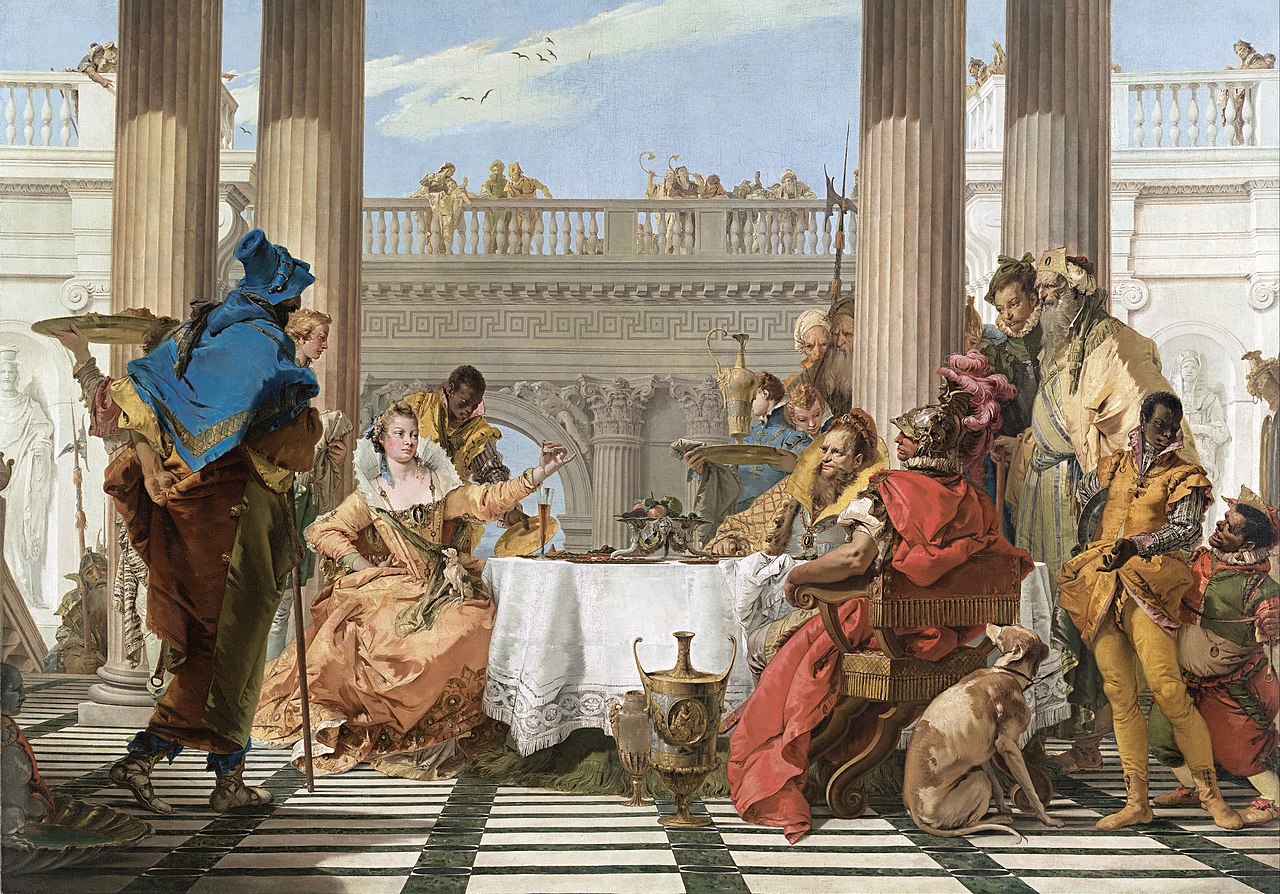
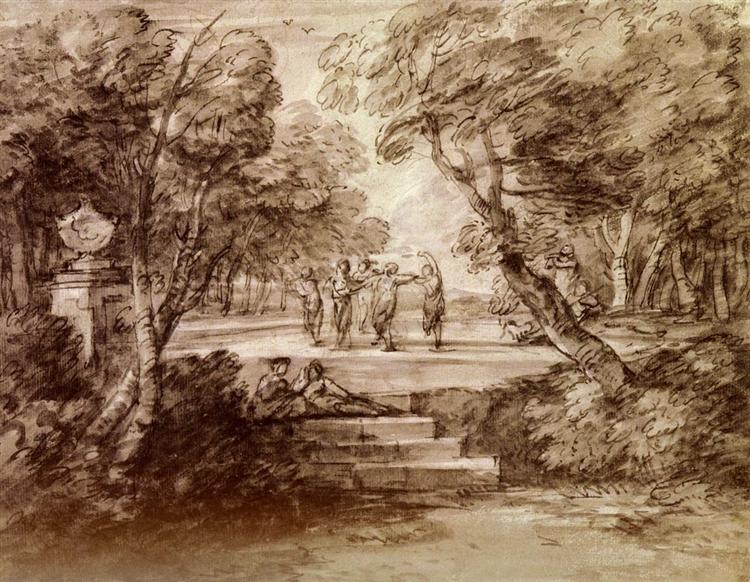
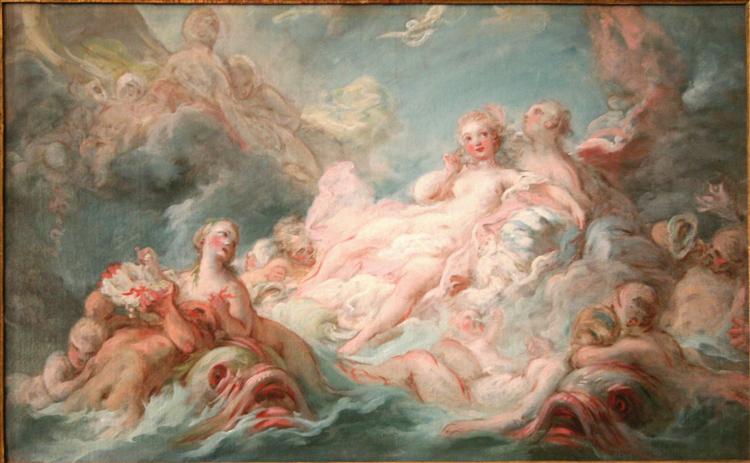
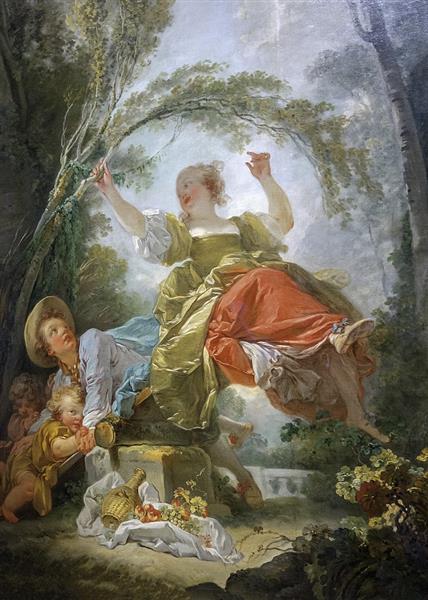
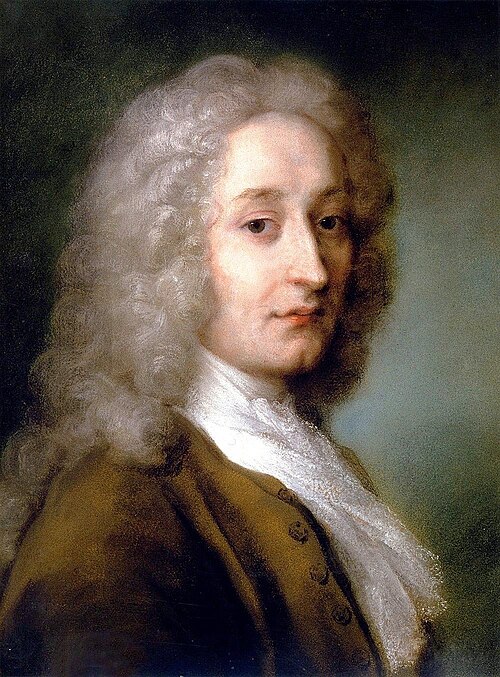
Antoine Watteau pioneered the fête galante, depicting elegant figures in parkland settings. Jean-Honoré Fragonard's famous The Swing captures the style perfectly: a young woman kicks off her slipper while a hidden lover watches from the bushes. François Boucher painted mythological scenes with rosy flesh and pink clouds. In Venice, Tiepolo created dazzling ceiling frescoes.
Rococo extended beyond painting to architecture, furniture, and decorative arts, characterized by asymmetrical curves, shell motifs, and gold leaf. Critics dismissed it as frivolous, and the French Revolution swept it away along with the aristocracy that patronized it. Today, Rococo paintings hang in the Louvre, the Wallace Collection in London, and the Frick Collection in New York.
What to Look For
Spotting Rococo art in museums and galleries:
- 1Pastel colors: soft pinks, powder blues, creamy whites
- 2Playful, flirtatious subjects: swings, love letters, garden parties
- 3Cherubs and cupids in abundance
- 4Asymmetrical, curving compositions
- 5Elegant aristocrats in silk and satin in parkland settings
- 6Shell and scroll motifs (rocaille)
- 7Rosy, porcelain-like flesh tones
- 8Frivolous mythological subjects: Venus, nymphs, shepherdesses
At a Glance
- Period
- 1720 – 1780
- Artists
- 10
- Artworks
- 118
Rococo Artists
10 artists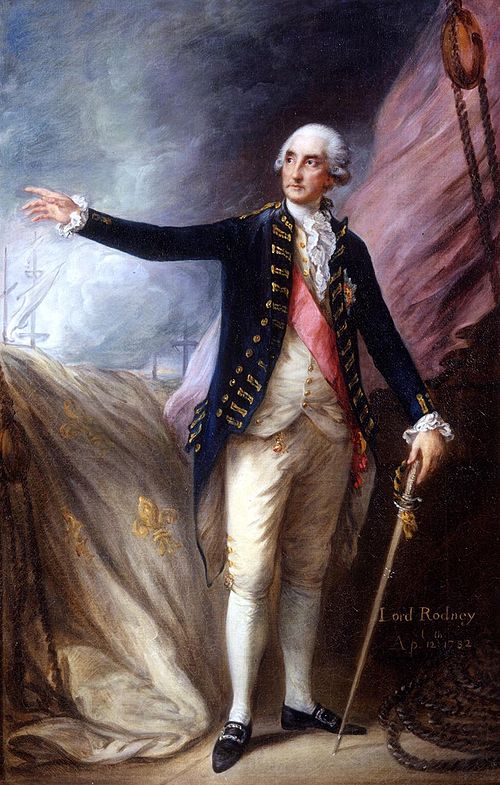
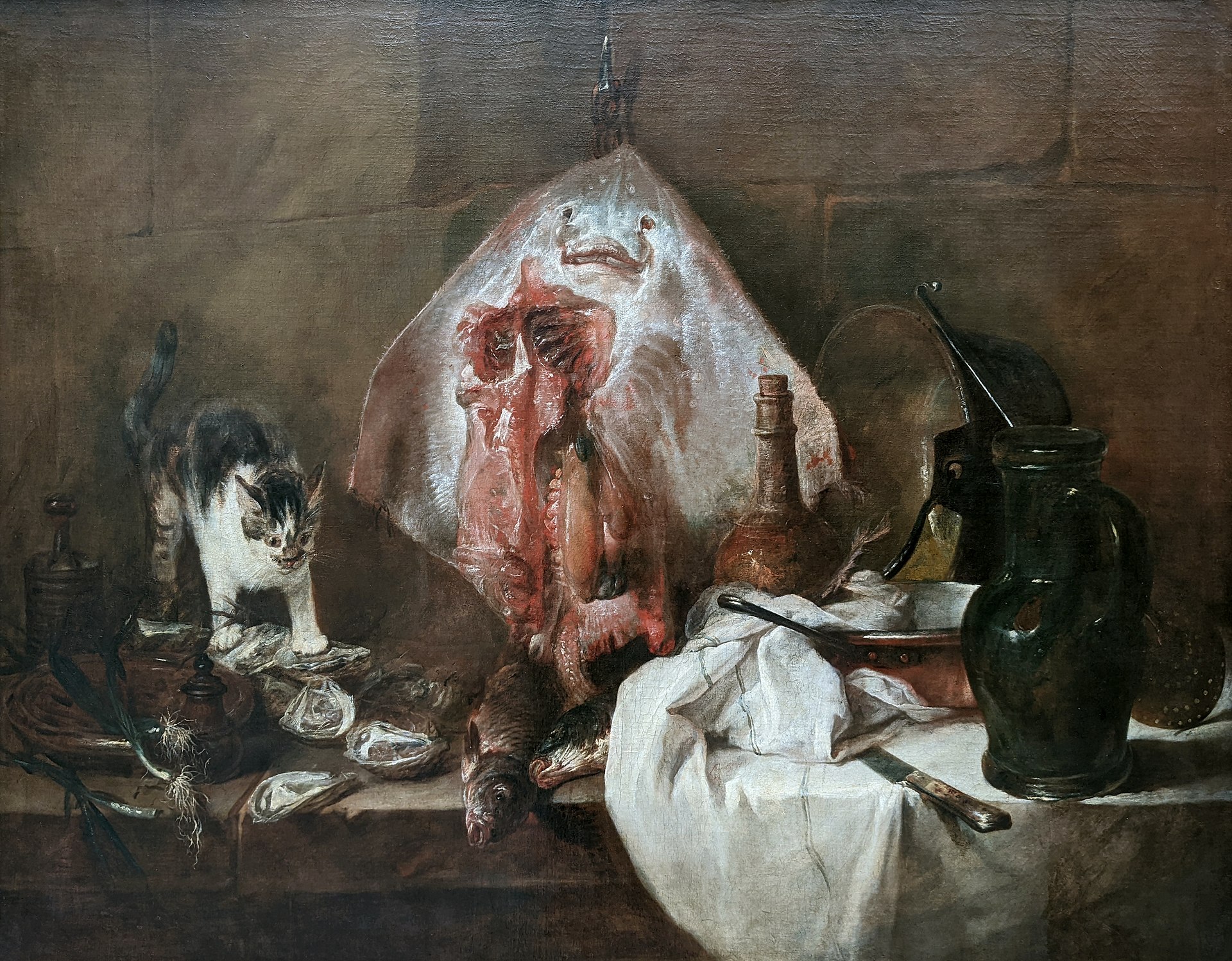
Rococo Masterpieces
12 works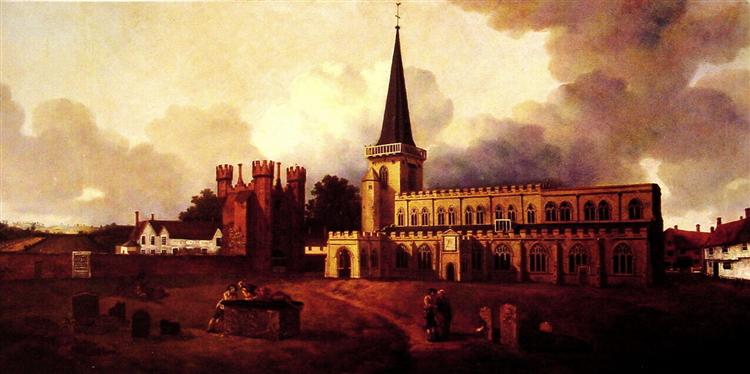
About Rococo
Rococo (1720-1780) was a decorative, playful style favored by French aristocracy. Characterized by pastel colors, asymmetrical curves, and themes of love and pleasure, it contrasted with Baroque drama. Fragonard's The Swing exemplifies its flirtatious elegance.
Key Rococo painters include Antoine Watteau (fête galante scenes), Jean-Honoré Fragonard (amorous subjects), François Boucher (mythological scenes with rosy flesh), and Giovanni Battista Tiepolo (Venetian ceiling frescoes).
Baroque served Church and monarchy with dramatic intensity and religious subjects. Rococo served aristocrats with lighter themes, pastel colors, and decorative ornament. Baroque is grand and serious; Rococo is intimate and playful.
The Louvre Paris holds major French Rococo works. The Wallace Collection in London has outstanding paintings and decorative arts. The Frick Collection New York includes Fragonard's Progress of Love series. Munich's Residenz showcases Rococo architecture and interiors.
Rococo was associated with aristocratic excess as the French Revolution approached. Neoclassicism emerged as a moral correction, emphasizing virtue and civic duty over frivolity. Revolutionary politics ended the aristocratic patronage that sustained Rococo.
Bring Rococo Home
Luxury decor featuring museum-quality canvas prints inspired by these iconic masterpieces.
Shop Rococo Art