1886 – 1910
Post-Impressionism
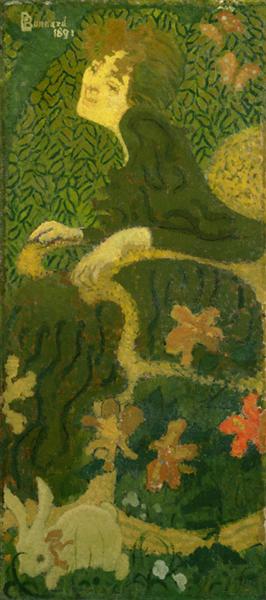
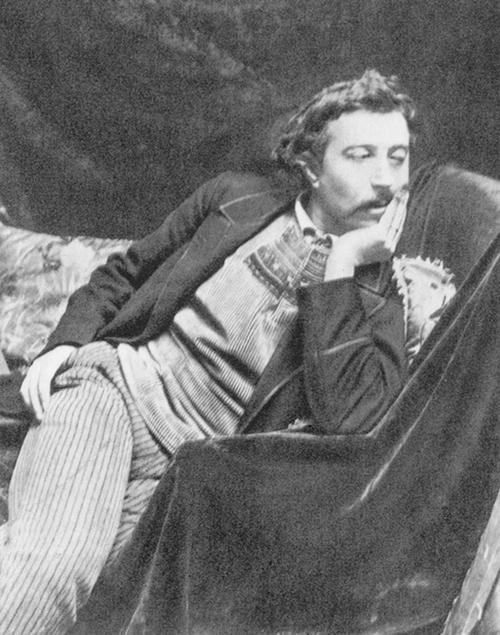
Post-Impressionism wasn't a unified movement but a generation of artists who pushed beyond Impressionism's emphasis on light and color. From roughly 1886 to 1910, painters like Paul Cézanne, Vincent van Gogh, Paul Gauguin, and Georges Seurat each developed distinct personal styles that would shape Modern art.
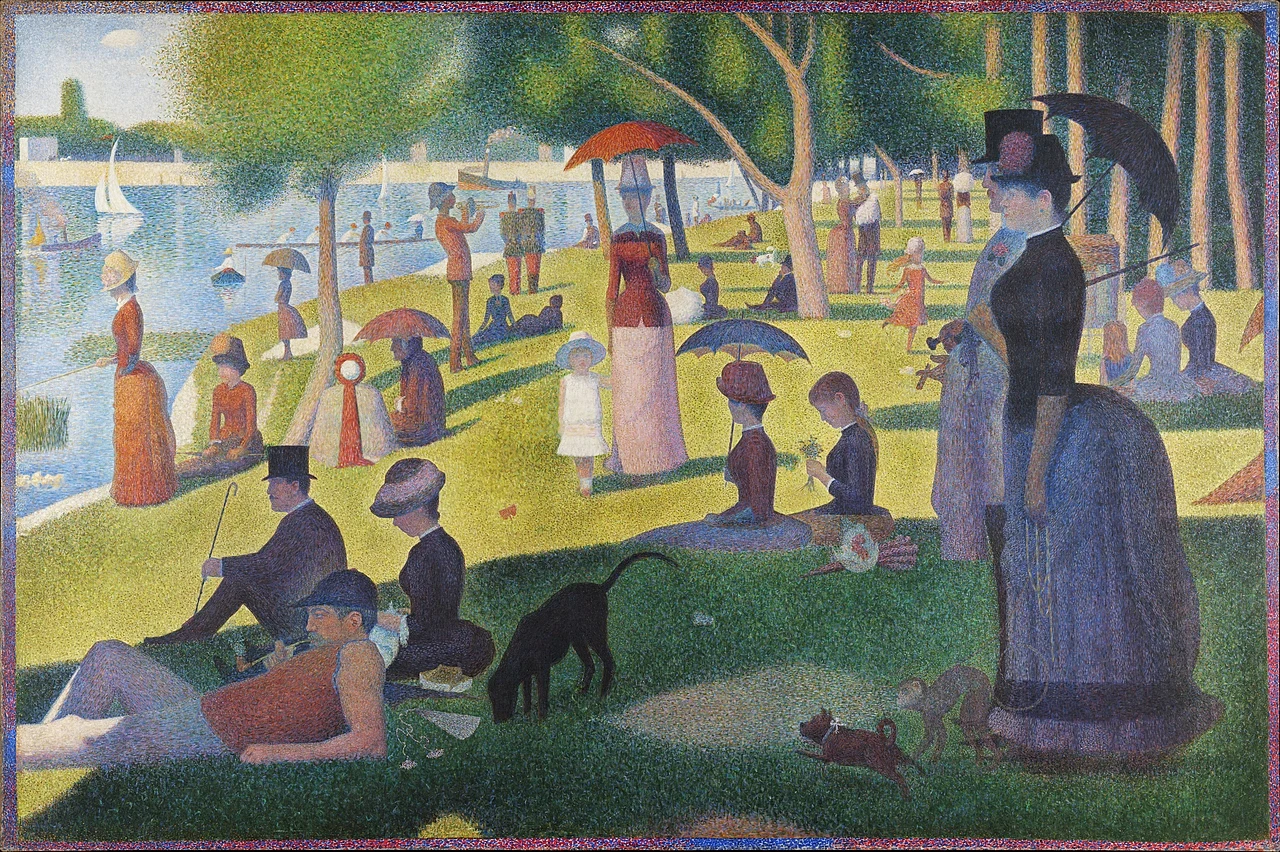
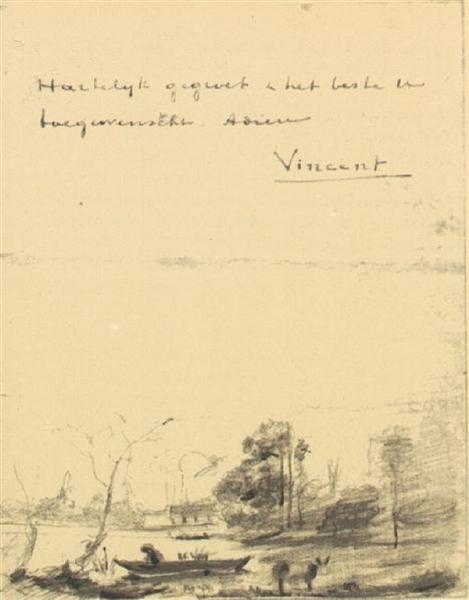
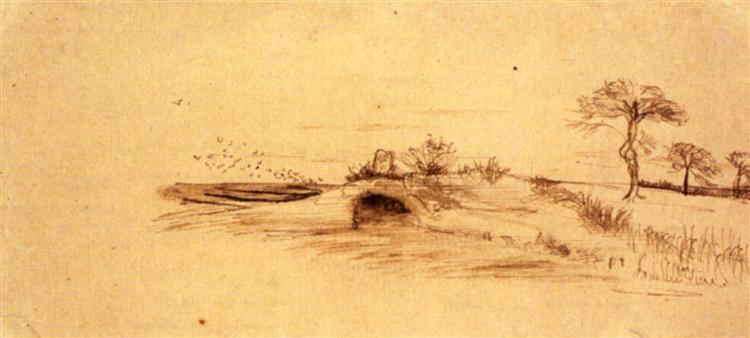
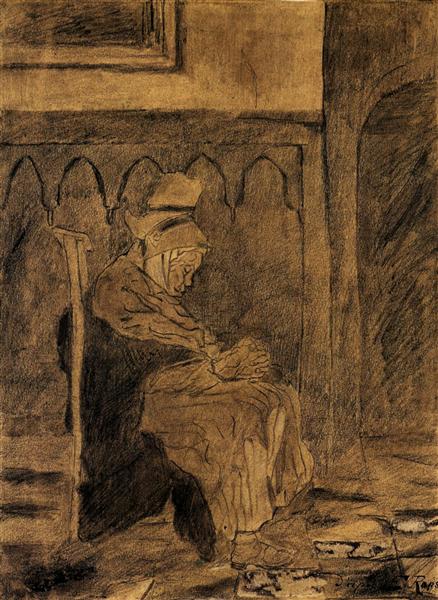
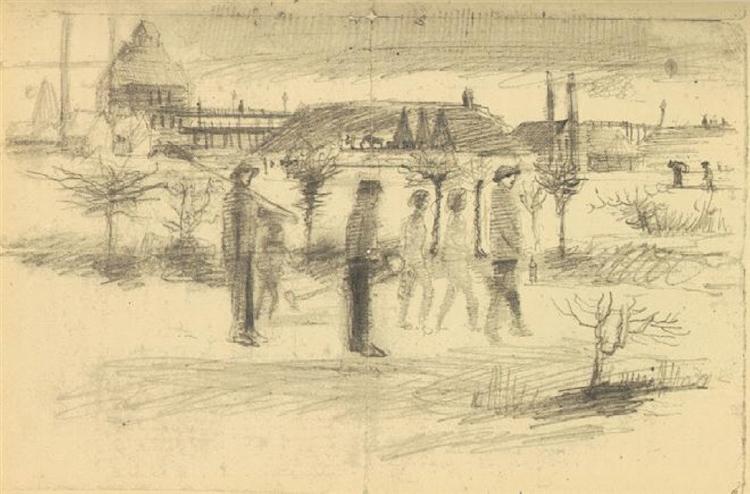
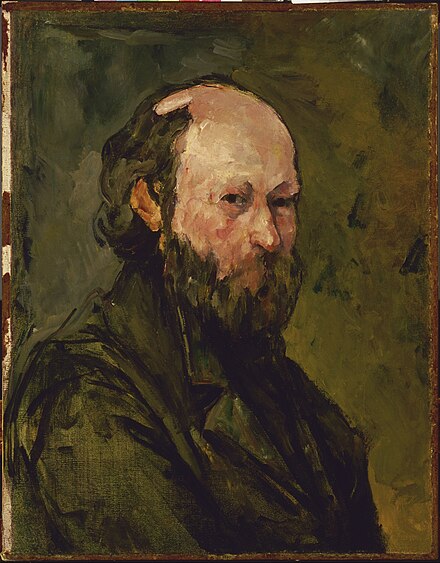
Cézanne flattened space and built forms from geometric color patches, becoming the "father of modern art." Van Gogh painted emotional intensity with swirling brushwork and bold colors. Gauguin sought escape in Tahiti, using flat colors and symbolic imagery. Seurat developed Pointillism, applying tiny dots of pure color in scientific precision.
These artists worked largely in isolation, often misunderstood in their lifetimes. Van Gogh sold almost nothing before his death at 37. Today, their works command the highest auction prices in art history. Major collections exist at the Musée d'Orsay, the Van Gogh Museum in Amsterdam, and the Art Institute of Chicago.
What to Look For
Spotting Post-Impressionism art in museums and galleries:
- 1Swirling, expressive brushstrokes visible from across the room (Van Gogh)
- 2Forms built from geometric color patches (Cézanne)
- 3Tiny dots of pure color placed side by side (Pointillism/Seurat)
- 4Flat areas of bold, non-naturalistic color (Gauguin)
- 5Bold dark outlines around forms
- 6Emotional intensity expressed through color choices
- 7Simplified, almost primitive-looking figures (Gauguin)
- 8Distorted perspective flattening three-dimensional space
At a Glance
- Period
- 1886 – 1910
- Artists
- 10
- Artworks
- 249
Defining Features
Bold colorsThick paint applicationGeometric formsEmotional expressionPersonal vision over realism
Post-Impressionism Artists
10 artists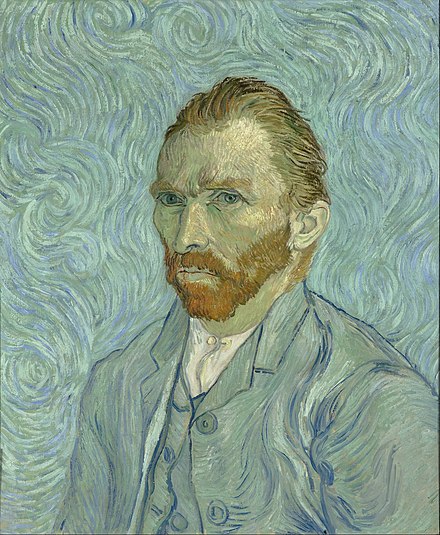
Post-Impressionism Masterpieces
12 works
About Post-Impressionism
Post-Impressionism (1886-1910) describes artists who moved beyond Impressionism. Cézanne, Van Gogh, Gauguin, and Seurat each developed unique styles emphasizing structure, emotion, symbolism, or scientific color theory.
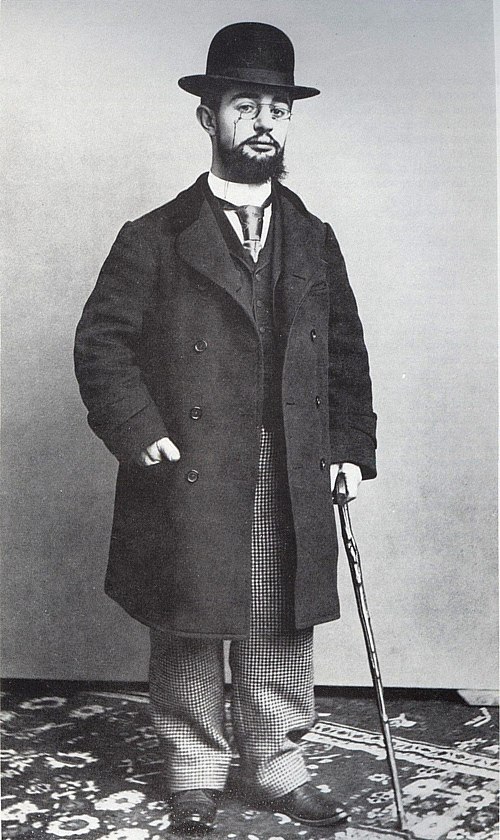
The main Post-Impressionists are Paul Cézanne (geometric forms), Vincent van Gogh (emotional brushwork), Paul Gauguin (symbolic color), Georges Seurat (Pointillism), and Henri de Toulouse-Lautrec (Parisian nightlife).
Impressionists focused on capturing fleeting light and atmosphere. Post-Impressionists pushed further: Cézanne emphasized underlying structure, Van Gogh expressed emotion through color and brushwork, and Gauguin used flat, symbolic color.
The Musée d'Orsay Paris has major Cézanne and Van Gogh works. The Van Gogh Museum Amsterdam holds the world's largest Van Gogh collection. The Art Institute of Chicago has famous Seurat paintings including A Sunday on La Grande Jatte.
Post-Impressionism laid groundwork for Modern art. Cézanne influenced Cubism, Van Gogh inspired Expressionism, and Gauguin's symbolic color influenced Fauvism. These artists proved painting could express more than visual reality.
Bring Post-Impressionism Home
Luxury decor featuring museum-quality canvas prints inspired by these iconic masterpieces.
Shop Post-Impressionism Art