1860 – 1890
Impressionism
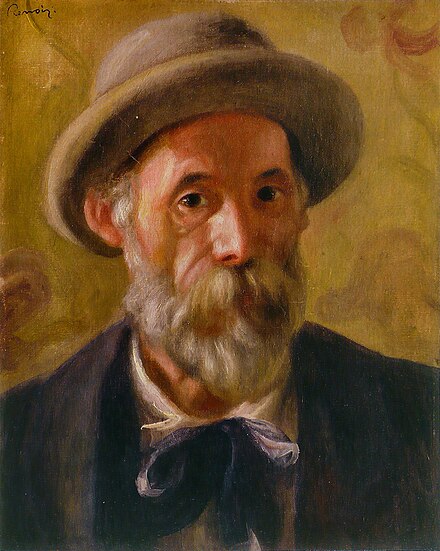
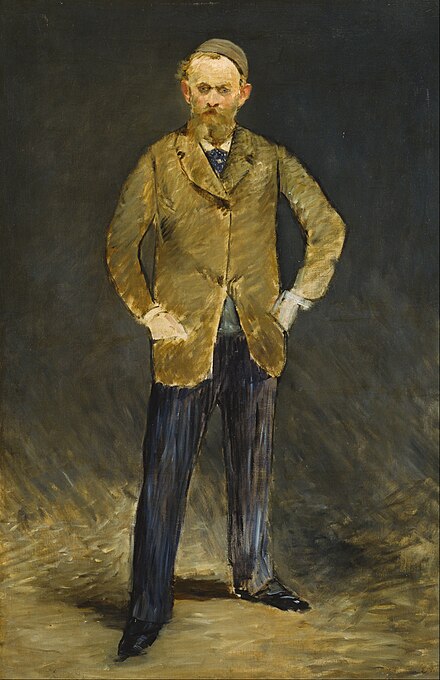
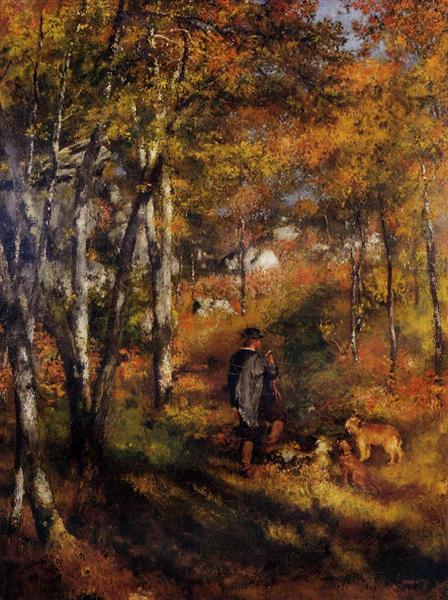
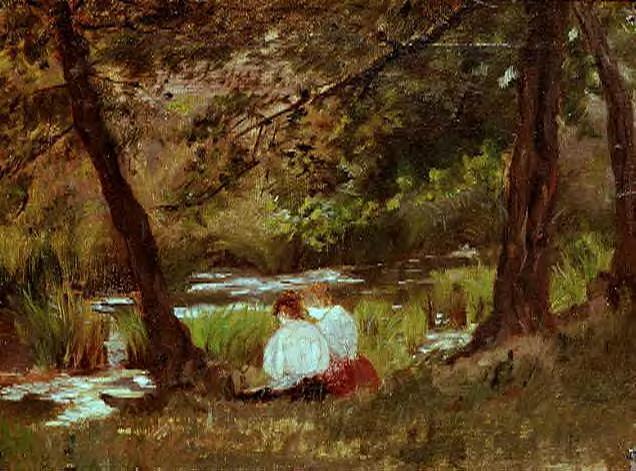
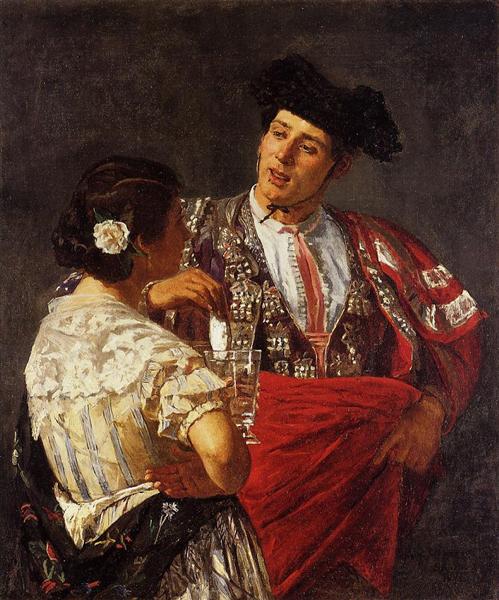
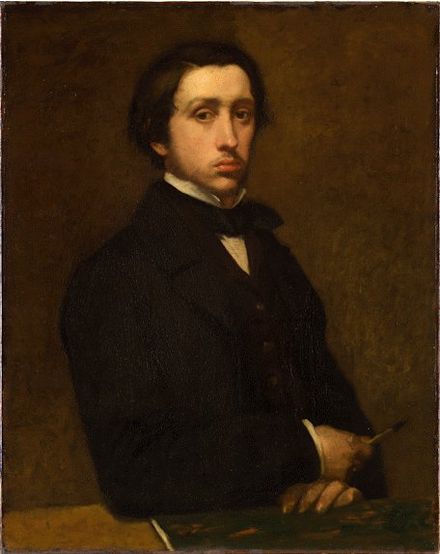
Impressionism emerged in 1860s Paris when a group of artists rejected the rigid rules of the French Academy. Instead of working in studios, they painted outdoors (plein air), capturing how light fell on haystacks, water lilies, and Parisian boulevards at specific moments. Claude Monet, Pierre-Auguste Renoir, and Edgar Degas became the movement's leading figures.
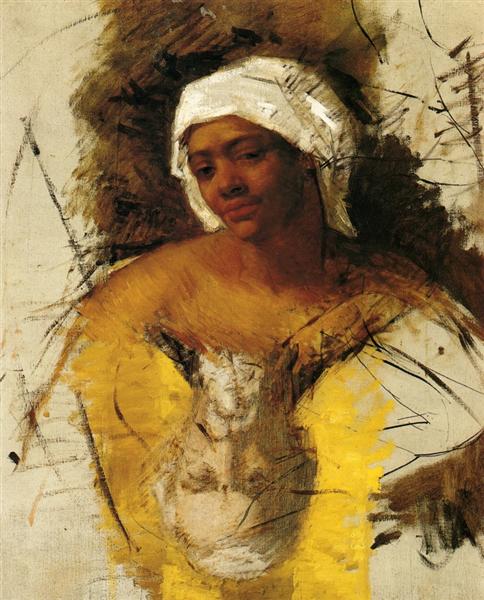
The name "Impressionism" was coined as an insult. When Monet exhibited Impression, Sunrise in 1874, critics mocked the loose brushwork and unfinished appearance. But what critics dismissed as sloppiness was actually radical technique: visible brushstrokes, pure colors placed side by side, and shadows rendered in blue and purple rather than brown or black.
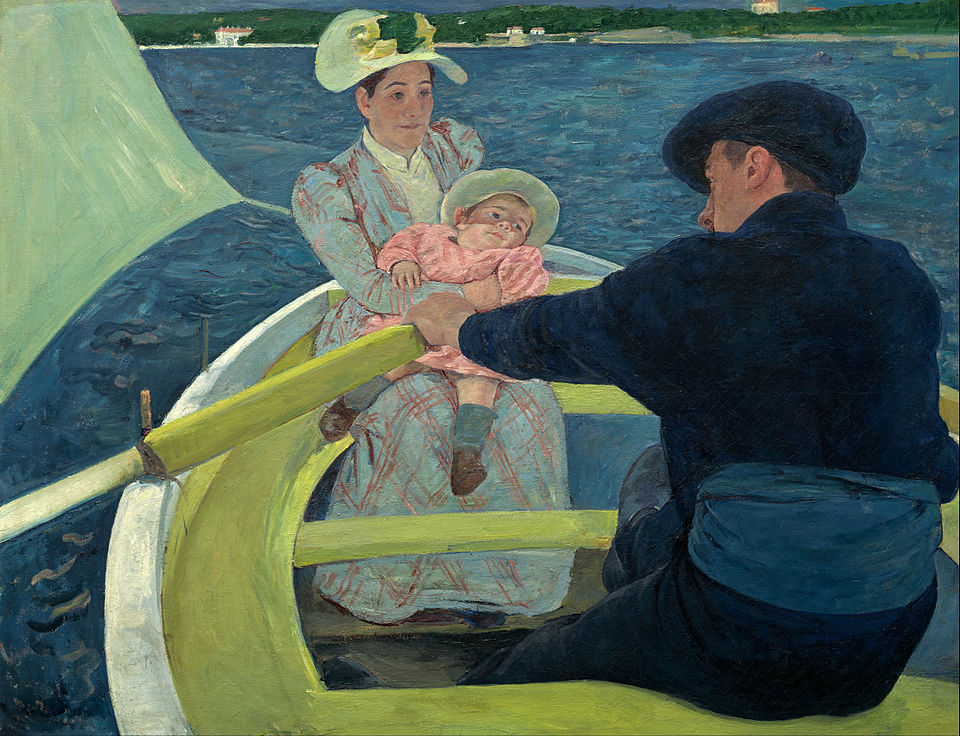
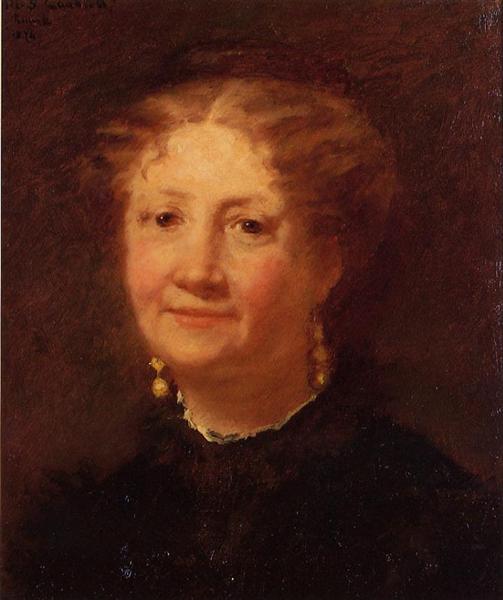
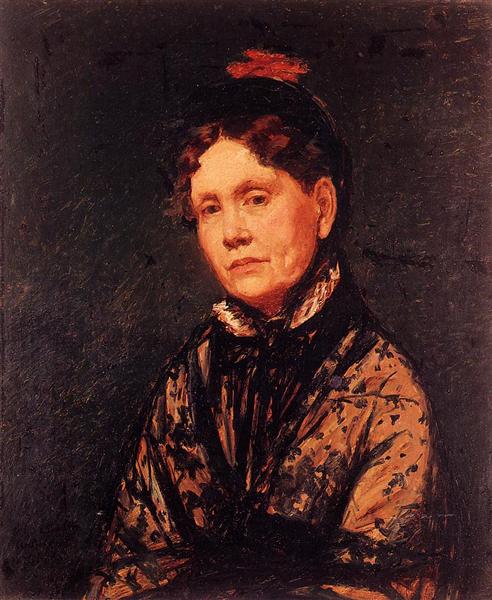
The Impressionists painted modern life: cafes, railway stations, ballet dancers, boating parties. They captured movement and atmosphere rather than static poses. Berthe Morisot and Mary Cassatt brought domestic scenes and women's perspectives to the movement. Today, Impressionist paintings rank among the world's most beloved and valuable artworks, displayed in major museums from the Musée d'Orsay to the Art Institute of Chicago.
What to Look For
Spotting Impressionism art in museums and galleries:
- 1Visible, distinct brushstrokes you can see from close up
- 2Outdoor scenes with dappled sunlight filtering through trees
- 3Shadows painted in blues and purples, never brown or black
- 4Everyday subjects: cafes, boating parties, ballet rehearsals, train stations
- 5Soft, blurred edges rather than sharp outlines
- 6Colors placed side by side rather than blended on the palette
- 7Sense of a specific moment in time, a fleeting light condition
- 8Modern Parisian life: boulevards, gardens, leisure activities
At a Glance
- Period
- 1860 – 1890
- Artists
- 23
- Artworks
- 486
Defining Features
Visible brushstrokesLight and color emphasisEveryday subjectsOutdoor paintingCapturing momentary effects
Impressionism Artists
23 artists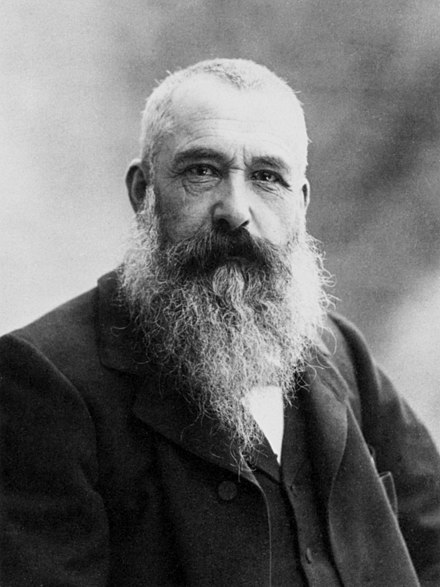
Impressionism Masterpieces
12 works
About Impressionism
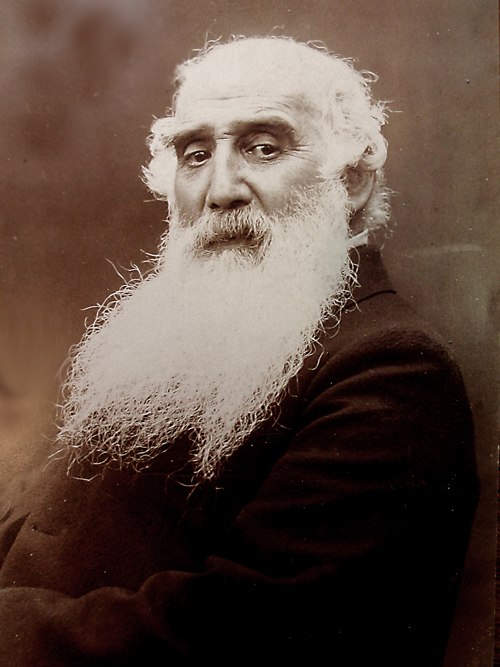
The core Impressionists include Claude Monet, Pierre-Auguste Renoir, Edgar Degas, Camille Pissarro, Berthe Morisot, and Mary Cassatt. Alfred Sisley and Gustave Caillebotte were also key members.
The name came from Monet's 1872 painting Impression, Sunrise. Critic Louis Leroy used "Impressionism" mockingly to describe the loose, sketch-like style. The artists embraced the term, and it became one of art history's most famous movement names.
The Musée d'Orsay in Paris has the world's largest Impressionist collection. The Art Institute of Chicago holds famous Monets and Renoirs. The National Gallery London and Metropolitan Museum New York also have major holdings.
Impressionist techniques include visible brushstrokes, pure colors applied side by side (optical mixing), plein air (outdoor) painting, and capturing specific light conditions. Artists avoided black, using blues and purples for shadows instead.
Bring Impressionism Home
Luxury decor featuring museum-quality canvas prints inspired by these iconic masterpieces.
Shop Impressionism Art