Richard Bergh
Swedish·1858–1919
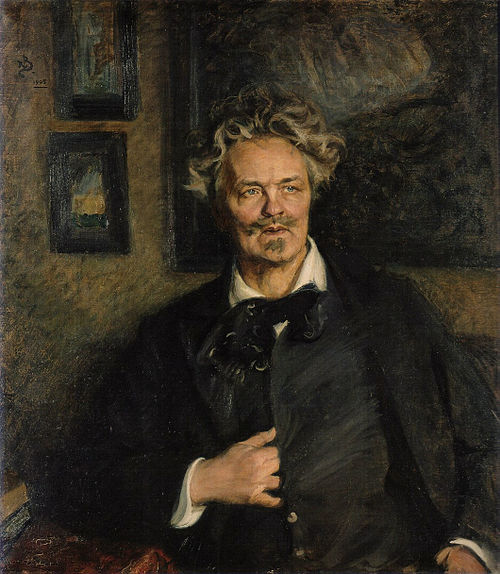
Swedish painter and art critic Richard Bergh (1858-1919) became a leader of Scandinavian art's revolt against academic tradition while developing a distinctive National Romantic style. Born in Stockholm to artist parents Johan Edvard Bergh and Amanda Helander, he trained at the Royal Swedish Academy of Fine Arts before traveling to Paris in 1881, where he studied with Jean-Paul Laurens at the Académie Colarossi. At Grez-sur-Loing, he joined the Nordic art colony with Ernst Josephson and became a founding member of the Opponenterna, a group protesting the Academy's conservative teaching methods.
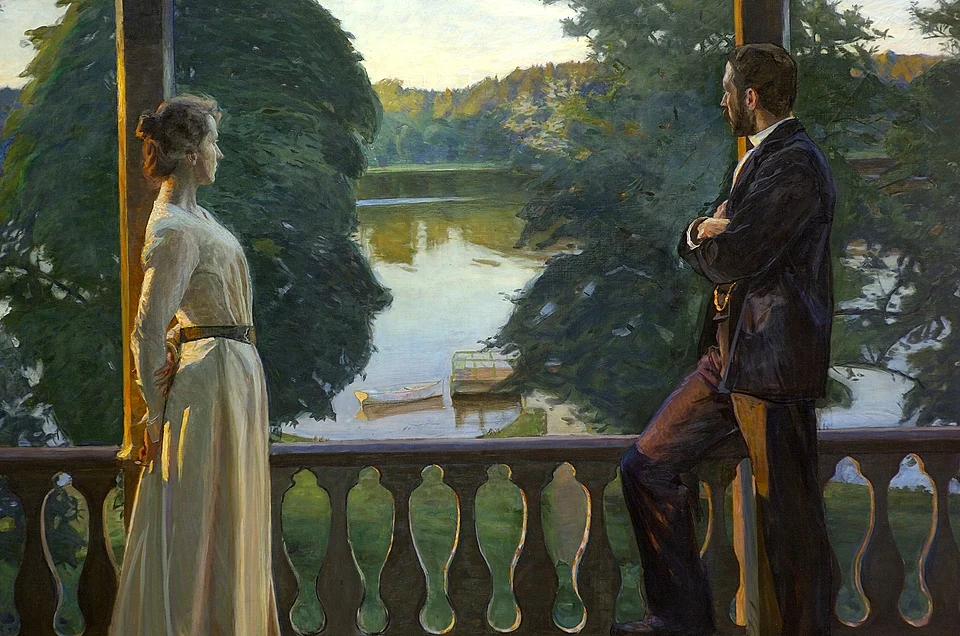
Despite years in France, Bergh remained unattracted to Impressionism, preferring the Naturalism of Jules Bastien-Lepage. His painting Nordic Summer Evening exemplifies the twilight mood paintings that emerged when the Opponents returned to Sweden in the 1890s, depicting figures in contemplative stillness under the lingering Nordic light. Bergh coined the term "stämningsmåleri" (mood painting) in an 1896 essay describing this subjective approach that broke with strict Realism. He co-founded the Konstnärsförbundet artists' association with Carl Larsson and Ernst Josephson as an alternative to the conservative Academy. In 1915, Bergh became curator and director of the Nationalmuseum, spending his final years modernizing its purchasing guidelines. His atmospheric blue-toned paintings can be seen at the Nationalmuseum, the Gothenburg Museum of Art, and the Thiel Gallery in Stockholm.
Notable Works by Richard Bergh
1 painting catalogued with museum locations
Museums with Richard Bergh's Work
1 museum displays Bergh's works. Click any museum to see visiting info and the specific works they hold.
Related Artists
Other Impressionism artists you might like
About Richard Bergh
Bergh was associated with Swedish National Romanticism and the Opponent movement that rebelled against the Royal Academy's conservative teaching methods in the 1880s. This group of young Swedish artists demanded the right to paint outdoors and study in Paris, transforming Scandinavian art through their reforms.
Bergh coined this Swedish term meaning 'mood painting' in an influential 1896 essay, describing the subjective, atmospheric approach that characterized Nordic art of the 1890s. Rather than precise documentation, stämningsmåleri emphasized emotional resonance, twilight ambiguity, and the mysterious qualities of Scandinavian landscapes and light.
Works hang at the Nationalmuseum in Stockholm, the Gothenburg Museum of Art, the Malmö Art Museum, and the Thiel Gallery. Nordic Summer Evening, his most famous painting, is at the Gothenburg Museum. His portraits are also well represented in Swedish collections.
Nordic Summer Evening (1899-1900) exemplifies his twilight mood paintings, depicting two contemplative figures on a veranda under the lingering light of a Scandinavian summer night. The painting captures the meditative stillness and emotional ambiguity that defined the National Romantic movement's interpretation of Nordic identity.
Yes, in 1915 Bergh became curator and director of the Nationalmuseum in Stockholm, spending his final years modernizing its acquisitions policies and exhibition strategies. He championed contemporary Scandinavian art and expanded the museum's collection of French Impressionism before his death in 1919.
Love Richard Bergh's Style?
Explore art inspired by Impressionism.
Browse Collection