Paula Modersohn-Becker
German·1876–1907
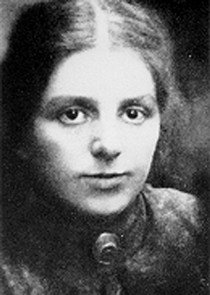
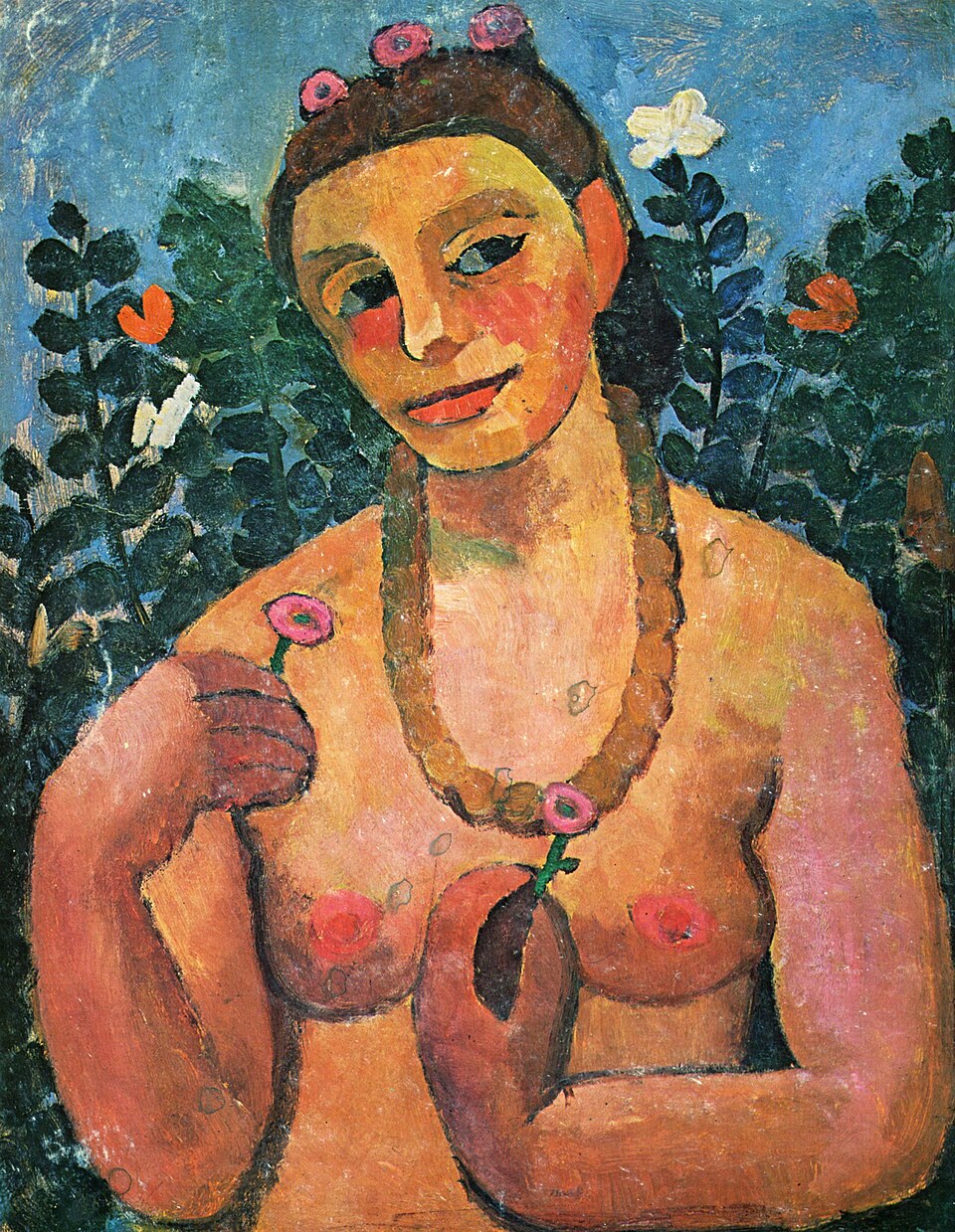
Expressionist pioneer Paula Modersohn-Becker (1876-1907) created groundbreaking works that bridged Post-Impressionism and early German modernism. Born in Dresden, she settled at the Worpswede artists' colony in northern Germany, where she developed a distinctive style using simplified forms and symbolic color. Her self-portraits and images of mothers with children pushed beyond naturalism toward emotional truth. She may have been the first woman to paint a full-length nude self-portrait and the first artist to make pregnancy visible in art.
Modersohn-Becker studied at the School for Women Artists in Berlin and made multiple trips to Paris (1900, 1903, 1905, 1906-07), where she absorbed the work of Cézanne, Gauguin, and the Nabis. Her earthy palette and complex textures, achieved by scratching into wet paint, created surfaces unlike any of her contemporaries. She married fellow Worpswede painter Otto Modersohn in 1901 and maintained close friendships with sculptor Clara Westhoff and poet Rainer Maria Rilke. Tragically, she died of postpartum embolism at age 31, just 18 days after giving birth to her daughter Mathilde. Bremen's Paula Modersohn-Becker Museum, opened in 1927, was the first museum dedicated to a female artist. Her work also hangs at the Museum of Modern Art and the National Gallery of Art.
Notable Works by Paula Modersohn-Becker
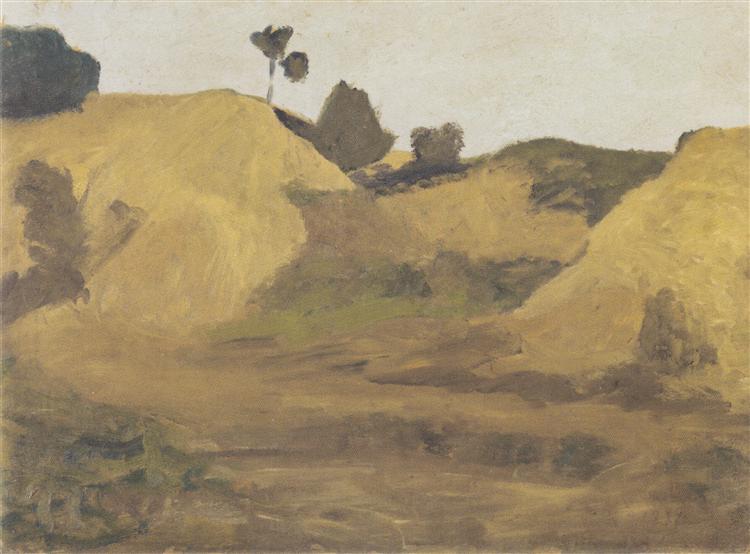
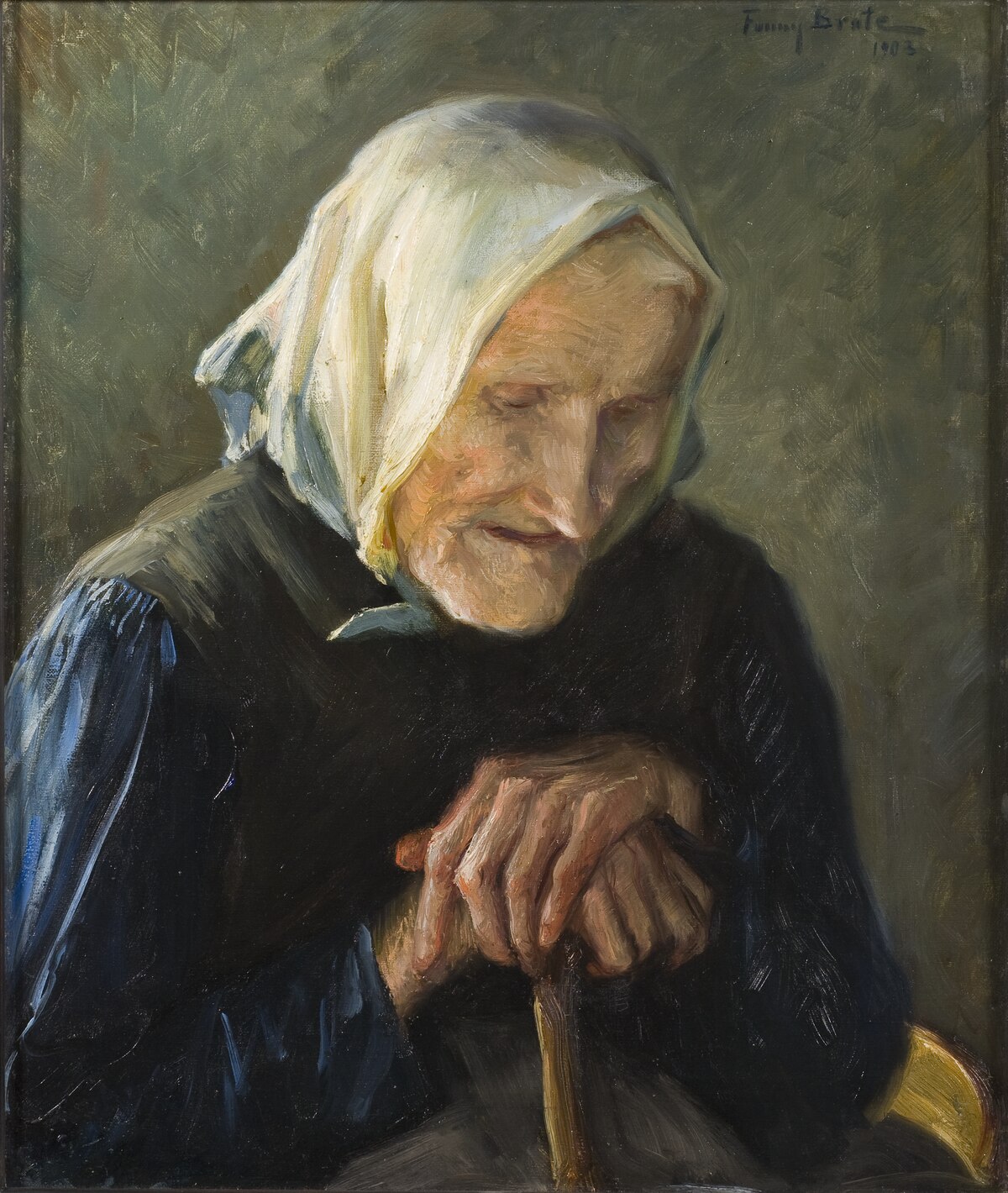
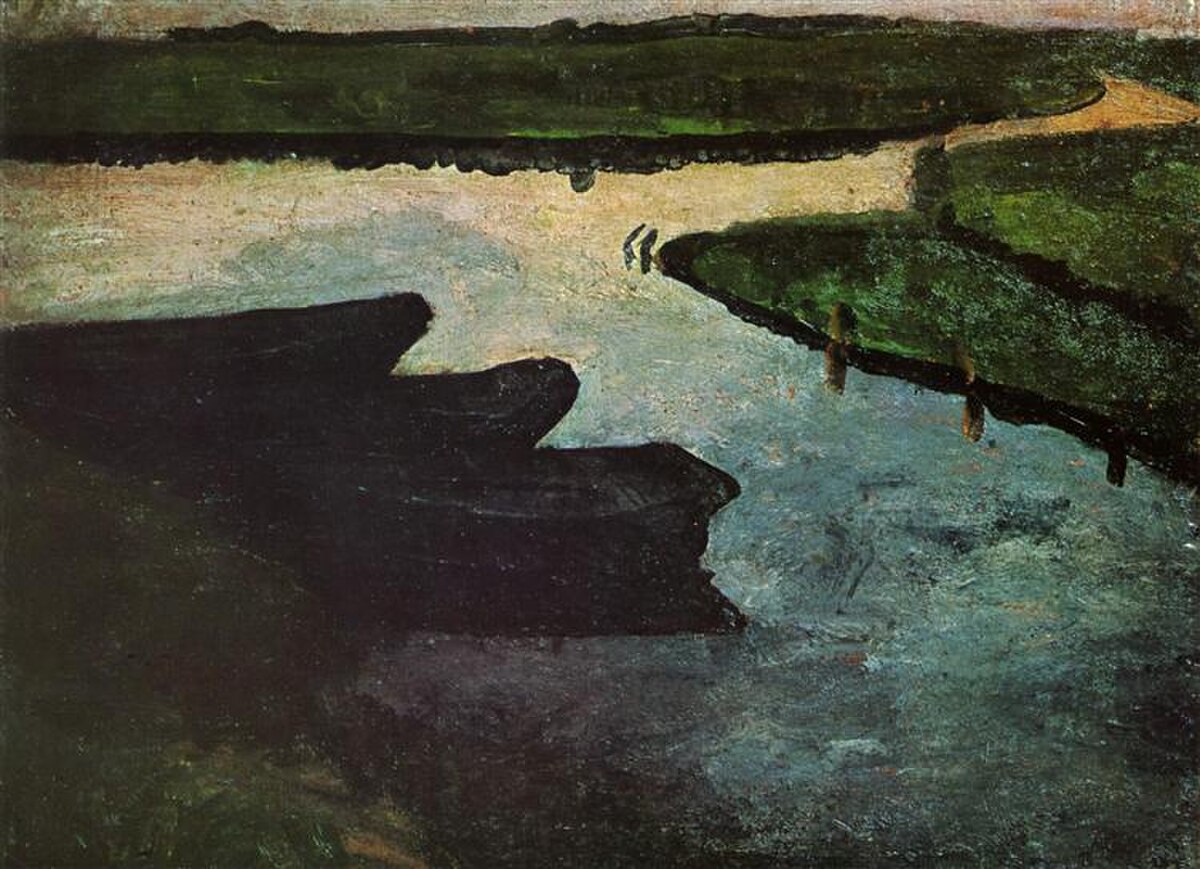
4 paintings catalogued with museum locations
Museums with Paula Modersohn-Becker's Work
4 museums display Modersohn-Becker's works. Click any museum to see visiting info and the specific works they hold.
About Paula Modersohn-Becker
She was an early German Expressionist who anticipated the movement before it had a name. Working in Worpswede, she rejected the colony's sentimental naturalism in favor of bold simplification influenced by Cézanne and Gauguin, whom she studied during four trips to Paris between 1900 and 1907.
The Paula Modersohn-Becker Museum in Bremen, opened in 1927, was the world's first museum dedicated to a woman artist. The Museum of Modern Art in New York, the Kunstmuseum Basel, and the Städel Museum in Frankfurt also hold significant works.
She was the first known woman painter to create nude self-portraits. Her 1906 Self-Portrait on the Sixth Wedding Anniversary shows her pregnant (though she wasn't yet), naked to the waist, with unflinching directness. These radical portraits claimed the female body for female artistic vision.
She died at 31, just eighteen days after giving birth to her daughter Mathilde, from a postpartum embolism. Following her doctor's instructions to remain in bed, she stood for the first time, said "What a pity," and collapsed. She left behind over 700 paintings and 1,400 drawings created in just fourteen years.
She painted peasant women, children, and nursing mothers with simplified, monumental forms, rejecting sentimentality for psychological directness. Still lifes of fruit and flowers showed Cézanne's influence in their bold, flattened compositions. Her late work anticipates Expressionism by decades, making her posthumous reputation far exceed her recognition while alive.
Love Paula Modersohn-Becker's Style?
Explore art inspired by their style.
Browse Collection