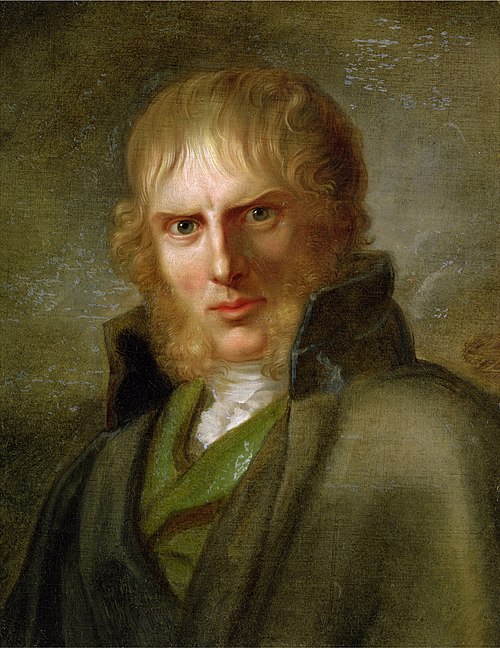
J.M.W. Turner
British·1775–1851
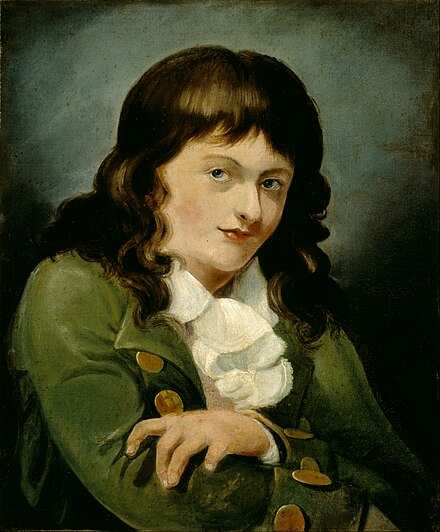
J.M.W. Turner (1775–1851) transformed light itself into the subject of painting. Born in London to a barber, he entered the Royal Academy Schools at fourteen and exhibited his first oil, Fishermen at Sea, at twenty-one. By twenty-seven he was a Royal Academician, the youngest person ever elected to full membership.
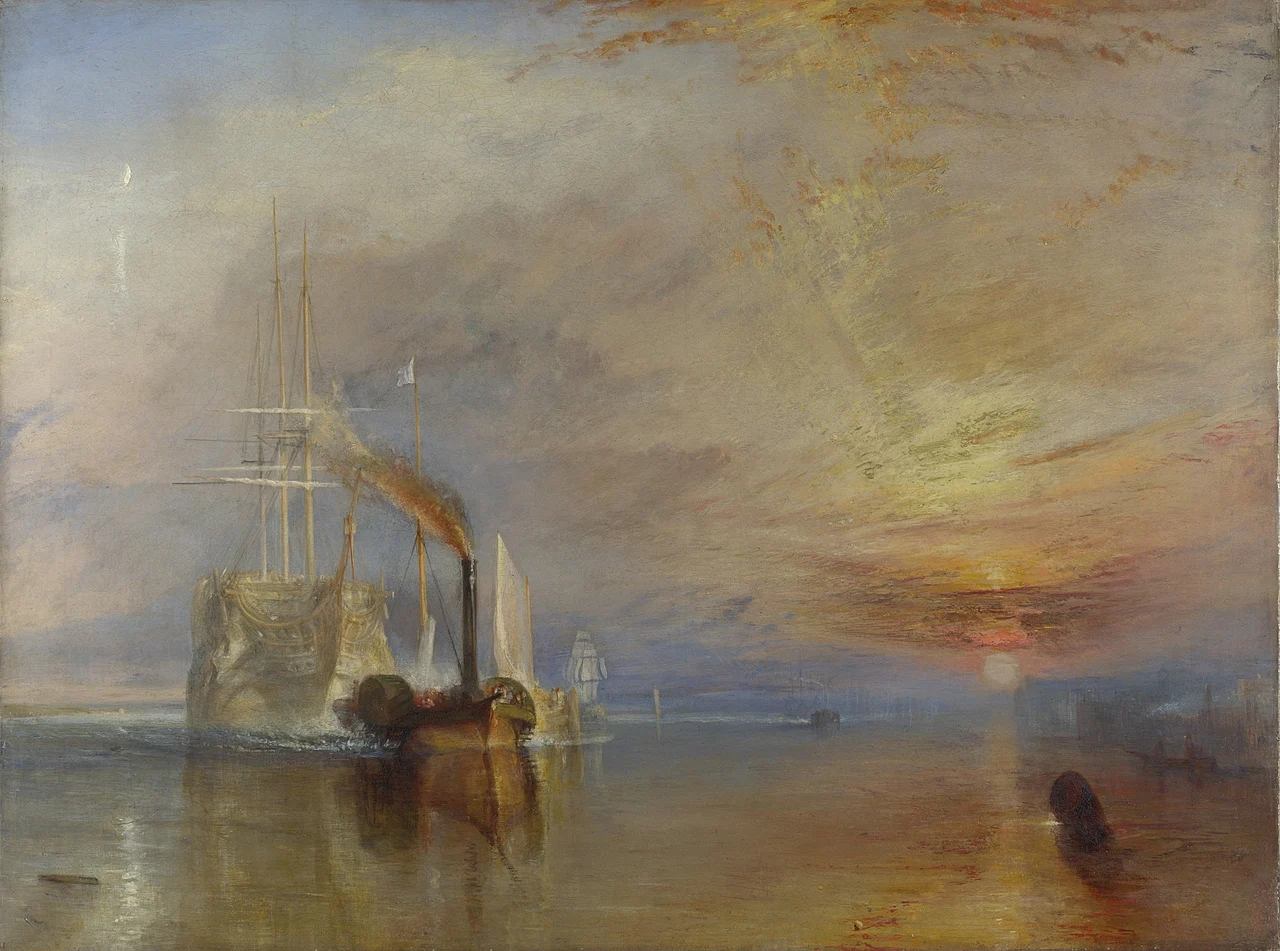
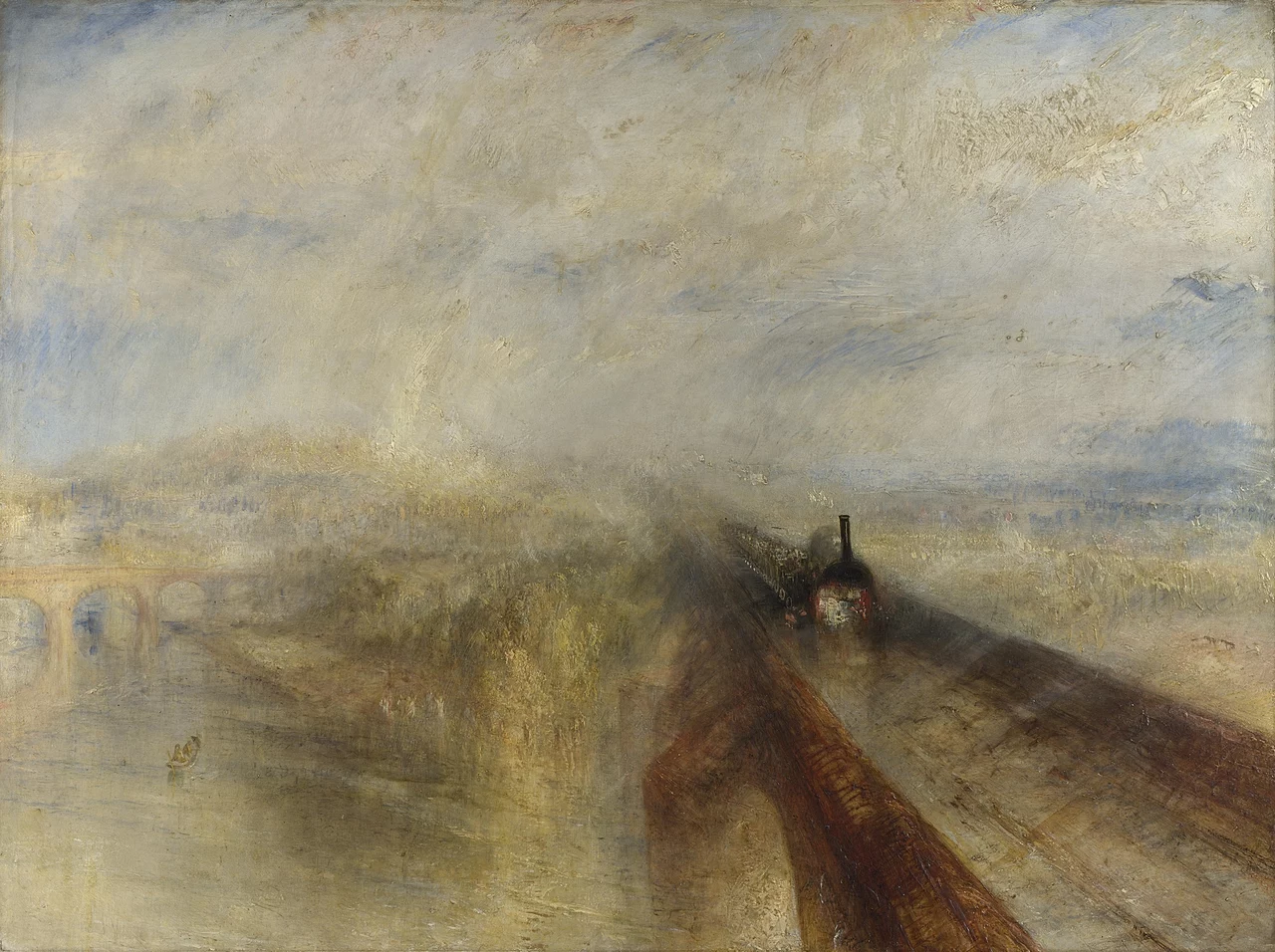
Turner became the defining painter of British Romanticism, pursuing light, color, and atmosphere with revolutionary intensity. His early work showed meticulous topographical skill, but he gradually dissolved forms into swirling color and energy. He painted storms at sea, burning parliaments, trains emerging from rain. The Fighting Temeraire (1839), showing a veteran warship towed to the breakers, was voted Britain's greatest painting in a 2005 BBC poll.
Intensely private and eccentric, Turner never married but fathered two daughters. He lived in squalor in his final years, dying in Chelsea in 1851. He left 550 oil paintings, 2,000 watercolors, and 30,000 works on paper to the nation, along with £140,000 intended for impoverished artists. His relatives contested the will and got most of the money. The art went to what became the Turner Bequest. Today, most of his work fills the Clore Gallery at Tate Britain, with important pieces at the National Gallery. The prestigious Turner Prize takes his name.
Notable Works by J.M.W. Turner
2 paintings catalogued with museum locations
Museums with J.M.W. Turner's Work
1 museum displays Turner's works. Click any museum to see visiting info and the specific works they hold.
Related Artists
Other Romanticism artists you might like
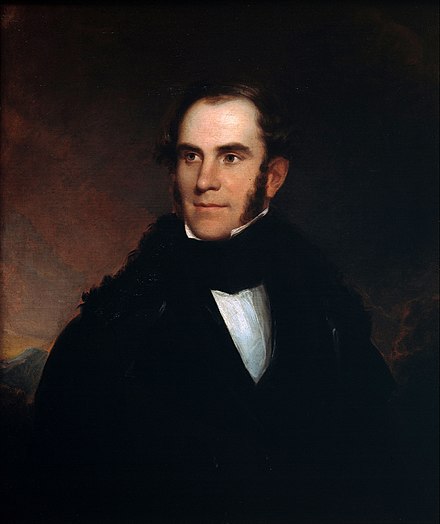
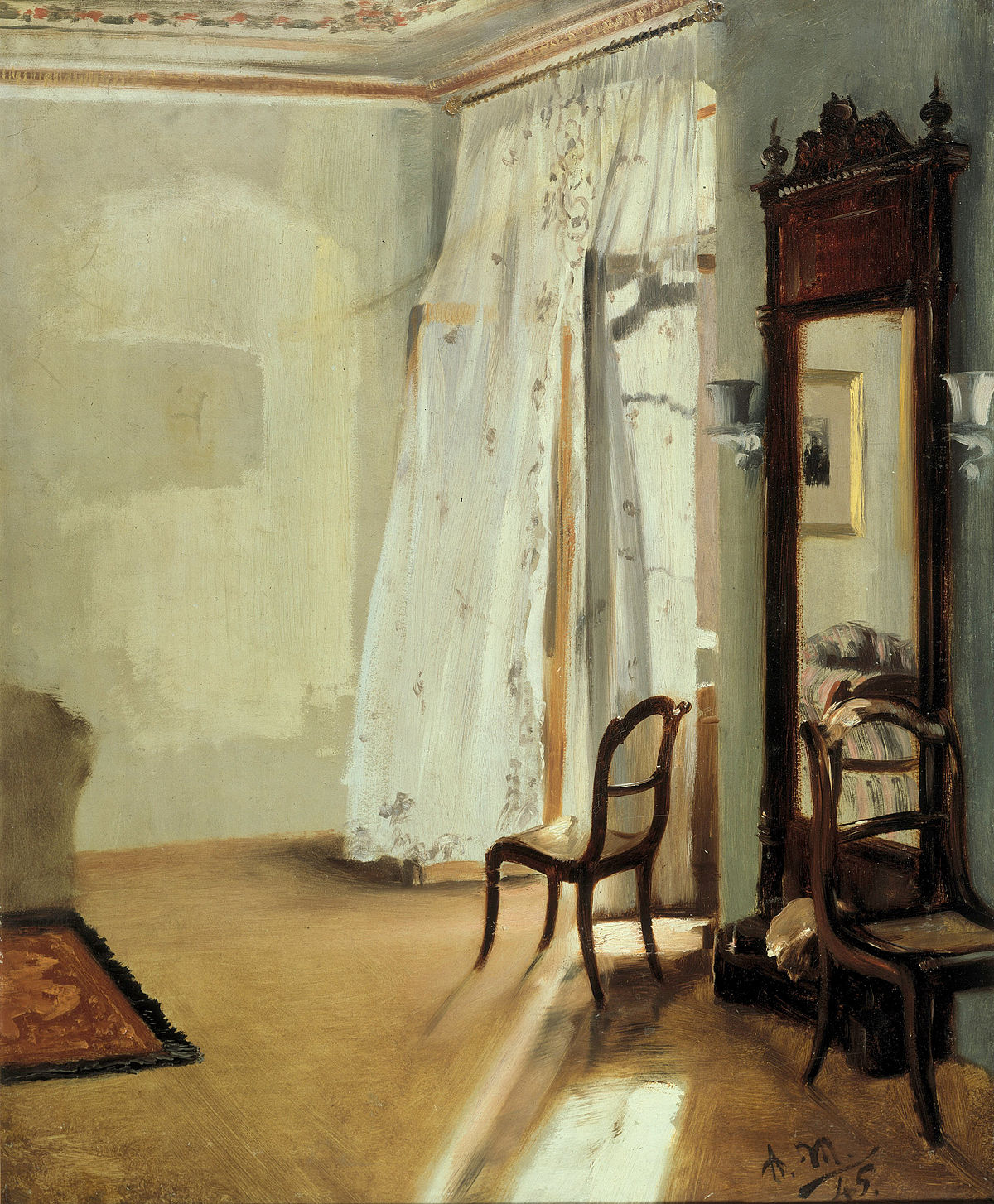
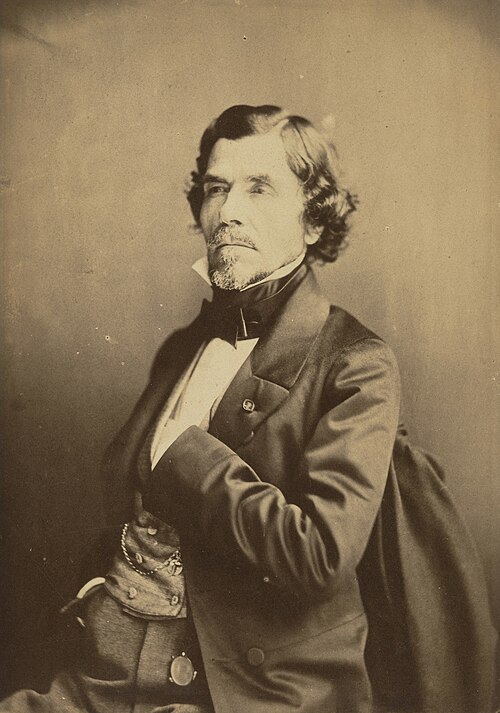
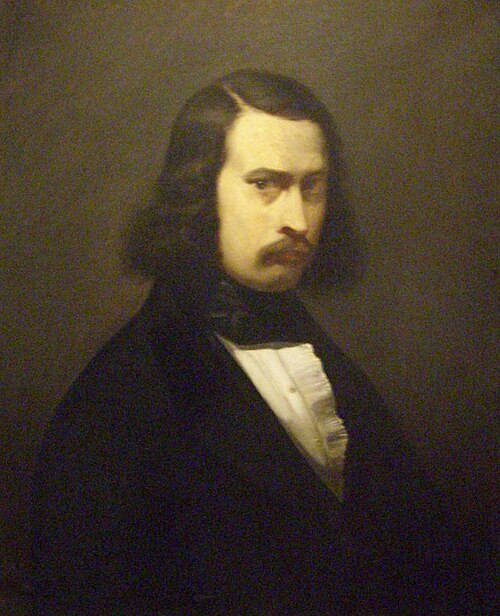
About J.M.W. Turner
Most of Turner's work is at Tate Britain in London's Clore Gallery, a wing built specifically to house his bequest of over 300 oils and 19,000 works on paper. The National Gallery holds key works including The Fighting Temeraire, voted Britain's greatest painting in a 2005 BBC poll.
Turner was the greatest British Romantic painter, known as "the painter of light" for his revolutionary treatment of atmosphere and color. His late works, with their almost abstract luminosity, anticipated Impressionism by decades. Monet and Pissarro both studied his paintings during visits to London.
The Fighting Temeraire (1839) was voted Britain's greatest painting in a 2005 BBC public poll. It shows the veteran warship that fought at Trafalgar being towed to be scrapped, a meditation on heroic passing. Turner called it his "darling," and it appears on the current British £20 note alongside his self-portrait.
Turner left behind over 550 oil paintings, 2,000 watercolors, and 30,000 works on paper. He bequeathed nearly everything to the British nation, though decades of legal battles delayed the transfer. His seascapes and dramatic skies influenced generations of artists.
The Turner Prize is Britain's most prestigious contemporary art award, created by Tate Britain in 1984 and named in Turner's honor. Worth £25,000, it has become one of Europe's most high-profile art awards. Winners have included Damien Hirst, Anish Kapoor, and Grayson Perry.
Love J.M.W. Turner's Style?
Explore art inspired by Romanticism.
Browse Collection