Umberto Boccioni
Italian·1882–1916
No Portrait Available
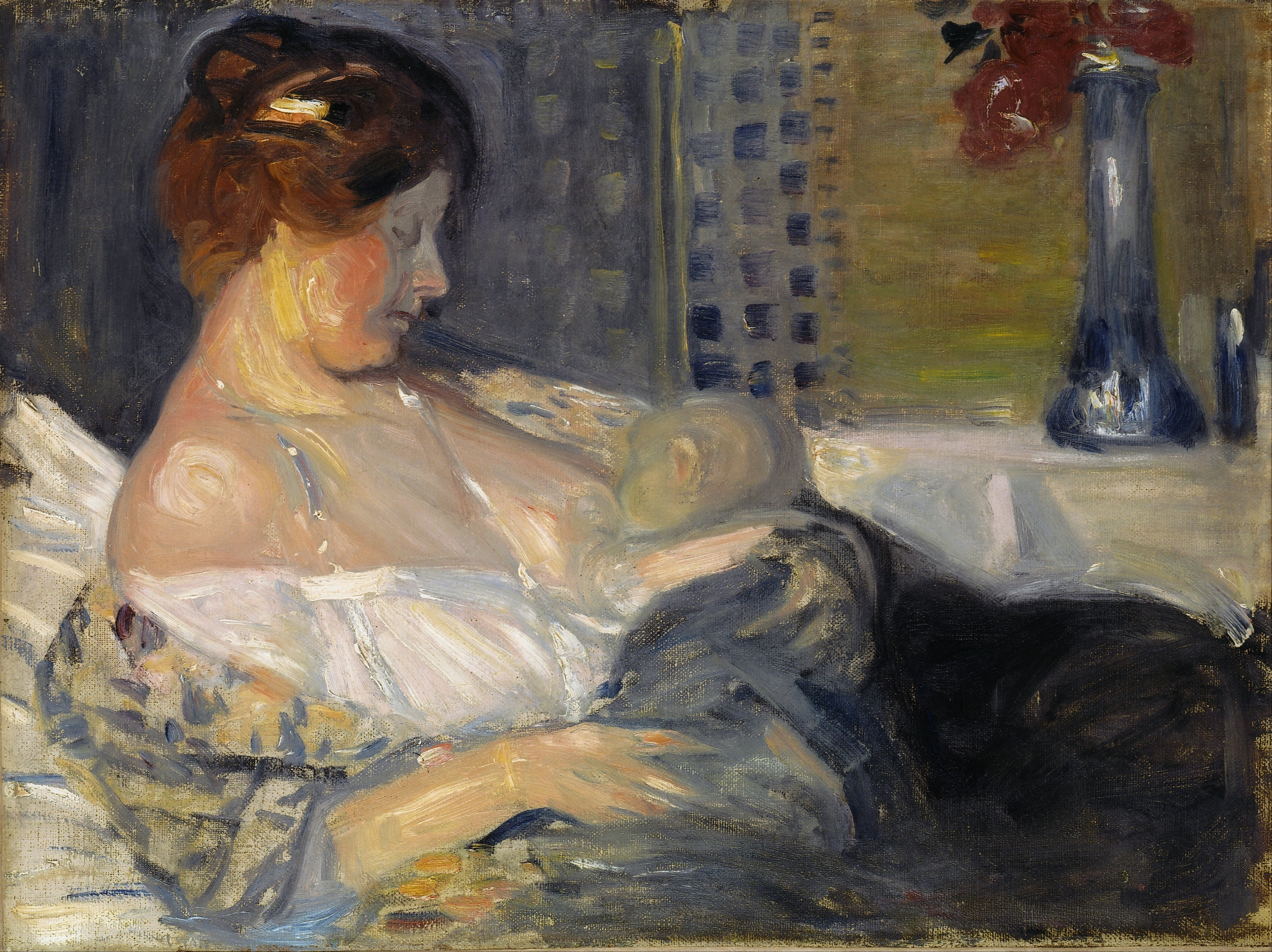
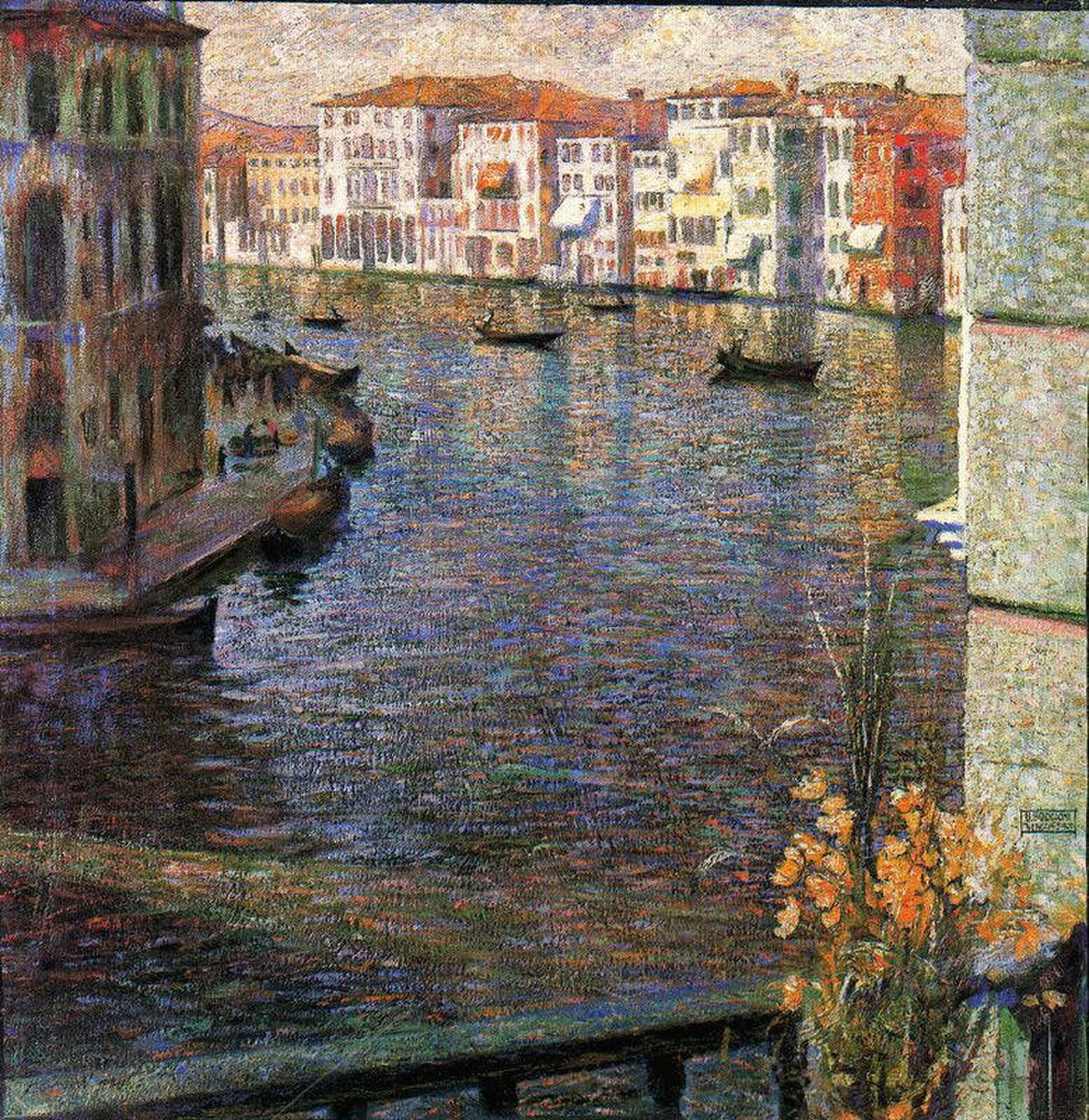
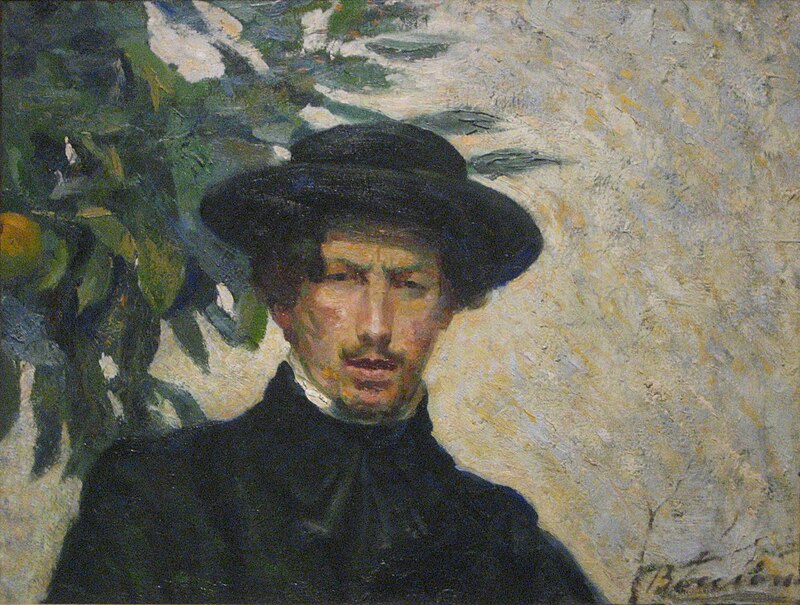
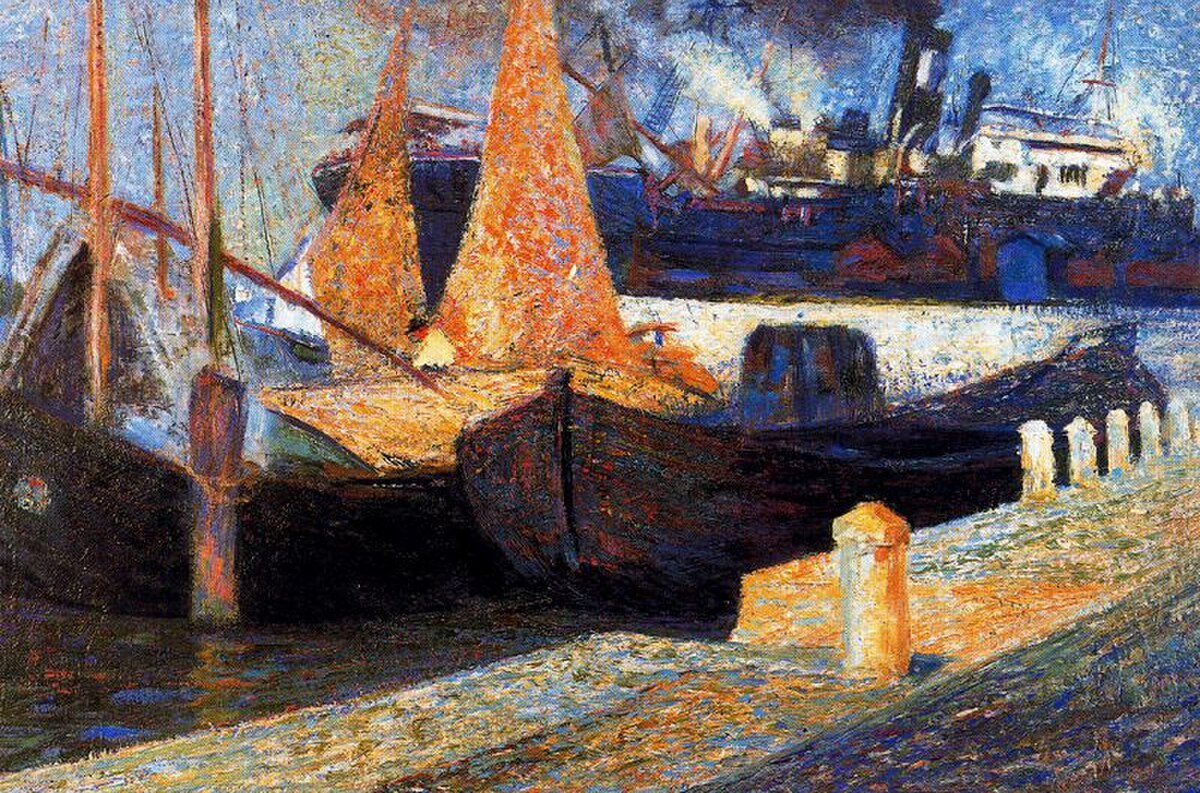
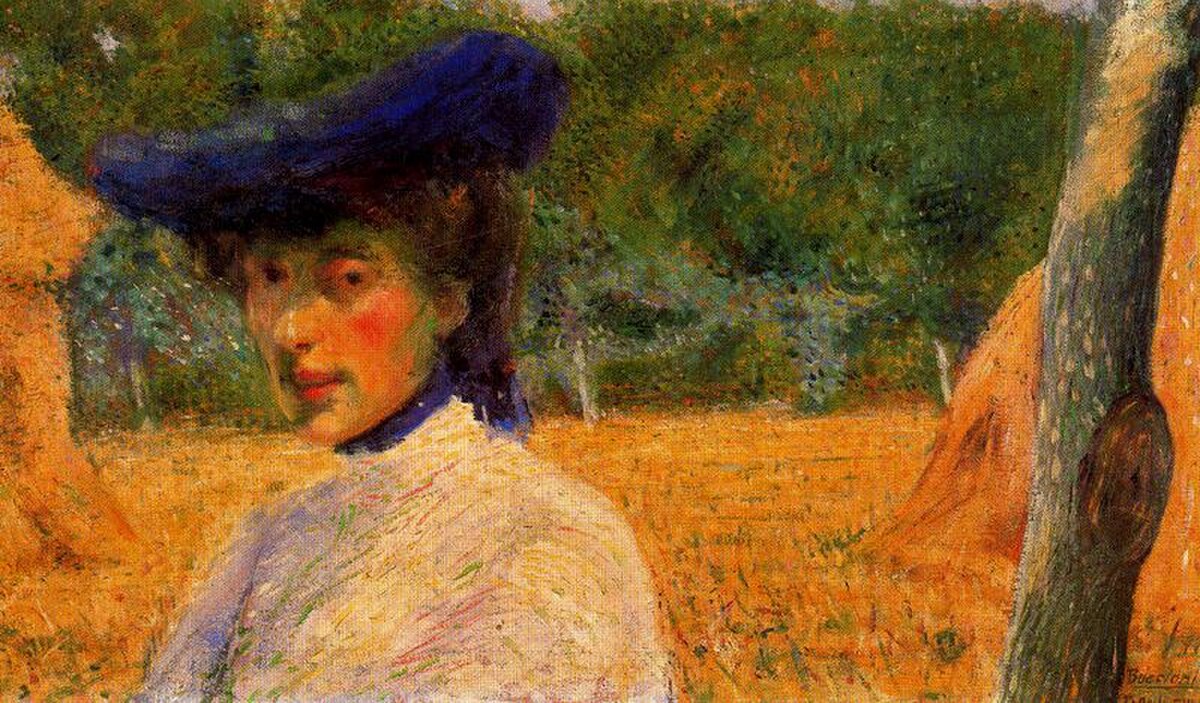
Umberto Boccioni (1882–1916) was the leading painter and sculptor of Italian Futurism. Born in Reggio Calabria to a government clerk whose job required constant relocations, he grew up across Italy before settling in Rome in 1899. There he trained as a draftsman and studied under Giacomo Balla, meeting fellow student Gino Severini. In 1910, he encountered Filippo Tommaso Marinetti, author of the Futurist Manifesto. Within weeks, Boccioni had signed the Manifesto of Futurist Painters and read it aloud at Turin's Politeama Chiarella theatre.
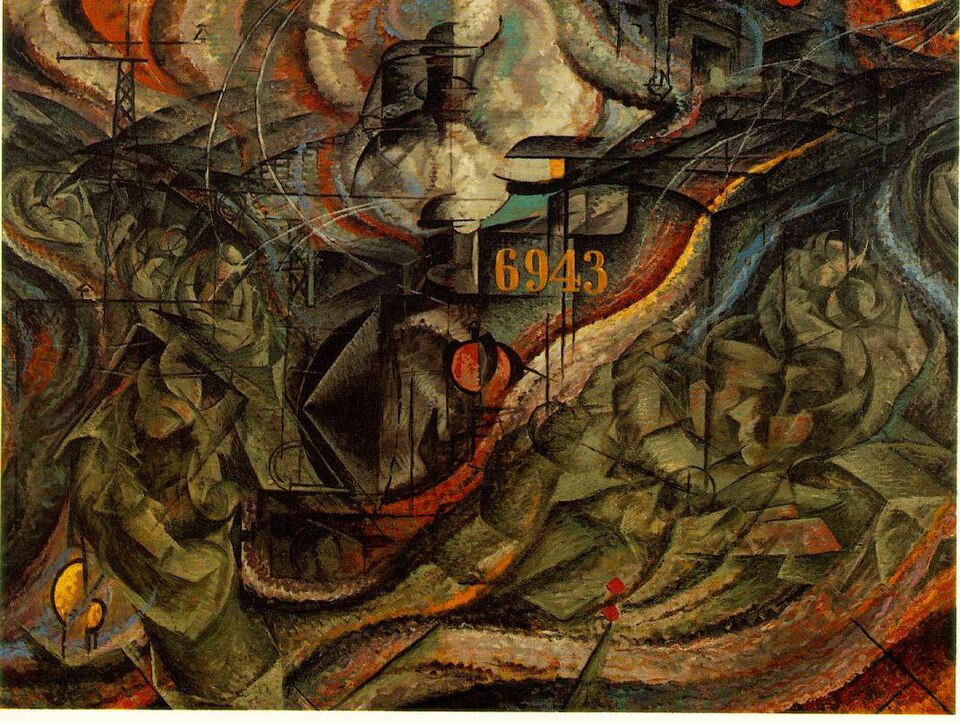
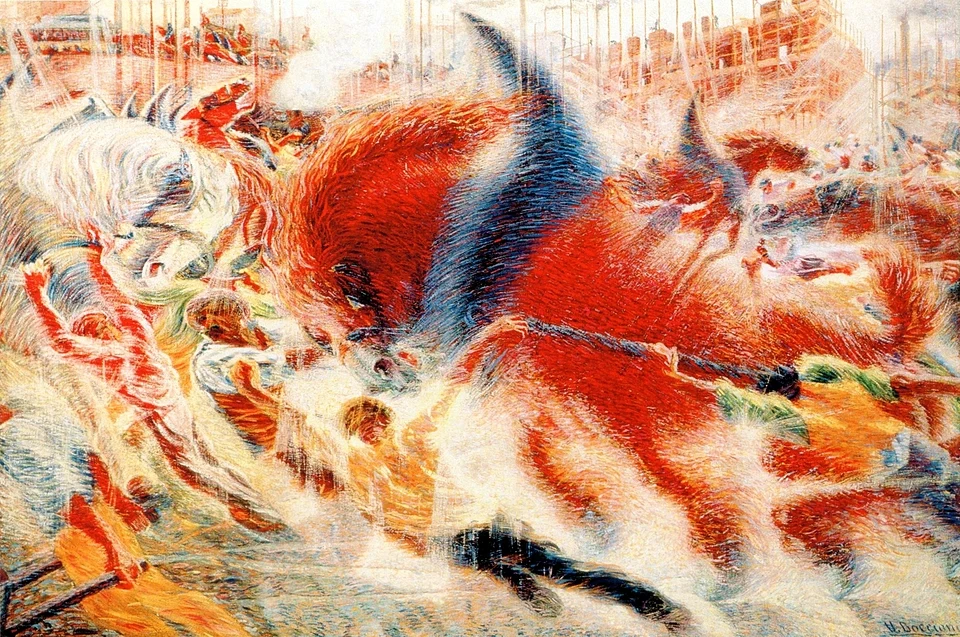
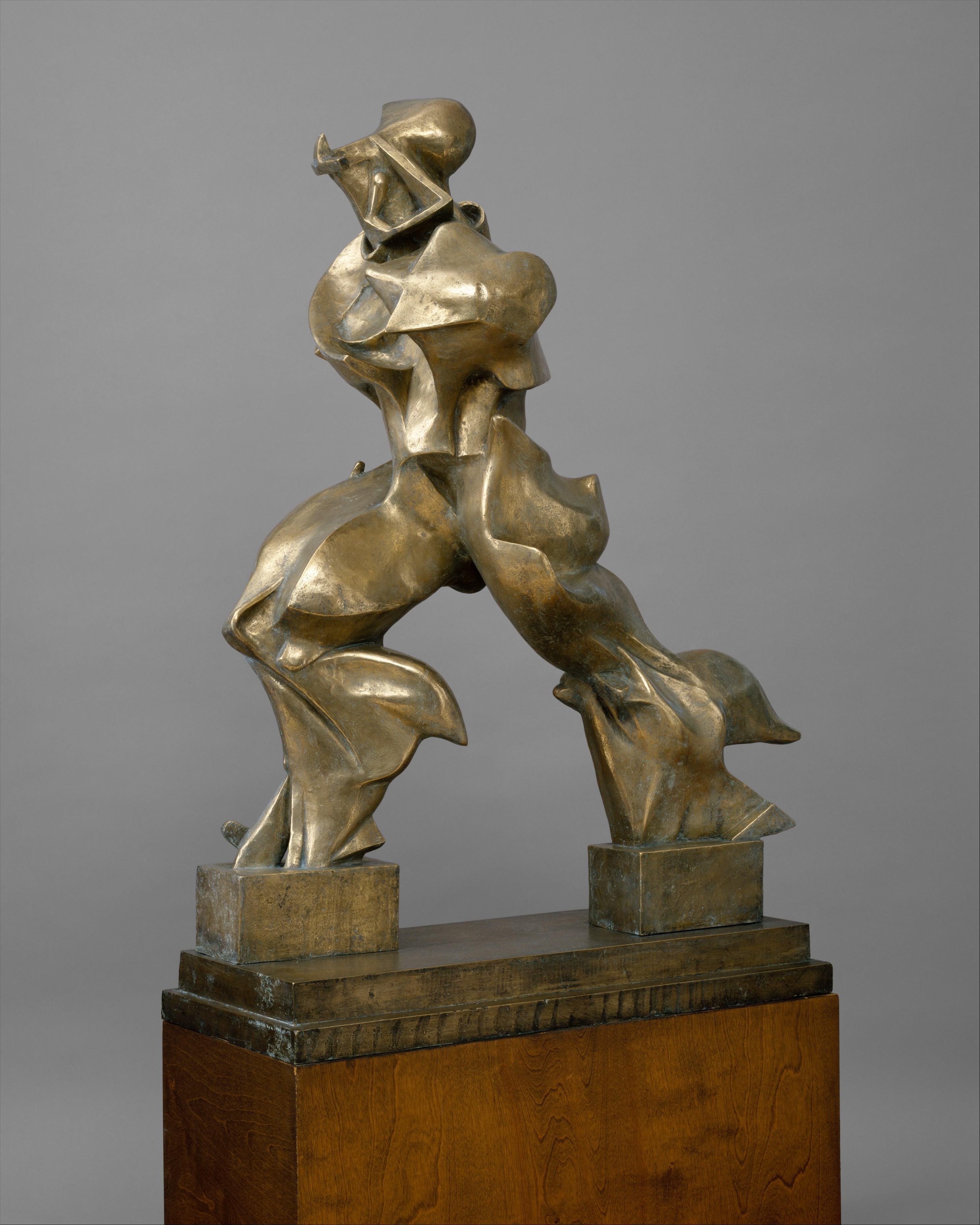
Boccioni became Futurism's chief theorist and most talented artist. His paintings like The City Rises (1910) and the States of Mind series captured the dynamism, speed, and chaos of modern life. He argued that sculpture should break free of traditional materials: in his 1912 Technical Manifesto of Futurist Sculpture, he proposed using glass, wood, cement, cloth, and electric lights. His bronze Unique Forms of Continuity in Space (1913) became the movement's defining image, a striding figure whose body seems to merge with the space around it in continuous motion.
World War I interrupted everything. Boccioni enlisted enthusiastically but grew disillusioned. In August 1916, during cavalry training near Verona, he was thrown from a horse and died the next day. He was thirty-three. The movement lost its most gifted voice. His sculpture appears on the Italian 20-cent euro coin. Works are at the Museum of Modern Art, Metropolitan Museum, Tate Modern, and Milan's Museo del Novecento.