Salvator Rosa
Italian·1615–1673
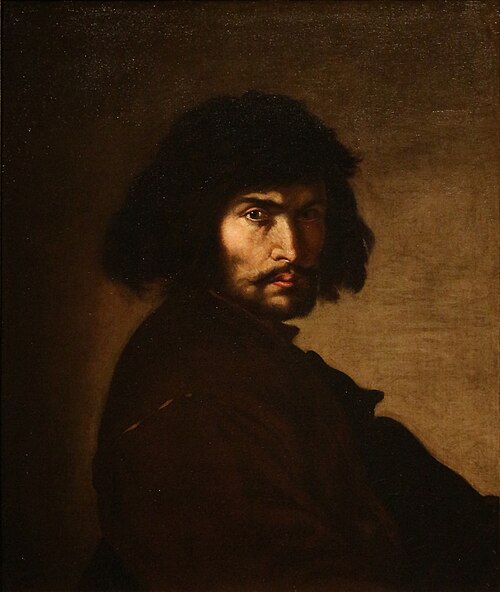
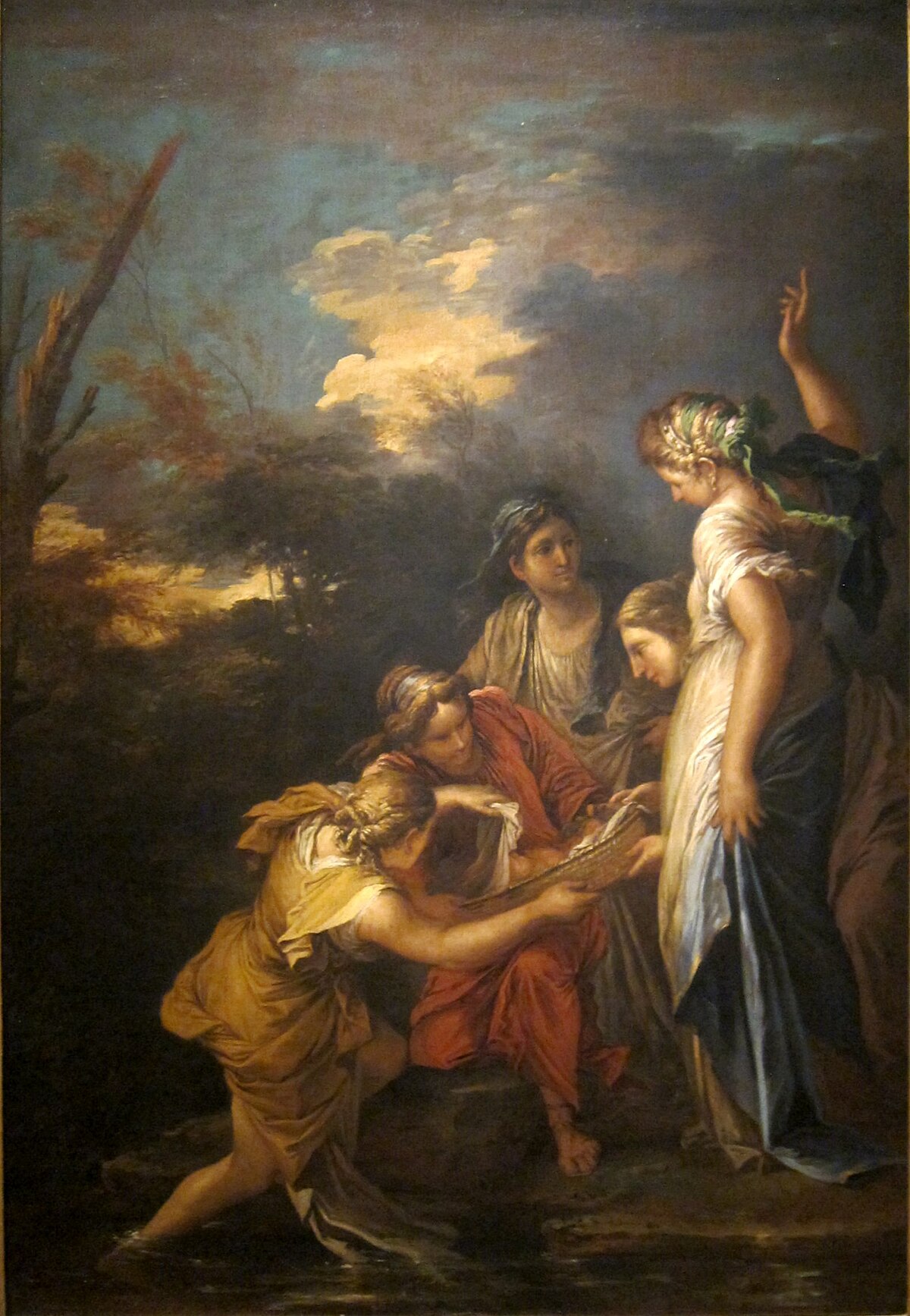
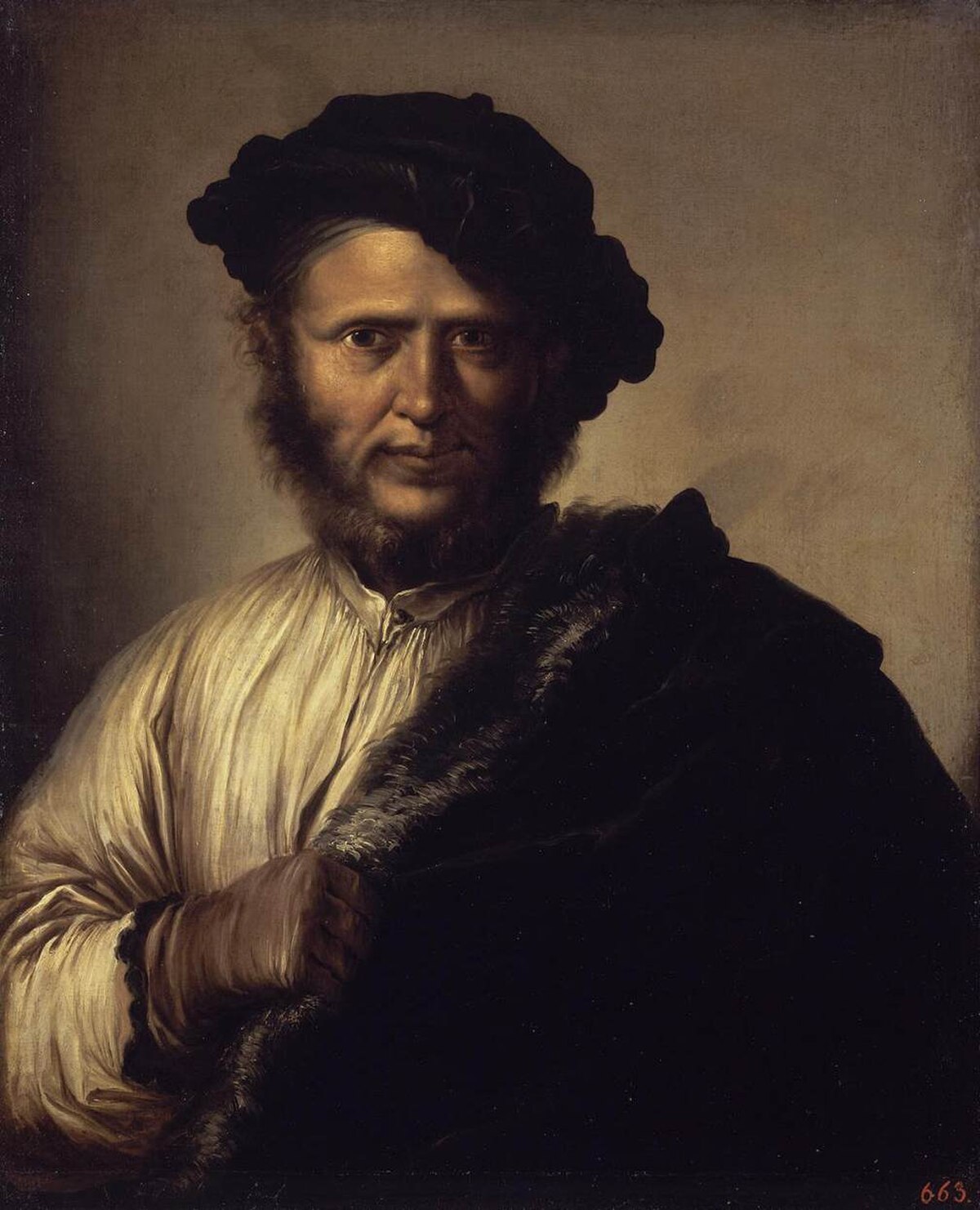
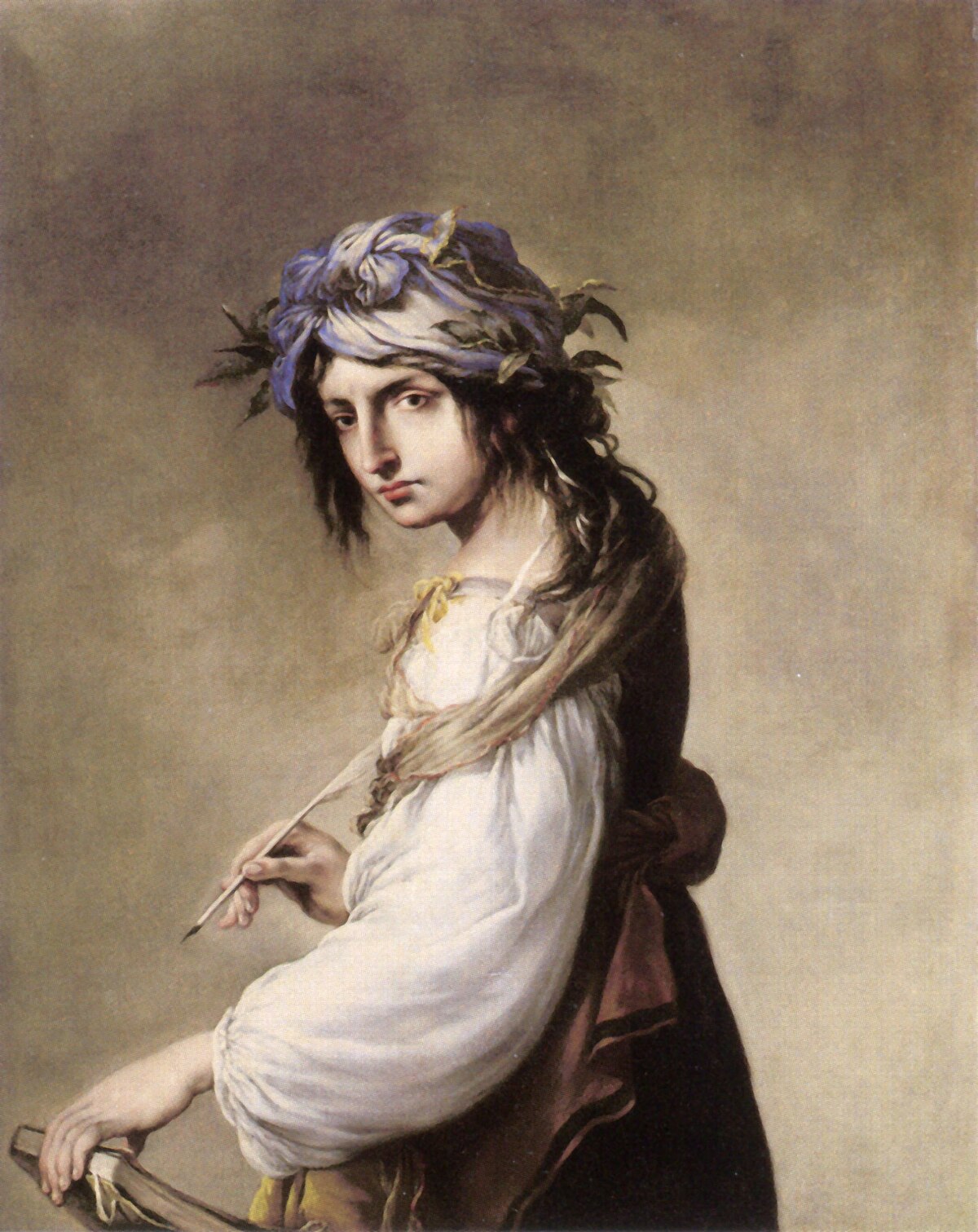
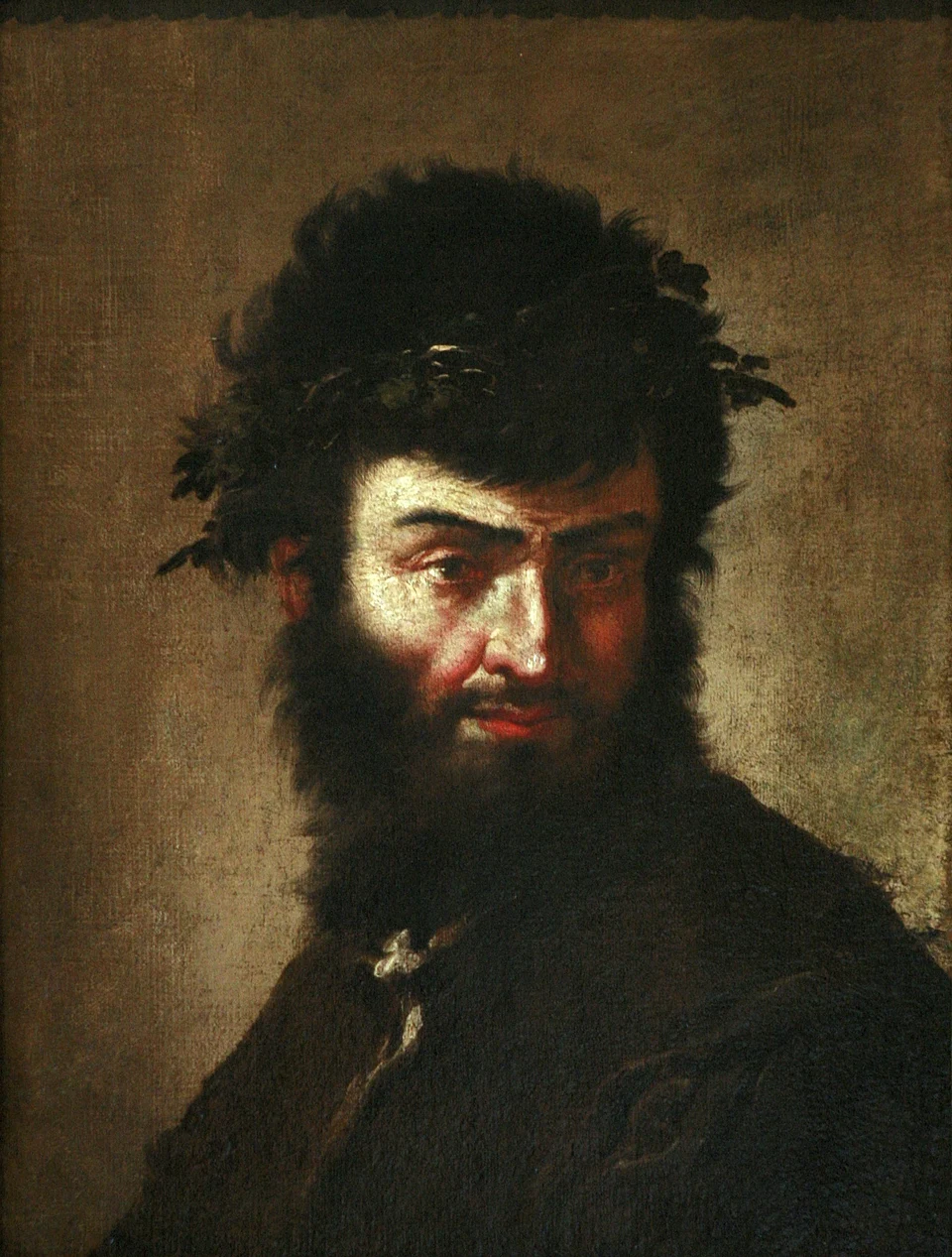
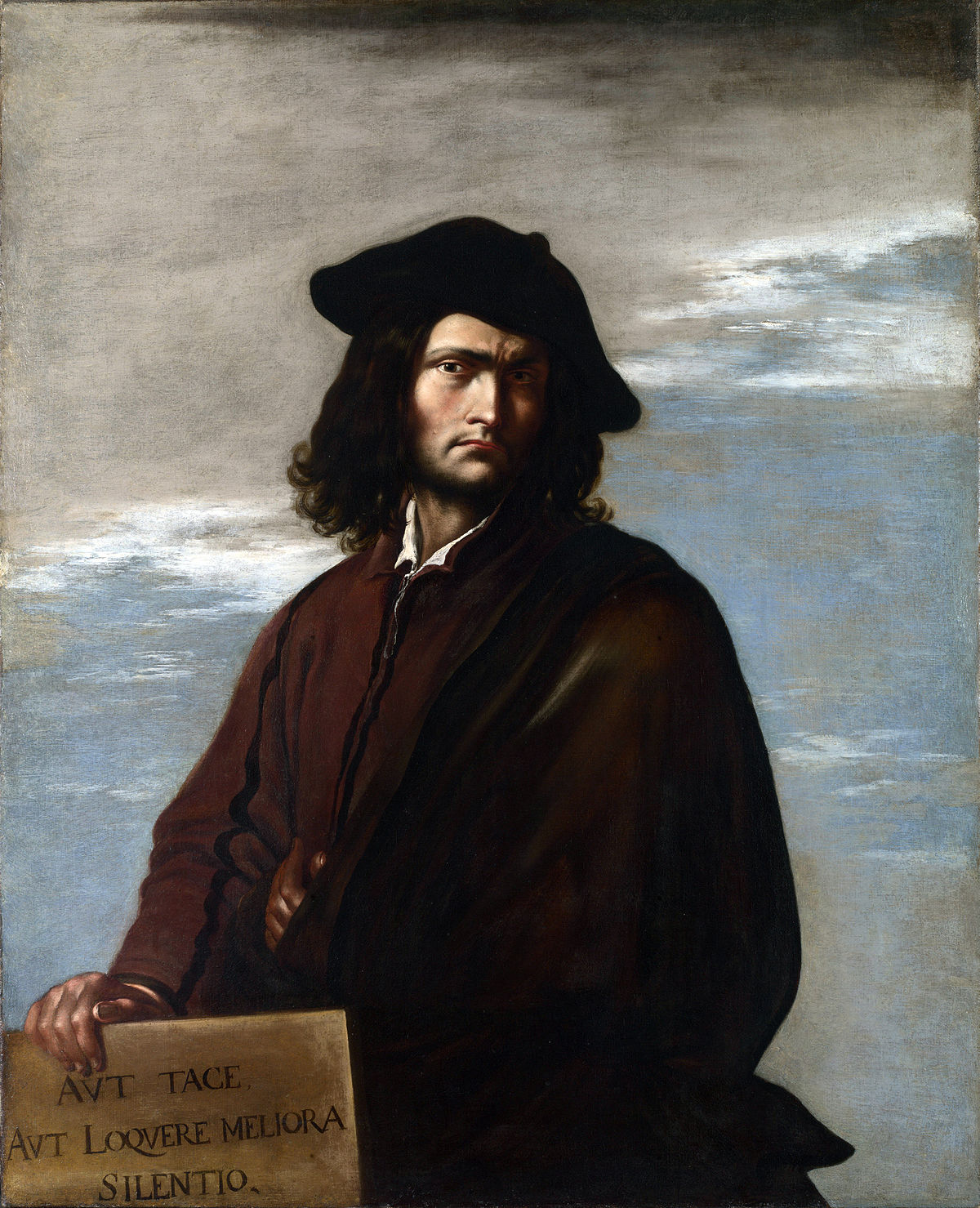
Baroque painter Salvator Rosa (1615-1673) pioneered the wild, untamed landscape that later inspired Romanticism. Born on the outskirts of Naples, he trained with his brother-in-law Francesco Fracanzano and absorbed influences from Ribera's dramatic chiaroscuro. His father wanted him to become a lawyer or priest, but Rosa showed talent for painting, poetry, music, and acting. A romantic legend, likely apocryphal, claimed he lived among bandits in the Abruzzi mountains.
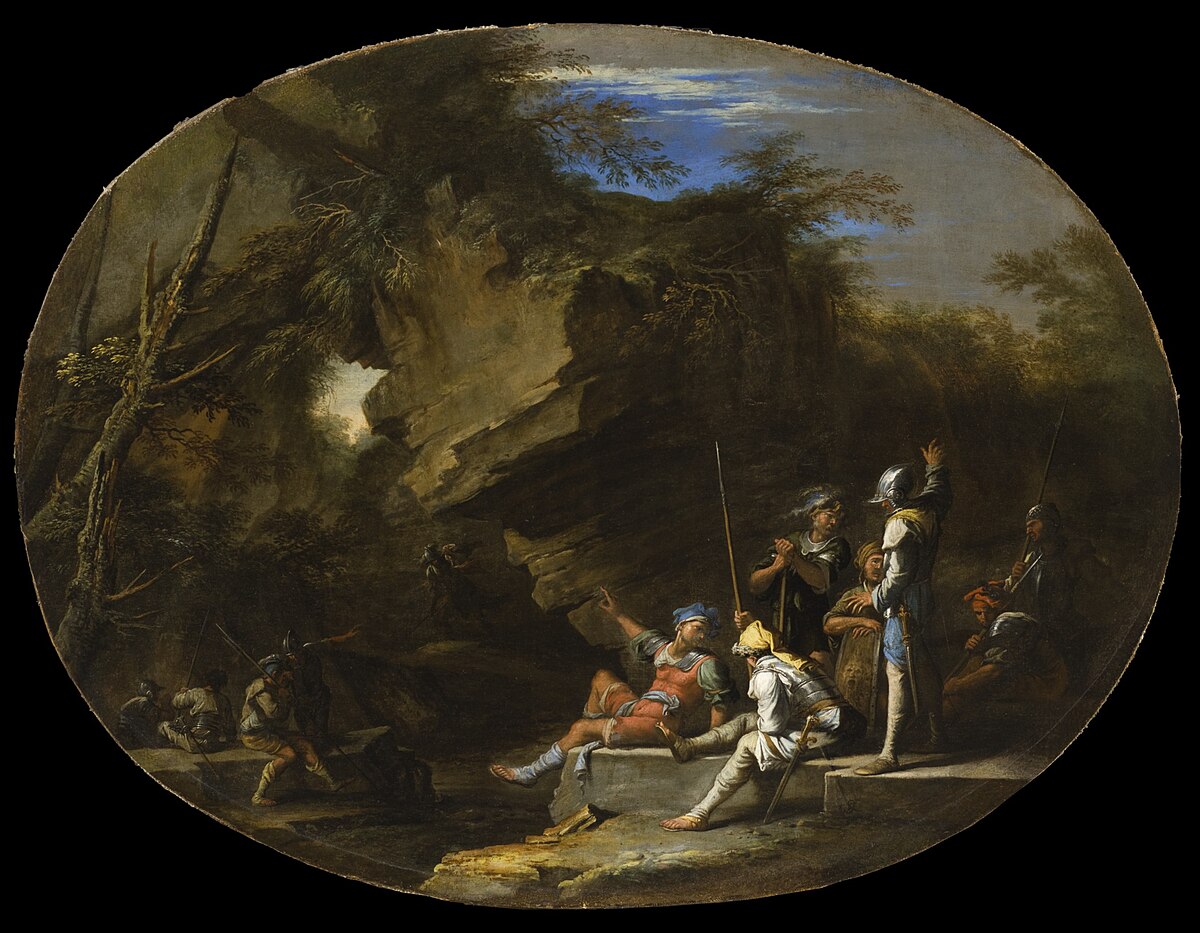
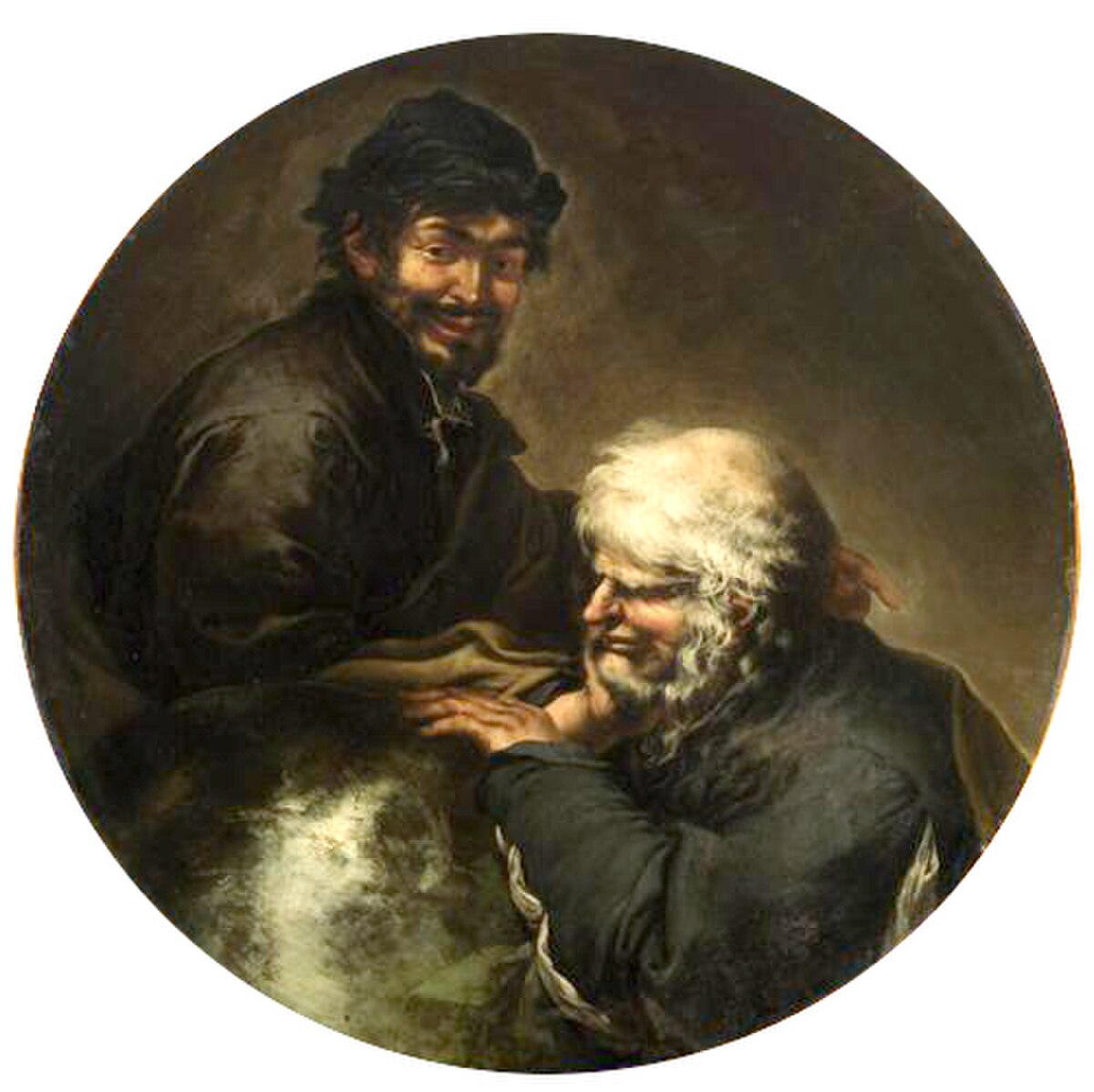
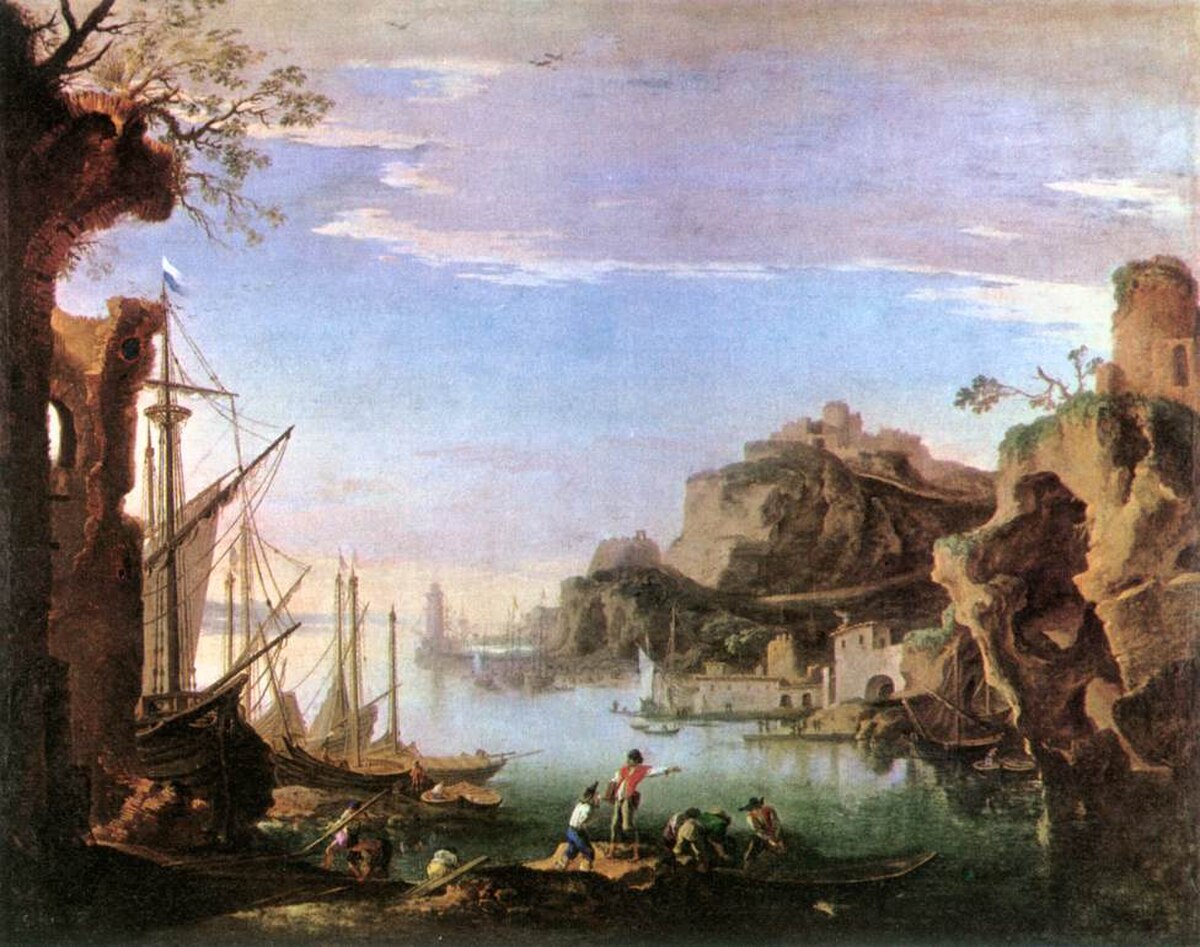
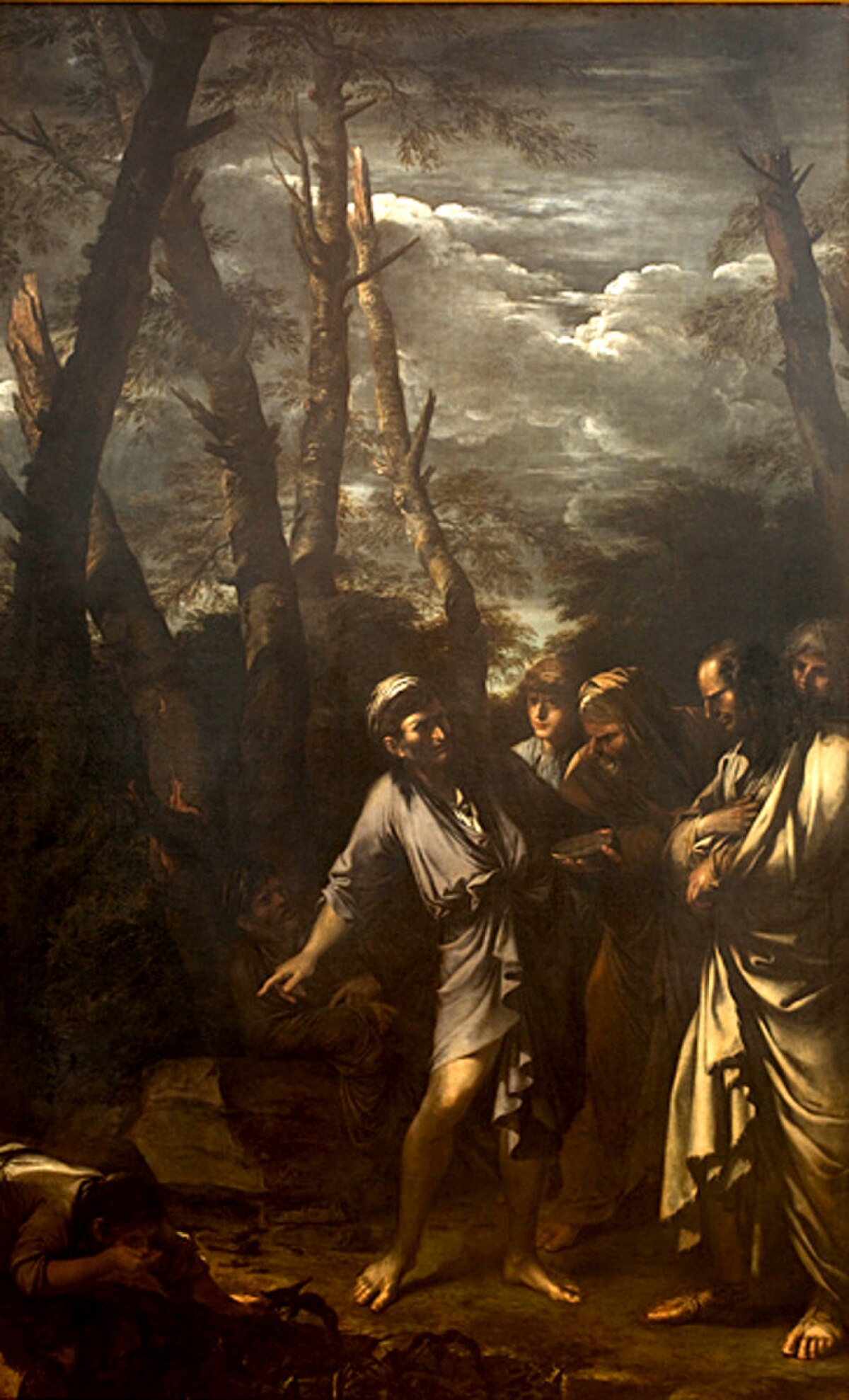
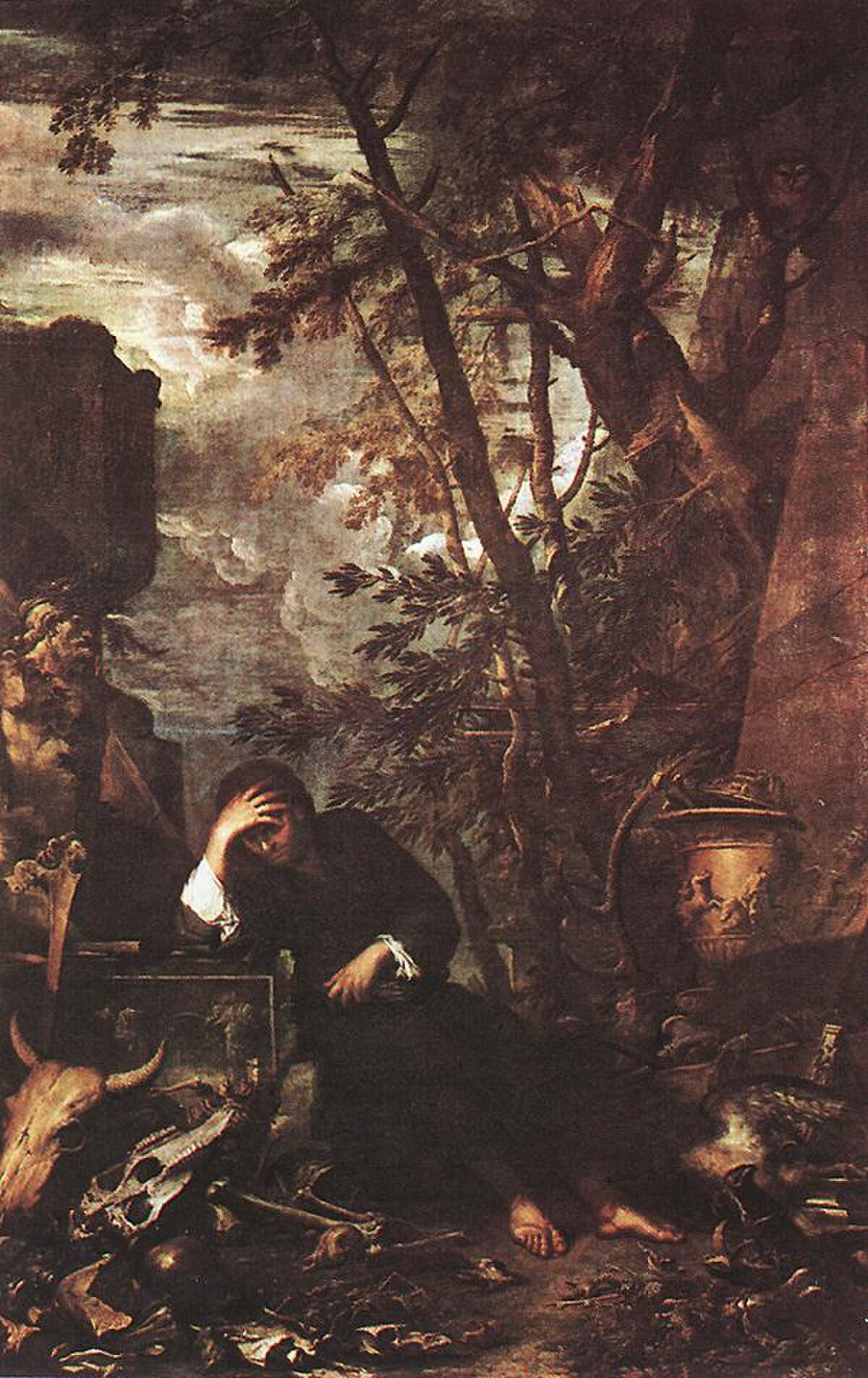
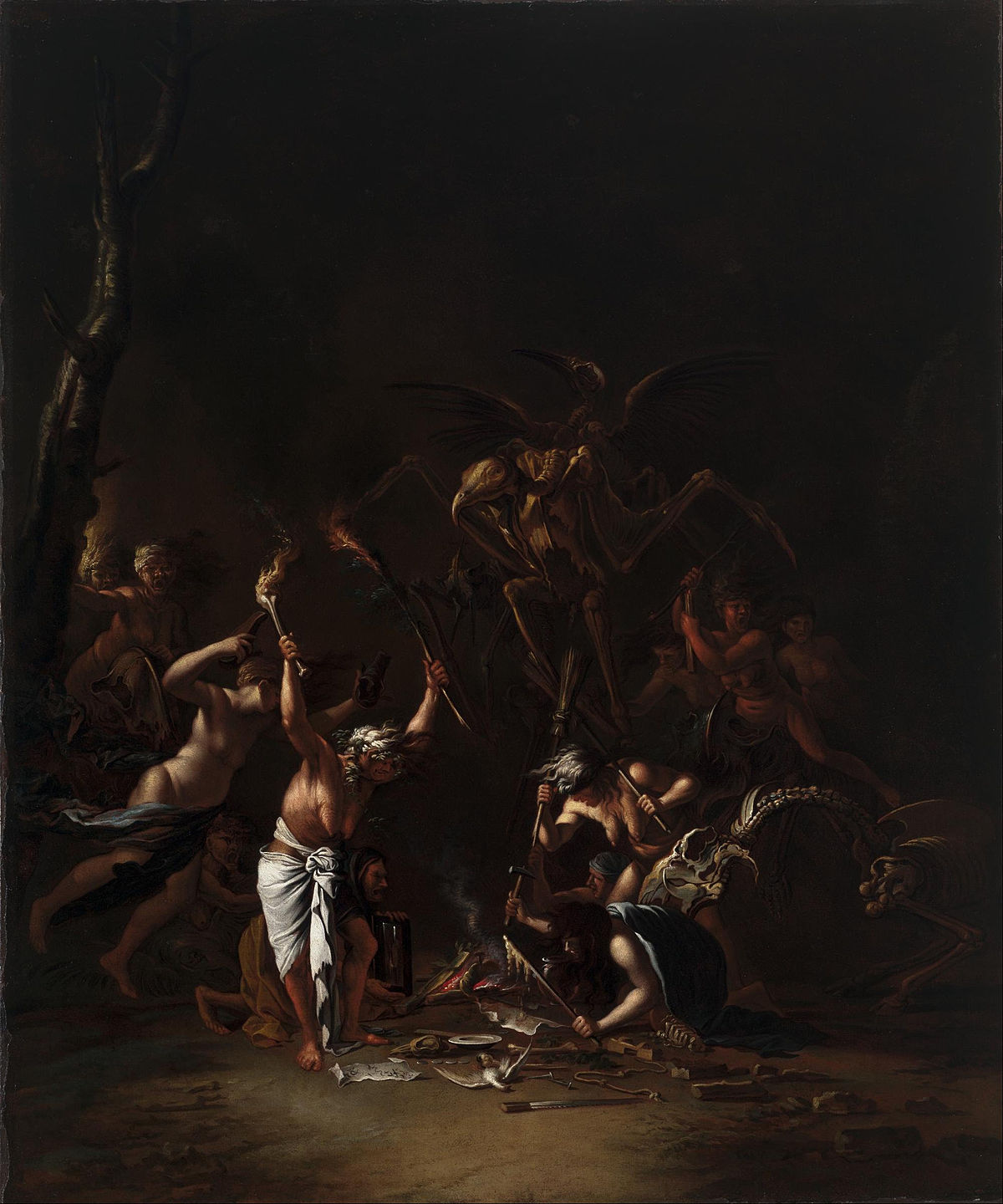
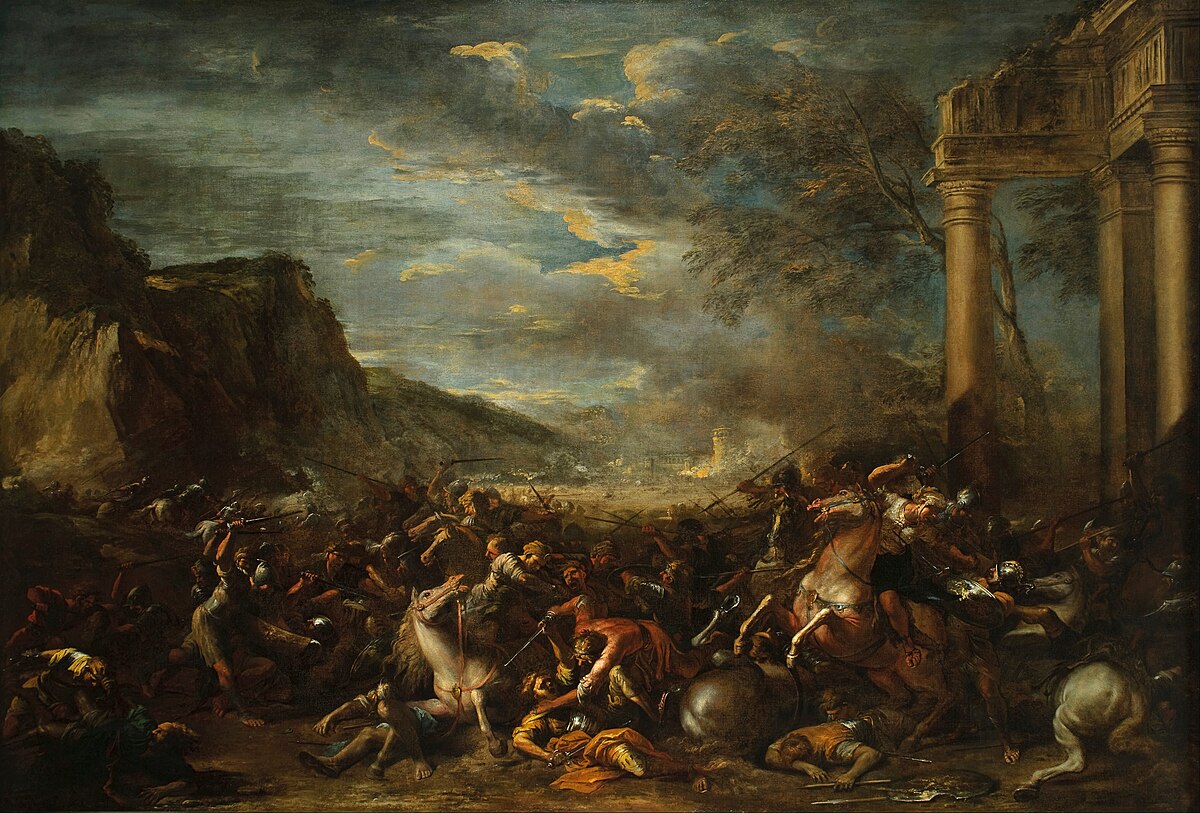
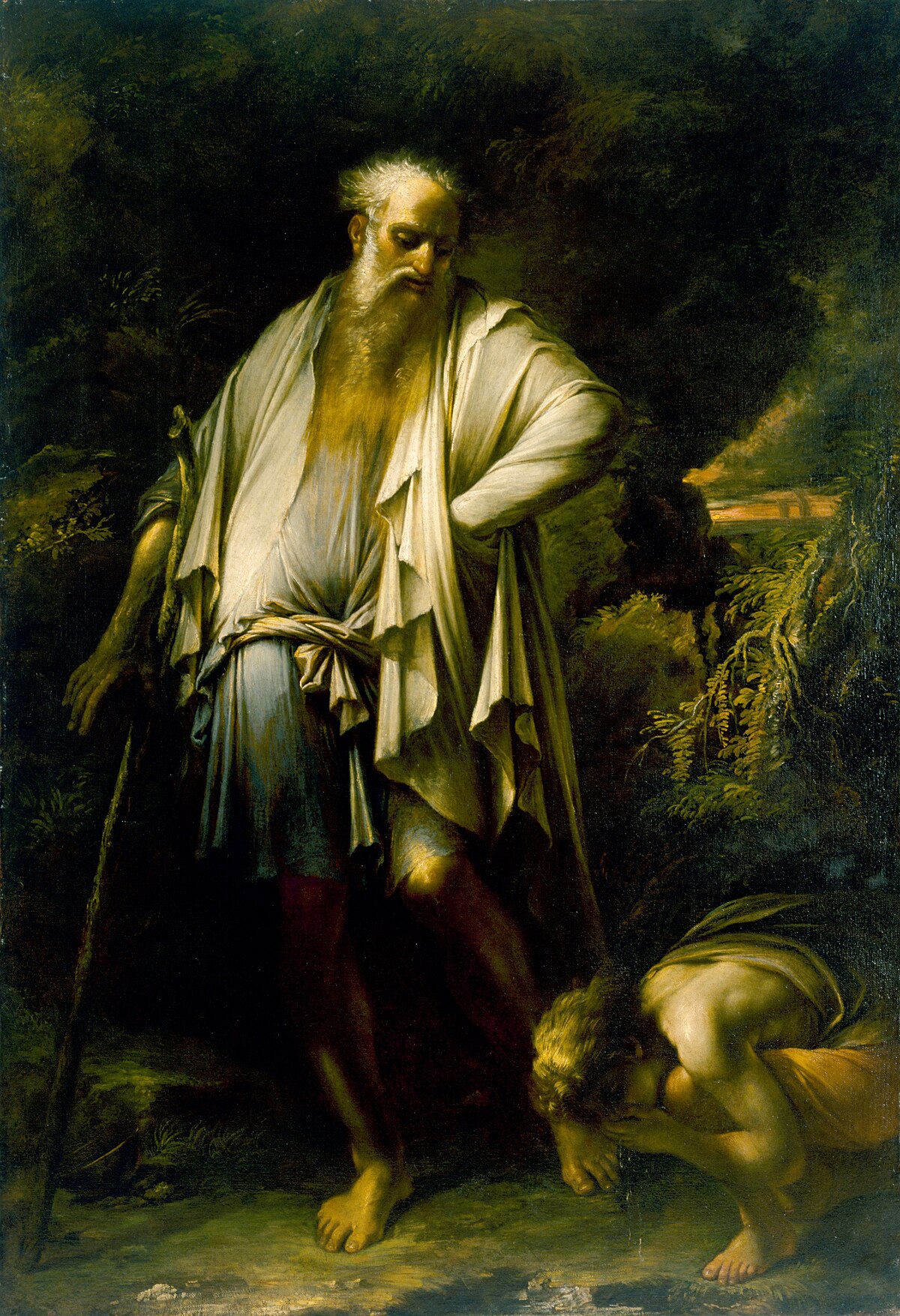
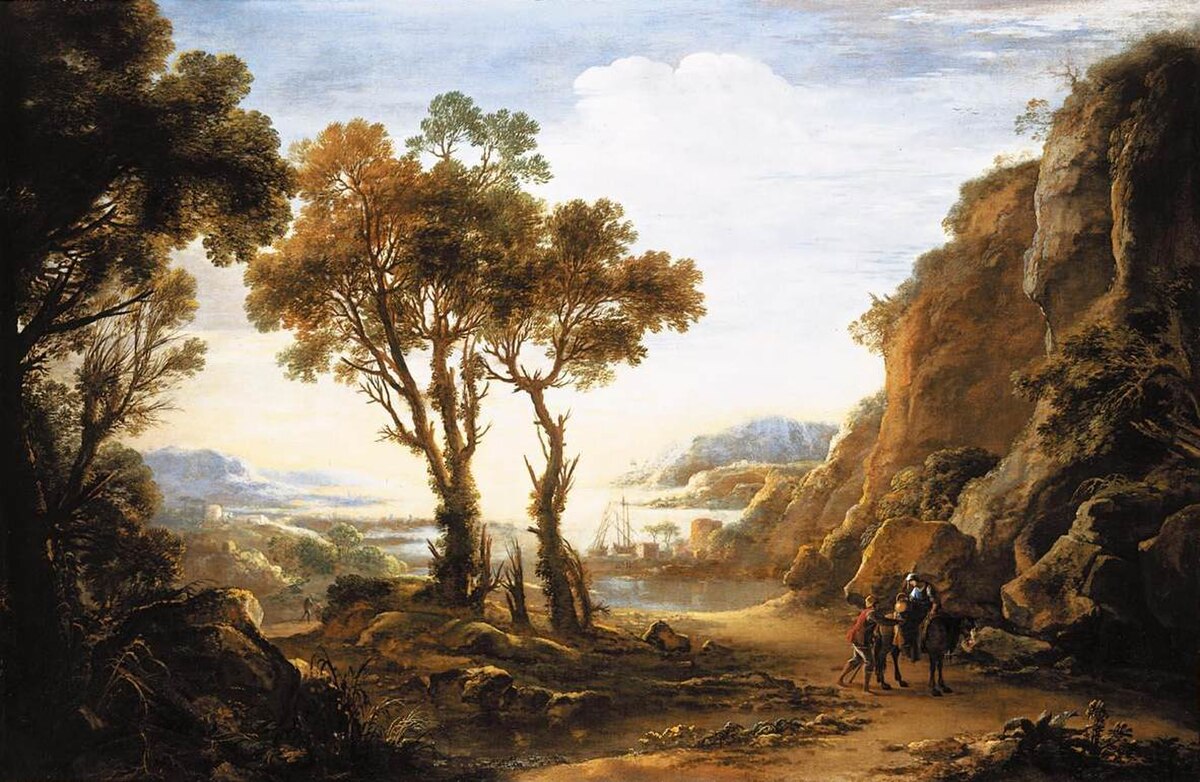
Rosa's landscapes feature jagged rocks, shattered trees, and wild storms populated by bandits, soldiers, and hermits. This was the opposite of Claude Lorrain's serene, golden Italian scenes. His bold temperament caused trouble: after publicly satirizing Bernini in Rome, he fled to Florence, spending nine years under Medici protection. He also painted battle scenes, philosophical subjects, and witchcraft themes that shocked contemporaries. As painter, poet, satirist, and actor, Rosa cultivated an image as a rebellious genius that made him a prototype for the Romantic artist. Edmund Burke cited him in his treatise on the sublime, and English landscape gardeners drew inspiration from his wild scenery. His reputation faded with the rise of Impressionism but has revived since the late 20th century. Major works hang at the Museo del Prado, the Louvre, the Metropolitan Museum of Art, and the National Gallery London.
Notable Works by Salvator Rosa
17 paintings catalogued with museum locations
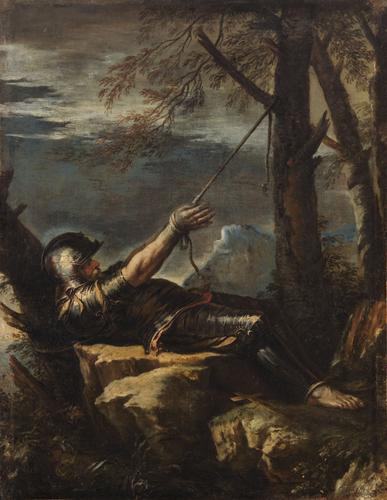
Museums with Salvator Rosa's Work
11 museums display Rosa's works. Click any museum to see visiting info and the specific works they hold.
About Salvator Rosa
Rosa was a Baroque painter, but his wild landscapes anticipated Romanticism. Edmund Burke cited him in his influential treatise on the sublime.
Major works hang at the Prado, the Louvre, the Metropolitan Museum, and the National Gallery London.
Rosa painted wild landscapes with bandits and hermits, battle scenes, witchcraft subjects, and philosophical allegories. His stormy scenery influenced English landscape gardens.
A popular 19th-century biography claimed Rosa lived among bandits, but this is likely legend. He did paint numerous bandit scenes, which may have inspired the romantic story.
Rosa publicly satirized the powerful sculptor and architect Bernini, making enemies in Rome. He spent nine years in Florence under Medici protection before returning to Rome.
Rosa was also a poet, satirist, actor, and musician. His multitalented, rebellious personality made him a prototype for the Romantic concept of the artist as rebellious genius.
Love Salvator Rosa's Style?
Explore art inspired by their style.
Browse Collection