Max Liebermann
German·1847–1935
No Portrait Available
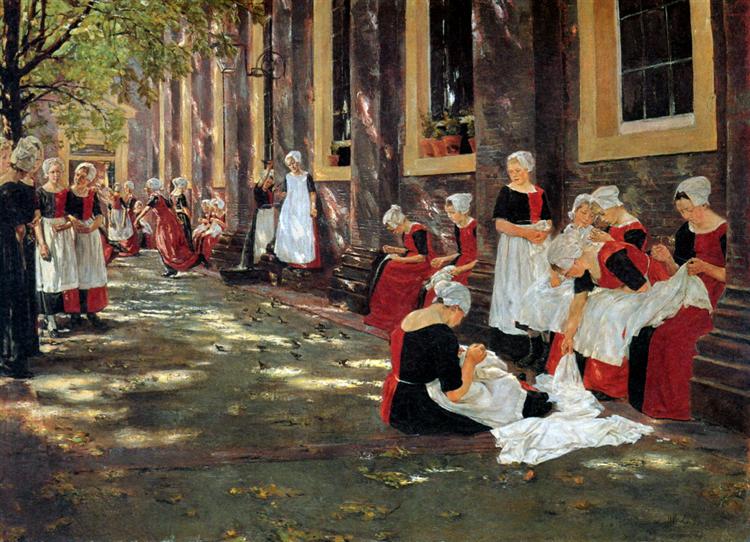
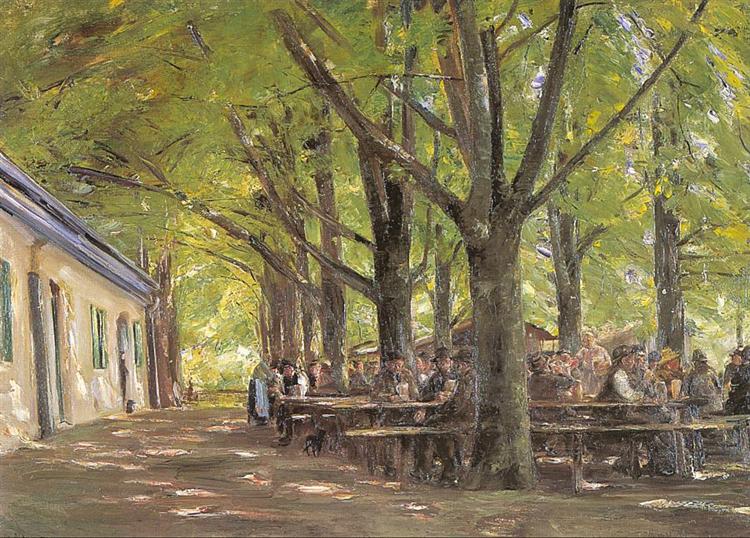
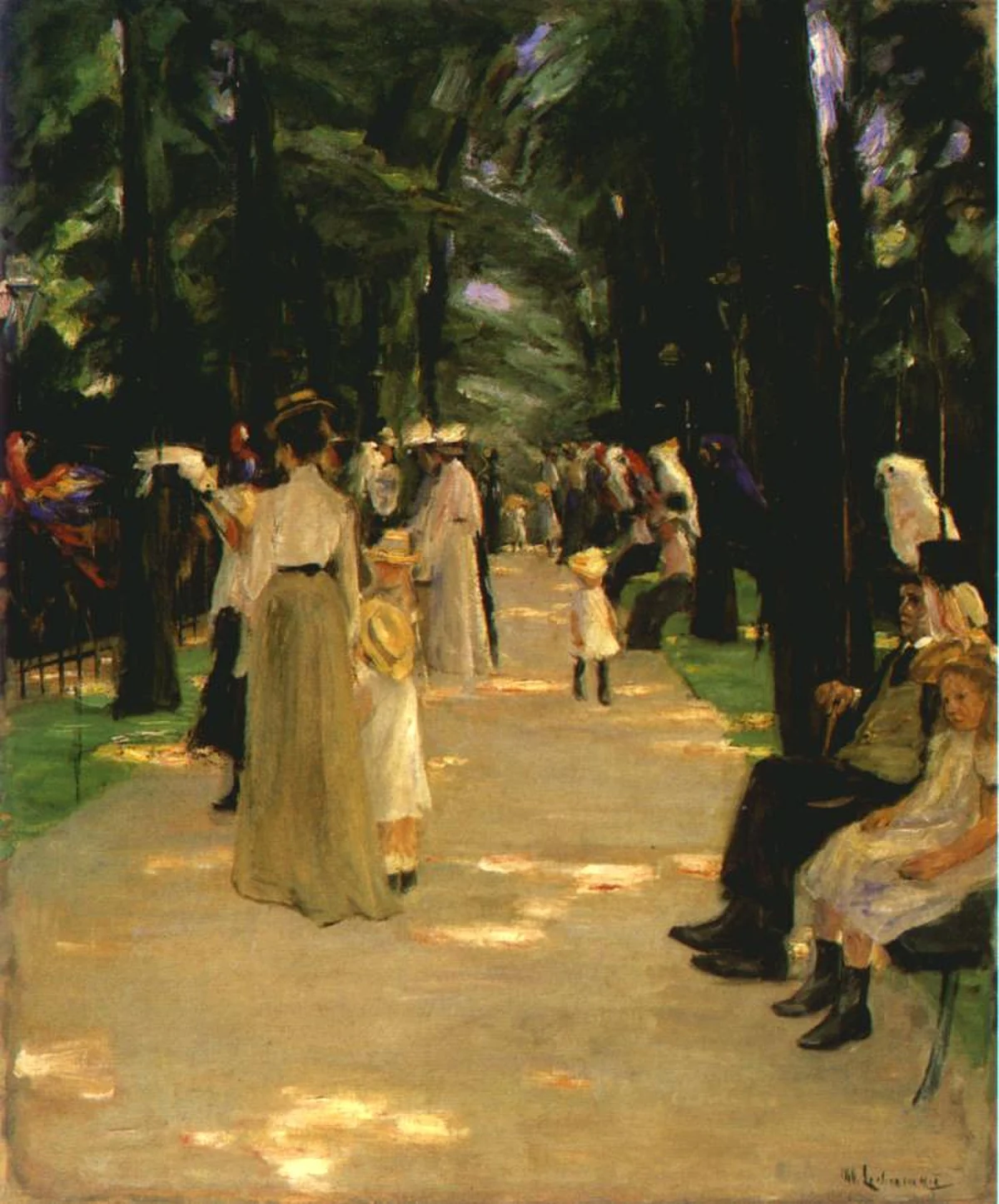
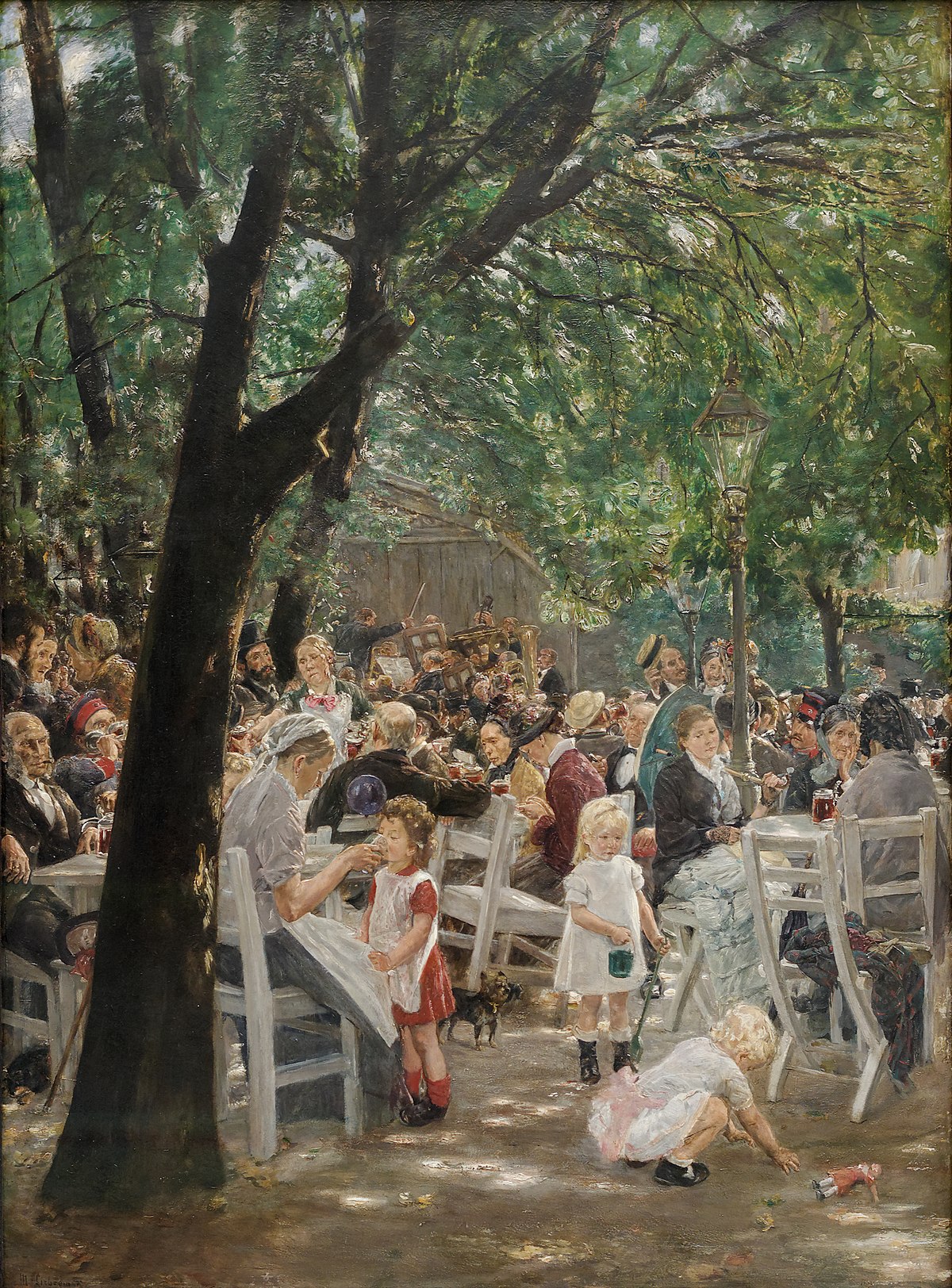
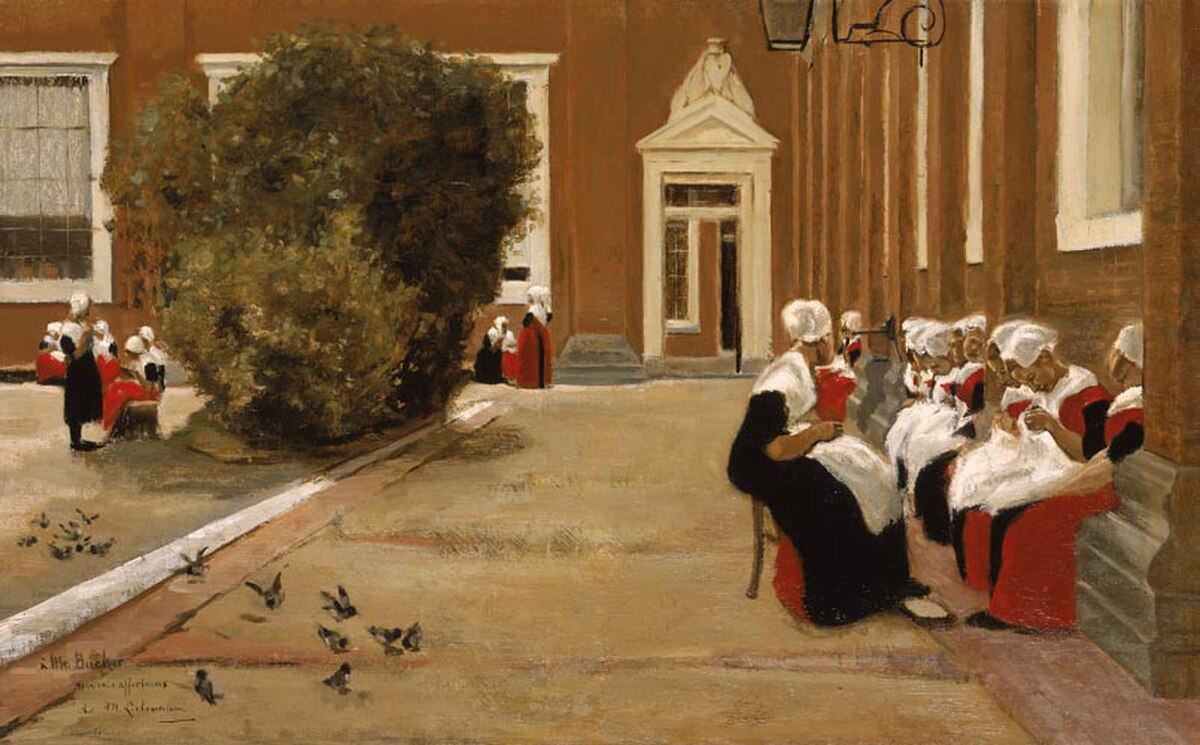
Max Liebermann (1847–1935) brought French Impressionism to Germany and became its leading proponent. Born in Berlin to a wealthy Jewish textile manufacturer, he disappointed his family by choosing art over business. He studied at the Weimar Art School before settling in Paris in 1873, where he discovered the Barbizon painters and the radical new Impressionists. The works of Manet and Degas captivated him. He adopted their loose brushwork, bright palettes, and interest in capturing modern life.
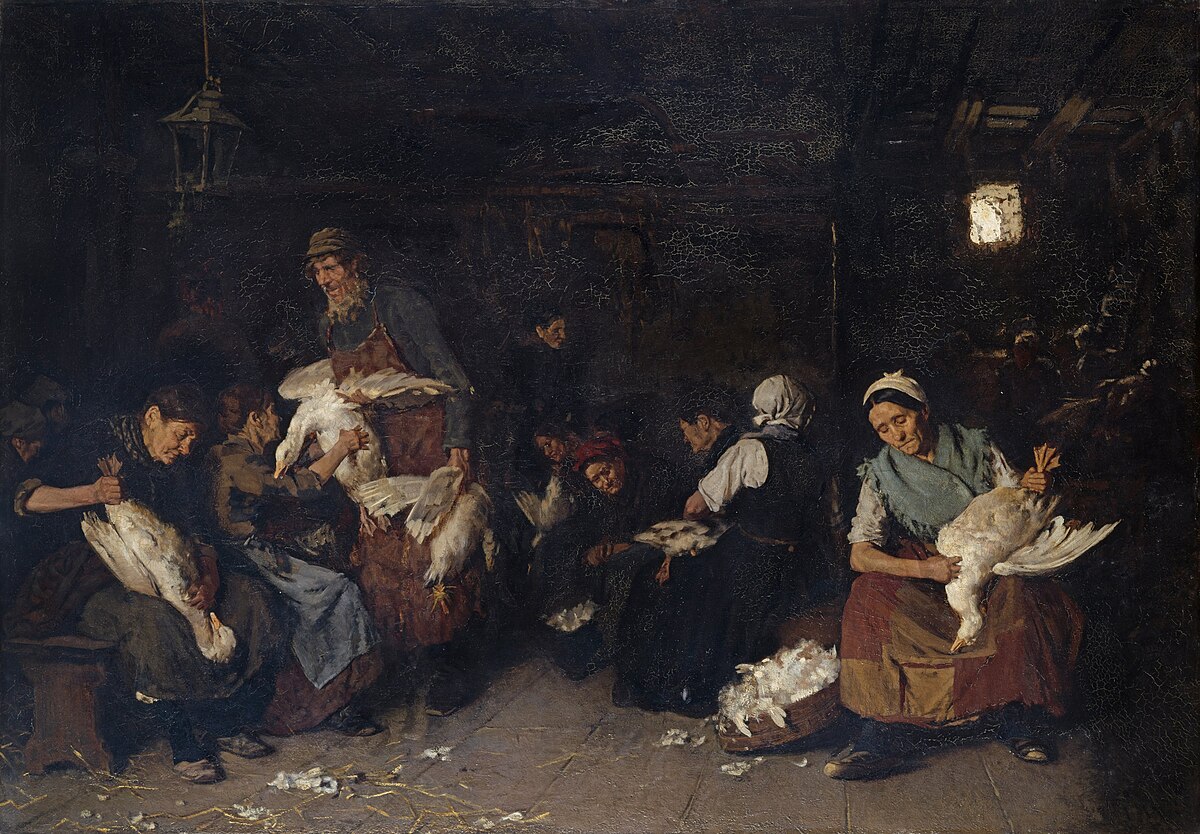
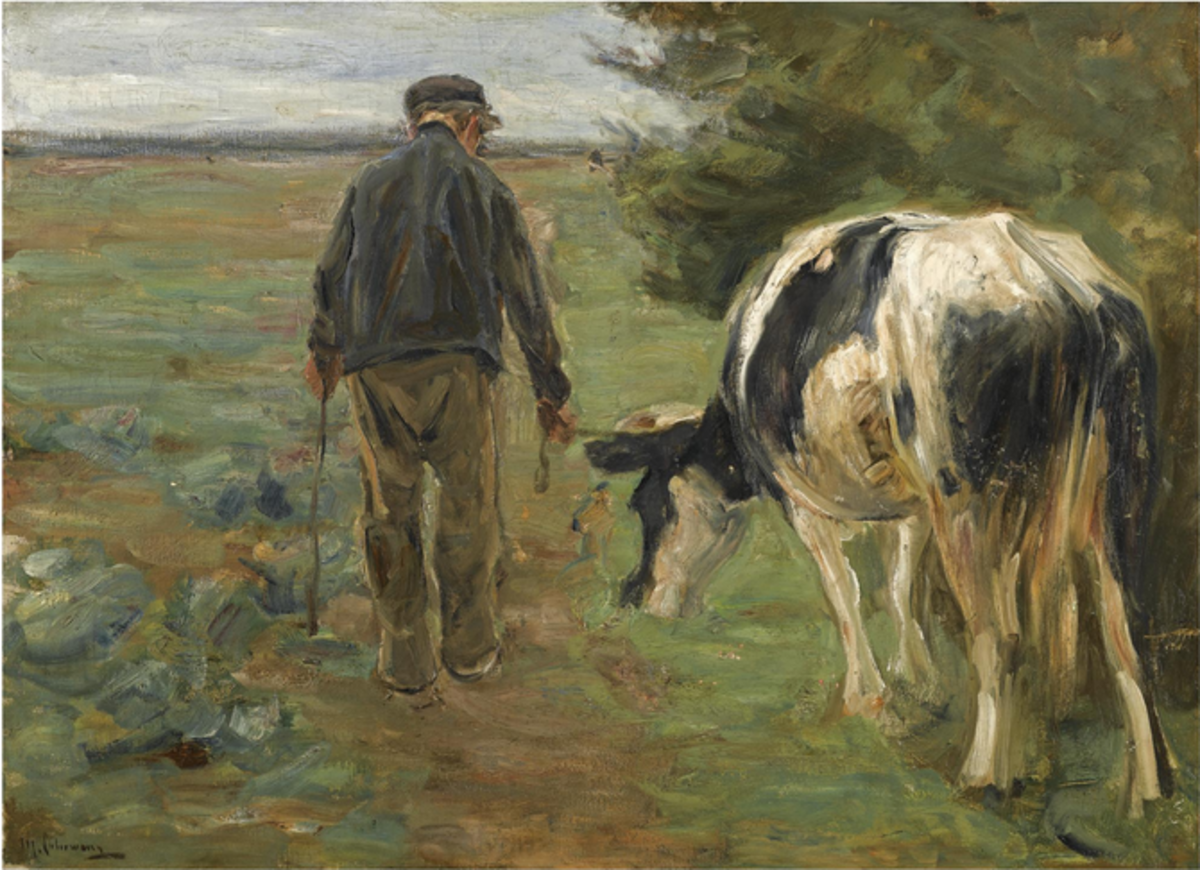
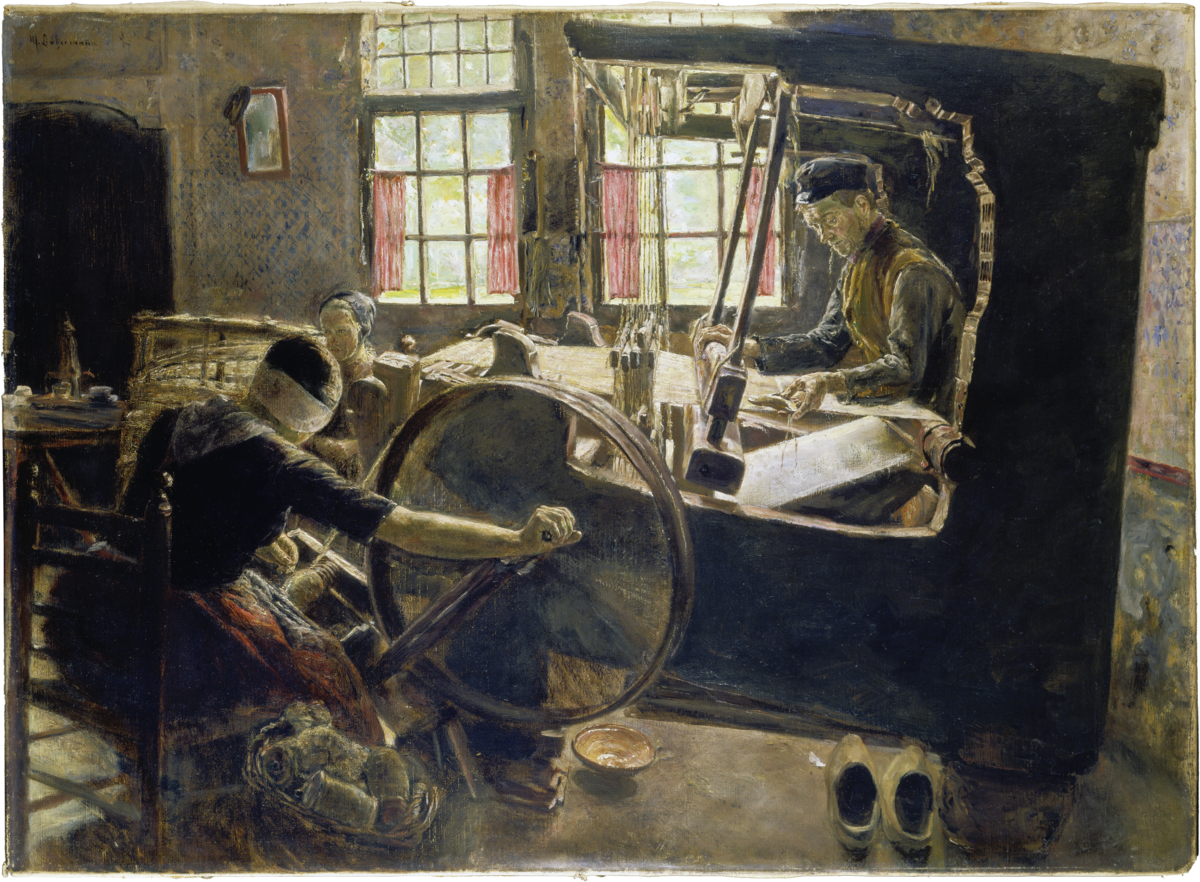
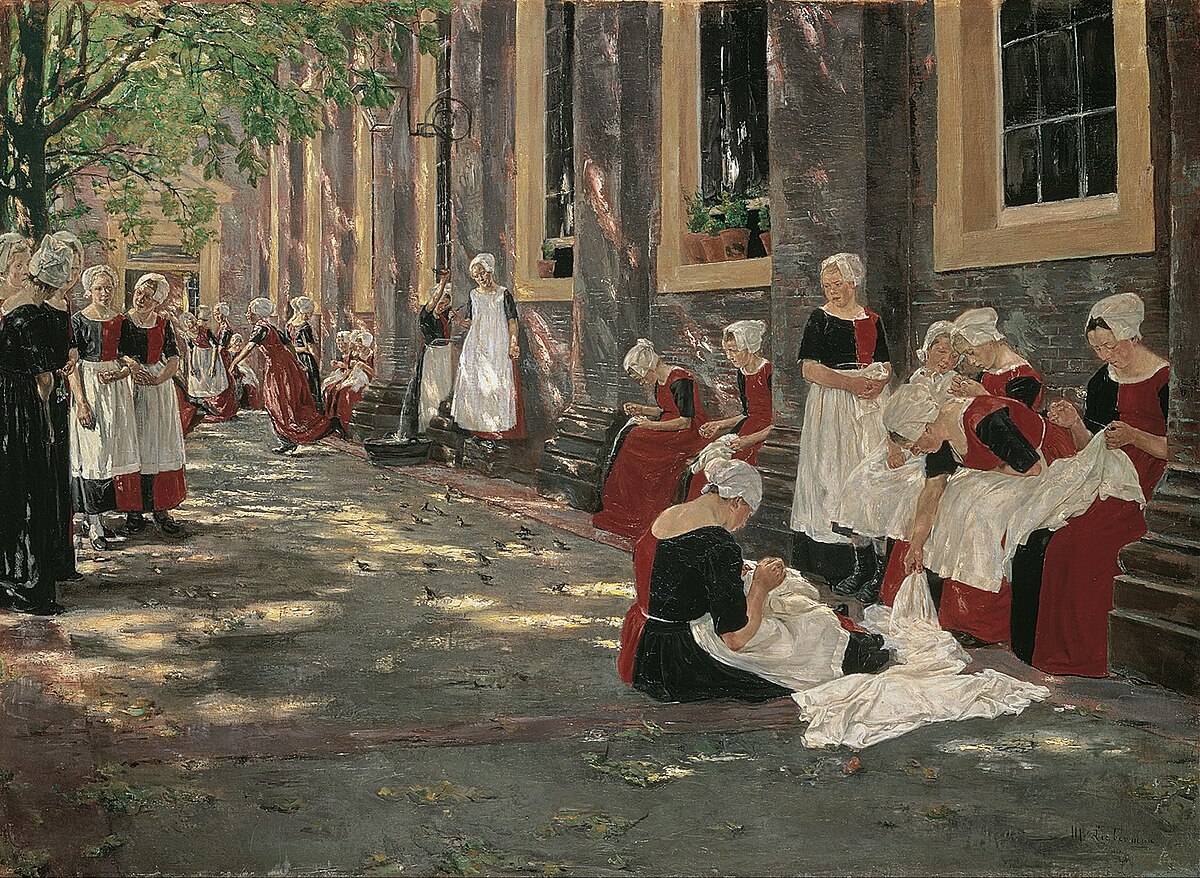
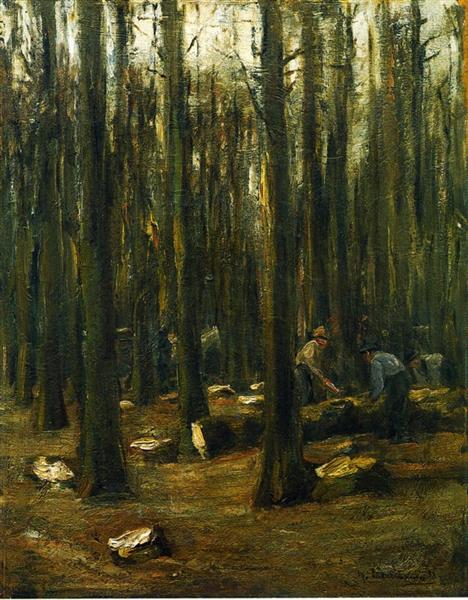
Liebermann returned to Berlin in 1884 and never left again. His early subjects were workers and peasants, painted with thick impasto and earthy tones. Over time, his palette lightened and his technique loosened. In 1898, he founded the Berlin Secession, a collective of sixty-five artists who backed modern styles like Impressionism and Art Nouveau against the conservative Academy. He served as president for thirteen years, recruiting painters like Lovis Corinth and Max Slevogt. The Secession's annual exhibitions introduced German audiences to French modernism. By 1920, Liebermann had risen to president of the Prussian Academy of Arts itself, becoming the artistic establishment he once challenged.
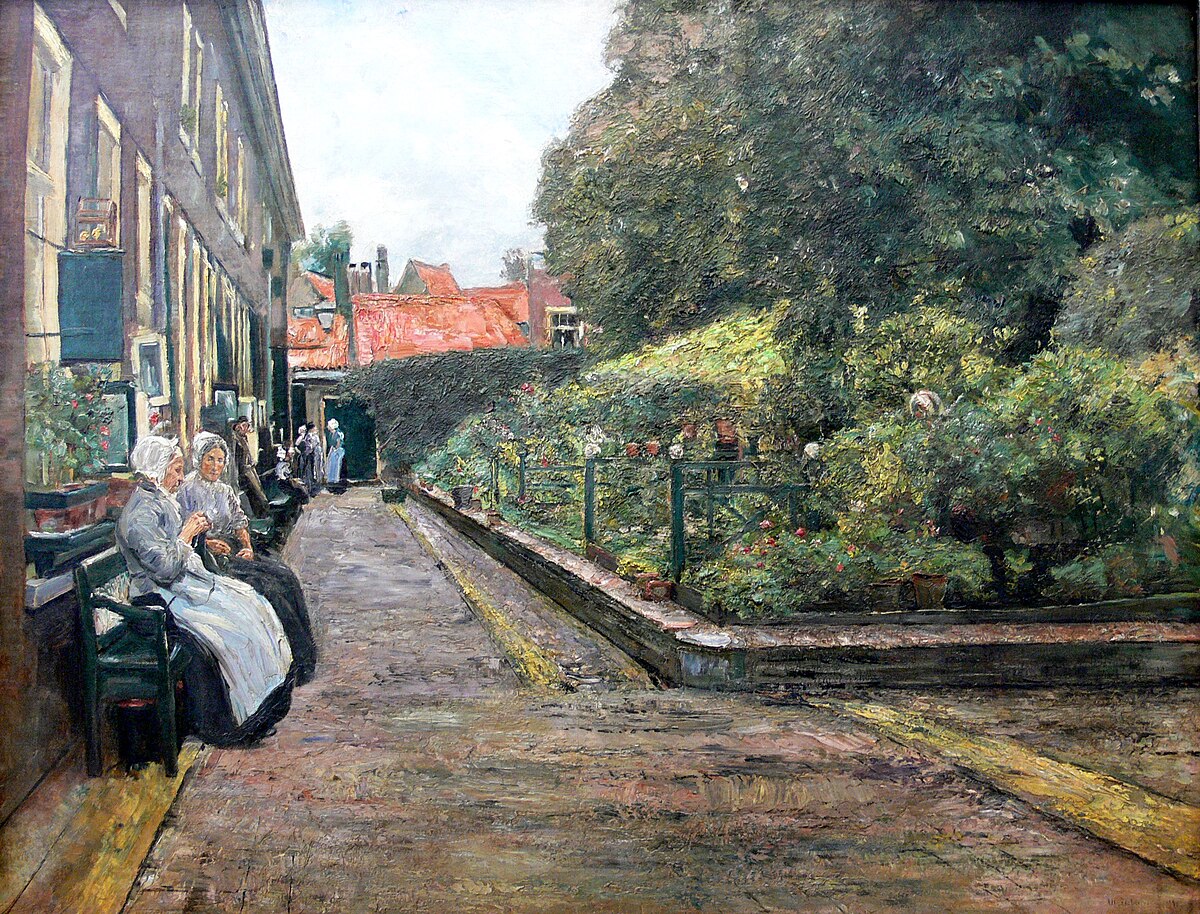
His late works often depicted his garden at Wannsee, outside Berlin. He completed over two hundred commissioned portraits, including likenesses of Albert Einstein and Paul von Hindenburg. Then the Nazis came. In 1933, Liebermann resigned from the Academy. The Gestapo removed his paintings from museums. He withdrew from public life but continued painting until his death in 1935. The Academy refused to honor him. Almost no one attended his funeral. His work now hangs at the Metropolitan Museum, Musée d'Orsay, and Hermitage.