Filippo Lippi
Italian·1406–1469
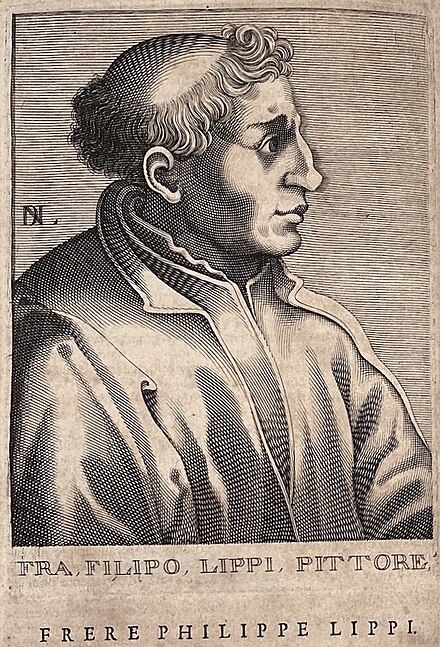
Renaissance painter Filippo Lippi (c. 1406-1469) was one of the most influential Florentine masters of the Quattrocento and the teacher who shaped Sandro Botticelli. Born into poverty in Florence, young Filippo became an orphan at age two. An aunt raised him briefly before placing him in the Carmelite monastery at Santa Maria del Carmine. There, he witnessed Masaccio painting the Brancacci Chapel frescoes (c. 1423-27), some of the most influential paintings of the Renaissance. These works became Lippi's first important contact with art. Despite taking religious vows, he proved a reluctant friar with a talent for getting into trouble.
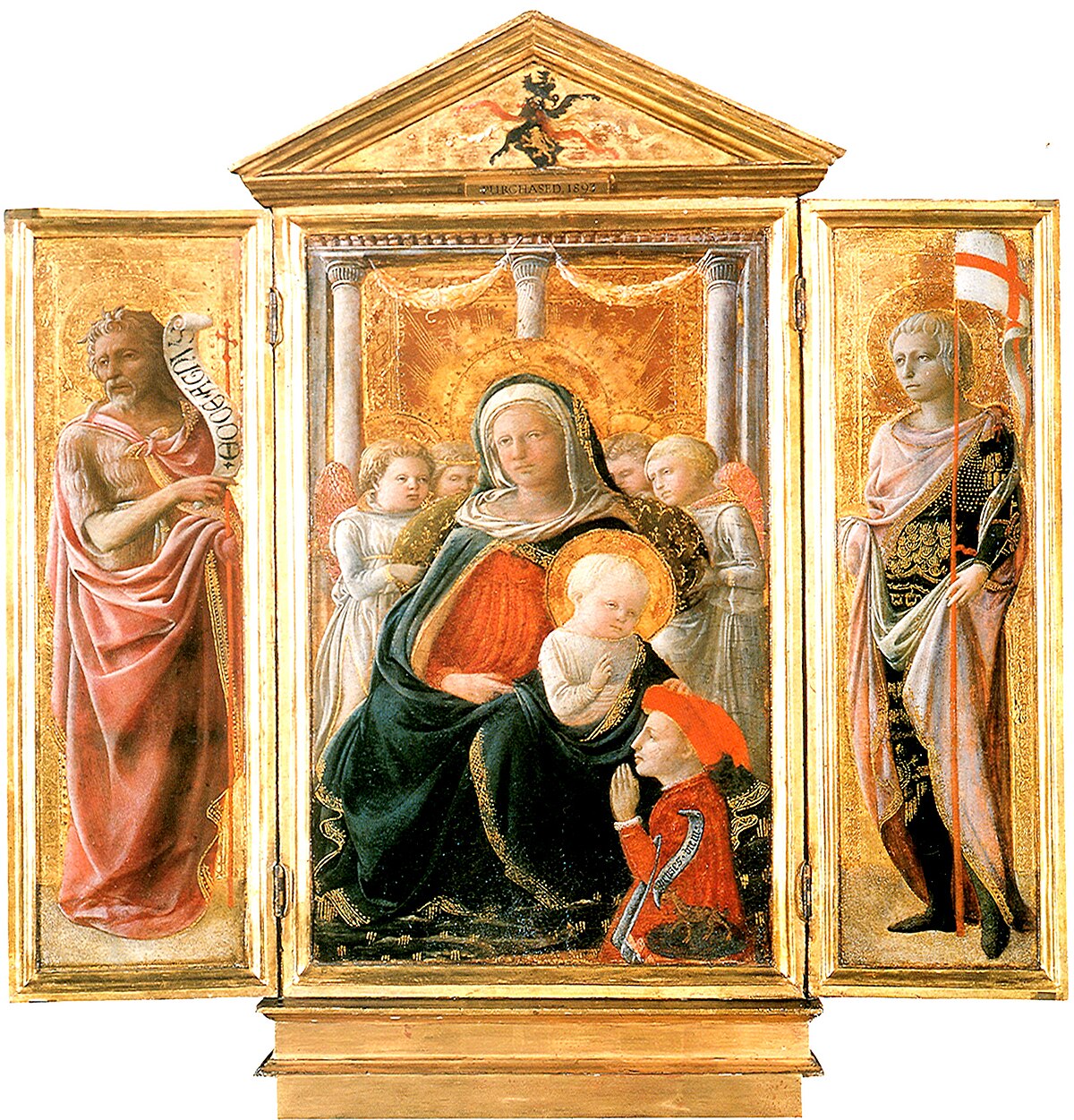
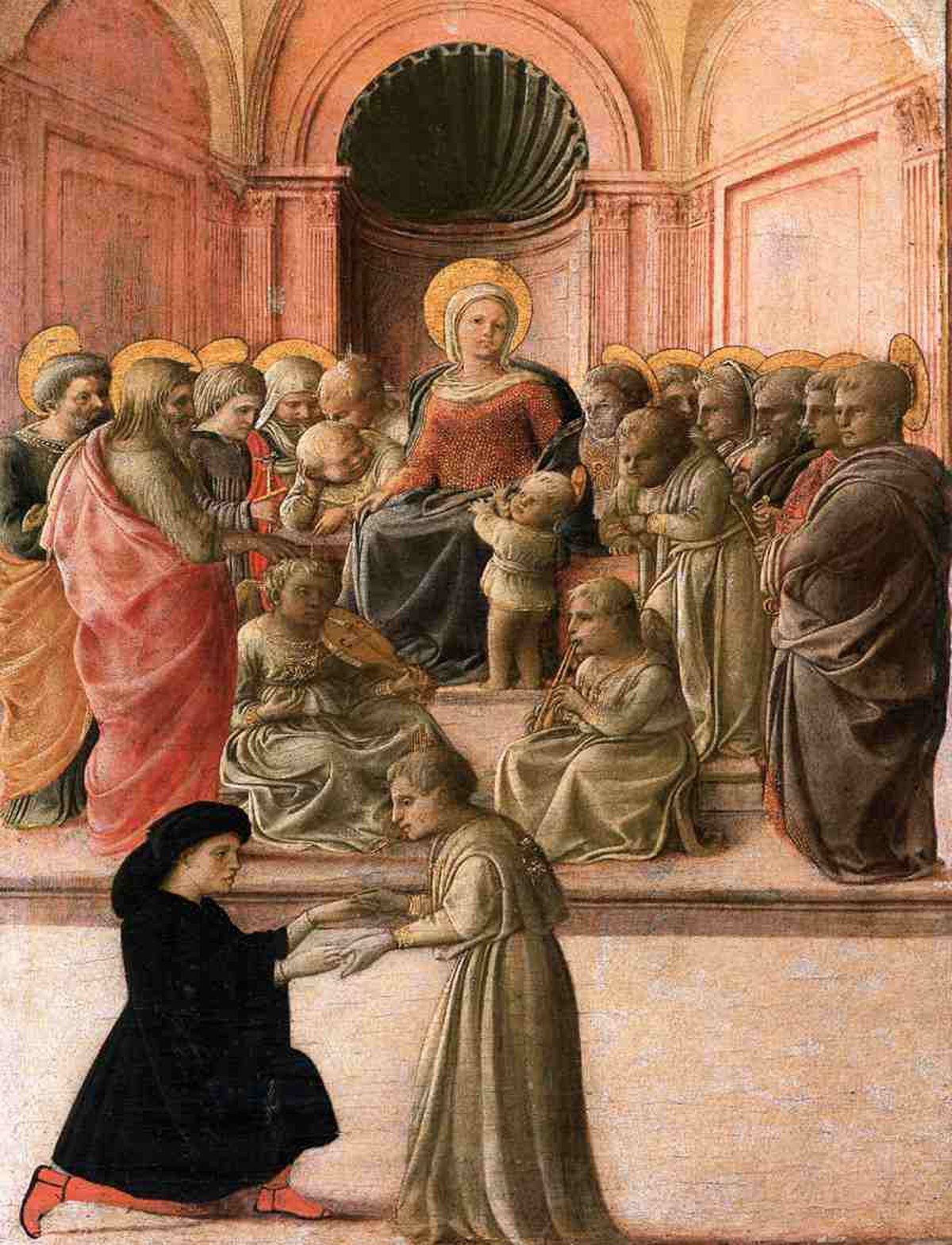
Lippi's paintings caught the attention of the Medici family by the 1430s, and they became his primary patrons. Cosimo de' Medici even intervened when Lippi was imprisoned and tortured for alleged fraud. His most monumental works are the frescoes in the choir of Prato Cathedral, depicting the stories of Saint Stephen and Saint John the Baptist. His personal life caused scandal: despite being a friar, he had a love affair with a nun named Lucrezia Buti, who bore him a son (the painter Filippino Lippi) and a daughter. The Pope eventually released them from their vows, allowing them to marry. His Barbadori Altarpiece (begun 1437, now at the Louvre) is sometimes credited as the earliest example of the sacra conversazione format. Lippi died in 1469 while working on frescoes in Spoleto Cathedral. Lorenzo de' Medici commissioned his tomb there. Major works are held at the Uffizi Gallery, the Metropolitan Museum of Art, and the National Gallery in London.
Notable Works by Filippo Lippi
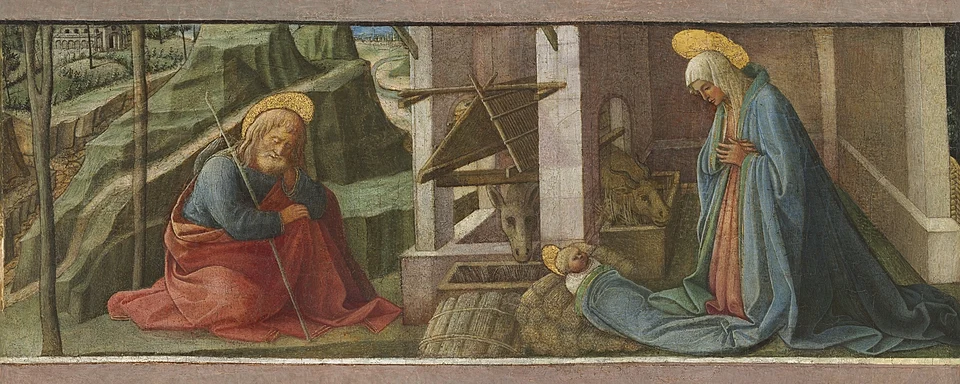
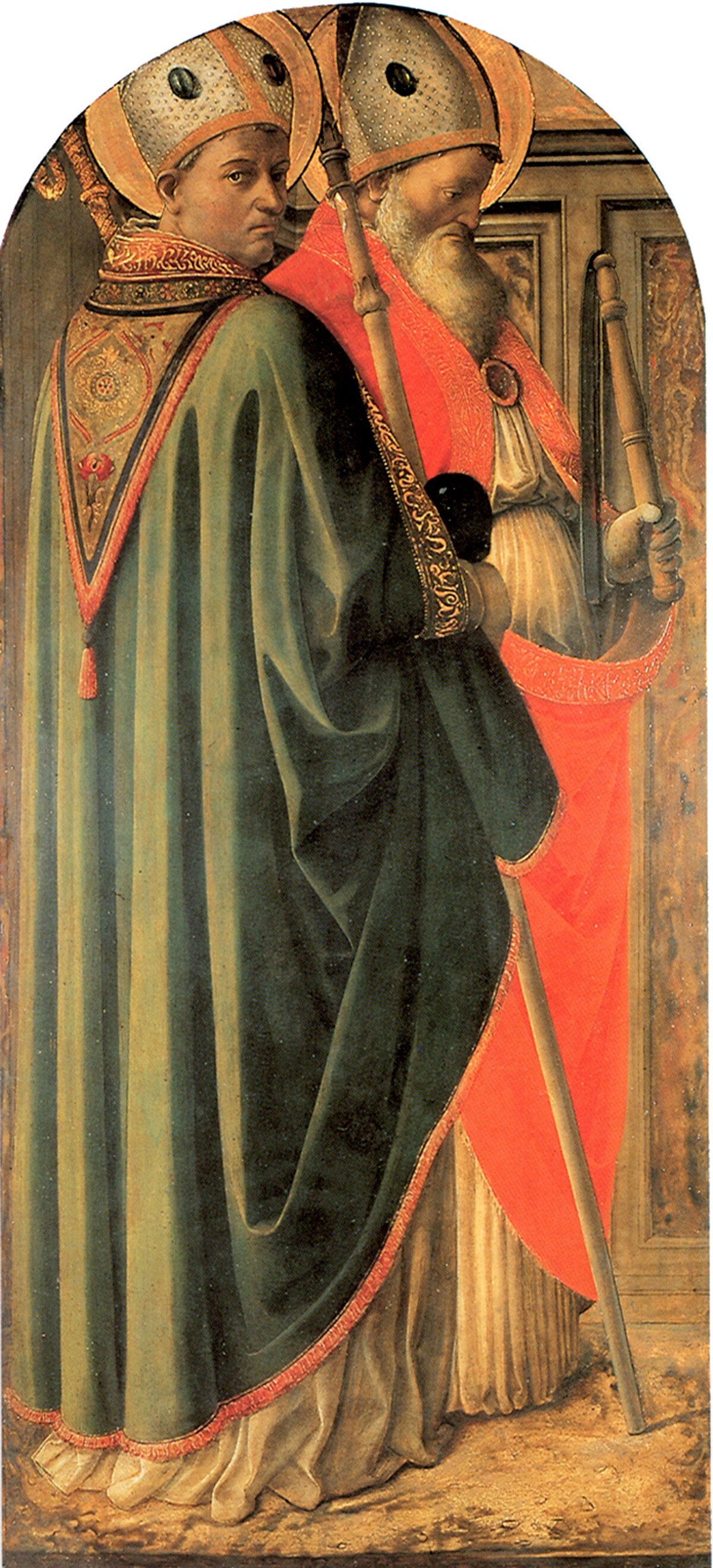
8 paintings catalogued with museum locations
Museums with Filippo Lippi's Work
7 museums display Lippi's works. Click any museum to see visiting info and the specific works they hold.
About Filippo Lippi
Lippi was a leading painter of the Early Renaissance in Florence, part of the artistic flowering known as the Quattrocento. His luminous Madonna paintings and expressive religious narratives profoundly influenced his student Sandro Botticelli, who carried Lippi's graceful linearity into the next generation.
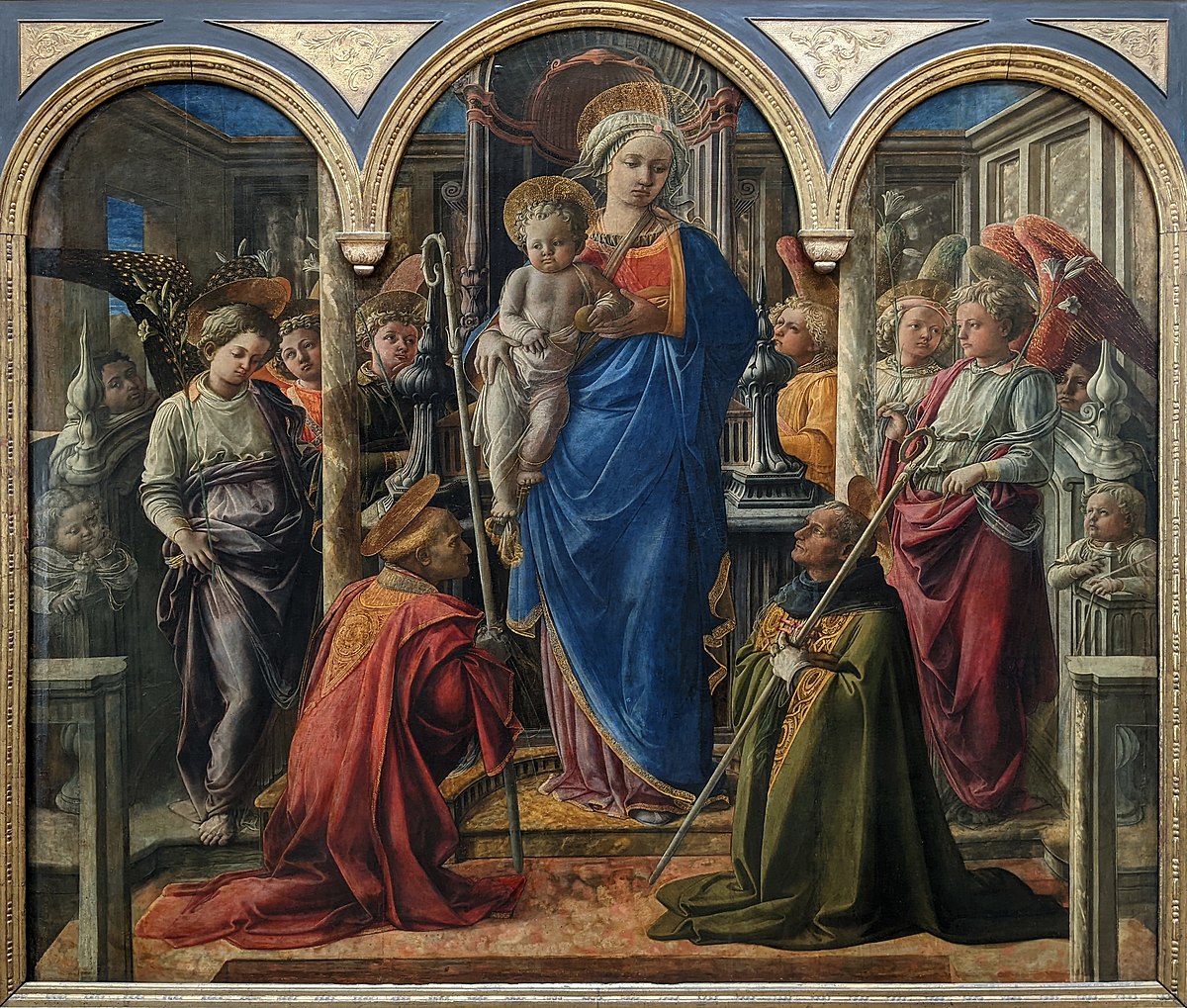
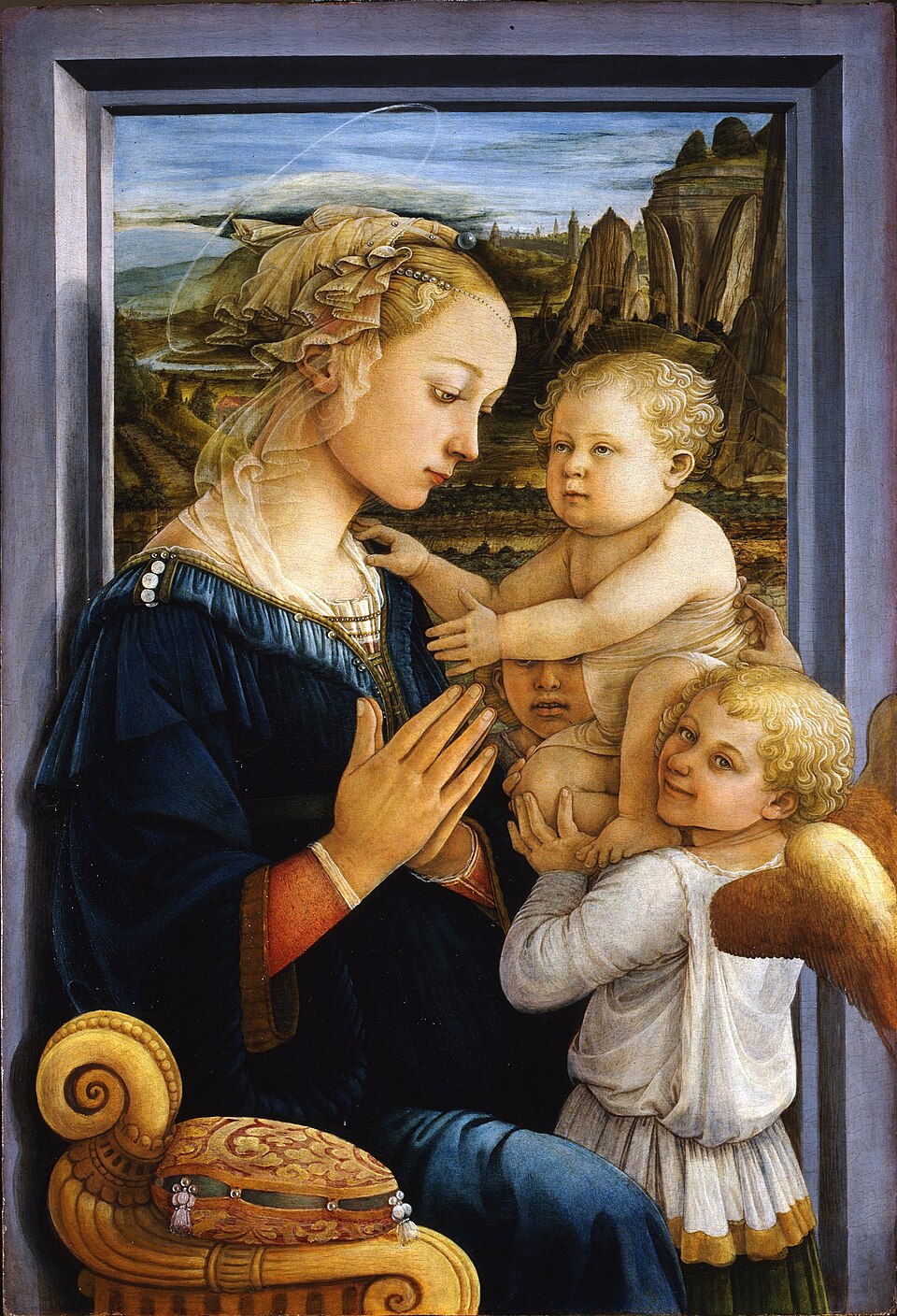
The Uffizi Gallery in Florence holds his celebrated Madonna and Child with Two Angels. The Louvre displays several panels, while his greatest fresco cycles remain in Prato Cathedral and Spoleto Cathedral, where he worked until his death.
Yes, Lippi took Carmelite vows as an orphaned teenager at the convent of Santa Maria del Carmine in Florence around 1421. Known as "Fra Filippo," he proved a reluctant monk whose artistic genius and scandalous personal life made him one of the most colorful figures of the Renaissance.
Despite his religious vows, Lippi abducted and seduced Lucrezia Buti, a young nun from the convent of Santa Margherita in Prato, while painting there in 1456. She bore him two children, including the future painter Filippino Lippi. Pope Pius II eventually released them both from their vows.
Sandro Botticelli was his most celebrated pupil, entering Lippi's workshop around 1464. The influence is unmistakable in Botticelli's graceful Madonnas and flowing draperies. Lippi's own son Filippino Lippi became an important painter who completed several of Botticelli's unfinished commissions.
The Medici family became his primary patrons by the 1430s. Cosimo de' Medici supported him throughout his career, once even rescuing him from imprisonment for fraud. This powerful backing allowed Lippi to develop his art despite personal scandals that would have ruined a less well-connected painter.
Love Filippo Lippi's Style?
Explore art inspired by their style.
Browse Collection