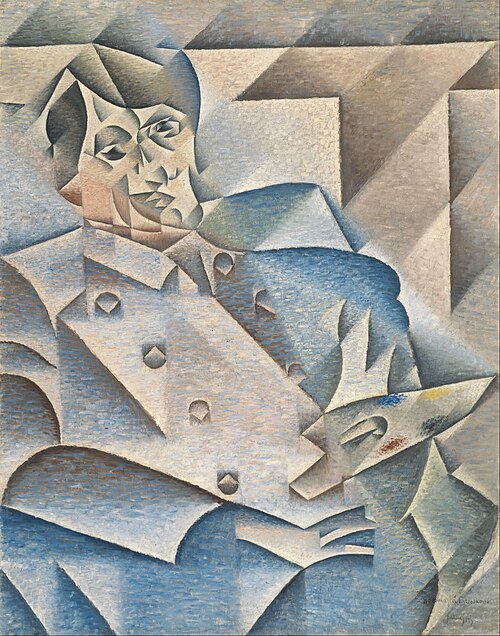
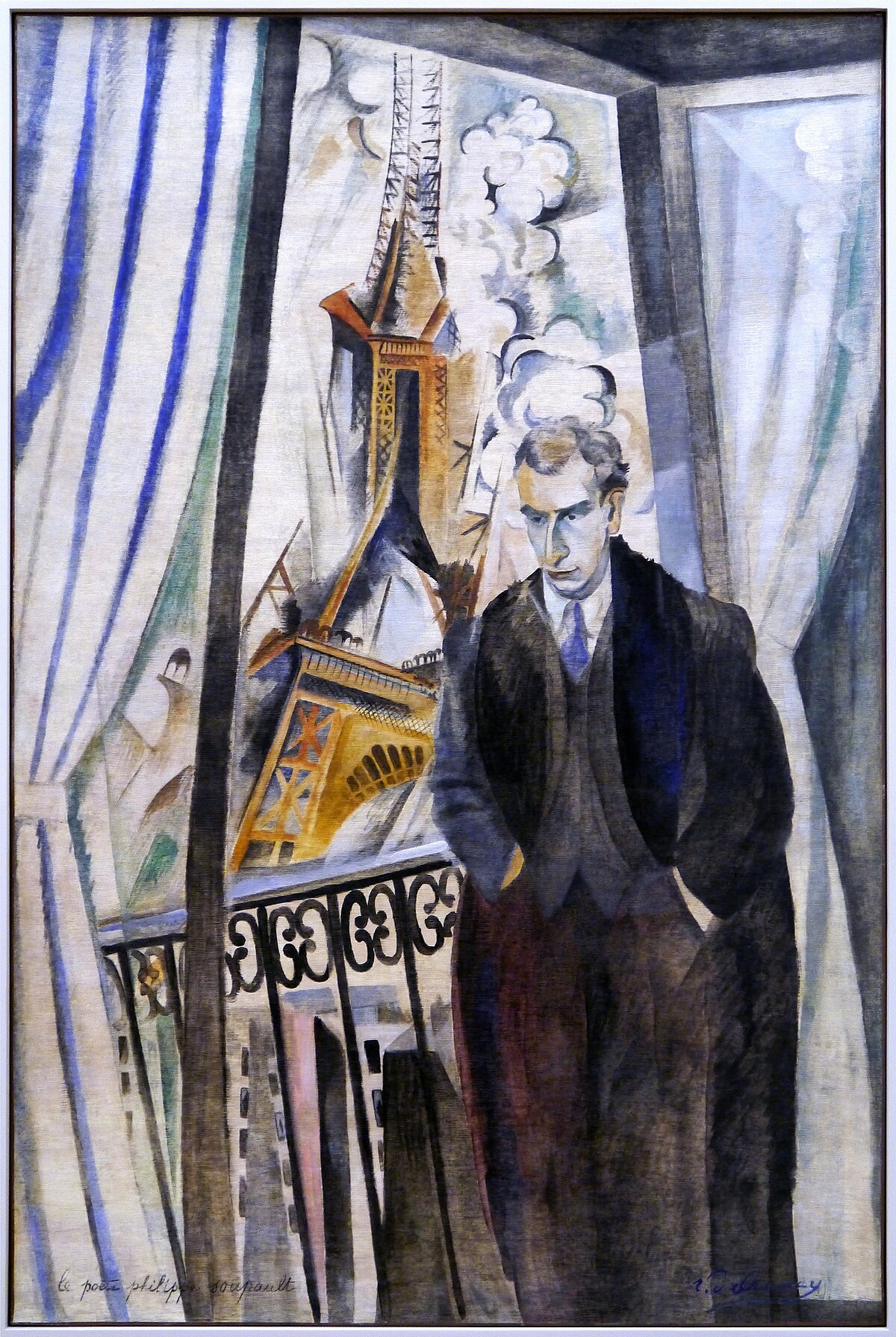
Fernand Léger
French·1881–1955
No Portrait Available
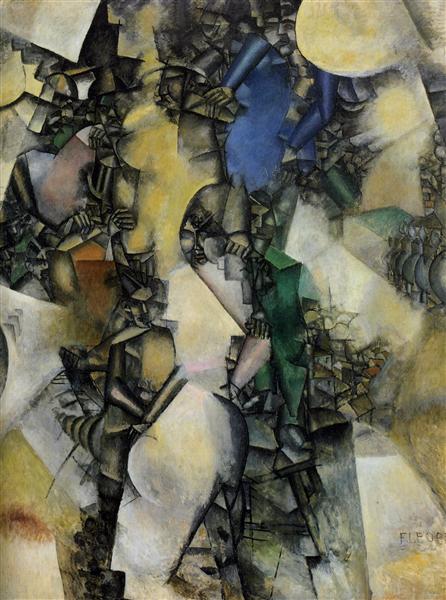
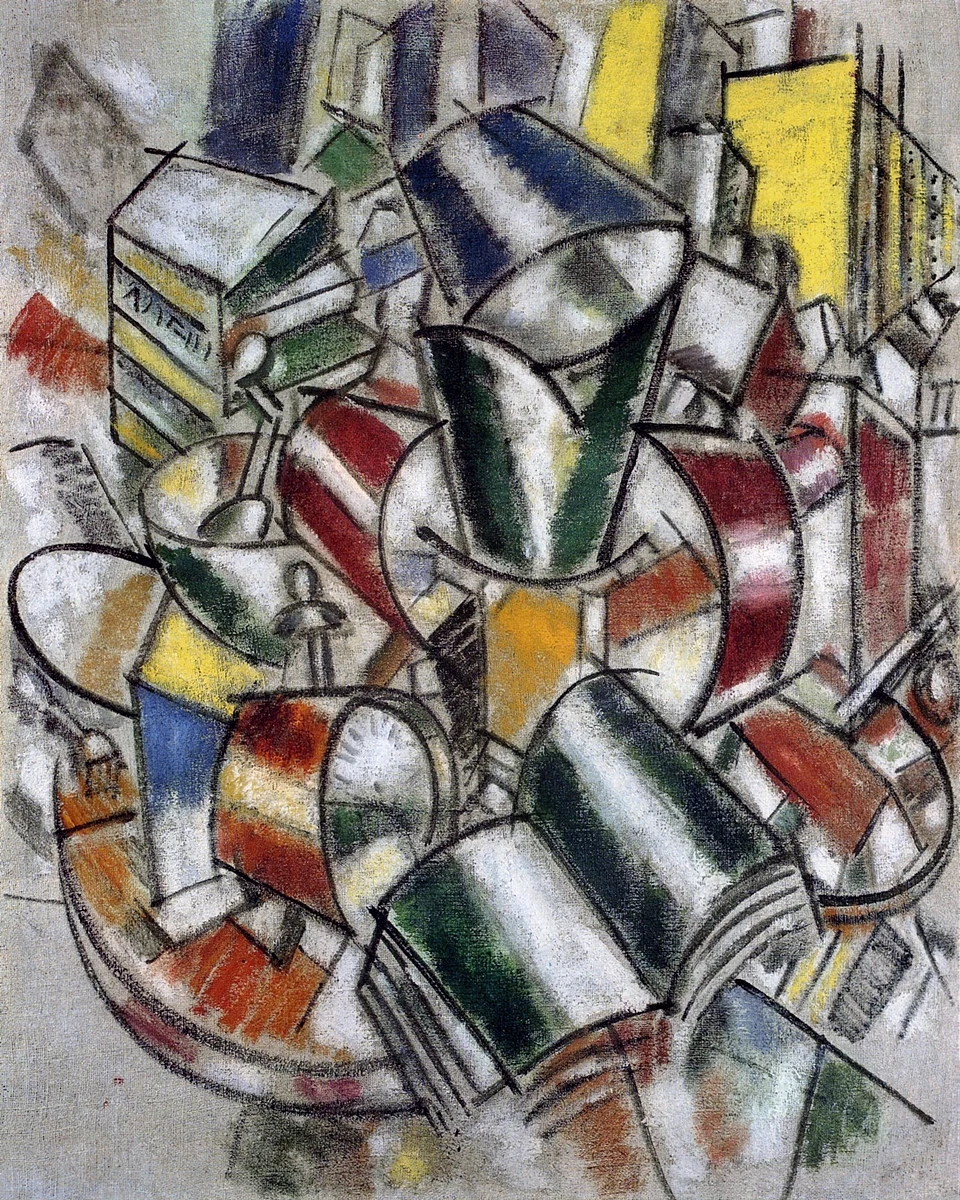
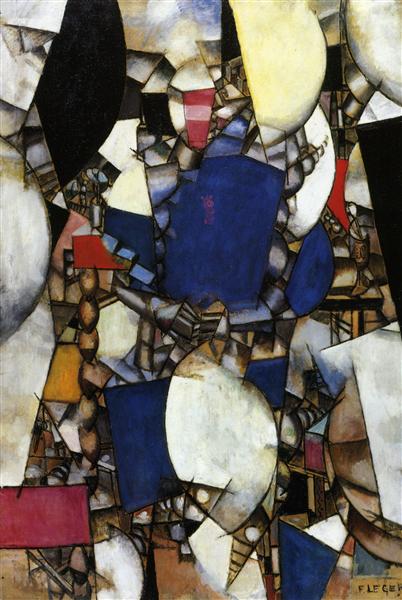
Cubist painter Fernand Léger (1881-1955) developed a distinctive style called "Tubism" for his emphasis on cylindrical forms and machine-age imagery. Born in Argentan, Normandy, to a cattle farmer, he trained as an architect before moving to Paris in 1900. After encountering Cézanne's retrospective in 1907, he gravitated toward Cubism, renting a studio at La Ruche ("The Beehive") artists' colony in Montparnasse where he joined the avant-garde circle.
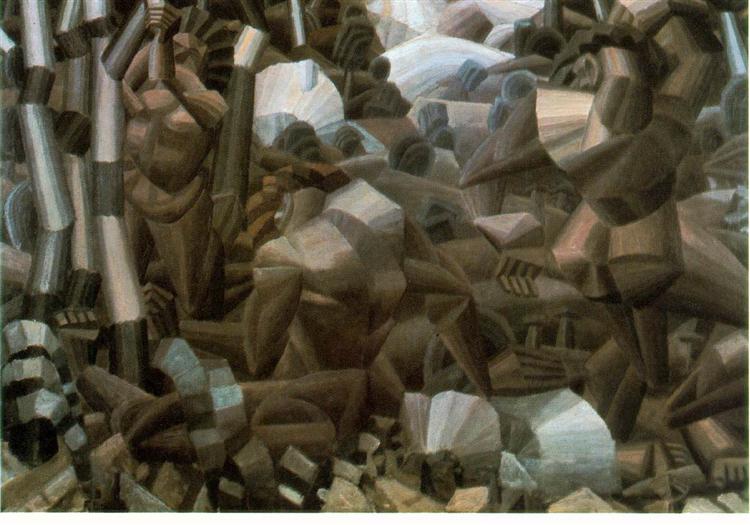
Léger's personal form of Cubism reduced the human body to tubular, robot-like shapes expressing harmony between humans and machines. His painting Nudes in the Forest exemplifies this "Tubism" approach. Service in World War I, where he was gassed at Verdun, reinforced his interest in mechanical forms and working-class subjects. In 1924, he directed The Mechanical Ballet, a non-narrative film with photography by Man Ray. A committed socialist, he believed art should enrich everyone's lives, working on posters and murals as well as easel paintings. Major works hang at the Museum of Modern Art, Centre Pompidou, and Tate Modern.
Notable Works by Fernand Léger
9 paintings catalogued with museum locations