Cimabue
Italian·1240–1302
No Portrait Available
Cimabue (c. 1240–1302) was the painter who, in Dante's words, "thought to hold the field" in Italian art before Giotto eclipsed him. Born Cenni di Pepo in Florence, he is remembered by his nickname, meaning "bullhead," which captured his stubborn, demanding temperament. An anonymous commentator on Dante noted that Cimabue was so proud that if anyone found fault with his work, he would destroy it entirely. According to Vasari, when Greek artists arrived in Florence to decorate Santa Maria Novella, the young Cimabue abandoned his studies to watch them work.
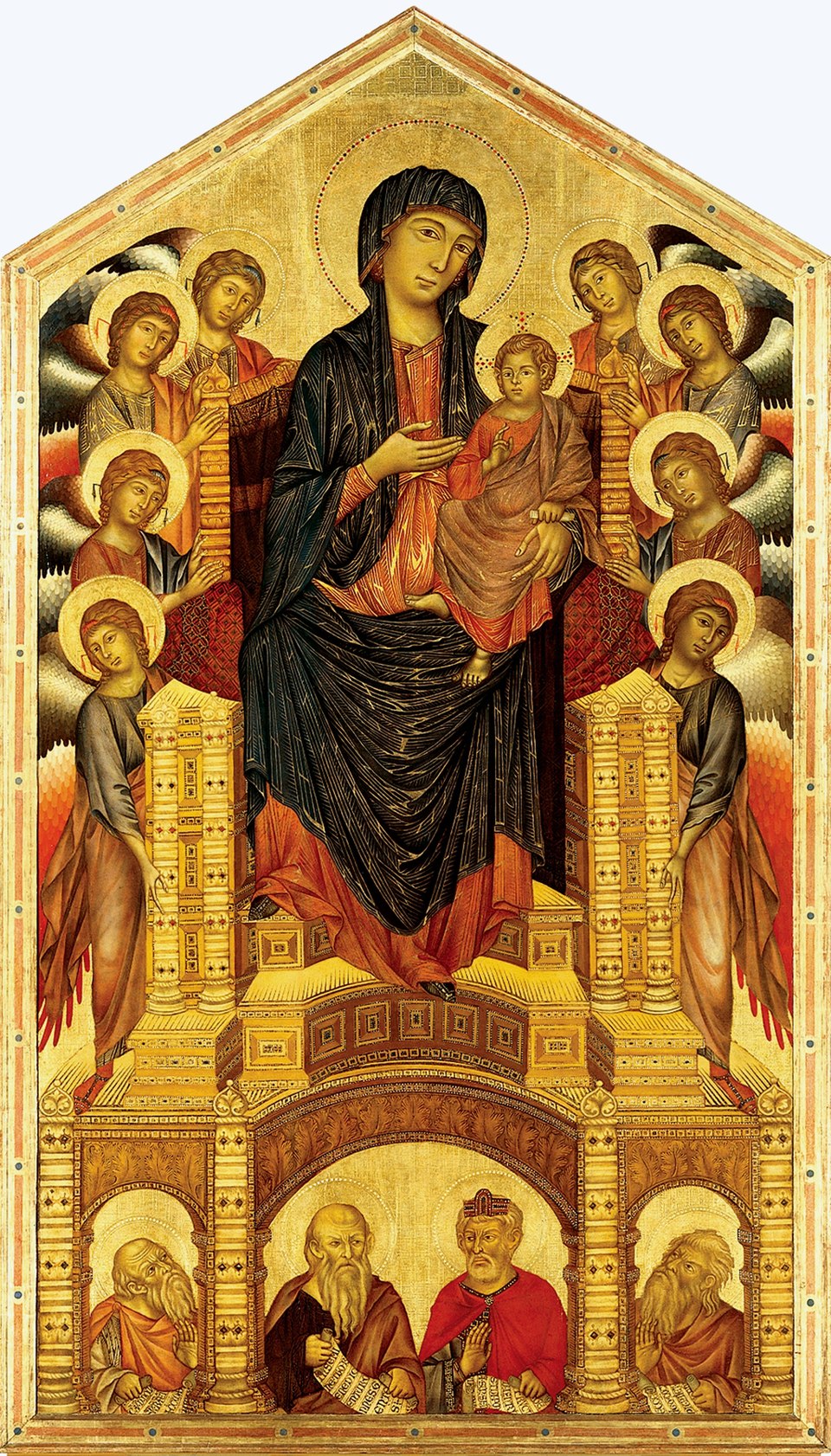
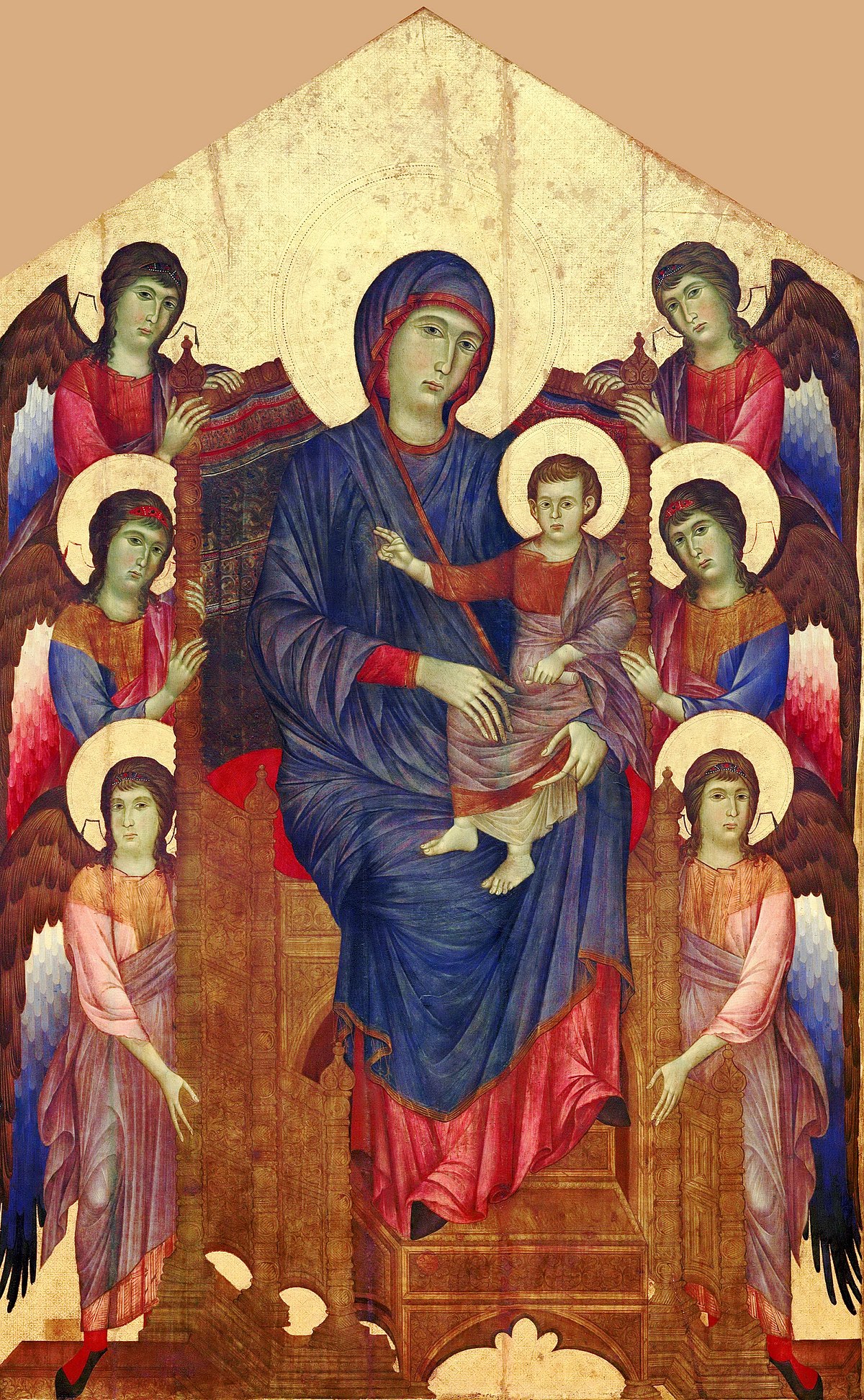
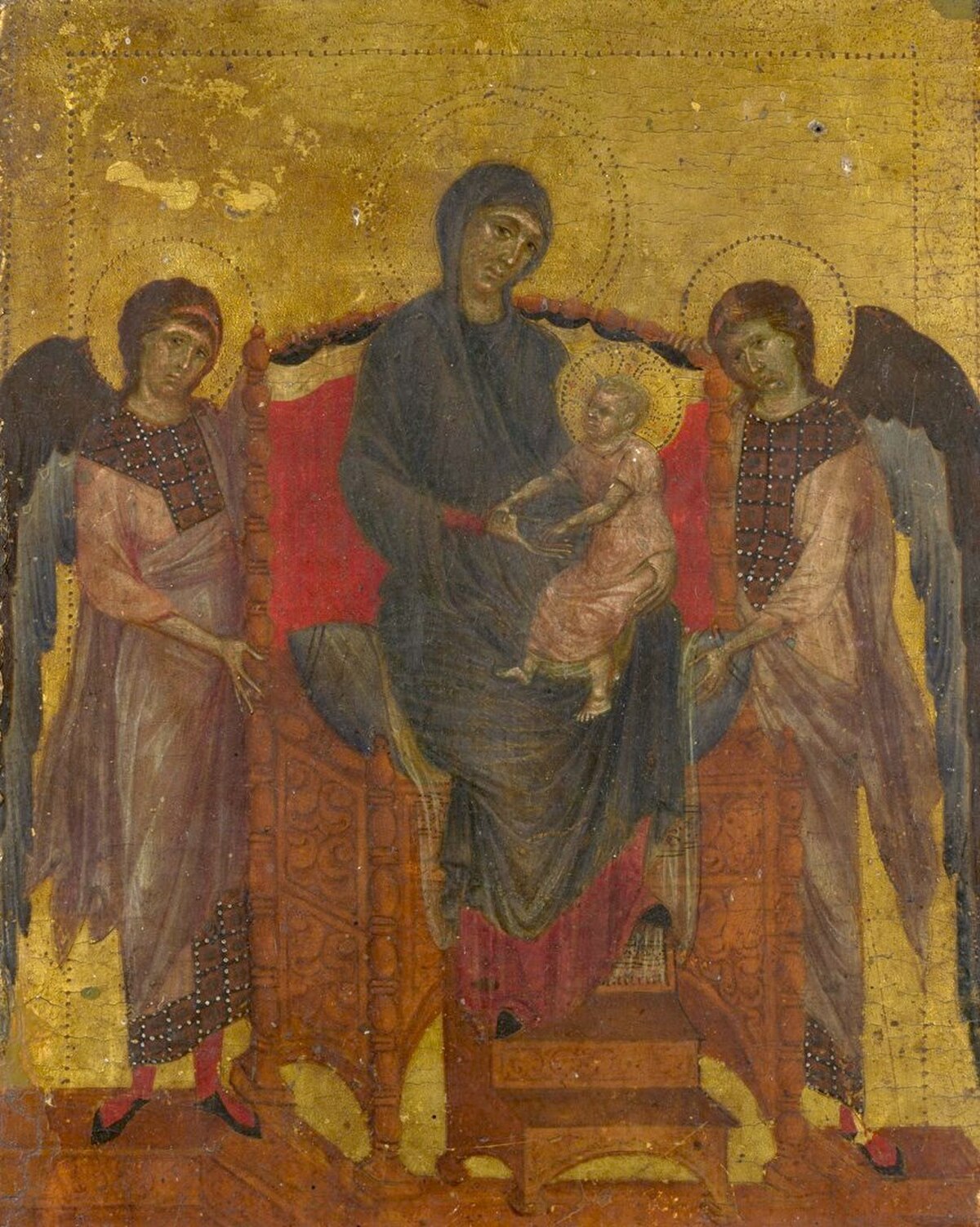
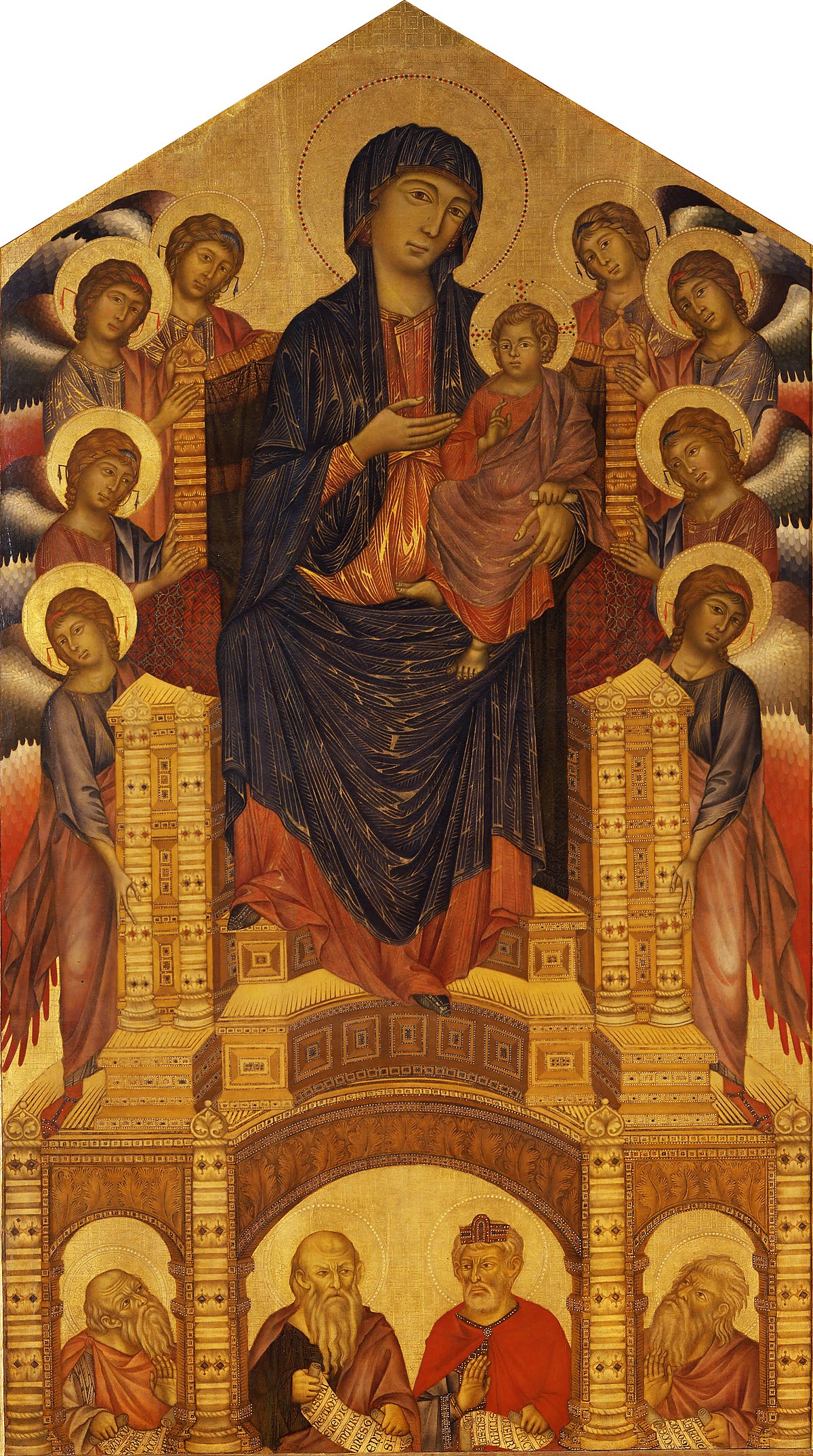
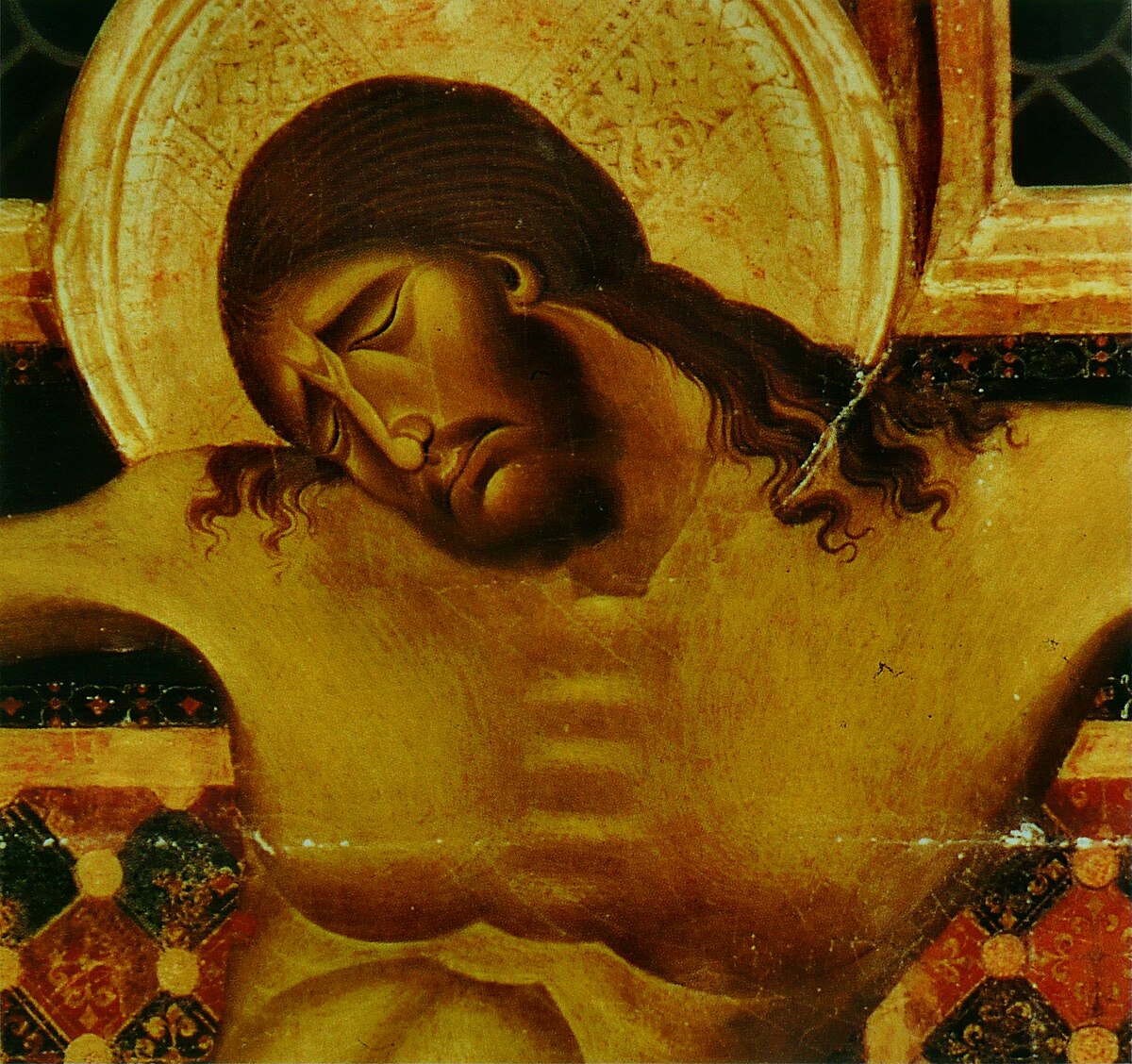
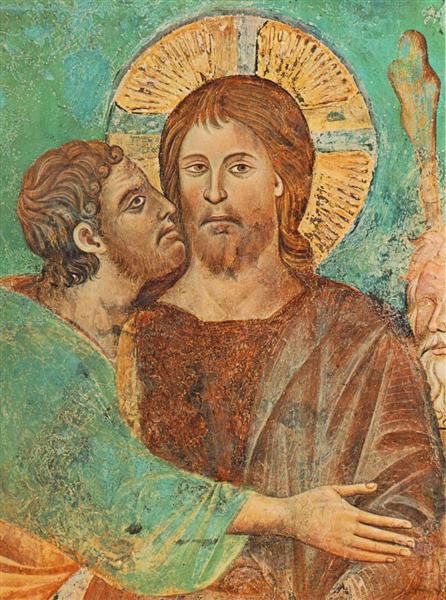
Cimabue's innovation was breaking from the stiff, stylized Byzantine manner that dominated Italian painting. His figures have more natural proportions, more emotional expression, and a new sense of volume created through subtle shading. The Maestà of Santa Trinita (c. 1290–1300), now at the Uffizi, shows the Virgin and Child enthroned among angels, their faces warmer and more human than any Byzantine prototype. Another Maestà, painted for San Francesco at Pisa around 1280, is now at the Louvre.
Vasari placed Cimabue's biography at the very beginning of his Lives of the Artists, calling him the one who "gave the first light to the art of painting." The most famous legend claims that Cimabue discovered the young Giotto drawing sheep on a rock and took him as a pupil. Many scholars now doubt this story, but it captures an essential truth: Cimabue represented the end of medieval art, Giotto the beginning of the Renaissance. Cimabue's last documented work, a mosaic of Saint John in Pisa Cathedral, was completed just before his death in 1302.