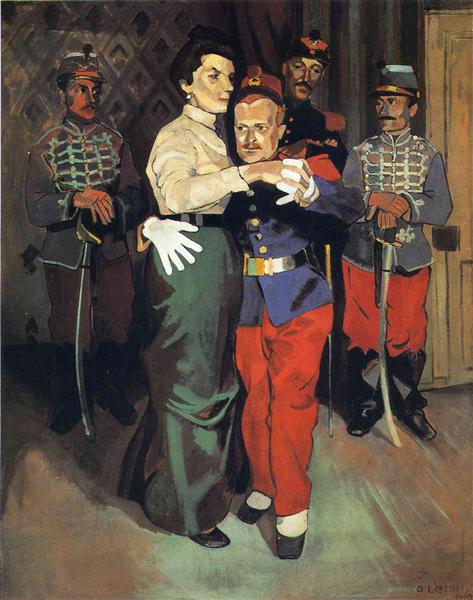
André Derain
French·1880–1954
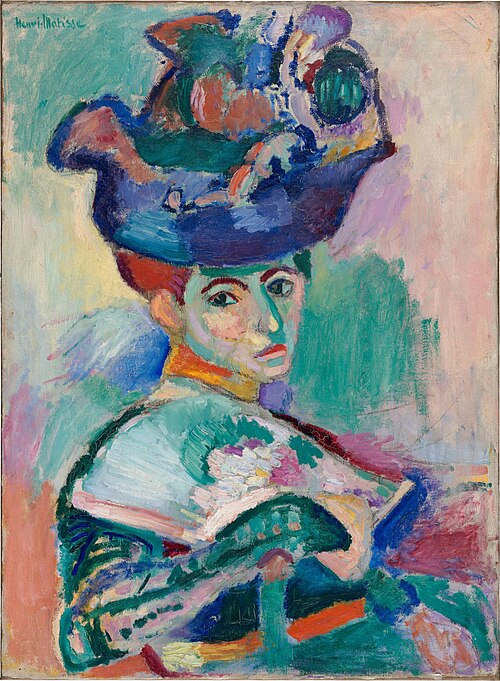
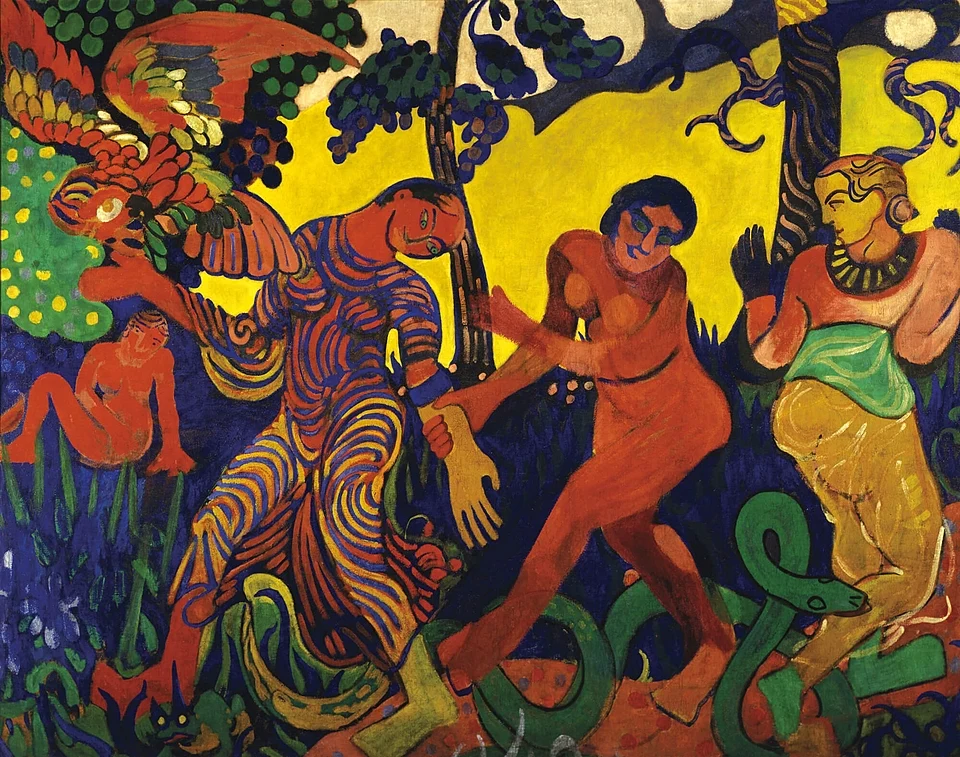
André Derain (1880–1954) helped launch Fauvism alongside Henri Matisse, though his restless experimentation soon carried him in other directions. Born in Chatou near Paris, he studied engineering while painting in his spare time. In 1900, he met Matisse on a train and began sharing a studio with Maurice de Vlaminck. Military service interrupted his work until 1904, when Matisse persuaded Derain's parents to let him pursue art full-time. The following summer, Derain and Matisse painted together in the Mediterranean village of Collioure, producing the explosive color experiments that would scandalize the 1905 Salon d'Automne and earn them the name "les Fauves" (wild beasts).
In 1906, dealer Ambroise Vollard sent Derain to London, where he produced thirty radically colored views of the Thames, Westminster, and Hyde Park. These paintings mark the height of his Fauvist period. Soon after, Derain fell in with Picasso and Braque in Montmartre and became fascinated by African art and Cubism. After World War I, he turned toward classical restraint and was praised as a leader of the renewed traditionalism. He designed sets for Diaghilev's Ballets Russes in 1919 and won the Carnegie Prize in 1928. During the German occupation, Derain accepted an invitation to visit Nazi Germany in 1941, a decision that led to accusations of collaboration and damaged his reputation after liberation. He was struck by a car and died in 1954. His Fauvist paintings hang at the Tate Modern, the Museum of Modern Art, and the Musée d'Orsay.
Notable Works by André Derain
5 paintings catalogued with museum locations
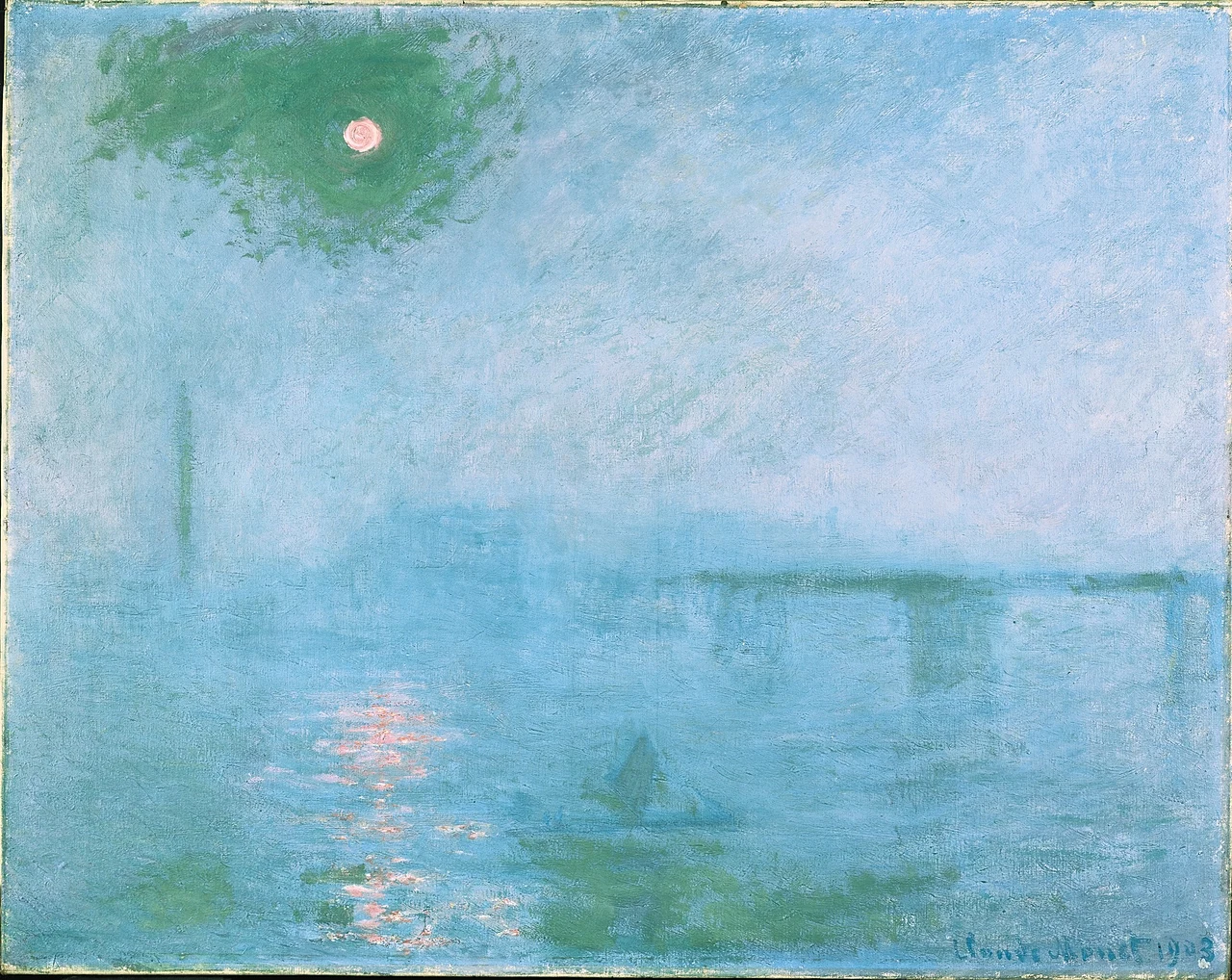
Museums with André Derain's Work
4 museums display Derain's works. Click any museum to see visiting info and the specific works they hold.
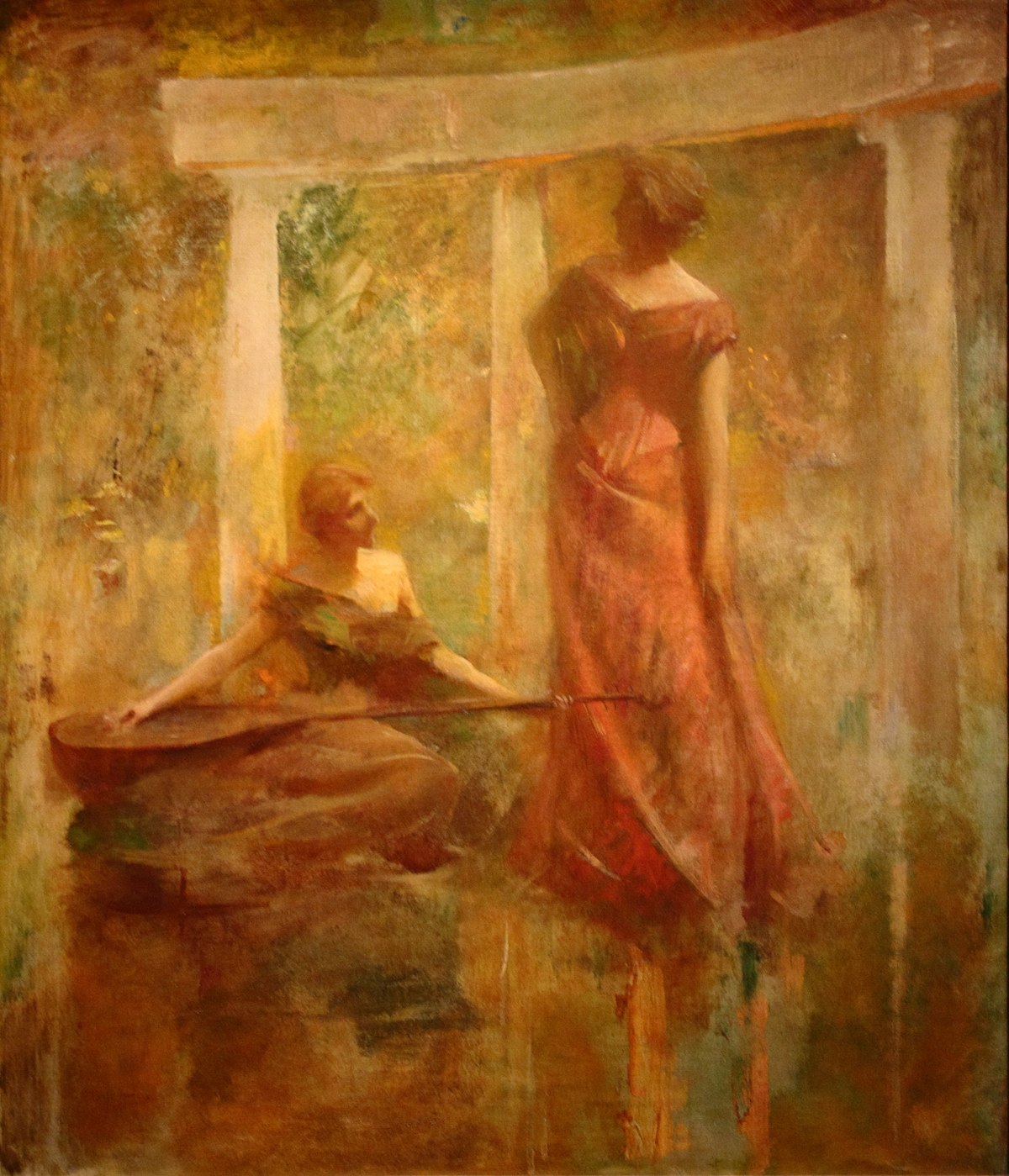
Related Artists
Other Fauvism artists you might like
About André Derain
His Fauvist works are at the Tate Modern in London, the Museum of Modern Art in New York, and the Musée d'Orsay in Paris.
Critic Louis Vauxcelles called Derain and Matisse "les Fauves" (wild beasts) at the 1905 Salon d'Automne, shocked by their vivid, unnatural colors.
His London series (1906), showing the Thames and Big Ben in explosive Fauvist colors, represents the peak of his early career.
Derain accepted an invitation to visit Nazi Germany in 1941. After liberation, he was accused of collaboration and ostracized by former supporters.
He painted with Matisse at Collioure and later befriended Picasso and Braque in Montmartre, where he developed an interest in Cubism and African art.
Love André Derain's Style?
Explore art inspired by Fauvism.
Browse Collection