Ancient Assyrian (Unknown)
Assyrian (Mesopotamia)
No Portrait Available
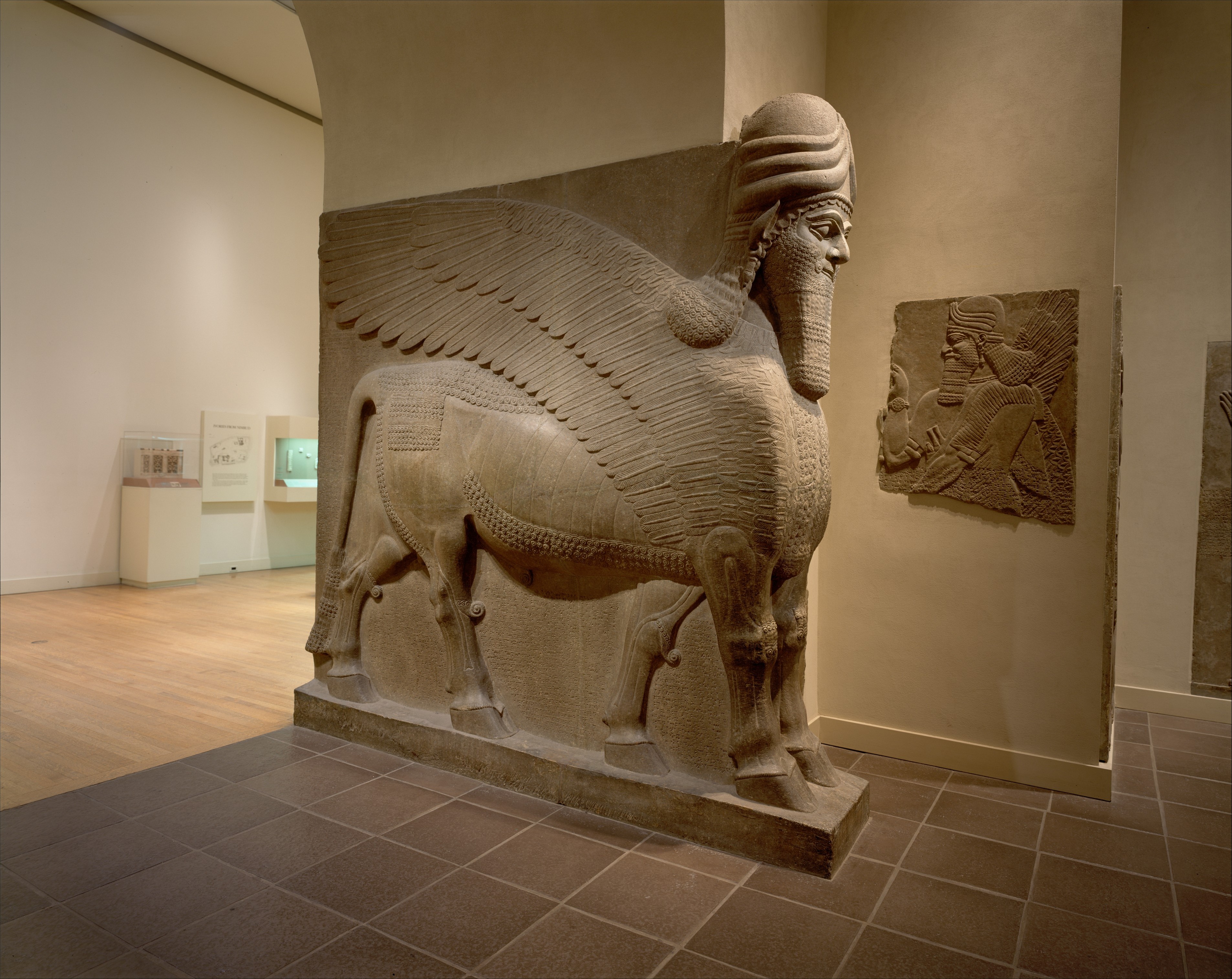
Ancient Assyrian sculpture represents one of the great traditions of the ancient Near East, produced primarily during the Neo-Assyrian Empire (911-612 BCE) in what is now northern Iraq. The most iconic Assyrian artworks are the massive lamassu, winged bull or lion figures with human heads that guarded palace entrances. These colossal stone guardians could stand over four meters tall.
Inside the palaces, walls were lined with carved alabaster relief panels depicting royal hunts, military campaigns, religious ceremonies, and court life. Originally painted in bright colors, these reliefs functioned like visual narratives, with stories running along walls to their conclusion. The tradition began under Ashurnasirpal II at Nimrud and continued at Khorsabad and Nineveh. Our collection includes 5 works at the British Museum.
Sculptures by Ancient Assyrian (Unknown)
5 sculptures catalogued with museum locations. Browse all sculptures