Alonso Cano
Spanish·1601–1667
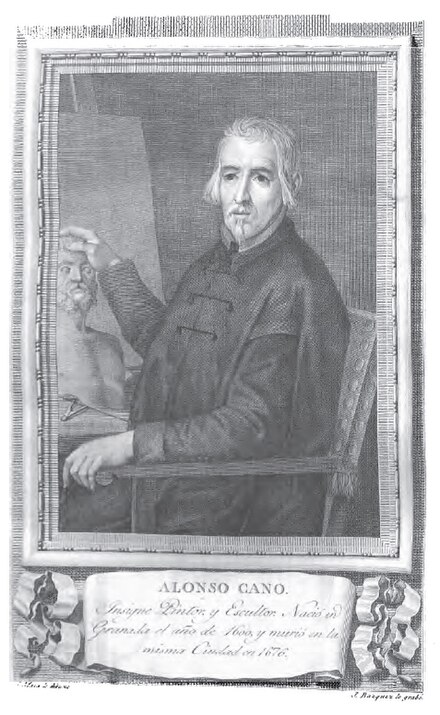
Spanish Baroque artist Alonso Cano (1601-1667) was painter, sculptor, and architect, often called "the Spanish Michelangelo" for his diversity of talents. Born in Granada to an architect father, he learned painting from Francisco Pacheco in Seville alongside his fellow student and lifelong friend Velázquez. He also studied sculpture under Juan Martínez Montañés. His eventful personal life included imprisonment for debt (1636), wounding a colleague in a duel (1637), and being accused of murdering his wife (1644), though he was released after torture.
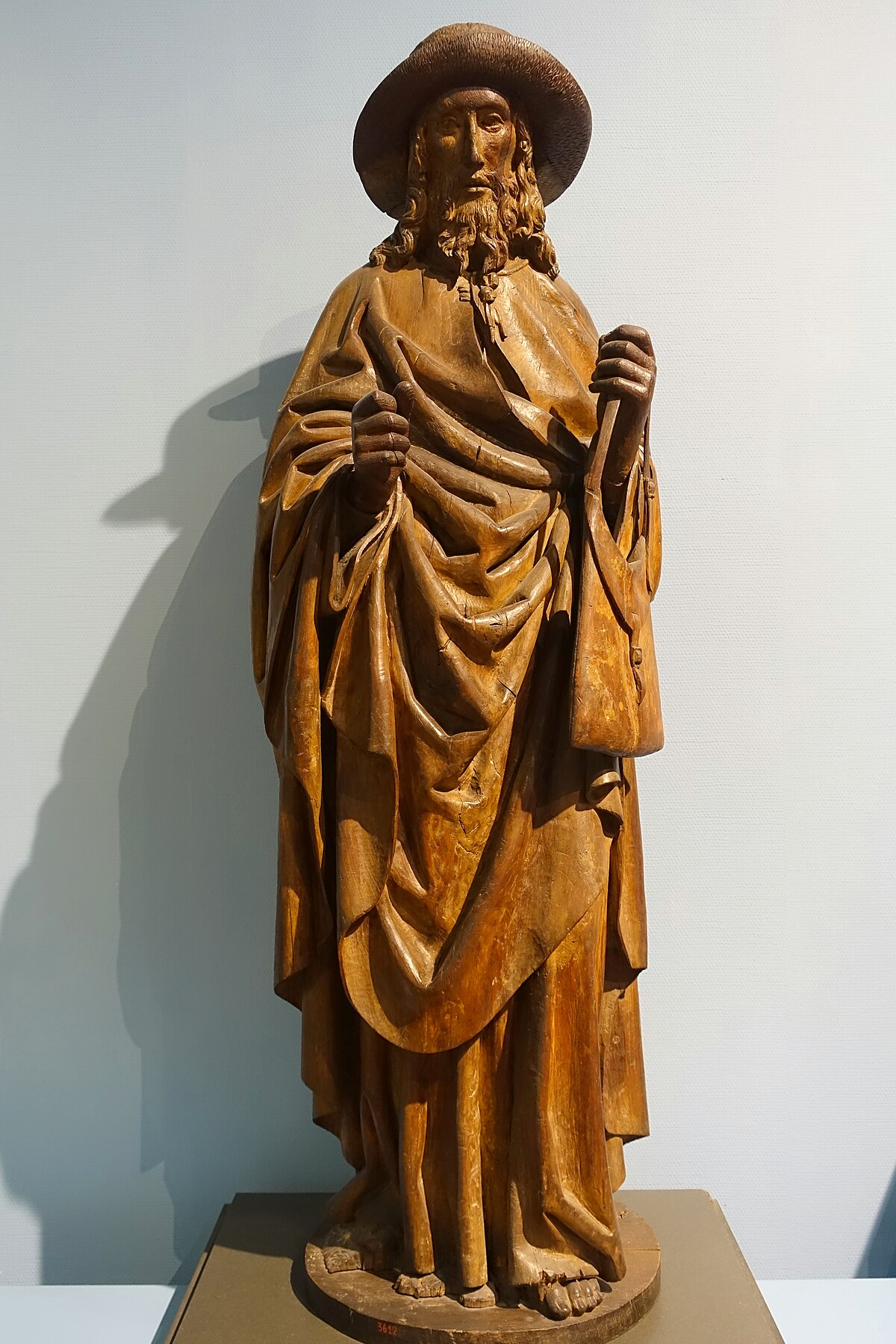
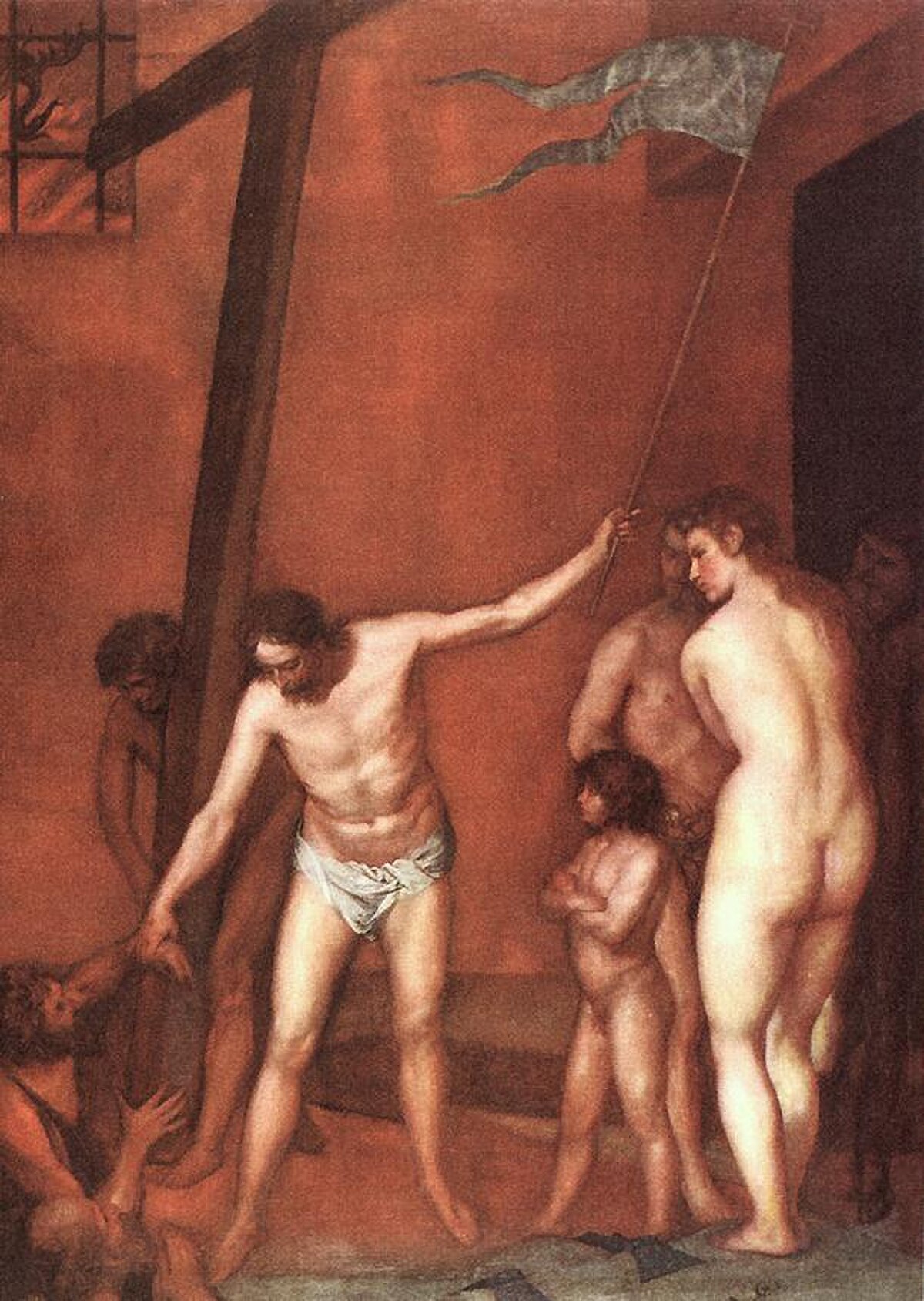
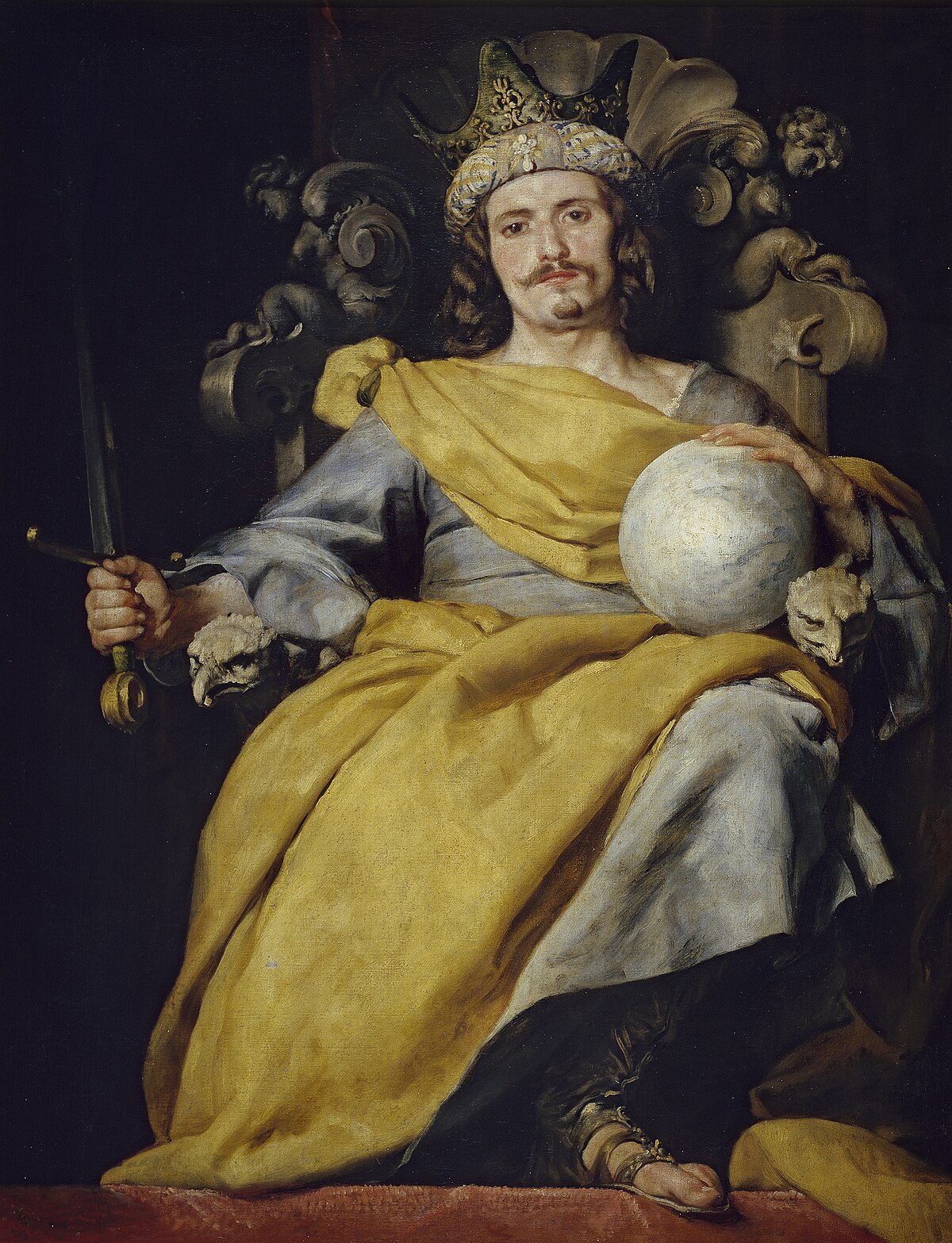
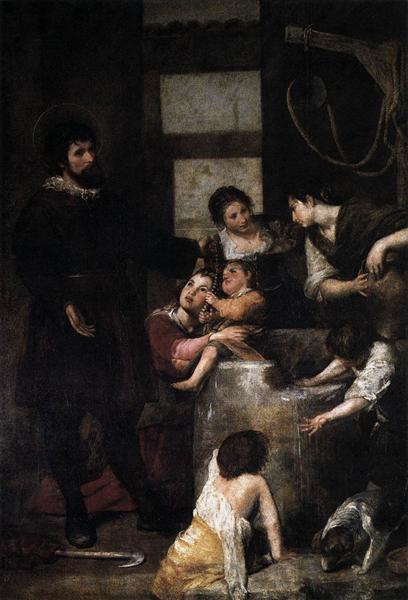
In 1638, Cano moved to Madrid as painter to the Count-Duke Olivares, later restoring pictures in Philip IV's royal collection. This acquainted him with 16th-century Venetian masters whose influence appears in his later paintings. From 1652, he worked mainly in Granada, where he designed the cathedral's west façade (1667), one of the boldest and most original works of Spanish Baroque architecture. He was ordained a priest in 1658 to further his cathedral career. His polychromed wood sculptures, including the Virgin of the Immaculate Conception (1655-56), exemplify Spanish religious sculpture. Despite his stormy temperament, his work tends toward serenity. Works hang at the Museo del Prado and Granada Cathedral.
Notable Works by Alonso Cano
8 paintings catalogued with museum locations