Alexandre Cabanel
French·1823–1889
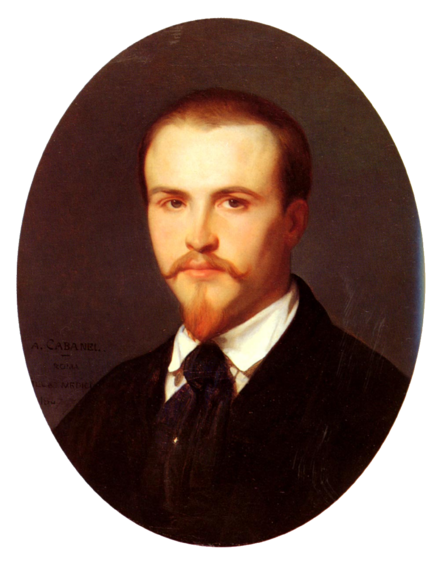
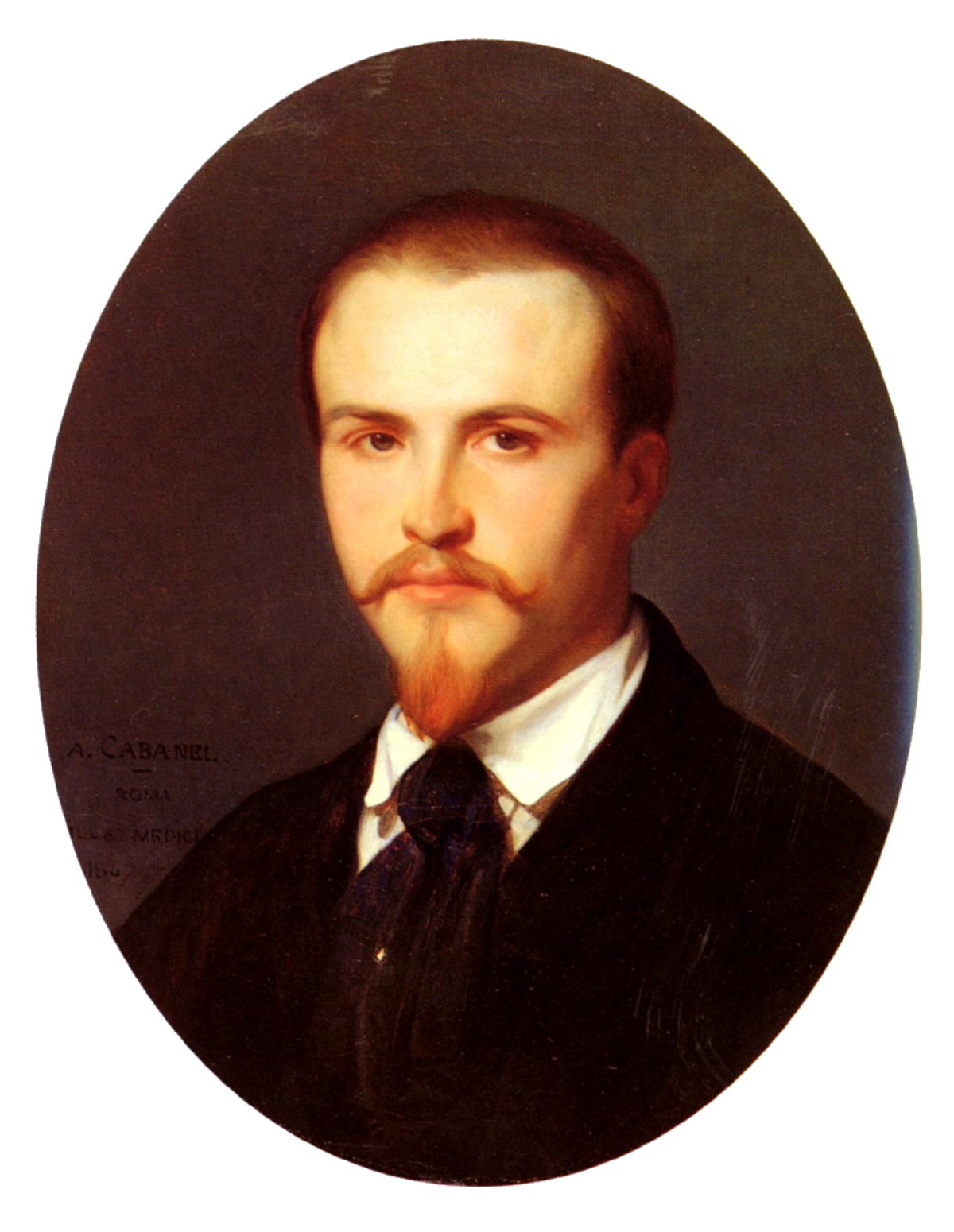
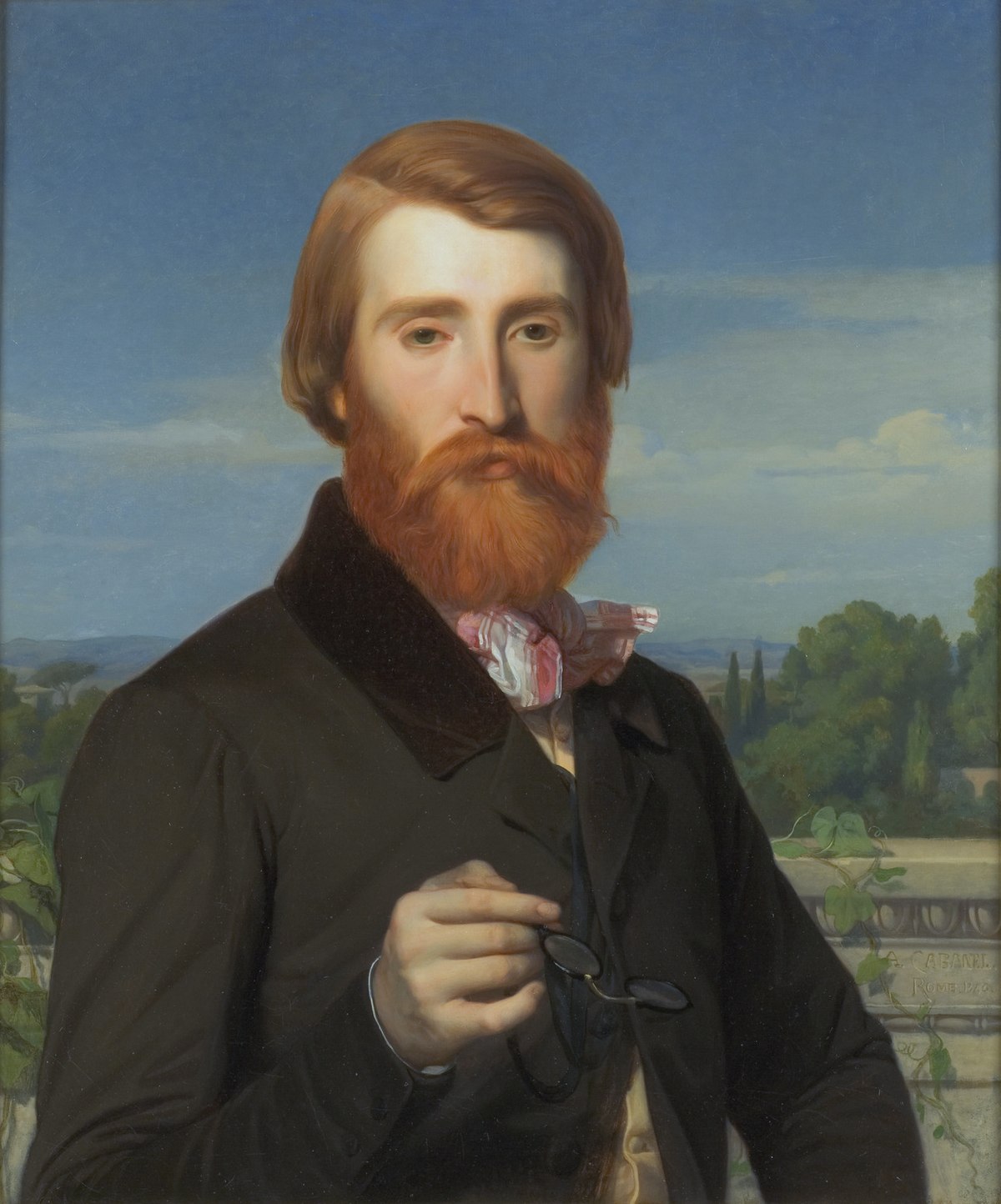
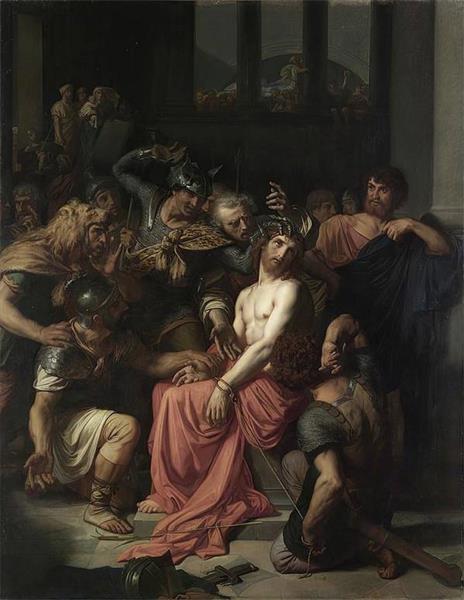
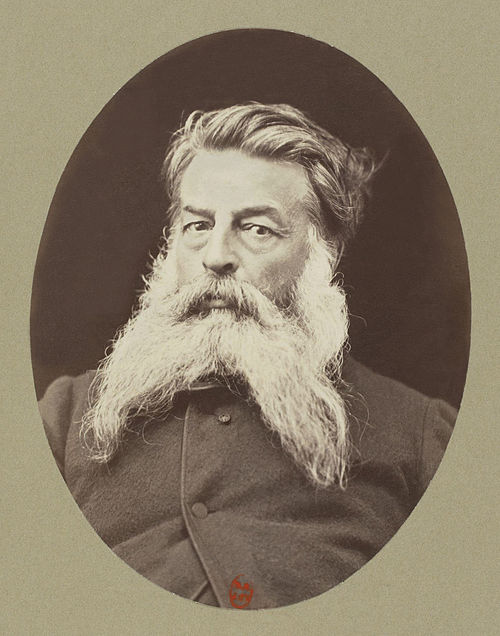
Academic painter Alexandre Cabanel (1823-1889) was a dominant figure in French painting during the Second Empire. Born in Montpellier, he entered the École des Beaux-Arts at seventeen and won the Prix de Rome at 22. His style embodied academic ideals: mythological subjects, graceful modeling, silky brushwork, and perfected form. A true believer in State-run academies, he became professor at the École des Beaux-Arts in 1863 and served on the Salon jury for decades.
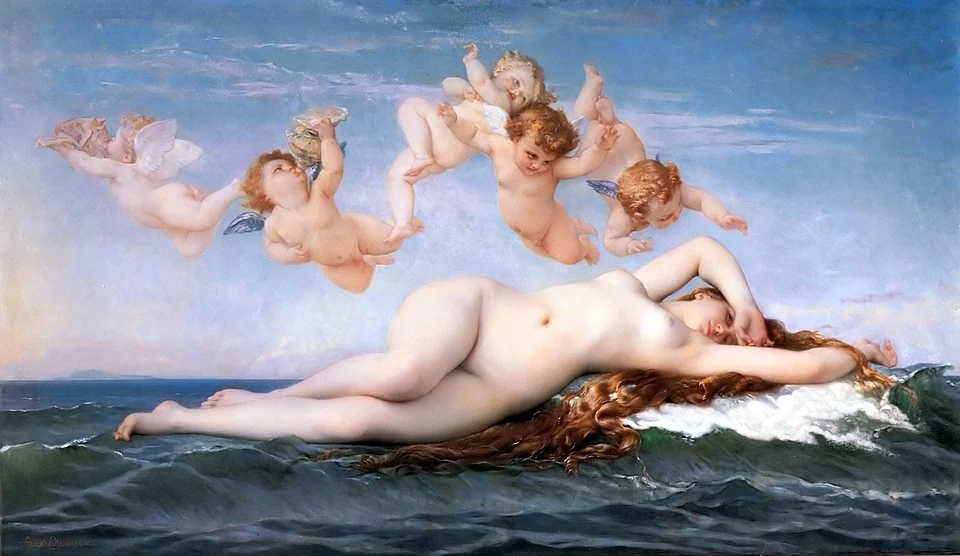
His masterpiece The Birth of Venus (1863) at the Musée d'Orsay created a sensation at the "Salon of the Venuses." Napoleon III immediately purchased it for his personal collection. The painting shows Venus reclining on ocean waves, attended by cupids. Émile Zola criticized its eroticism disguised as mythology, calling the goddess "a delicious courtesan." Cabanel won the Grande Médaille d'Honneur at the Salons of 1865, 1867, and 1878, becoming one of "the three most successful artists of the Second Empire" alongside Meissonier and Gérôme. Multiple versions of his Venus exist; one is at the Metropolitan Museum of Art in New York.
Notable Works by Alexandre Cabanel
10 paintings catalogued with museum locations