Aelbert Cuyp
Dutch·1620–1691
No Portrait Available
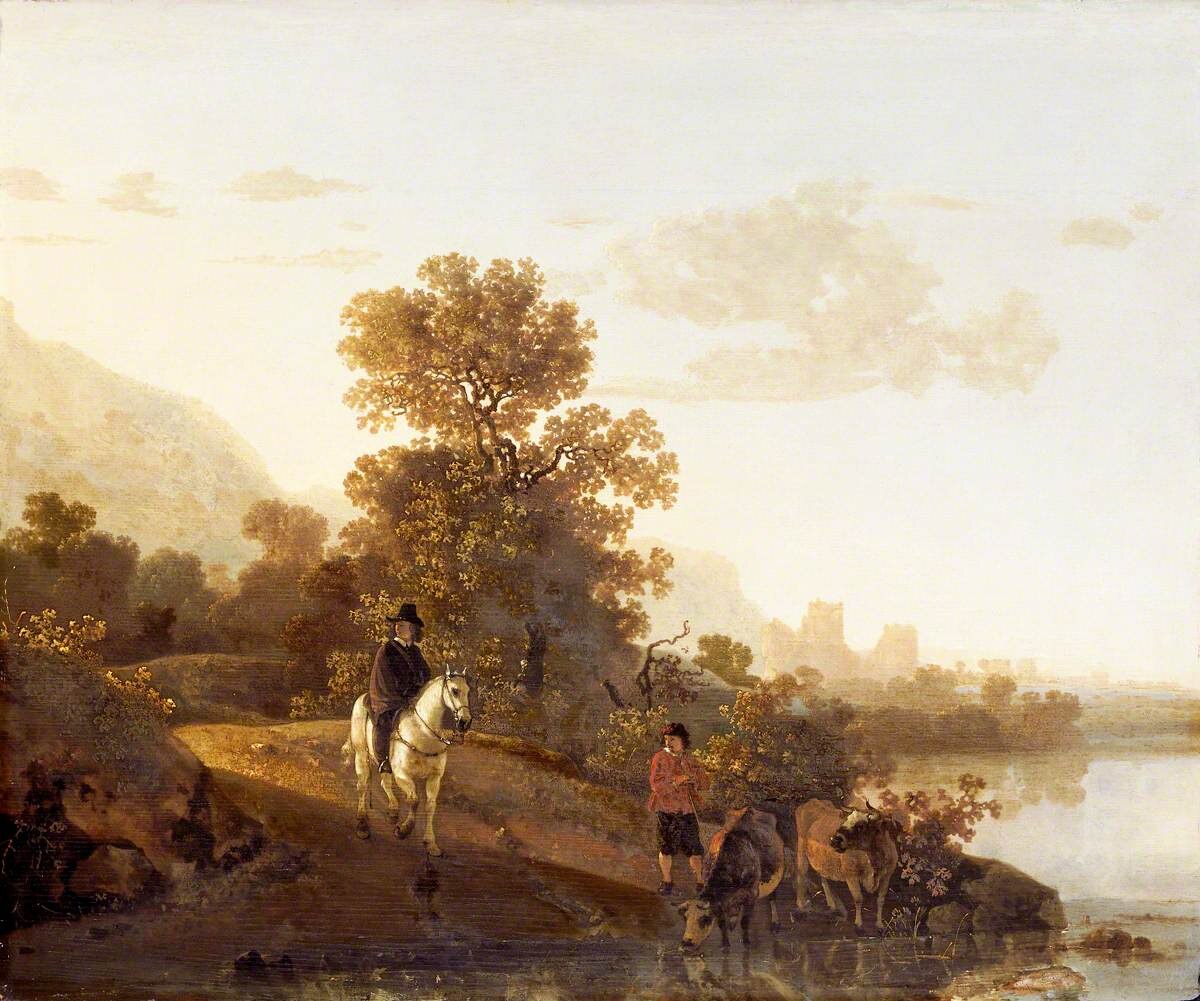
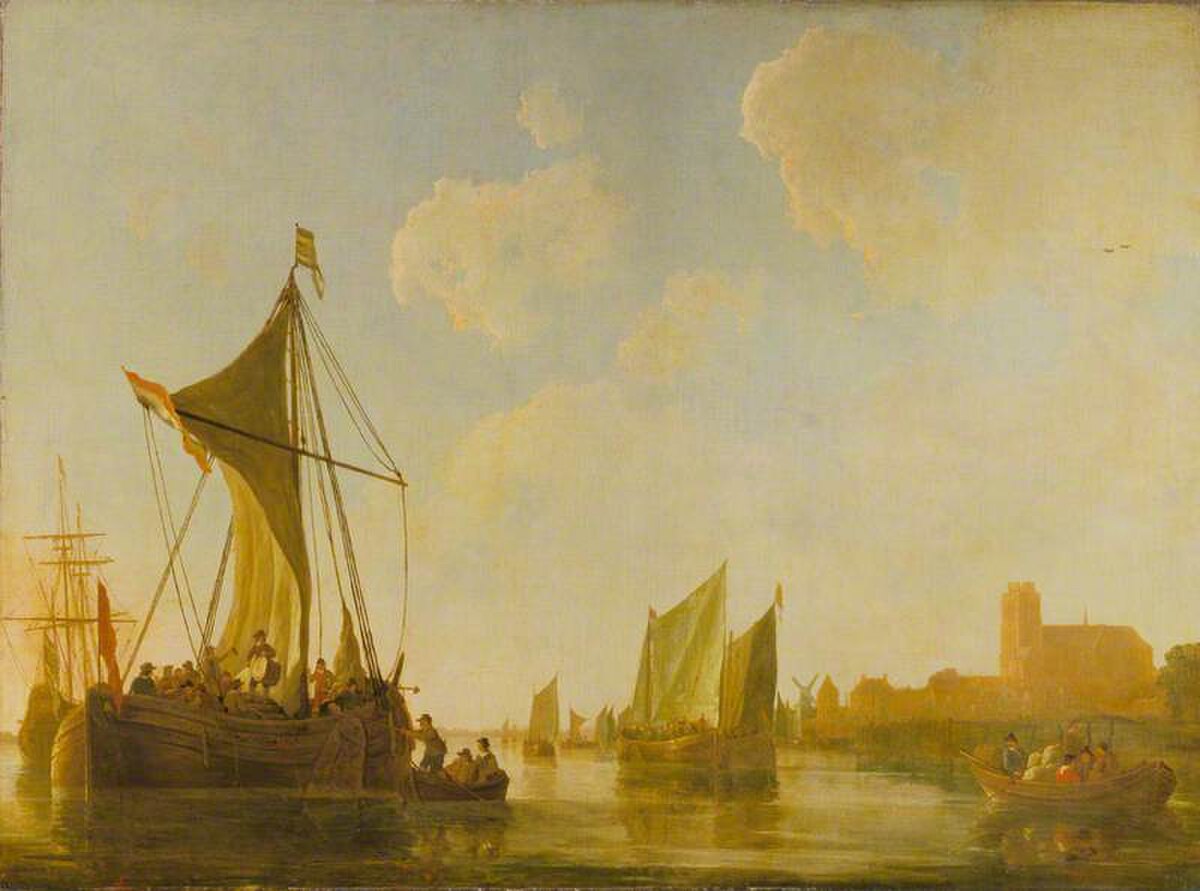
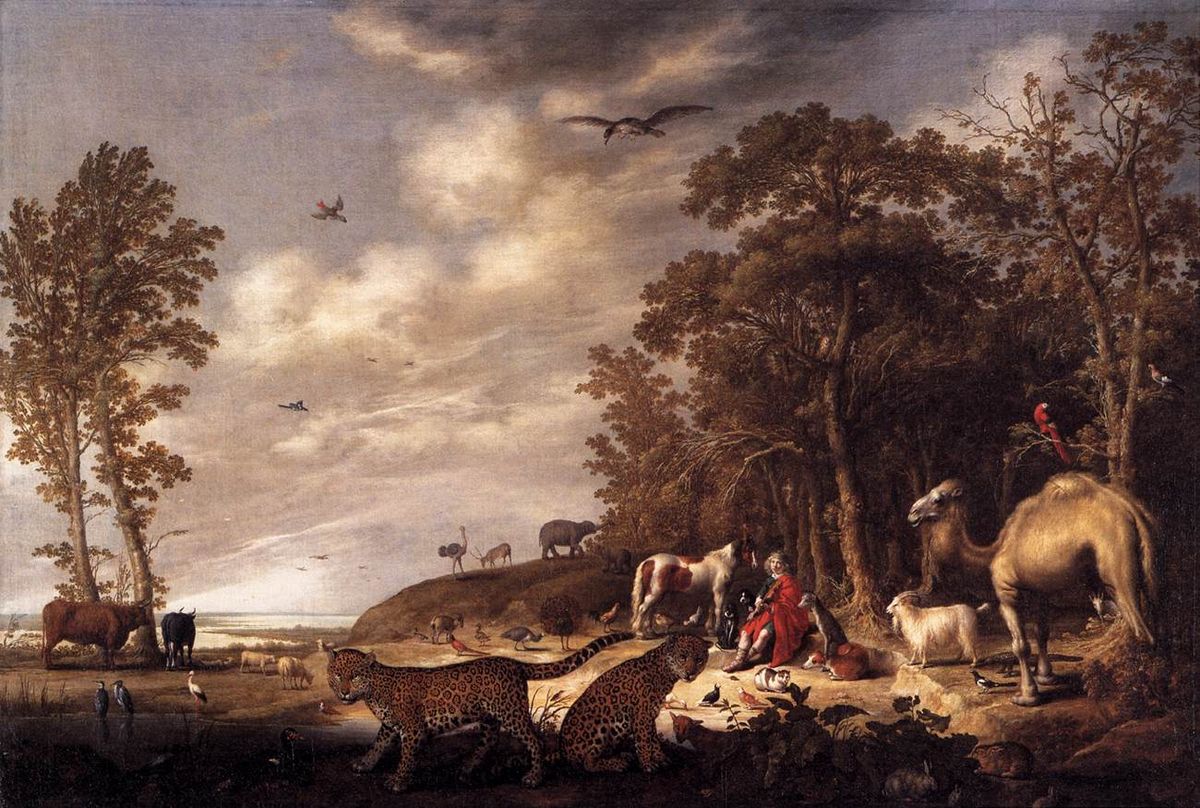
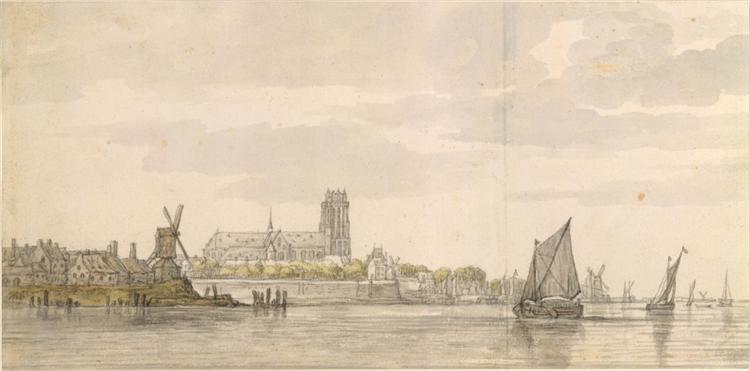
Aelbert Cuyp (1620–1691) painted the Dutch countryside bathed in Italian light. Born in Dordrecht to portrait painter Jacob Gerritsz Cuyp, he learned from his father and spent his entire life in his hometown at the junction of several major rivers. The water, the light, the animals grazing on the banks: these became his subjects.
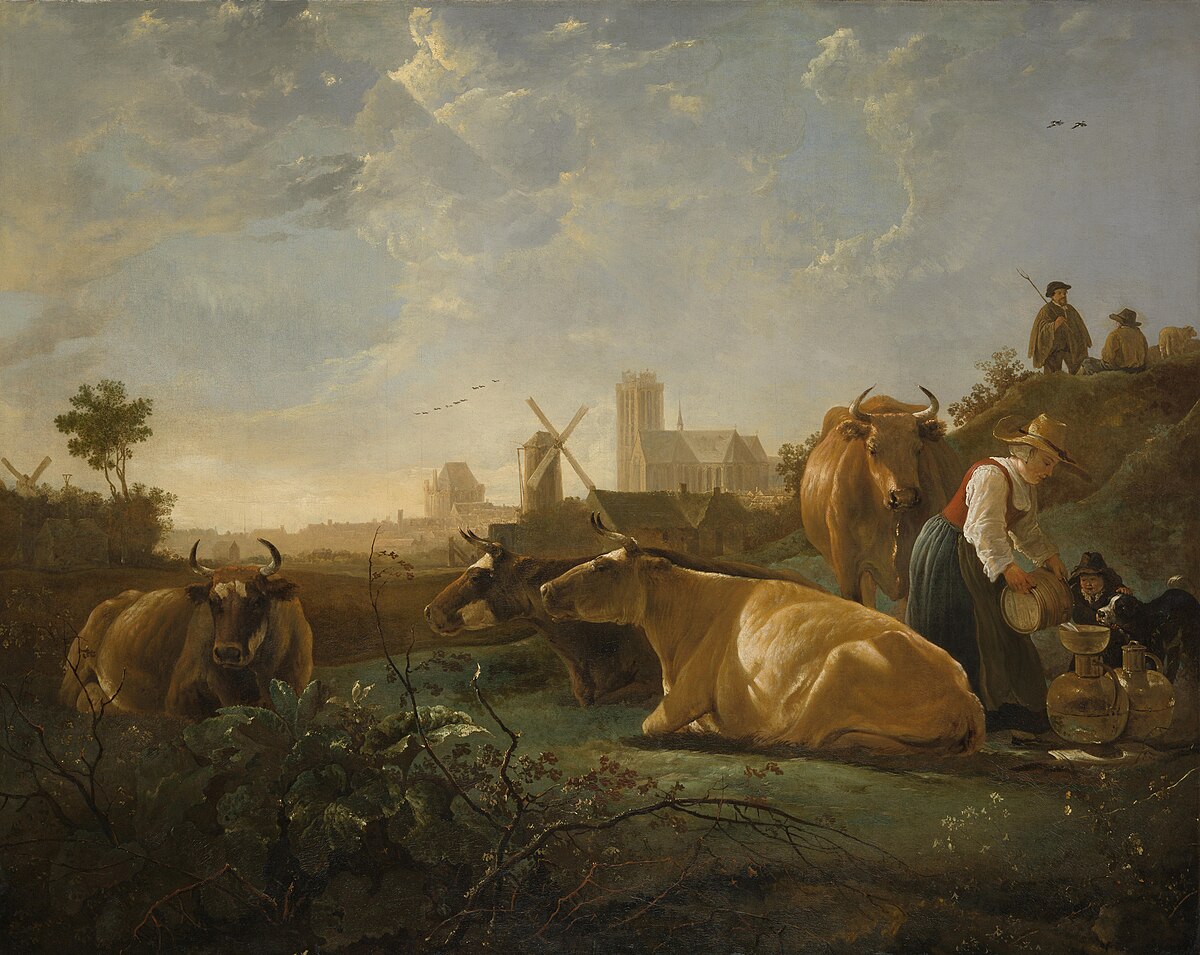
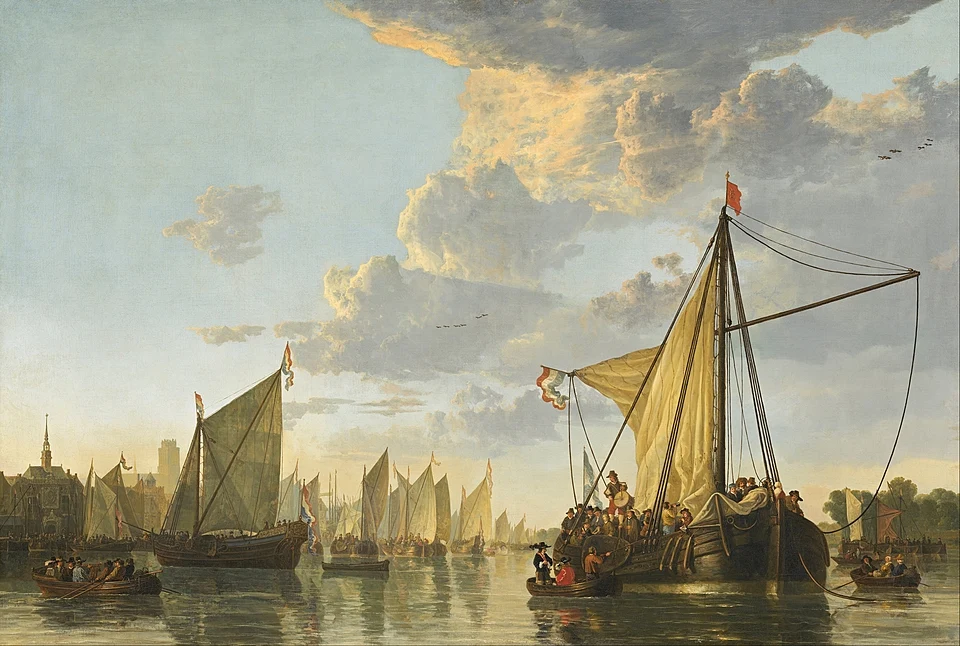
Early in his career, Cuyp worked in the gray-green tones typical of Dutch landscape painting. Then something changed. Around 1640, Utrecht painter Jan Both returned from Italy with paintings full of golden Mediterranean light. Cuyp saw them and transformed his palette. He began painting Dutch scenes, cows and rivers and sailing boats, as if they were lit by the warm glow of a Roman sunset.
His animals are magnificent. Cows especially. They stand in pools of amber light, dignified and monumental, as if posing for portraits. His finest works show river scenes at dawn or dusk, when the light is warmest. He was a Dutch Golden Age painter working in what scholars call the "Italianate manner," though he never visited Italy himself. In 1658, he married a wealthy widow and seems to have painted little afterward. He held civic positions and likely had no financial need to work. After his death, he was forgotten for generations before British collectors rediscovered him in the late eighteenth century. The National Gallery in London has eleven of his paintings. Others are at the Rijksmuseum and the Dordrechts Museum in his hometown.